People
All People
Presidents
Military Leaders
Founding Fathers
Scientists & Inventors
Civil Rights Leaders
Explorers
Artists & Writers
Business Leaders
Outlaws & Lawmen
Statesmen & Politicians
Supreme Court Justices
Indigenous Leaders
First Ladies
Athletes
Places
All Places
States
Cities
Battlefields
Landmarks & Buildings
National Parks
Territories
Indigenous Lands
Natural Features & Geography
Infrastructure & Transportation
Colonial Settlements
Eras
Events
All Events
Wars & Conflicts
Treaties & Agreements
Disasters
Milestones & Firsts
Assassinations
Elections
Protests & Movements
Discoveries & Inventions
Crises & Standoffs
Scandals & Constitutional Crises
Financial Crises & Panics
Documents
All Documents
Founding Documents
Laws & Acts
Supreme Court Decisions
Speeches
Concepts
All Concepts
Political Movements
Economic Systems
Social Issues
Foreign Policy Doctrines
Religion & Society
Organizations
All Organizations
Government Agencies
International Organizations
Military
Business & Labor
Advocacy & Social Organizations
Culture & Knowledge
Symbols
Technology
Guides
On This Day
America250
— 250 years since 1776. Explore two and a half centuries of American history.
Start the tour
Home
/
Tags
/
#Founding Era
#Founding Era
95 entries
People
(28)
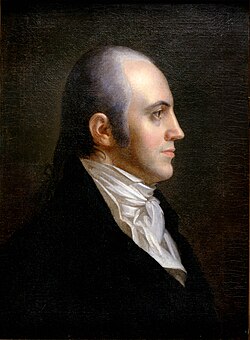
Aaron Burr
Third Vice President of the United States — and Alexander Hamilton's killer
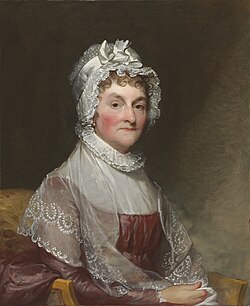
Abigail Adams
First Lady, political advisor, and the founding era's most insistent voice for women's rights
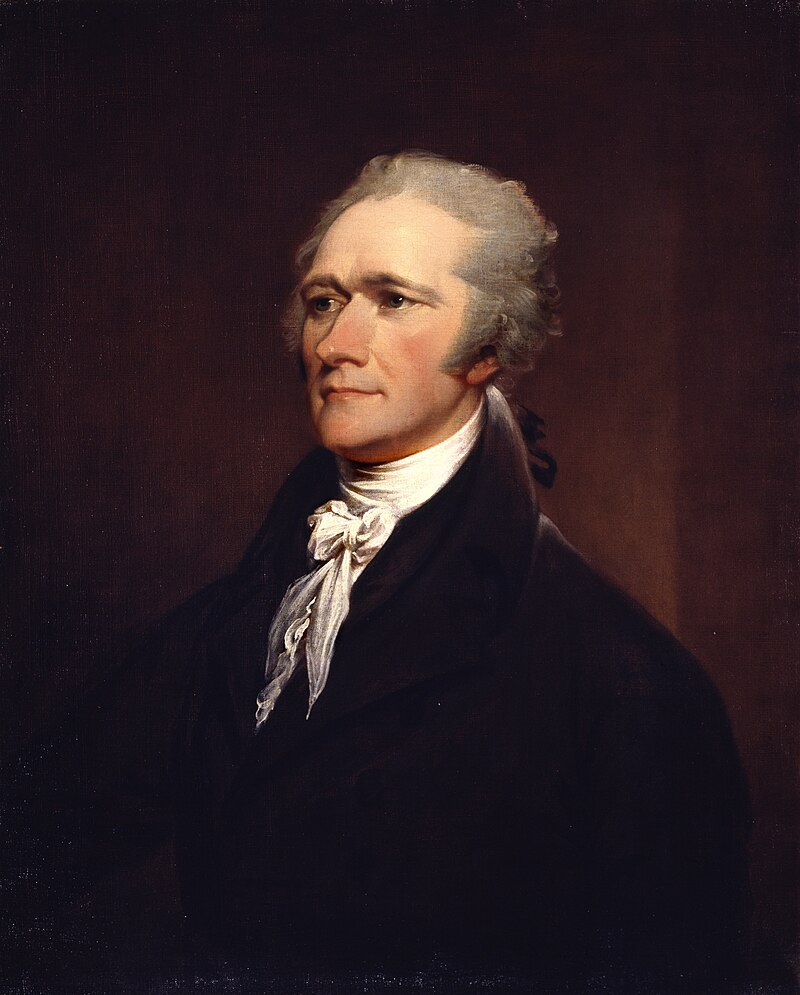
Alexander Hamilton
Founding Father, first Secretary of the Treasury, and architect of American capitalism
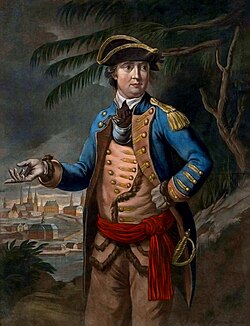
Benedict Arnold
Revolutionary War hero turned traitor, 1741–1801
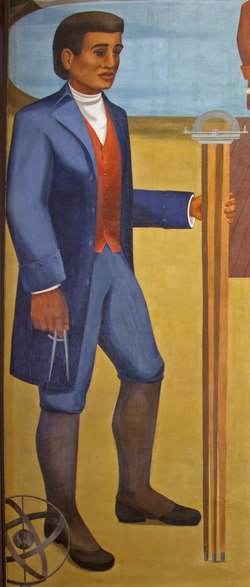
Benjamin Banneker
Self-taught astronomer, mathematician, and the first Black man to receive a presidential appointment
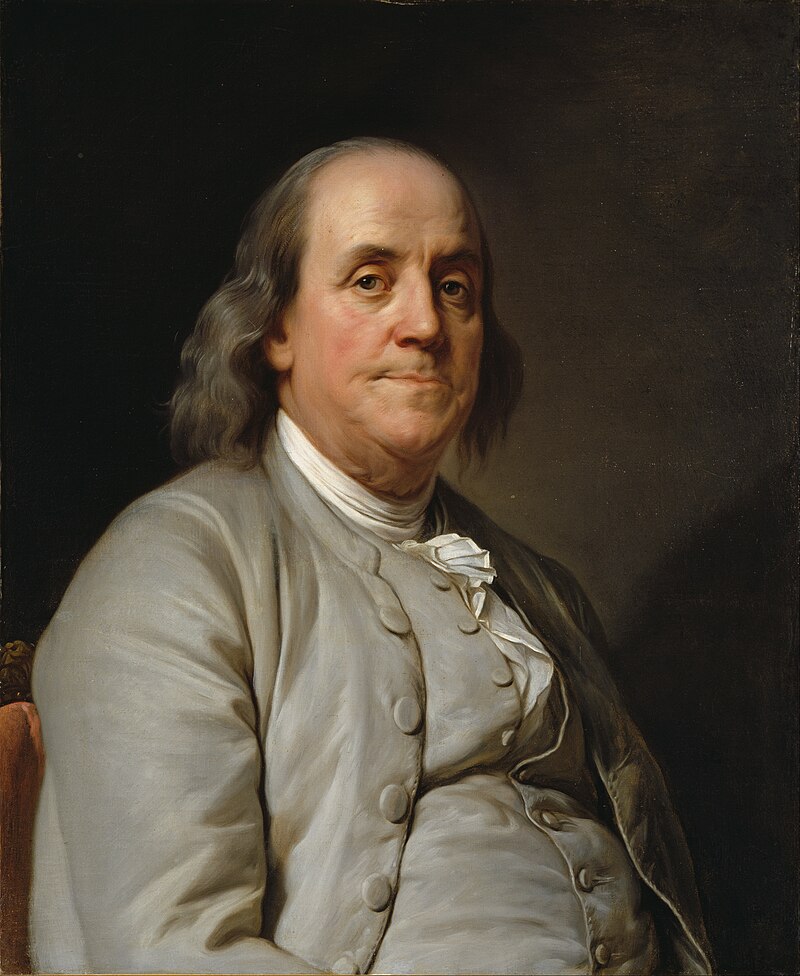
Benjamin Franklin
Printer, diplomat, and scientist who helped engineer American independence
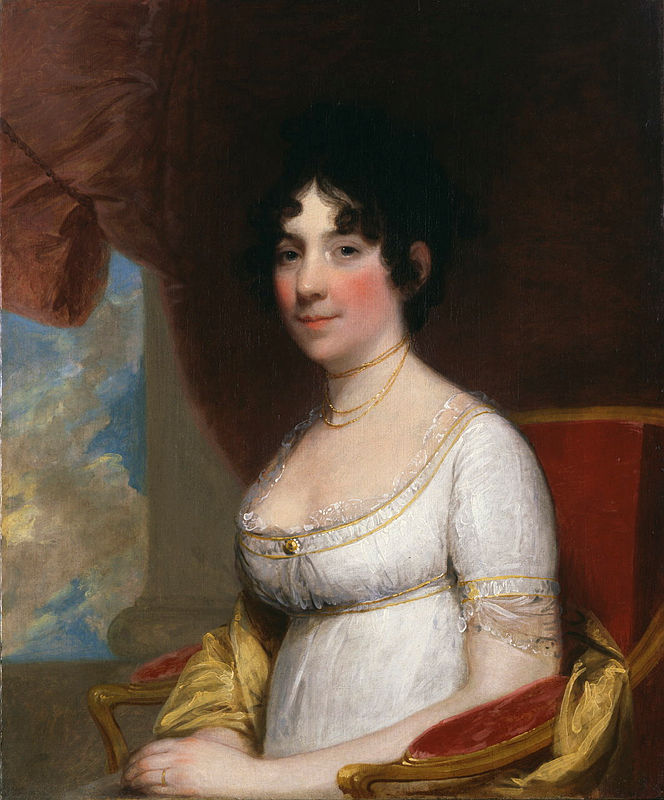
Dolley Madison
The First Lady who saved Washington's portrait and defined the social power of the presidency
George Mason
Author of the Virginia Declaration of Rights and the conscience of the Constitutional Convention
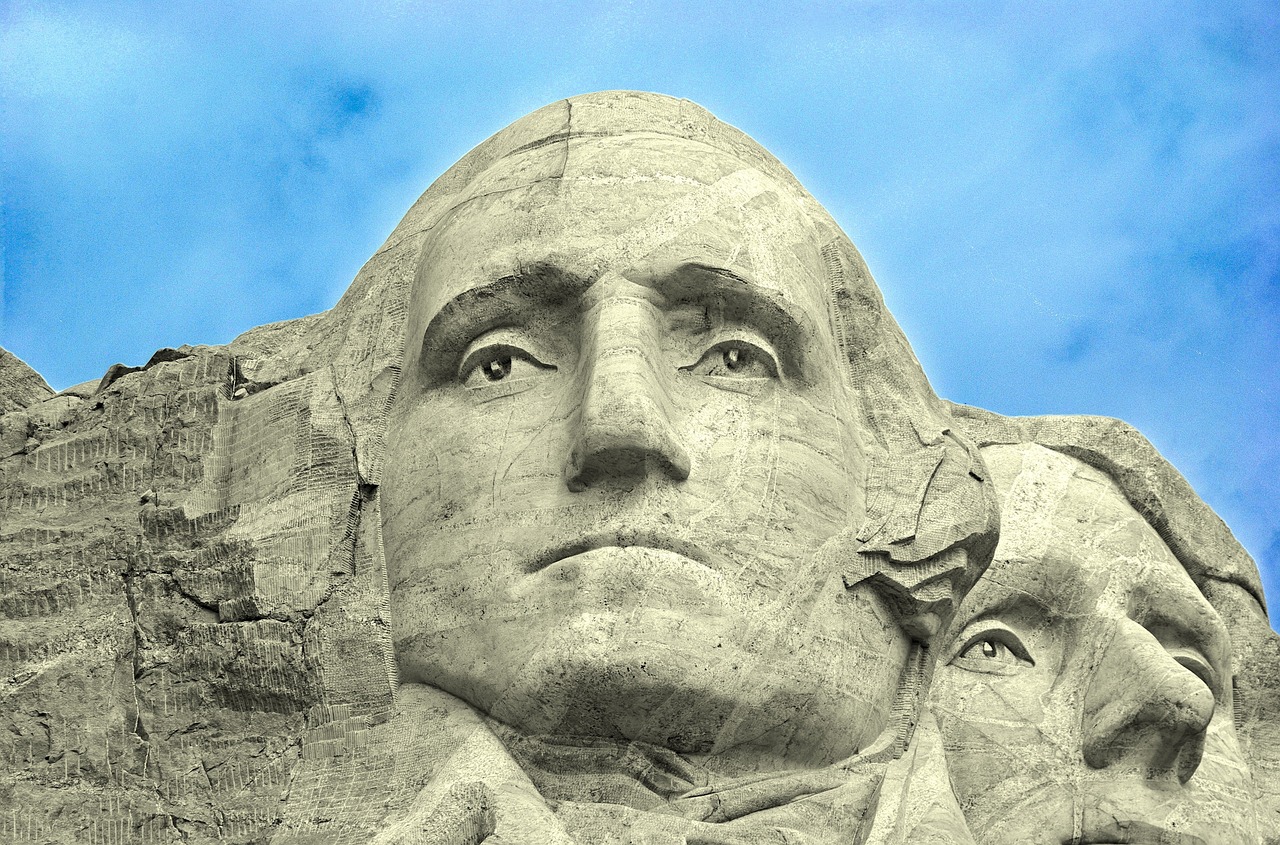
George Washington
Commander of the Continental Army and First President of the United States
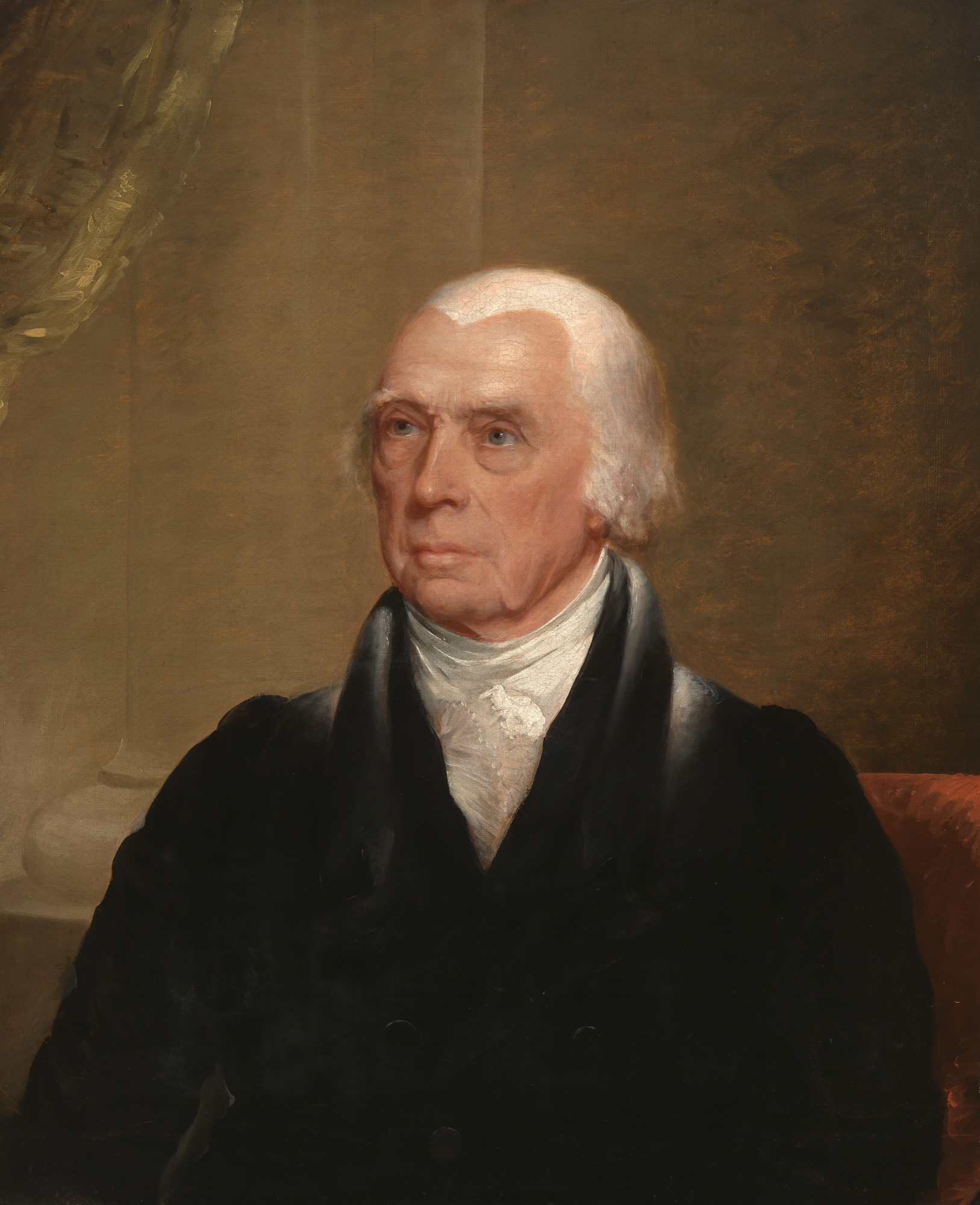
James Madison
Father of the Constitution and fourth President of the United States
James Monroe
5th President of the United States and the last of the Founding Fathers to hold the office
John Adams
Second President of the United States, 1797–1801
John Hancock
President of the Continental Congress and the bold first signer of the Declaration
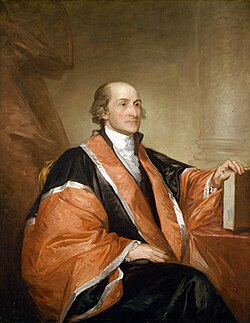
John Jay
First Chief Justice of the United States and co-author of The Federalist Papers
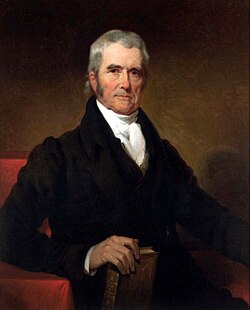
John Marshall
Chief Justice who forged the Supreme Court into a coequal branch of government
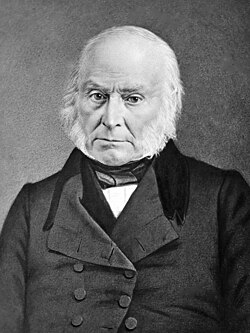
John Quincy Adams
6th President of the United States, diplomat, and antislavery congressman
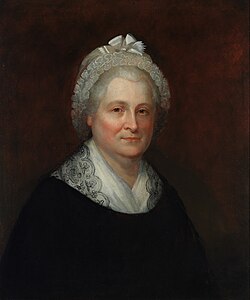
Martha Washington
The first First Lady — a wealthy widow who built the presidency alongside her husband
Nathan Hale
Continental Army Spy and American Martyr, 1776
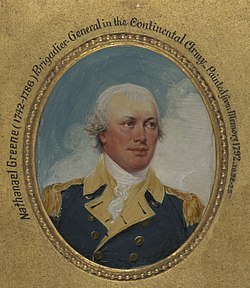
Nathanael Greene
Self-taught general who drove the British from the American South
Patrick Henry
The orator whose words gave the American Revolution its voice
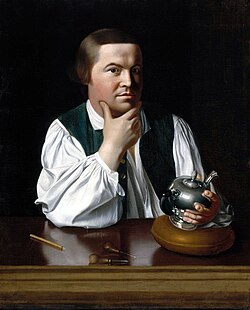
Paul Revere
Boston silversmith and the most famous midnight rider of the American Revolution
Richard Henry Lee
The Virginian who moved the resolution for independence in 1776
Robert R. Livingston
The Committee of Five member who helped draft the Declaration — and later bought Louisiana
Roger Sherman
The only person to sign all four of the great founding documents
Roger Williams
Puritan exile who founded Rhode Island and first argued that church and state must be separate
Samuel Adams
Founding Father, master agitator, and the man who made revolution seem inevitable
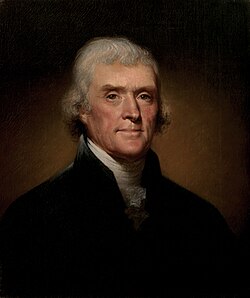
Thomas Jefferson
Author of the Declaration of Independence and Third President of the United States
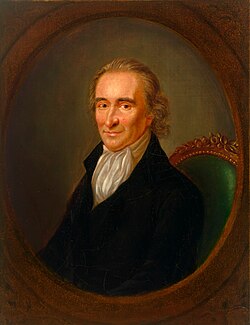
Thomas Paine
The radical pamphleteer who talked a continent into revolution
Places
(21)
Boston
Birthplace of the American Revolution and one of the republic's oldest cities
Connecticut
One of the original Thirteen Colonies — the Constitution State
Delaware
One of the original Thirteen Colonies — the First State
Georgia
The last of the original Thirteen Colonies, founded as a debtors' refuge
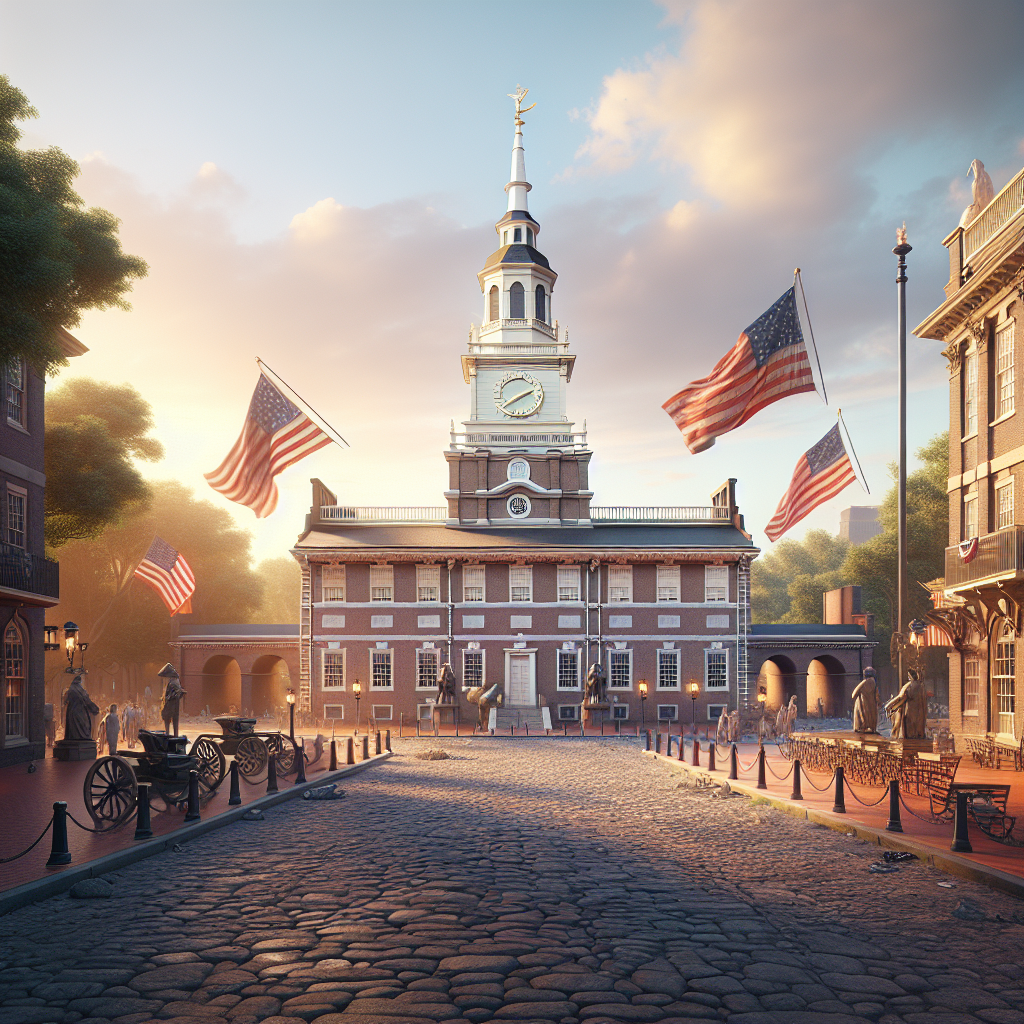
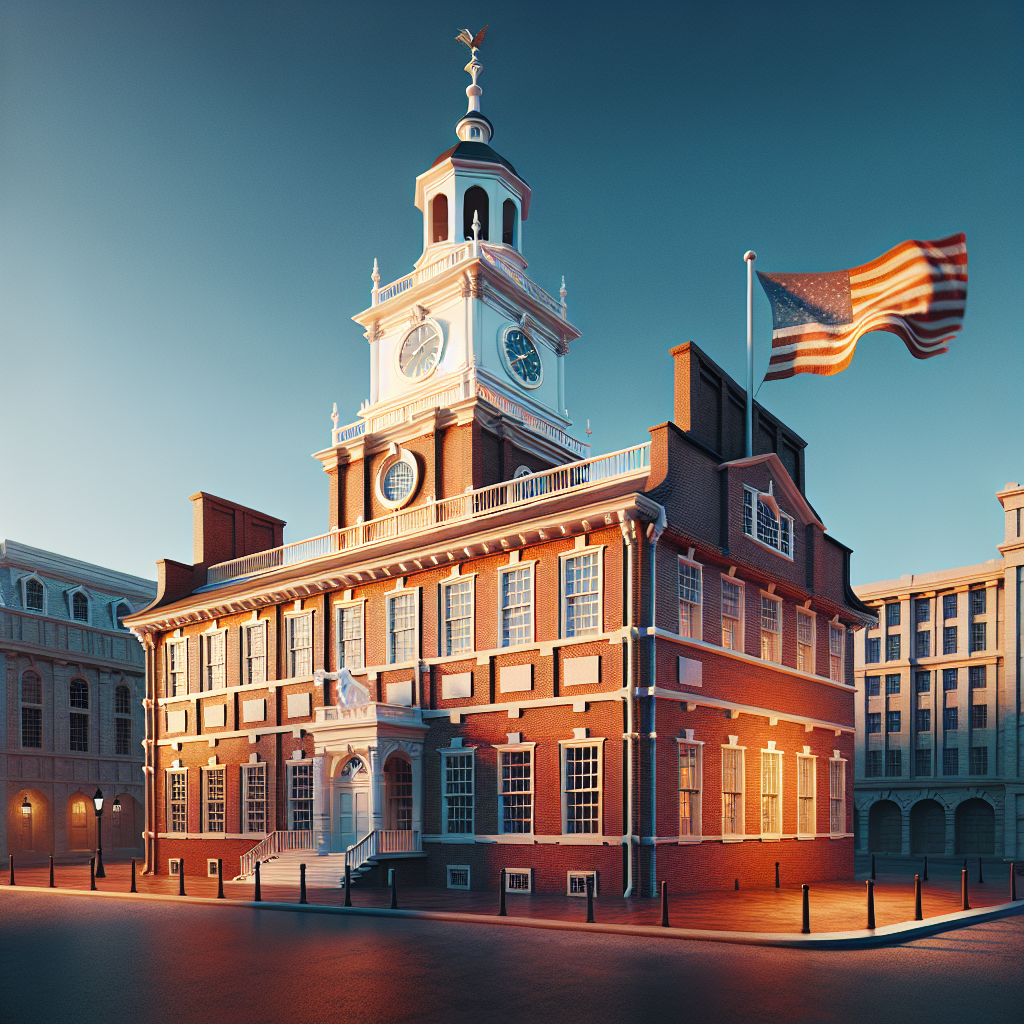
Independence Hall
The Philadelphia building where the Declaration of Independence and Constitution were signed
Jamestown
The first permanent English settlement in North America, founded 1607 on the Virginia tidewater
Maryland
One of the original Thirteen Colonies — founded as a Catholic refuge
Massachusetts
Cradle of the American Revolution and of American intellectual life
New Hampshire
One of the original Thirteen Colonies — first to declare independence
New Jersey
One of the original Thirteen Colonies — the Crossroads of the Revolution
North Carolina
One of the original Thirteen Colonies — a colony of small farmers
Northwest Territory
The Ohio Valley land first organized under the Northwest Ordinance of 1787
Pennsylvania
Birthplace of American government and site of the war's turning point
Philadelphia
The city where American independence and the Constitution were forged
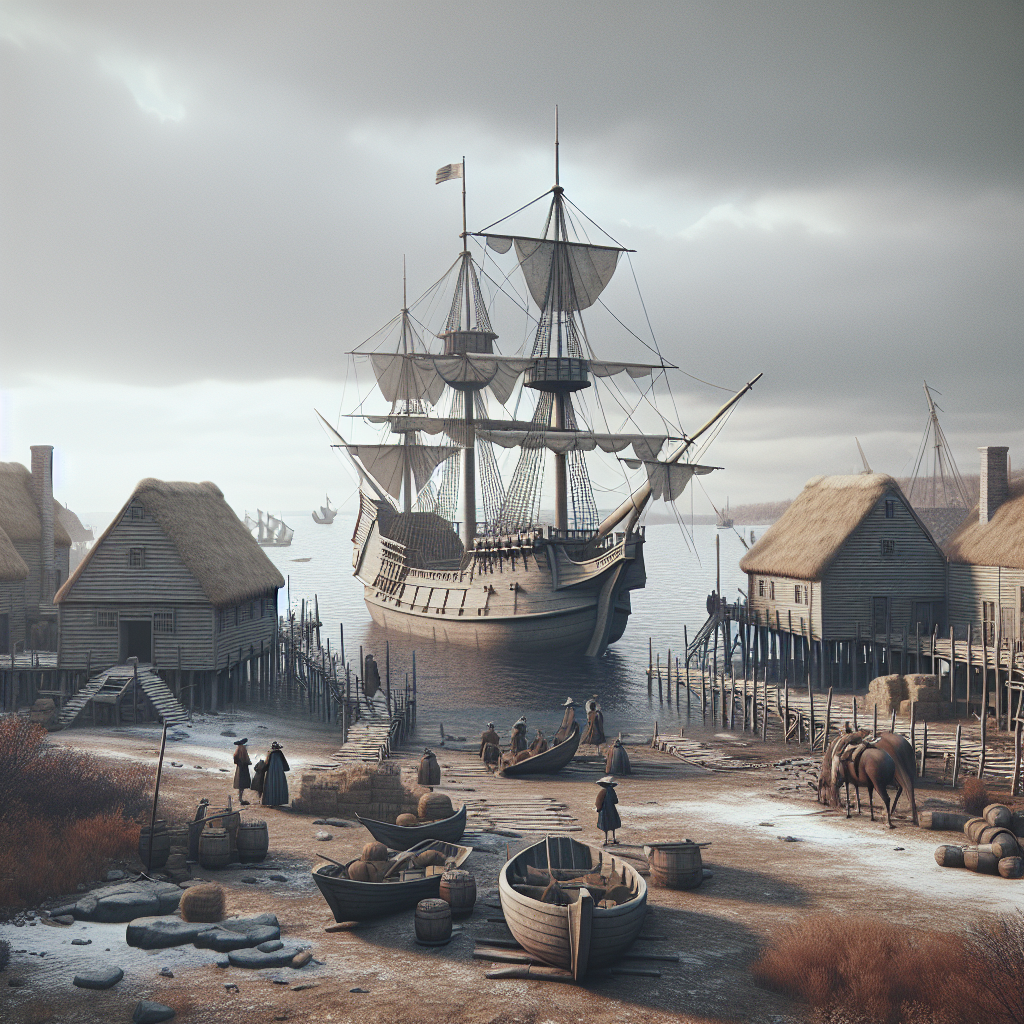
Plymouth Colony
The Pilgrim settlement of 1620 — first successful English colony in New England
Rhode Island
One of the original Thirteen Colonies — founded on religious liberty
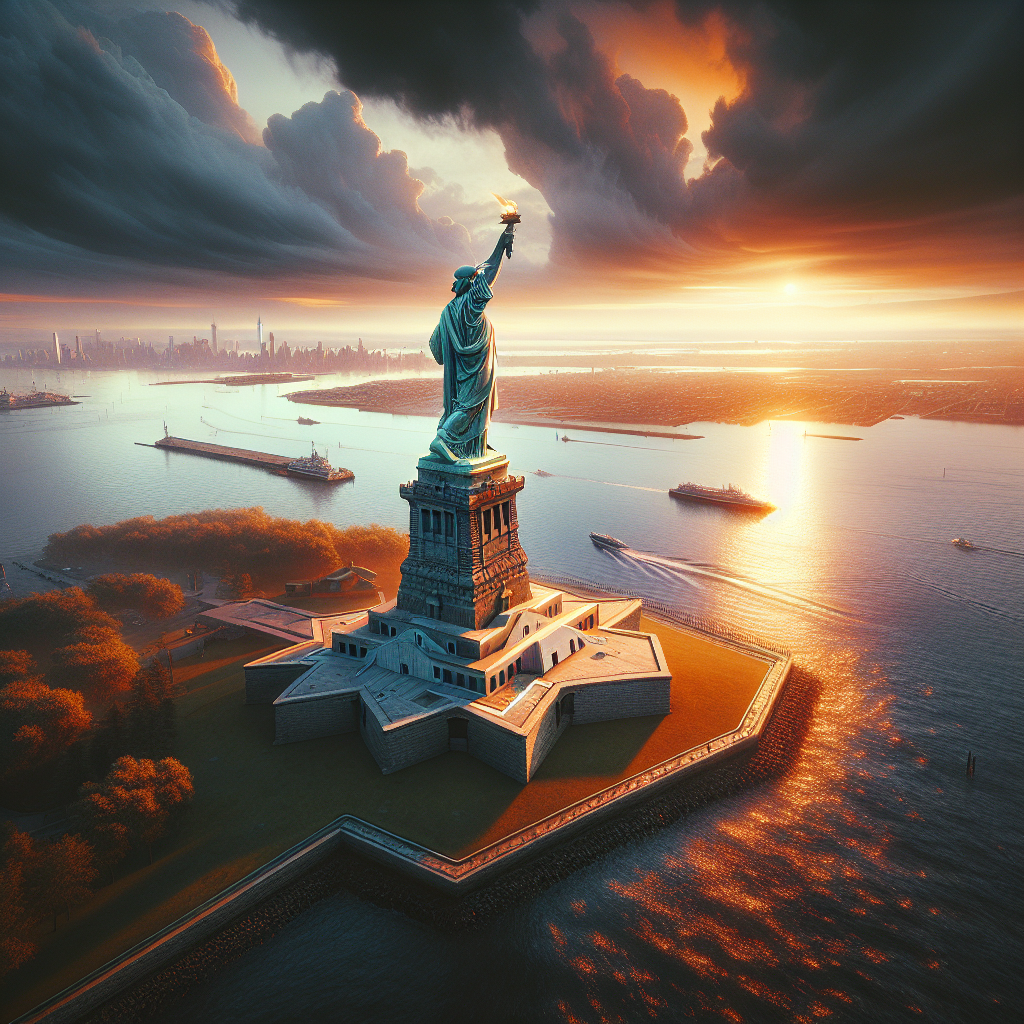
Statue of Liberty
The French gift that became America's most enduring symbol of freedom and welcome
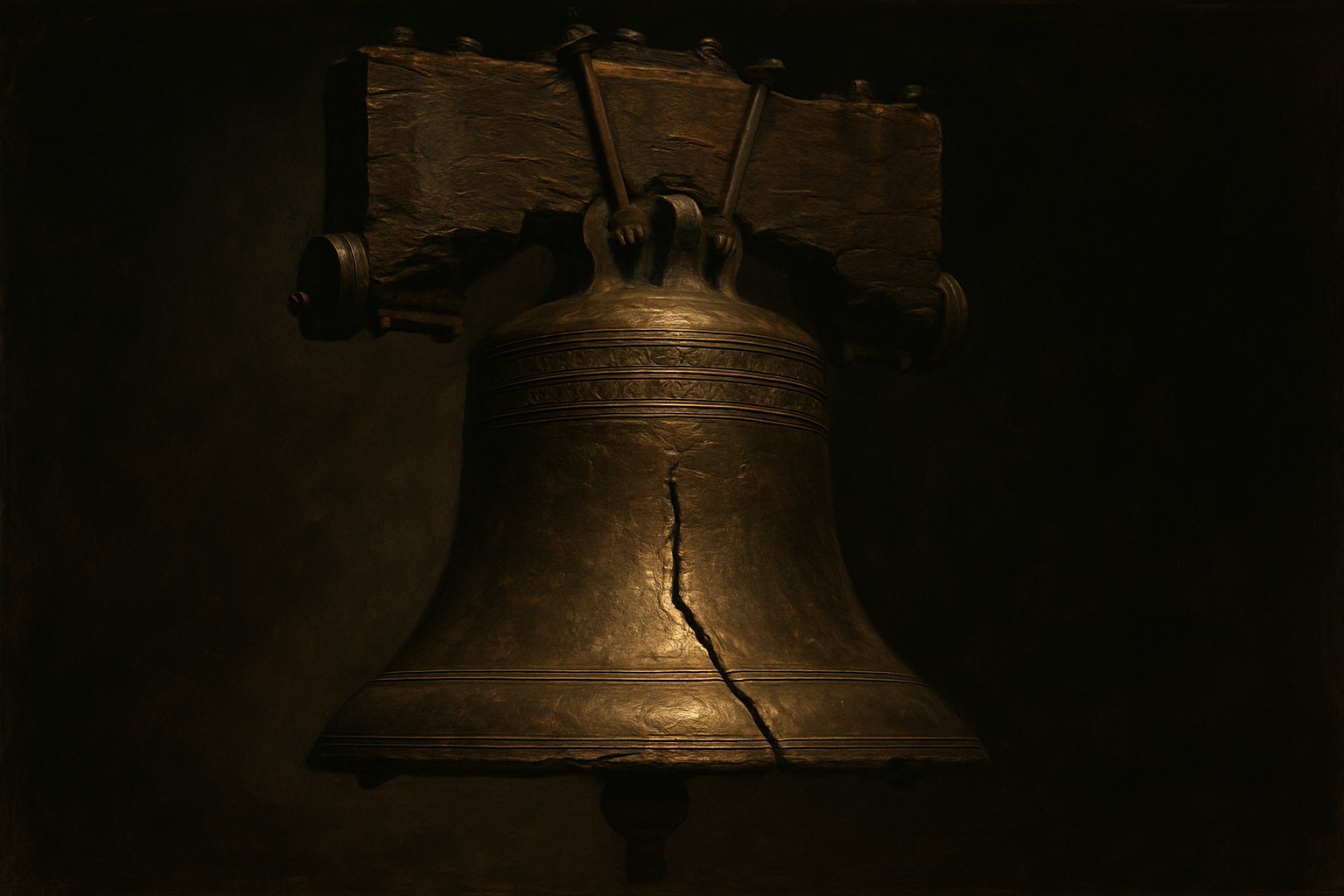
The Liberty Bell
The cracked Philadelphia bell that became an emblem of freedom
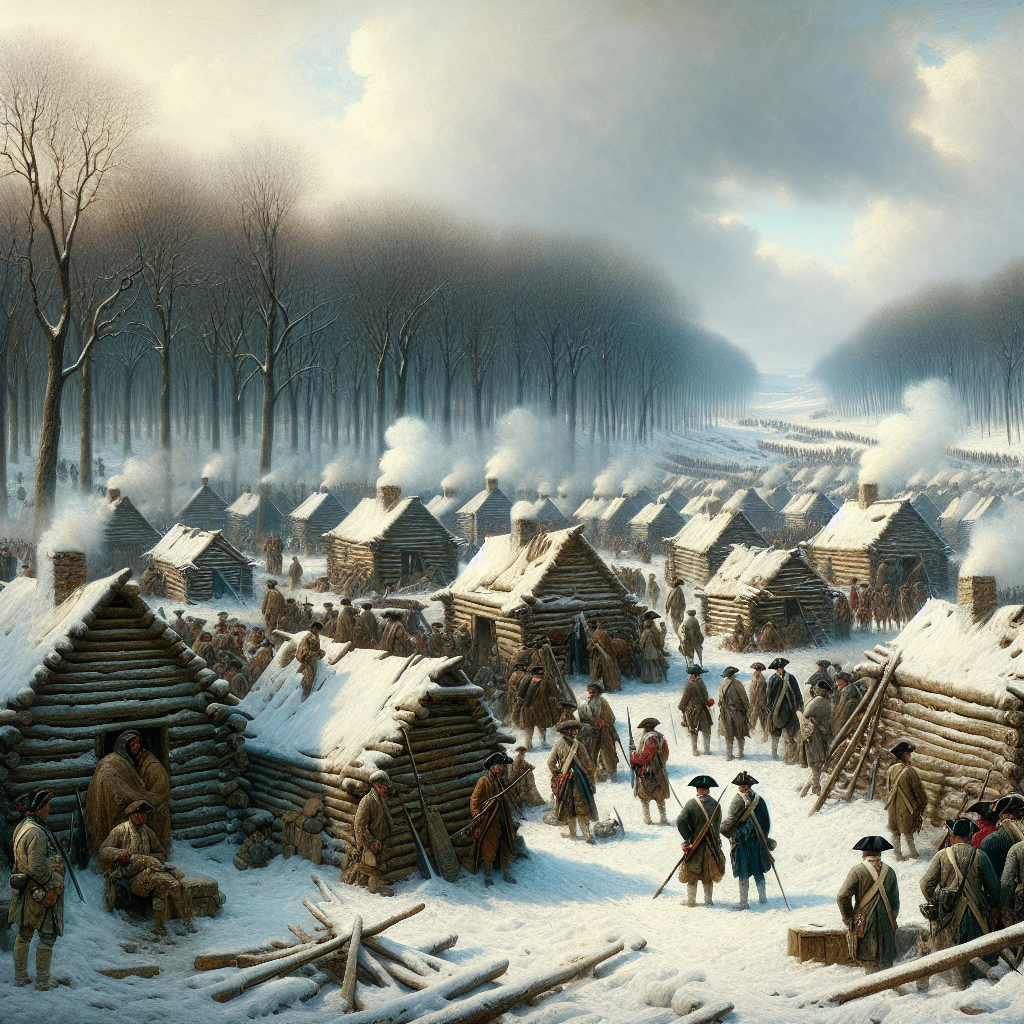
Valley Forge
The Pennsylvania encampment where the Continental Army survived its darkest winter
Virginia
The oldest English colony and the birthplace of American leadership
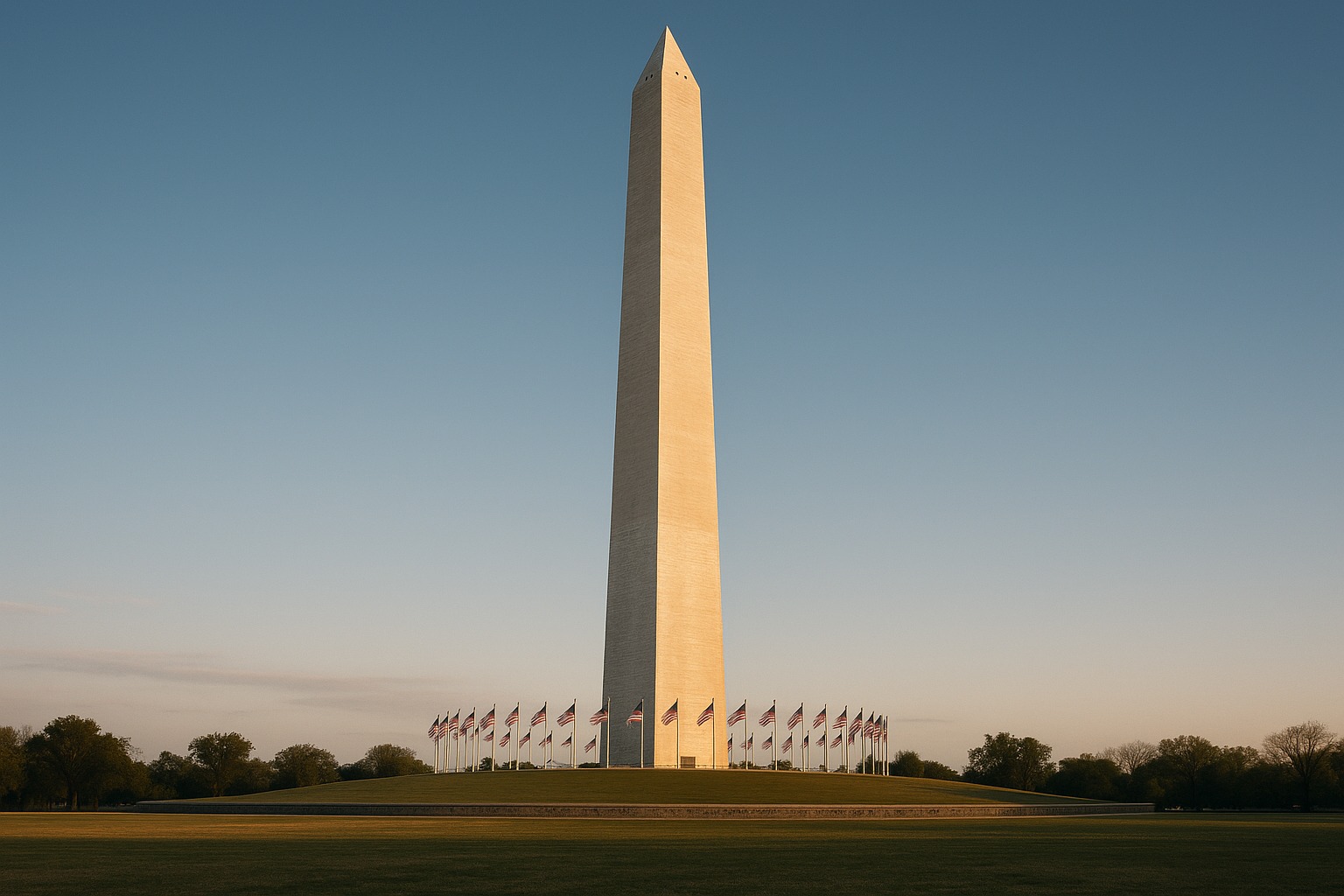
Washington, D.C.
The designed capital of the United States, seat of federal power since 1800
Eras
(1)
Colonial America
The 168 years of English settlement that built the society the Revolution would transform, 1607–1775
Events
(19)
Battle of Bunker Hill
The 1775 bloodbath that proved American militiamen could stand against British regulars
Battle of Lexington and Concord
The First Shots of the American Revolution, April 1775
Battle of Yorktown
The 1781 siege that ended the Revolutionary War and secured American independence
Boston Massacre
The 1770 Street Confrontation That Ignited a Revolution
Constitutional Convention
The 1787 Philadelphia gathering that scrapped one government and invented another
Continental Congress
The revolutionary assembly that declared independence, fought a war, and built a nation
Election of 1800
Jefferson's "Revolution of 1800" — America's first peaceful transfer of power between parties
Flag Day
The June 14 observance marking the adoption of the Stars and Stripes
French and Indian War
The North American theater of a world war that made the American Revolution inevitable, 1754–1763
Great Compromise
The Connecticut Plan of 1787 that created the bicameral Congress and saved the Constitutional Convention
Independence Day
The Fourth of July, the birthday of the United States
Jay Treaty
The 1794 agreement that kept peace with Britain — and nearly tore the republic apart
Louisiana Purchase
The 1803 land acquisition that doubled the size of the United States
Shays' Rebellion
The 1786 Uprising That Made the Constitution Necessary
The American Revolution
The colonial war of independence that created the United States, 1775–1783
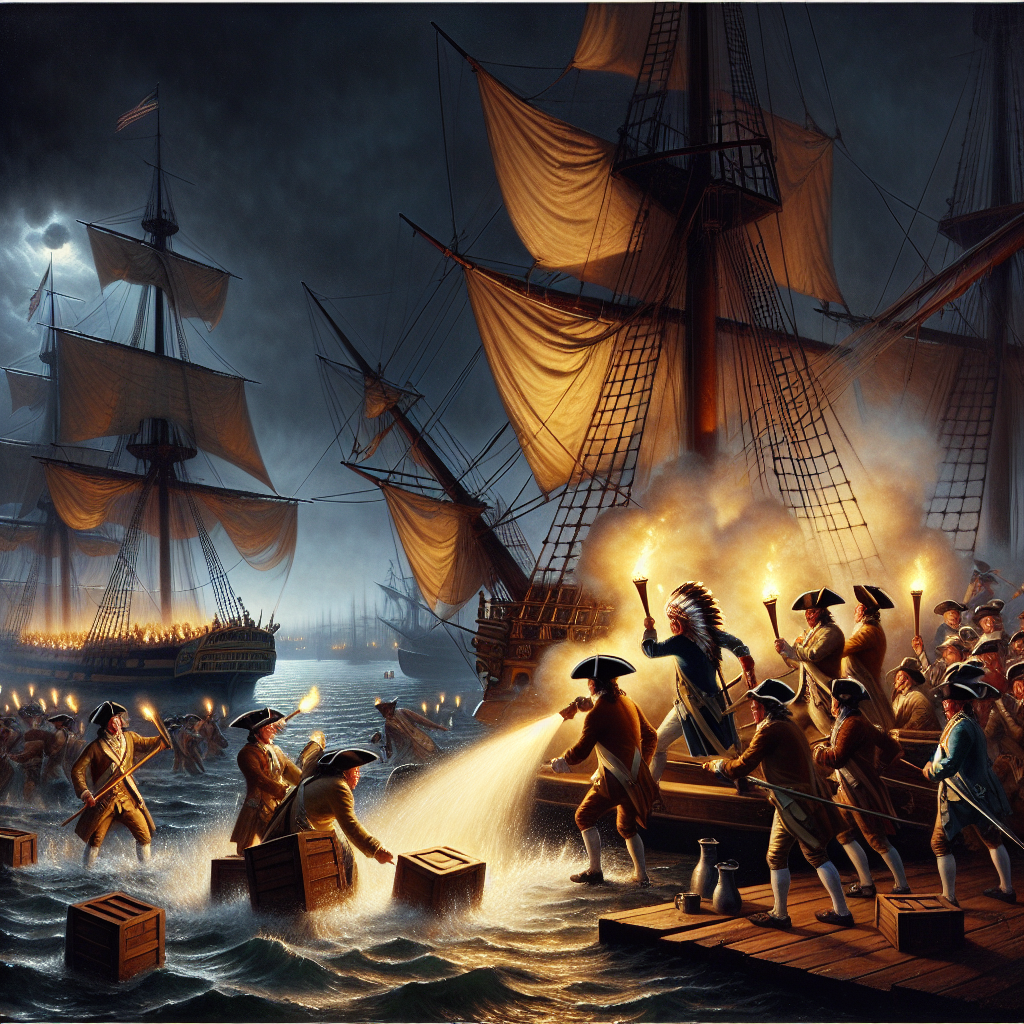
The Boston Tea Party
The 1773 harbor protest that pushed the colonies toward revolution
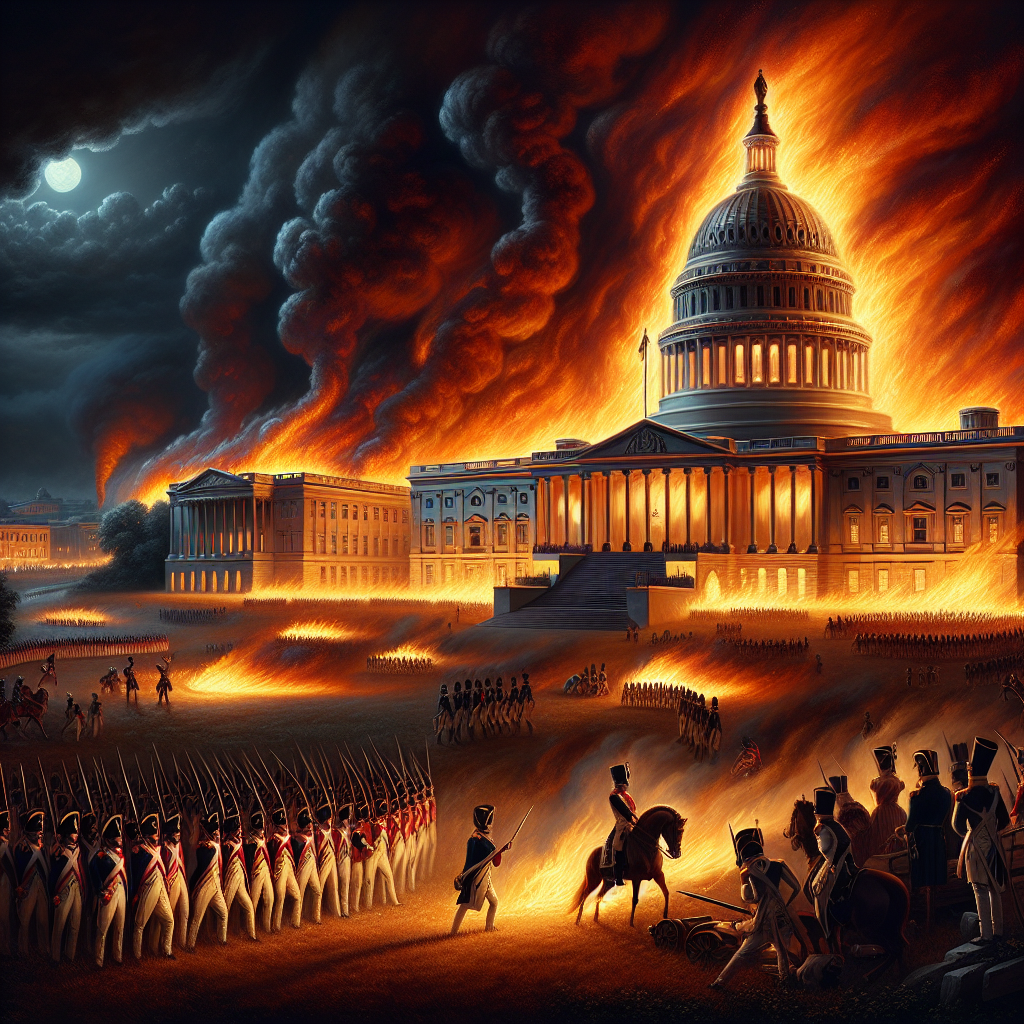
War of 1812
The strange second war with Britain that nobody won — and that made America a nation
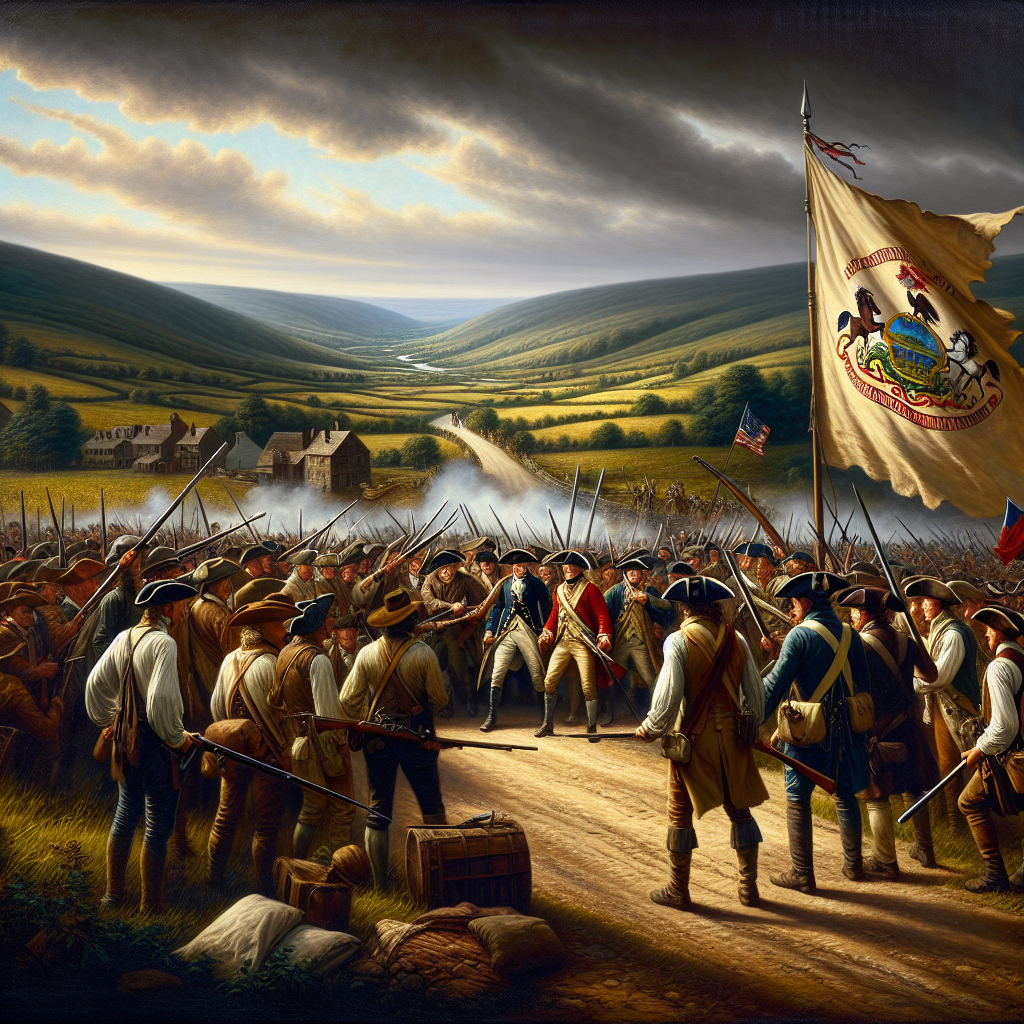
Whiskey Rebellion
The 1794 tax revolt that tested federal authority under the new Constitution
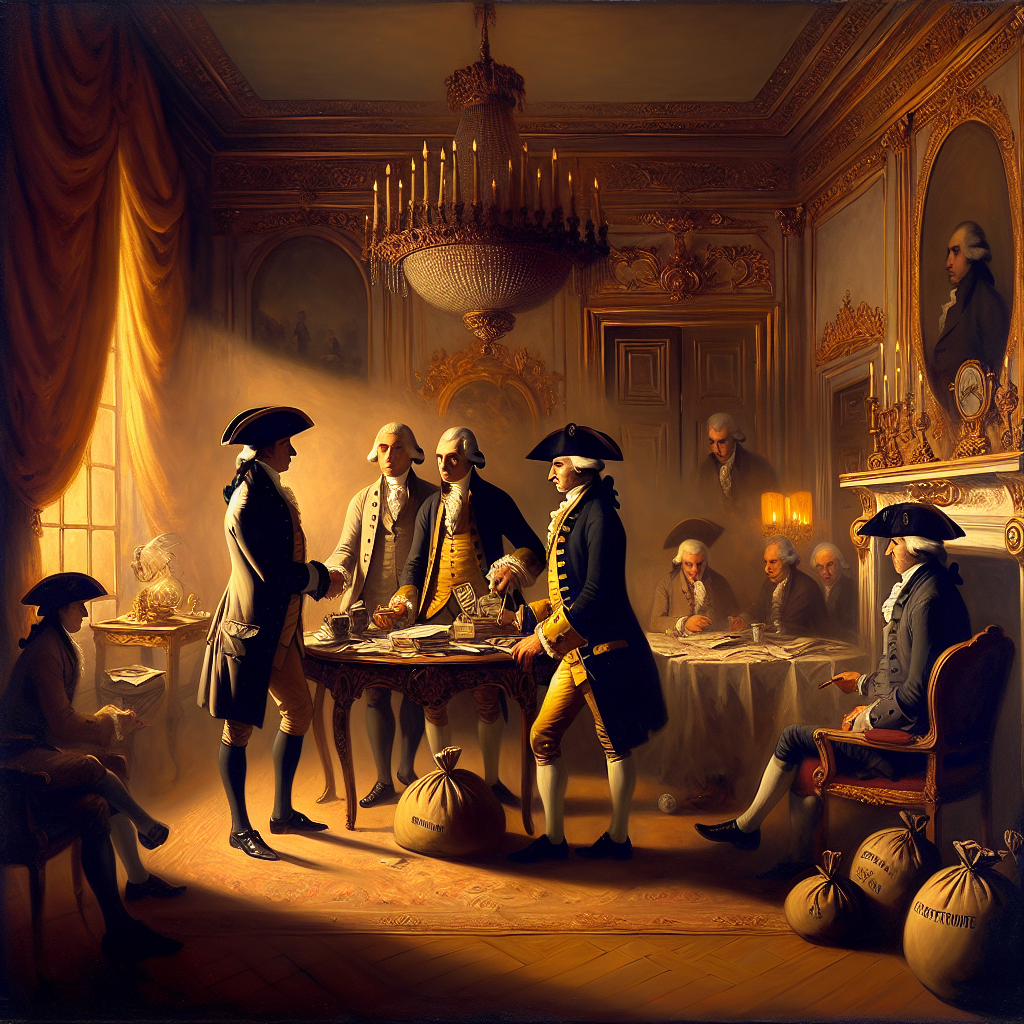
XYZ Affair
The French bribery scandal that nearly dragged the young republic into another war
Documents
(17)
Alien and Sedition Acts
The 1798 laws that tested the limits of free speech and nearly tore the young republic apart
Articles of Confederation
America's first constitution and the document that proved insufficient
Common Sense
Thomas Paine's 1776 pamphlet that made independence a popular cause
Declaration of Independence
The 1776 founding document asserting American independence and natural rights
Give Me Liberty or Give Me Death
Patrick Henry's call to arms, 1775
Marbury v. Madison
The 1803 ruling that established the Supreme Court's power to strike down laws
Mayflower Compact
The 1620 shipboard agreement that planted the seed of American self-governance
Monroe Doctrine
The 1823 declaration that the Western Hemisphere was closed to further European colonization
Northwest Ordinance
The 1787 law that established the framework for American territorial expansion
Stamp Act
The 1765 British tax that turned colonial discontent into revolutionary purpose
Tea Act
The 1773 law that provoked the Boston Tea Party and made revolution inevitable
The Bill of Rights
The first ten amendments to the U.S. Constitution, ratified 1791
The Federalist Papers
The 85 essays that explained the Constitution to a skeptical public — and defined American political thought
The Second Amendment
Twenty-seven words at the center of America's gun debate
Treaty of Paris (1783)
The agreement that ended the Revolutionary War and recognized American independence
U.S. Constitution
The 1787 framework of government that has governed the United States ever since
Washington's Farewell Address
The 1796 letter in which the first president warned against the dangers that would define American history
Concepts
(2)
Puritanism
The theology that named America a chosen nation — and what survived when the faith faded
The Minutemen
The citizen-soldiers who answered the alarm at a minute's notice
Organizations
(3)
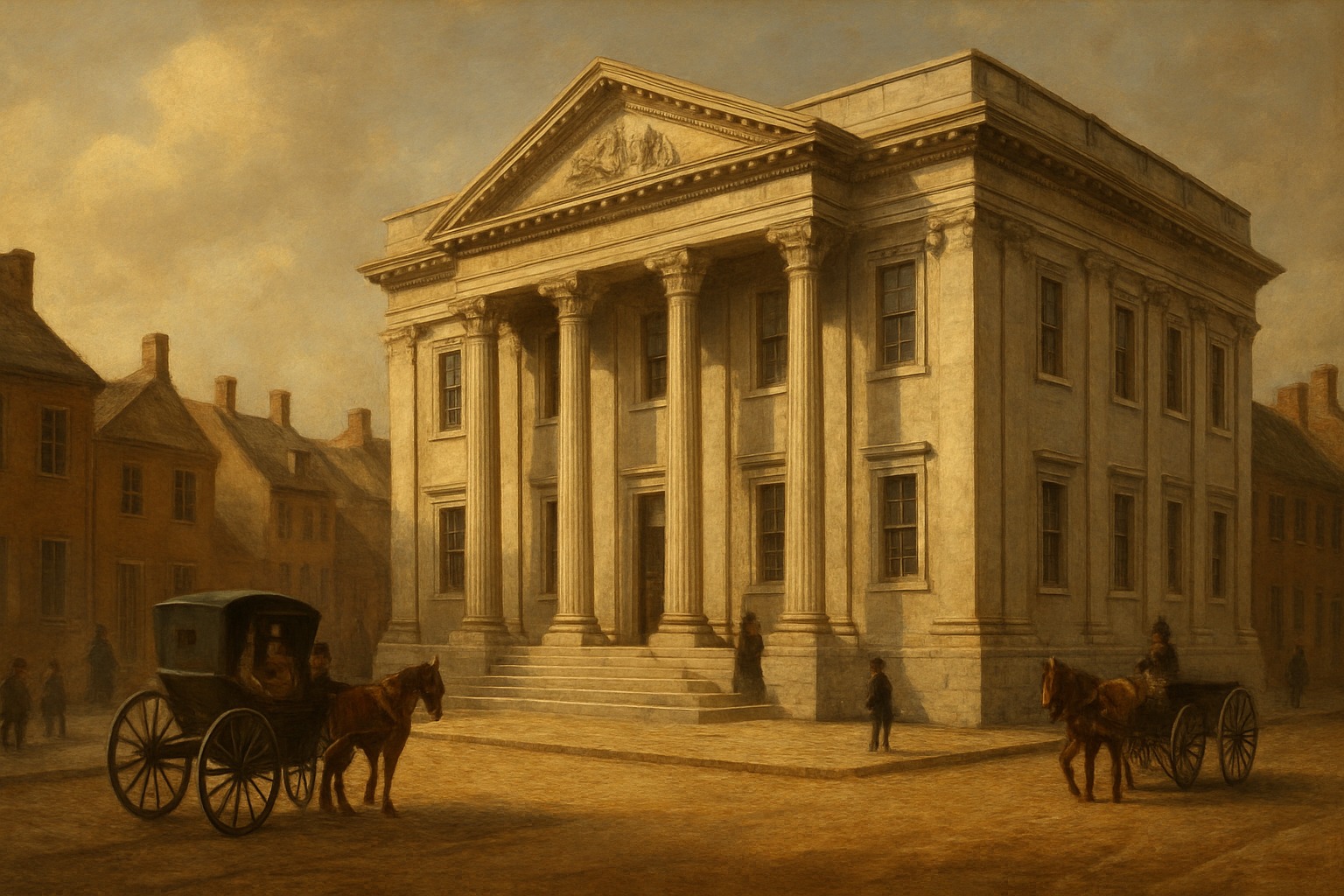
The First Bank of the United States
Hamilton's 1791 experiment in national finance — and the fight it started
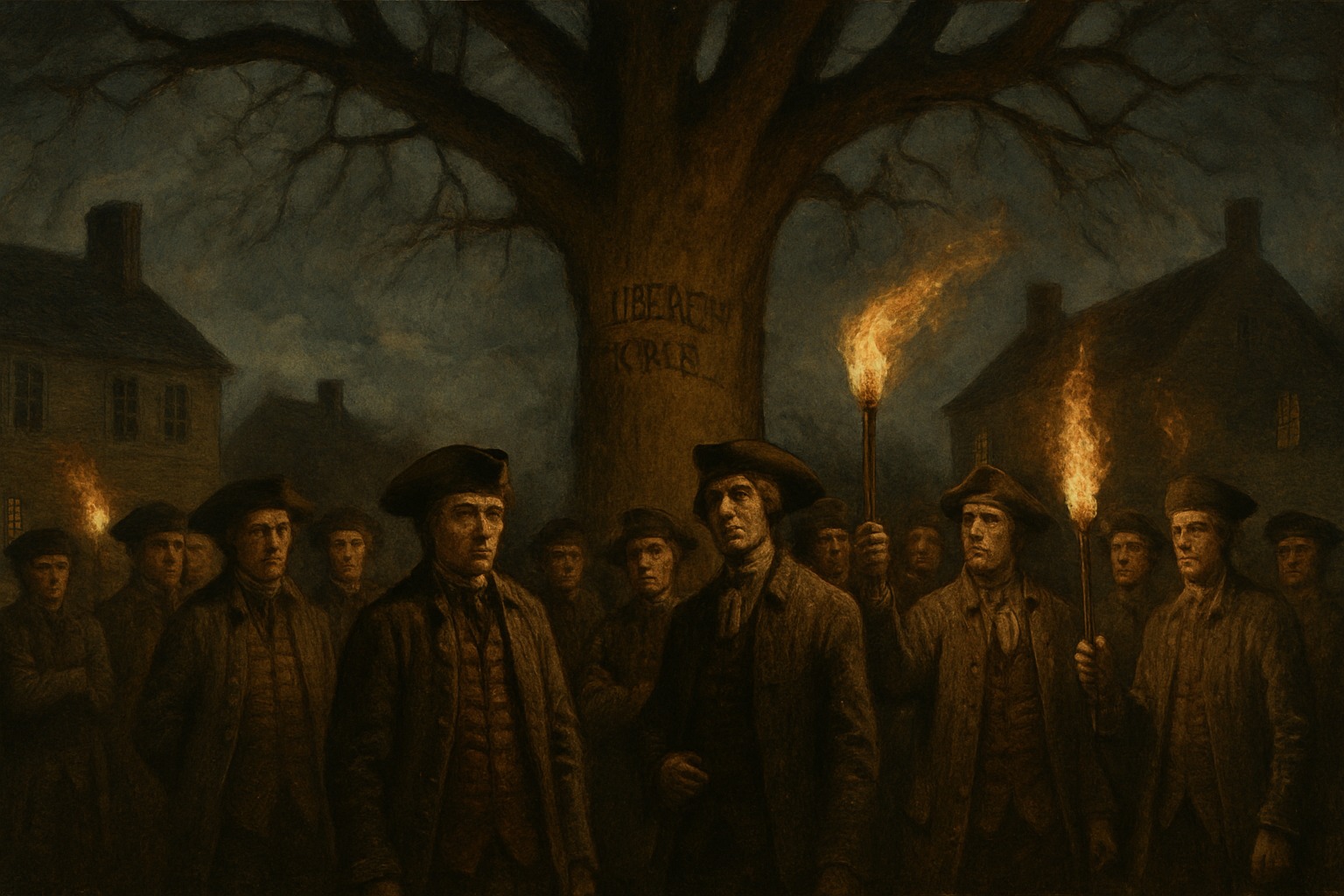
The Sons of Liberty
The secret agitators who lit the fuse of the American Revolution, 1765
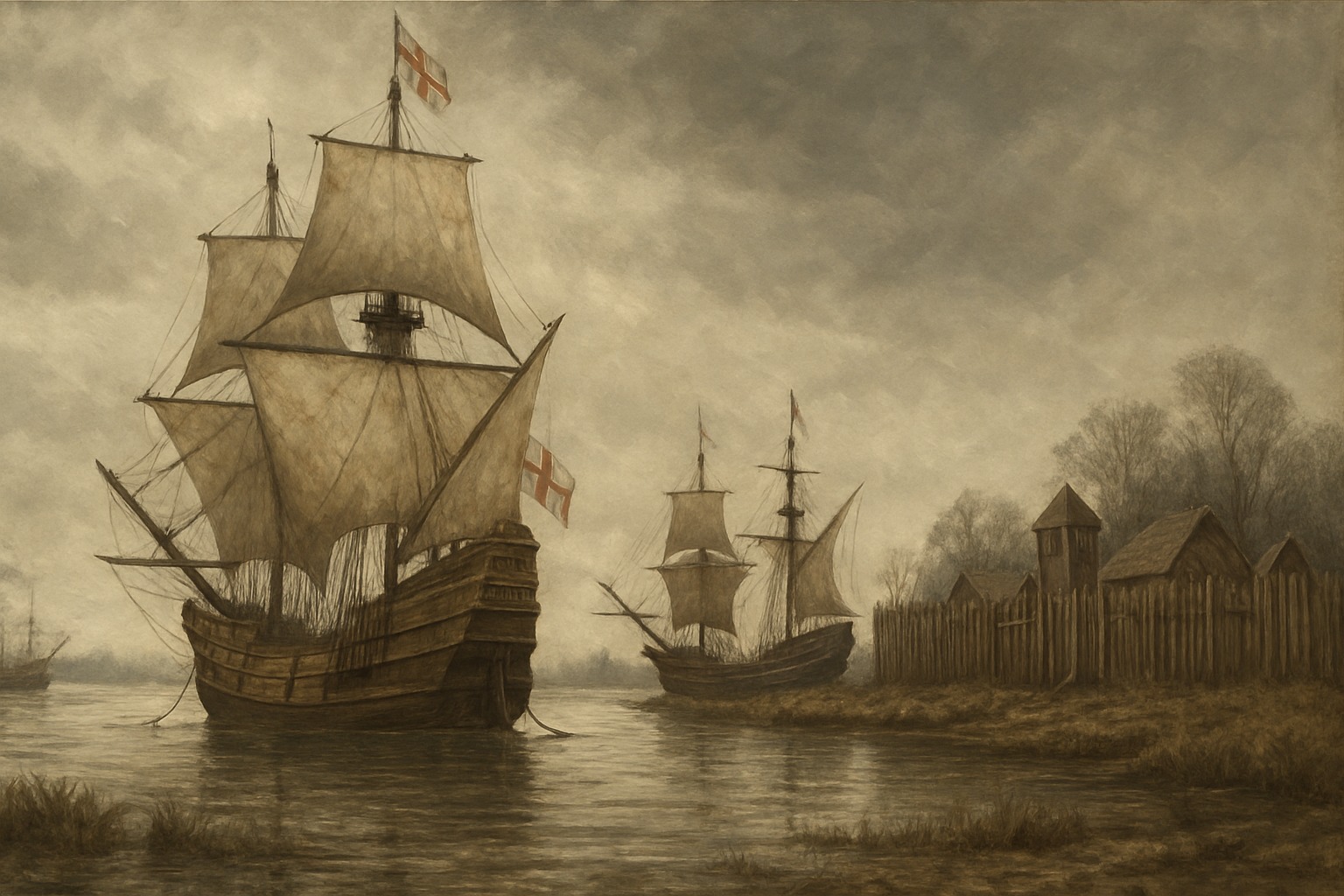
The Virginia Company
The joint-stock venture that founded Jamestown — and seeded corporate America
Symbols
(4)
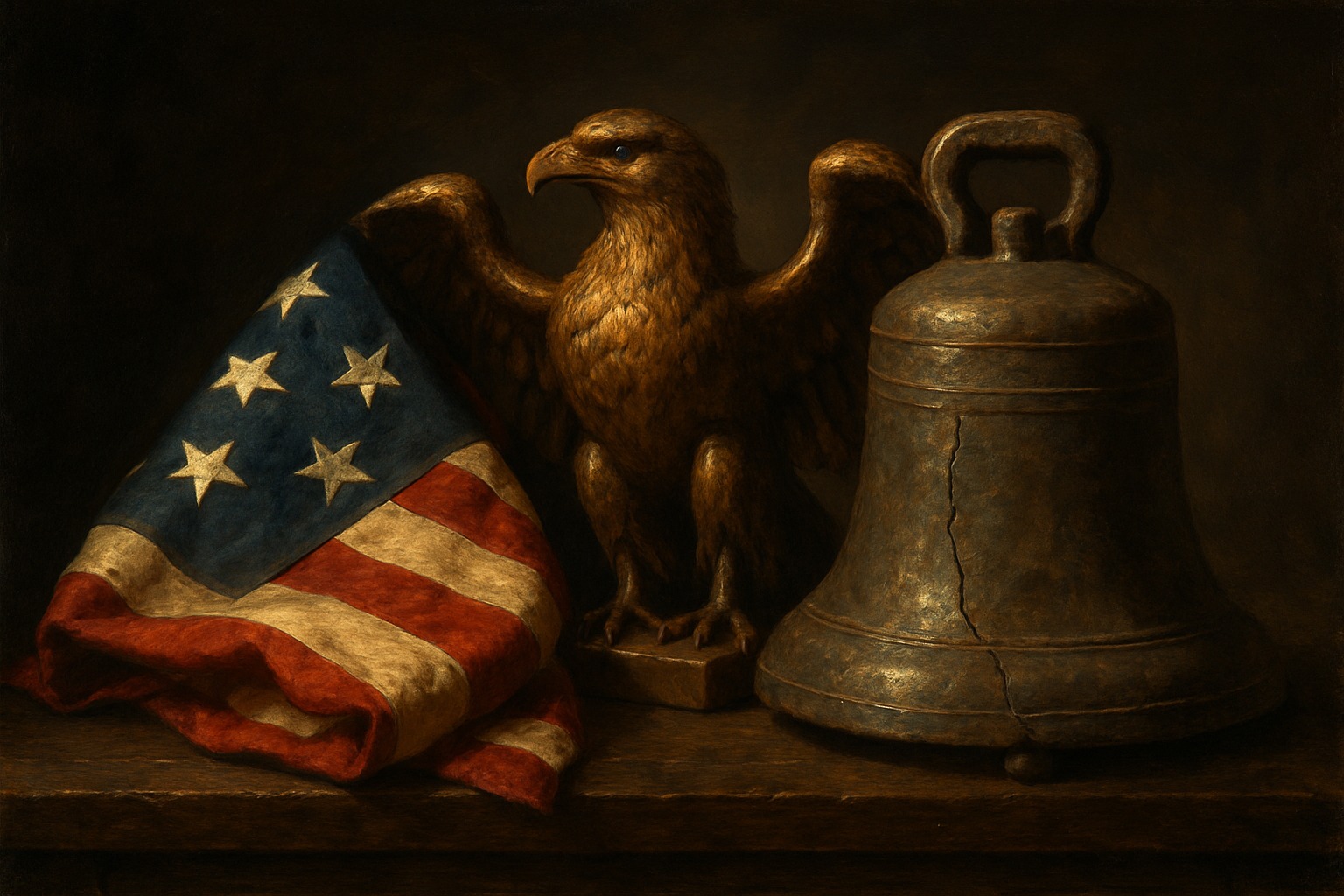
National Symbols of the United States
The flag, the eagle, and the emblems that stand in for the nation
The American Flag
The Stars and Stripes, from the 1777 Flag Resolution to Old Glory
The Bald Eagle
The national bird and living emblem of the United States
The Great Seal of the United States
The eagle, the motto, and the unfinished pyramid of the republic
All Tags
Politics
169
Economy
147
Military
115
Presidency
113
Civil Rights
112
Reform
111
Law & Justice
99
Founding Era
95
Foreign Policy
90
Race
82
Constitution
74
Industry
71
Science & Technology
71
Cold War
62
Civil War
61
Protest
58
Westward Expansion
57
Arts & Culture
56
Revolution
55
Slavery
54
Women
51
War
49
Modern America
46
Indigenous
42
Diplomacy
41
Media & Press
38
Labor
33
Immigration
31
Supreme Court
30
Religion
29
Environment
28
Congress
28
World War II
28
Exploration
24
Disaster
22
Reconstruction
22
Abolition
21
Progressive Era
21
Finance
20
Democracy
19
Assassination
15
Education
14
Colonial America
13
Gilded Age
12
Public Health
12
Suffrage
11
World War I
8
Sports
8
Corruption
8
Prohibition
1