James Monroe
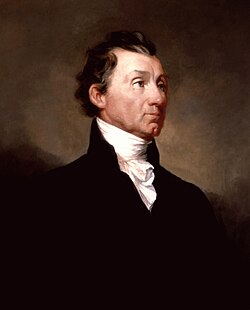
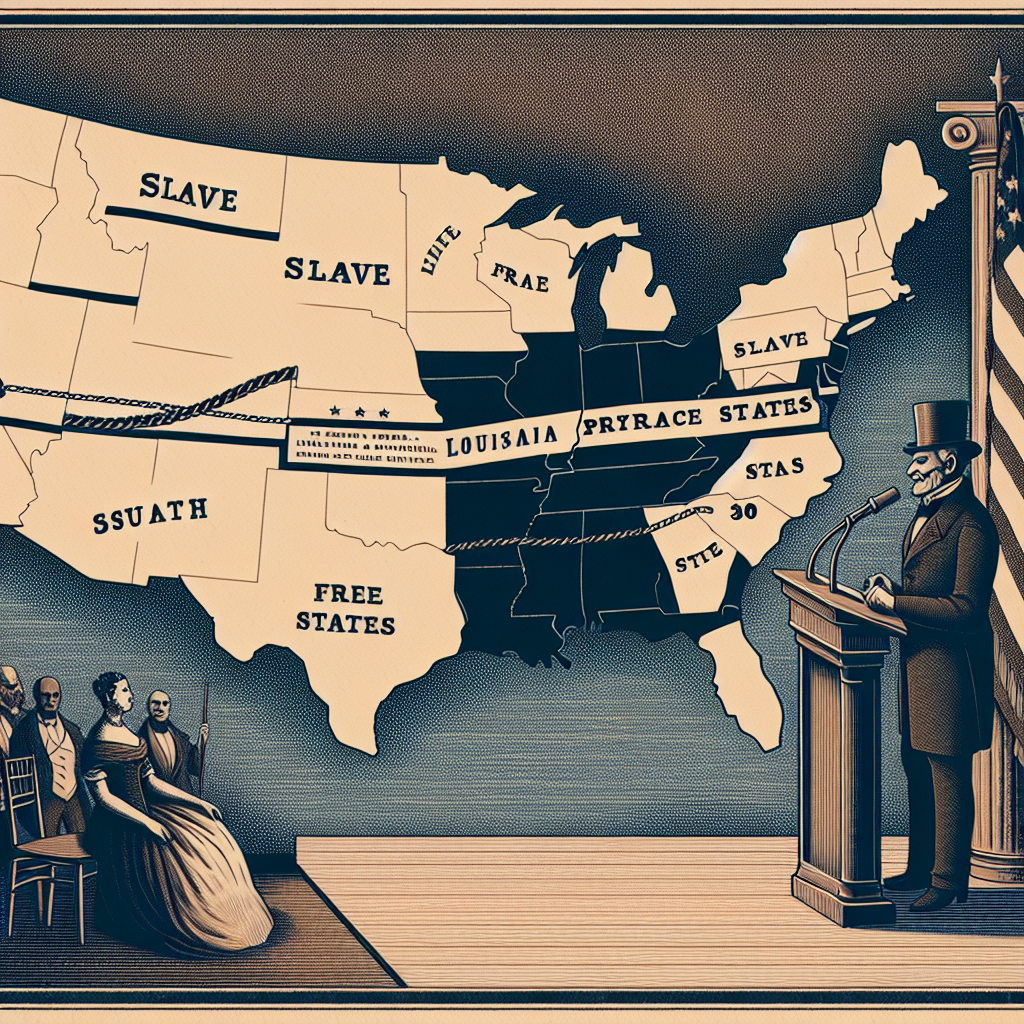
James Monroe's presidency is remembered as the "Era of Good Feelings" — a label that is both accurate and misleading. Accurate because Monroe ran virtually unopposed for re-election in 1820, winning every electoral vote but one, at a moment when the Federalist Party had collapsed and a genuine sense of national unity prevailed after the War of 1812. Misleading because beneath that surface calm, the tensions that would eventually fracture the republic — over slavery, tariffs, and the balance of sectional power — were already building to the pressure that produced the Missouri Compromise crisis of 1820.
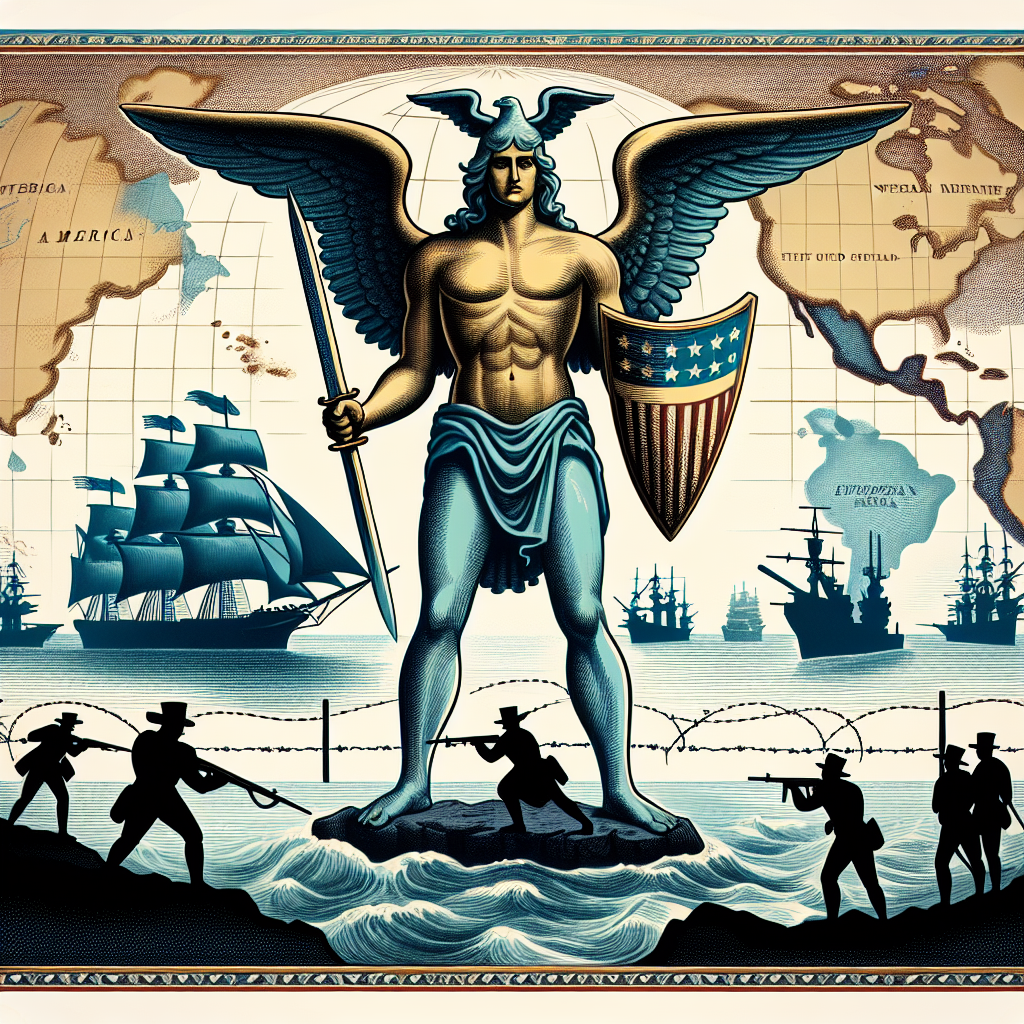
Monroe's most consequential act was the doctrine that bears his name, delivered to Congress in December 1823. The Monroe Doctrine declared that the Western Hemisphere was closed to further European colonization and that any attempt by European powers to extend their political systems to the Americas would be regarded as a threat to American peace and safety. It was, at the time, largely a bluff — the United States had neither the navy nor the army to enforce it. Britain's Royal Navy, which wanted open trade with Latin America, was the actual enforcer. But the doctrine established a claim to hemispheric primacy that American foreign policy has invoked ever since.
Monroe was the last president to have served in the Revolutionary War, the last to wear the knee breeches and powdered wig of the founding generation, and the last to treat the presidency as a continuation of that founding project. With him, the first generation of American leadership passed from the scene, and the more fractious, more democratic, more explicitly sectional politics of Andrew Jackson's era began. The transition from Monroe to Jackson is the transition from the republic the founders imagined to the democracy they had inadvertently created.

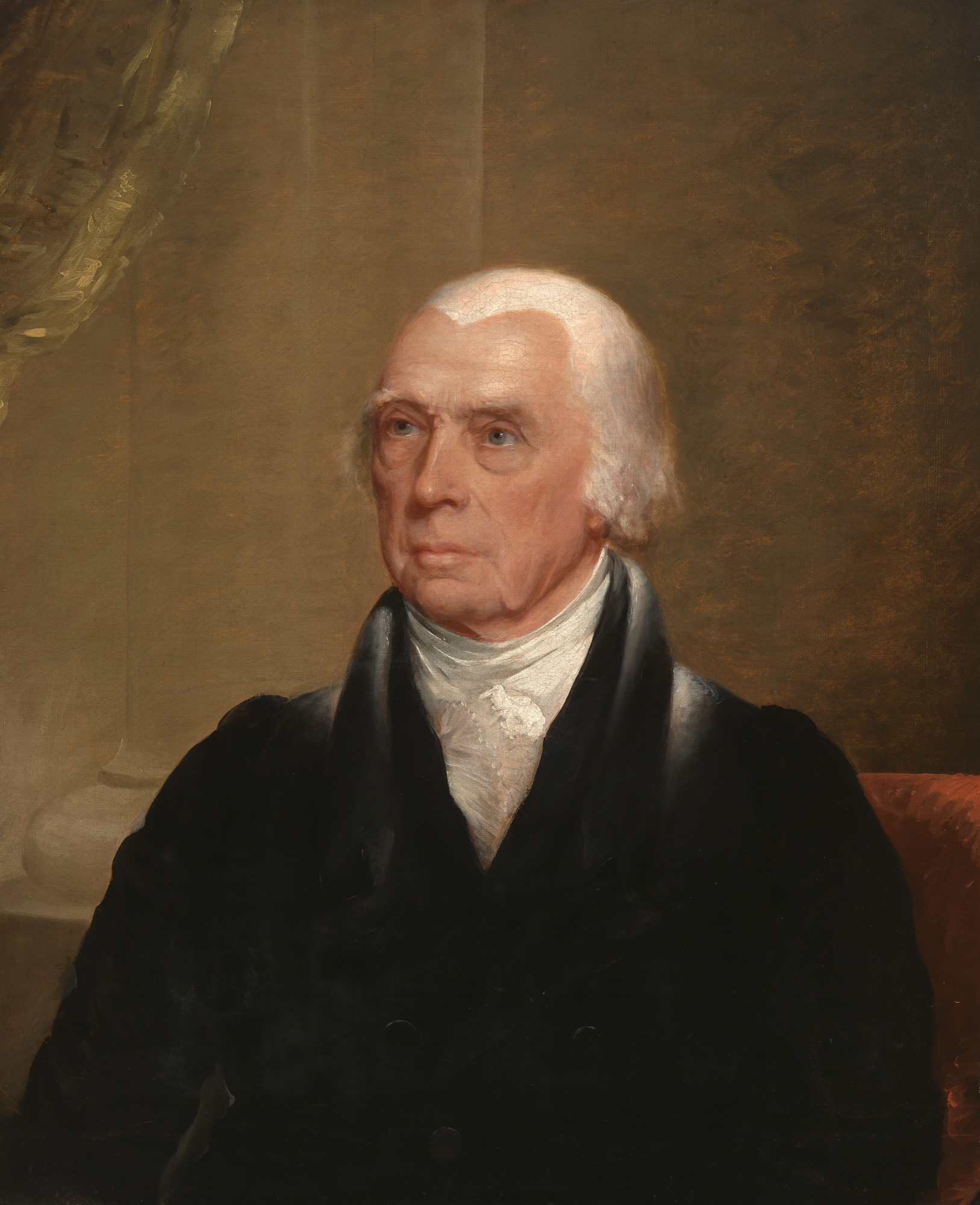
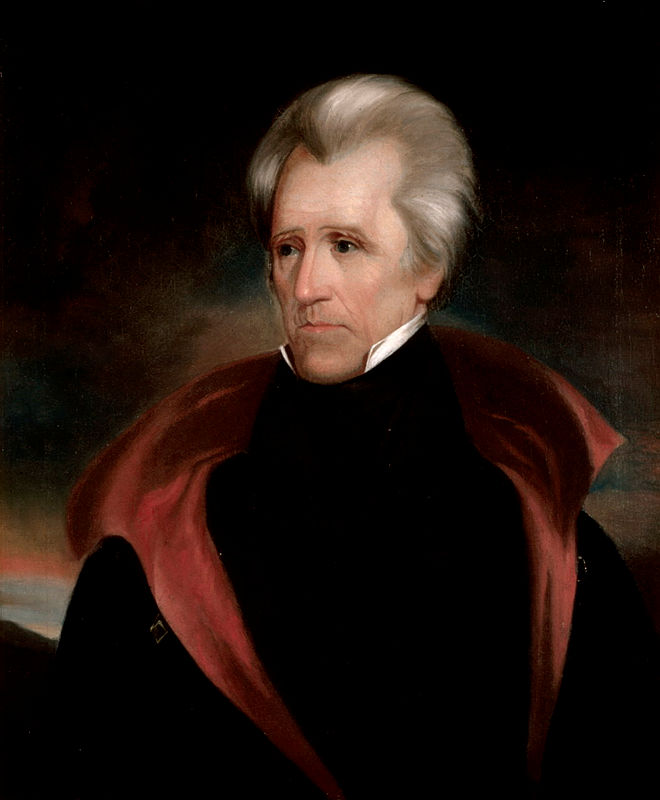
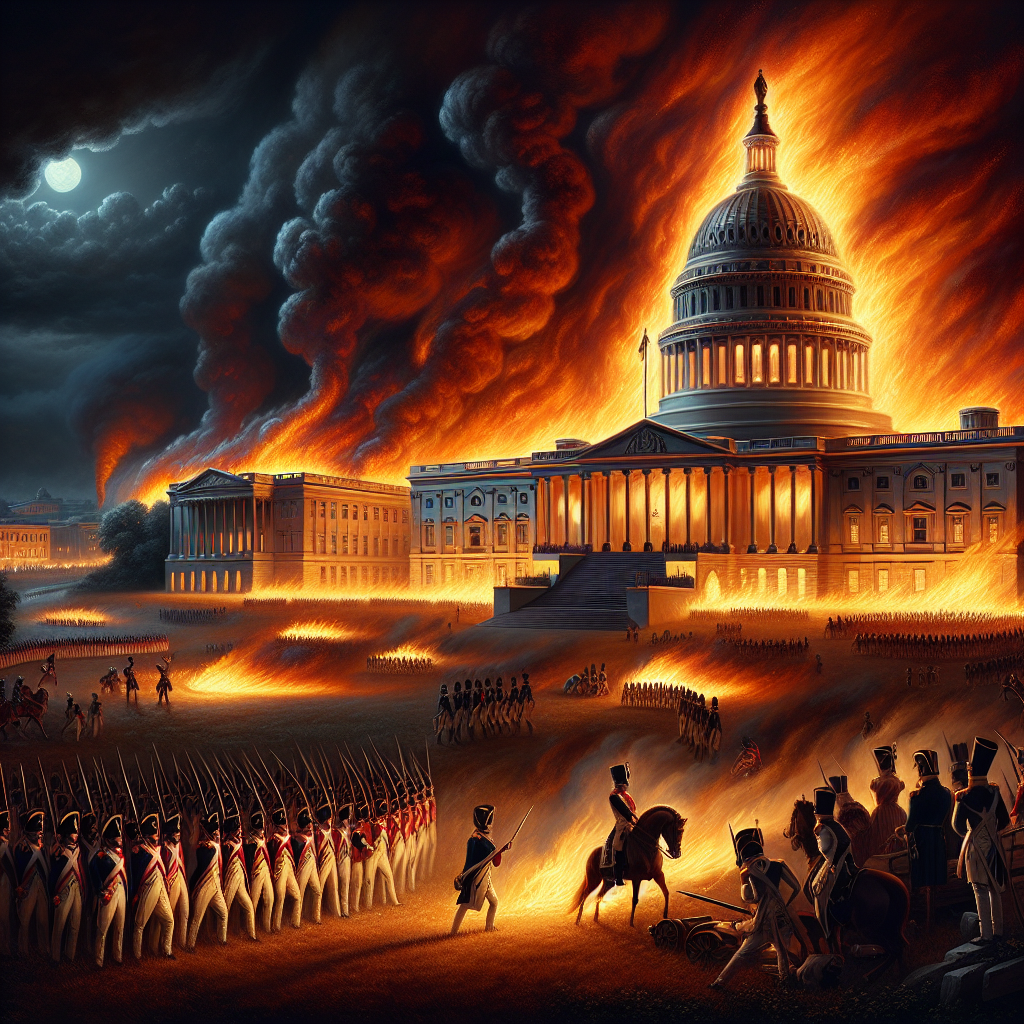

| Born | April 28, 1758 — Westmoreland County, Virginia |
| Died | July 4, 1831 — New York City |
| Term | March 4, 1817 – March 4, 1825 |
| Party | Democratic-Republican |
| Preceded by | James Madison |
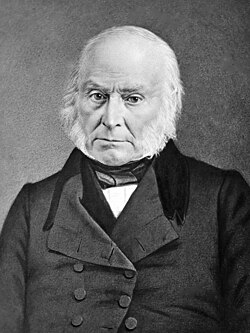
| Succeeded by | John Quincy Adams |
| Key Act | Monroe Doctrine, December 2, 1823 |
| Years | 1758–1831 |
| Location | Washington, D.C. |