The Boston Tea Party
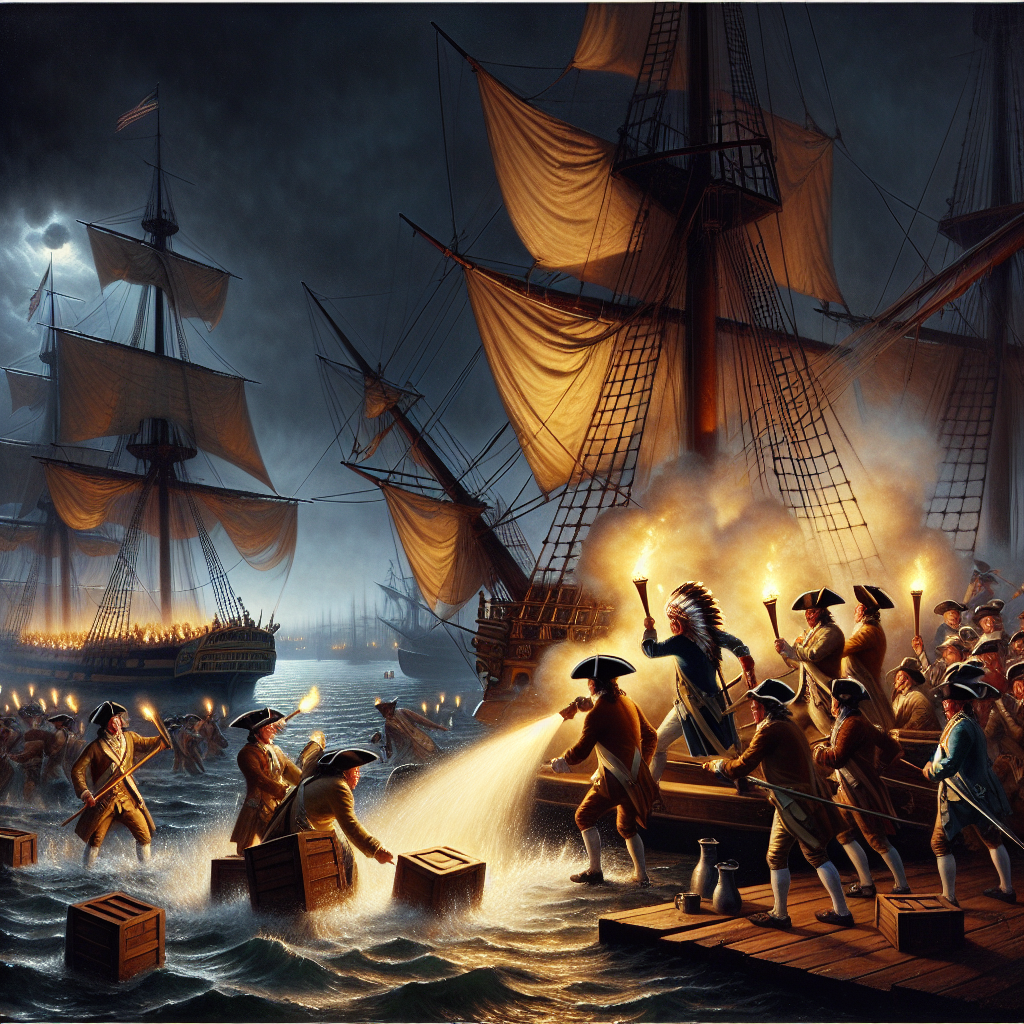
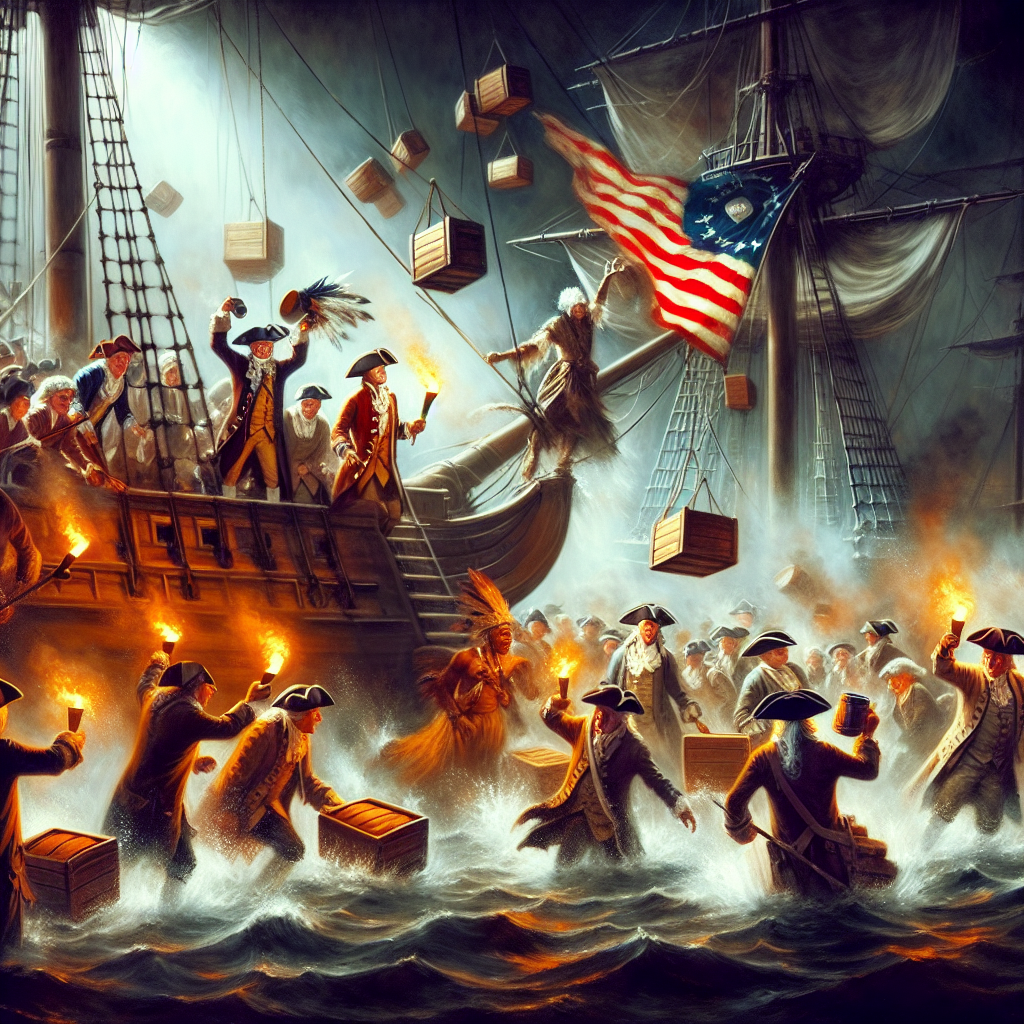
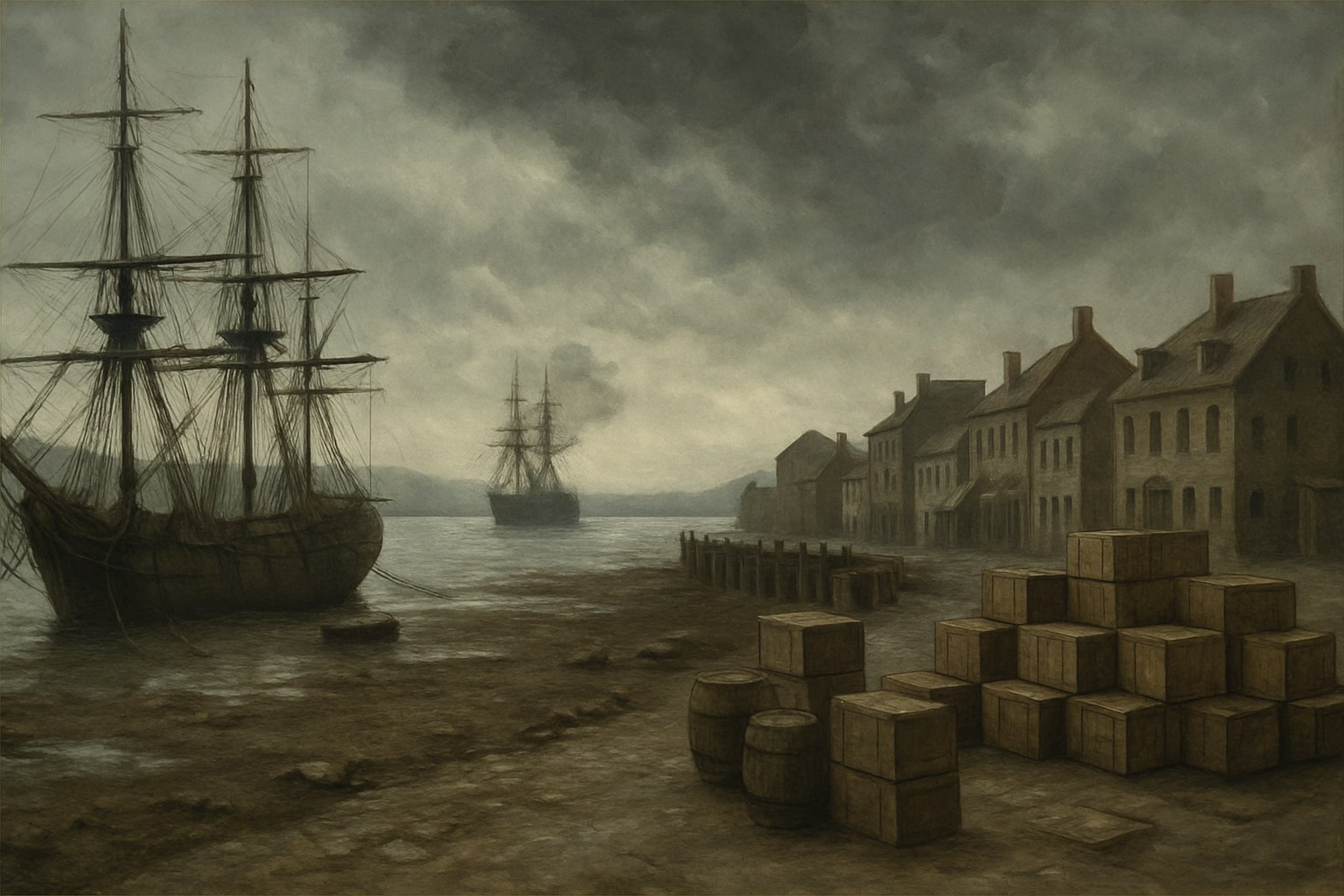
On the night of December 16, 1773, some 116 men disguised as Mohawk Indians boarded three merchant ships in Boston Harbor and methodically destroyed 342 chests of British East India Company tea — roughly 92,000 pounds worth about £10,000. The action lasted three hours. They swept the decks clean when they were done. It was not a riot; it was a deliberate political statement, and the British government's response to it made American independence very nearly inevitable.
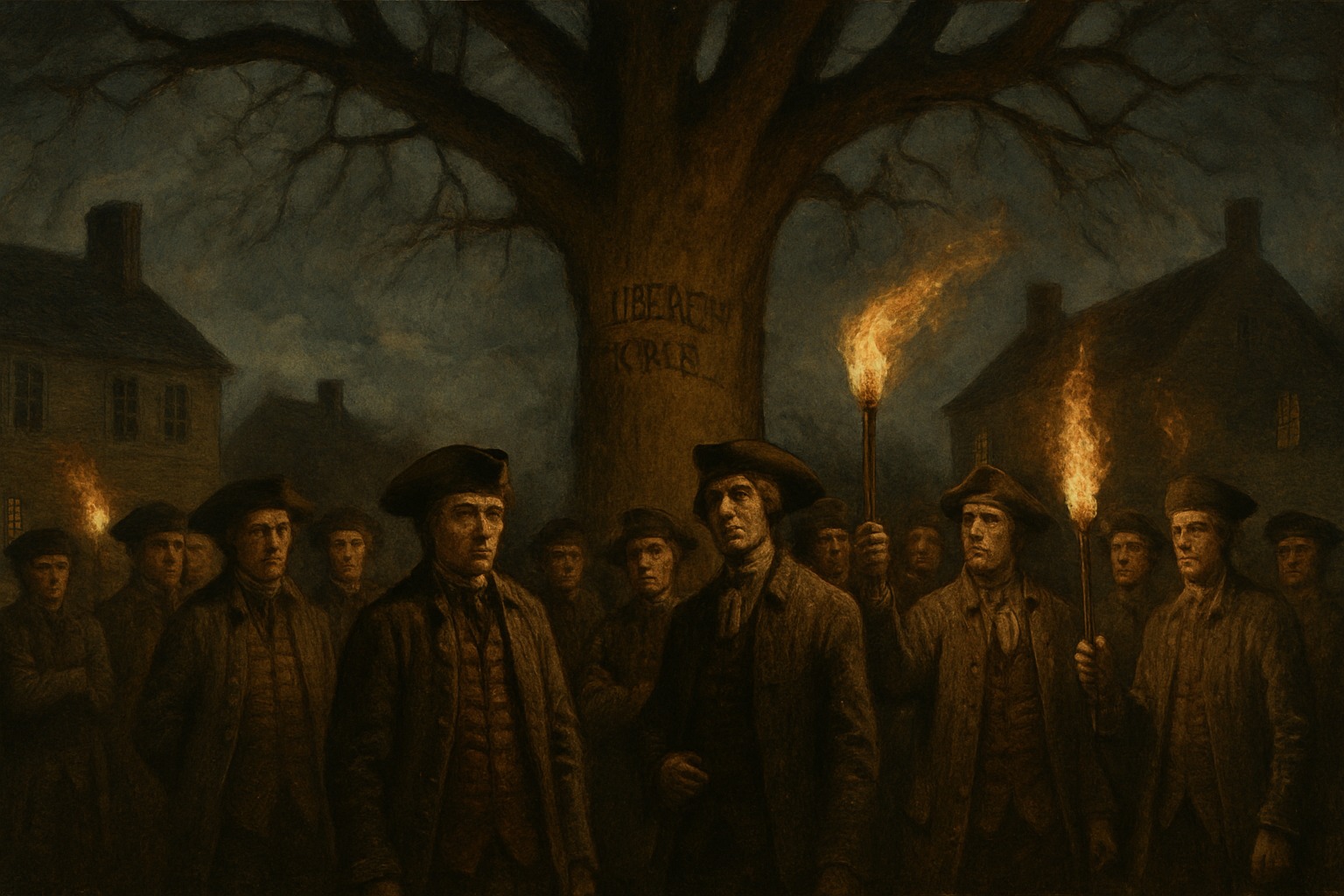
The Tea Act of 1773 had actually lowered the price of tea in the colonies while granting the East India Company a monopoly — but it also reaffirmed Parliament's right to tax without colonial representation. Boston's Sons of Liberty understood that the principle was the point. Parliament's answer — the Coercive Acts, which colonists called the Intolerable Acts — closed Boston Harbor, dissolved Massachusetts self-government, and unified colonial opposition in ways that the Tea Party alone never could have. The British overreaction transformed a local protest into a continental cause.
The event was barely called the "Tea Party" until the 1820s. Participants kept quiet about their involvement for decades, fearing prosecution. John Adams thought the destruction of private property was regrettable but the principle essential; Benjamin Franklin offered to personally reimburse the East India Company. The protest's place in American mythology grew with each passing generation, becoming the founding shorthand for taxpayer rebellion — a role that tells us more about subsequent American politics than about December 1773.



| Date | December 16, 1773 |
| Location | Boston Harbor, Massachusetts |
| Tea Destroyed | 342 chests — approx. 92,000 lbs |
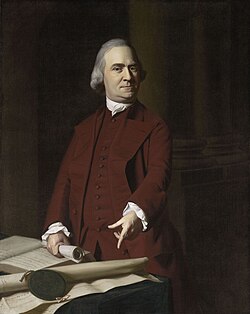
| Organized by | Sons of Liberty (Samuel Adams) |
| British Response | Coercive Acts (Intolerable Acts), 1774 |
| Participants | Est. 116 men |
| Date | December 16, 1773 |
| Location | Boston, Massachusetts |