Paul Revere
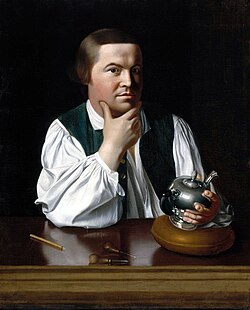
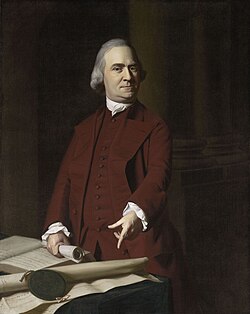
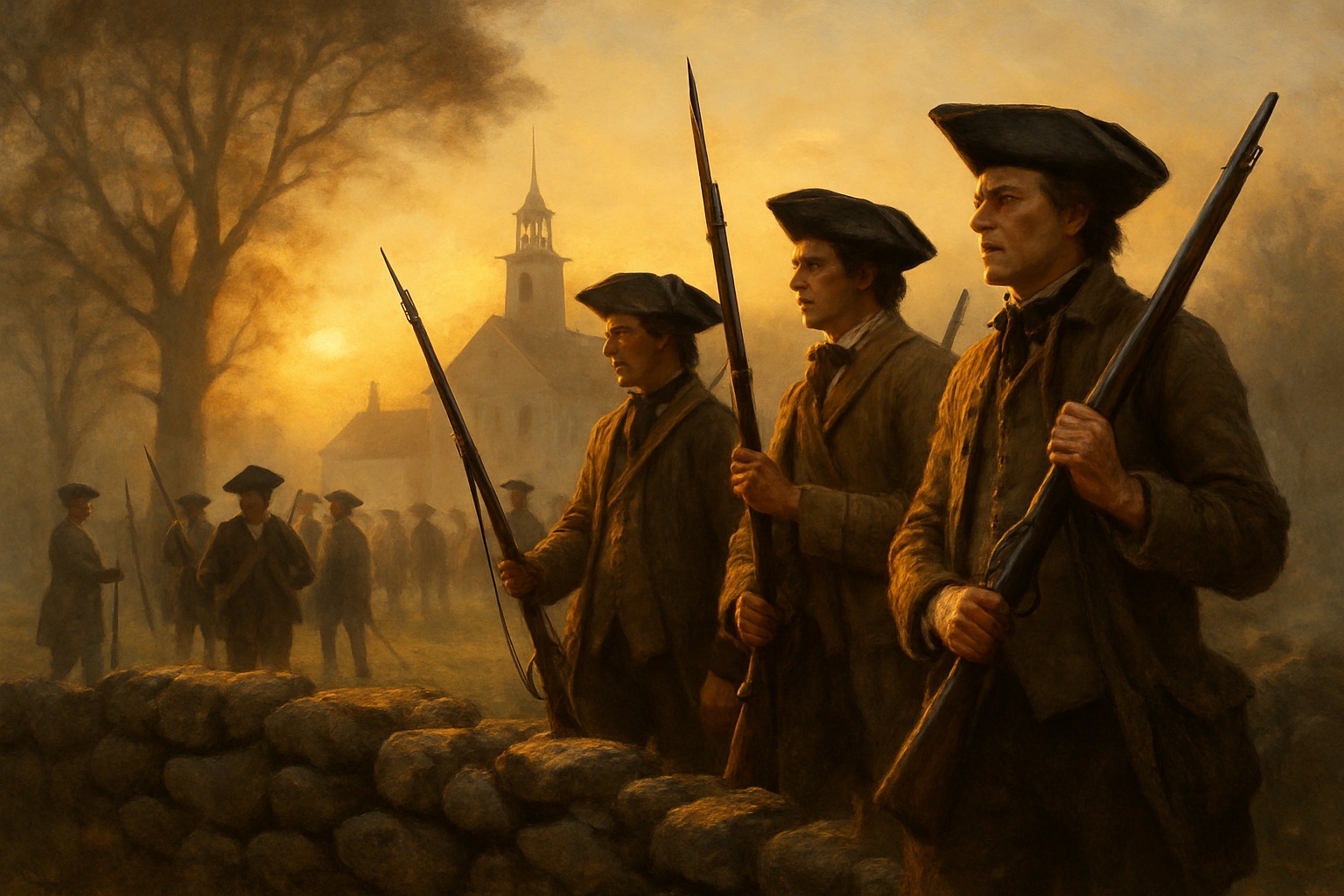
Paul Revere was a master silversmith, a prosperous Boston tradesman, and one of the most tireless political operatives in pre-Revolutionary Massachusetts — and almost none of that is what he is remembered for. On the night of April 18, 1775, he rode from Boston to Lexington to warn Samuel Adams and John Hancock that British regulars were marching. The ride took less than two hours. Henry Wadsworth Longfellow turned it into mythology in 1861, and the mythology has been so durable that correcting it feels almost rude.
The corrections are worth making. Revere was one of three riders that night — William Dawes and Samuel Prescott also carried the alarm — and Revere was actually captured by a British patrol before reaching Concord. Prescott completed the full route. Revere himself never said "The British are coming" because most colonists still considered themselves British; the actual warning was that the Regulars were out. None of this diminishes what he accomplished. His network of riders, his work organizing the Sons of Liberty, and his engraving of the Boston Massacre made him one of the Revolution's most effective propagandists and organizers.
Revere's silverwork — teapots, bowls, tankards, and church bells — stands among the finest American craft of the 18th century, and his Paul Revere Bell Foundry supplied church bells across New England for decades after the war. He lived to 83, longer than almost any other founder of his generation, and died in 1818 having watched the republic he helped create survive its first four decades intact — a thing he had no particular reason to expect on the night of April 18, 1775.

| Born | January 1, 1735 — Boston, Massachusetts |
| Died | May 10, 1818 — Boston, Massachusetts |
| Occupation | Silversmith, engraver, industrialist |
| Famous Ride | Night of April 18–19, 1775 |
| Destination | Lexington, Massachusetts |
| Political Role | Sons of Liberty organizer; Boston Committee of Correspondence |
| Longfellow Poem | "Paul Revere's Ride" (1861) — historically embellished |
| Years | 1735–1818 |
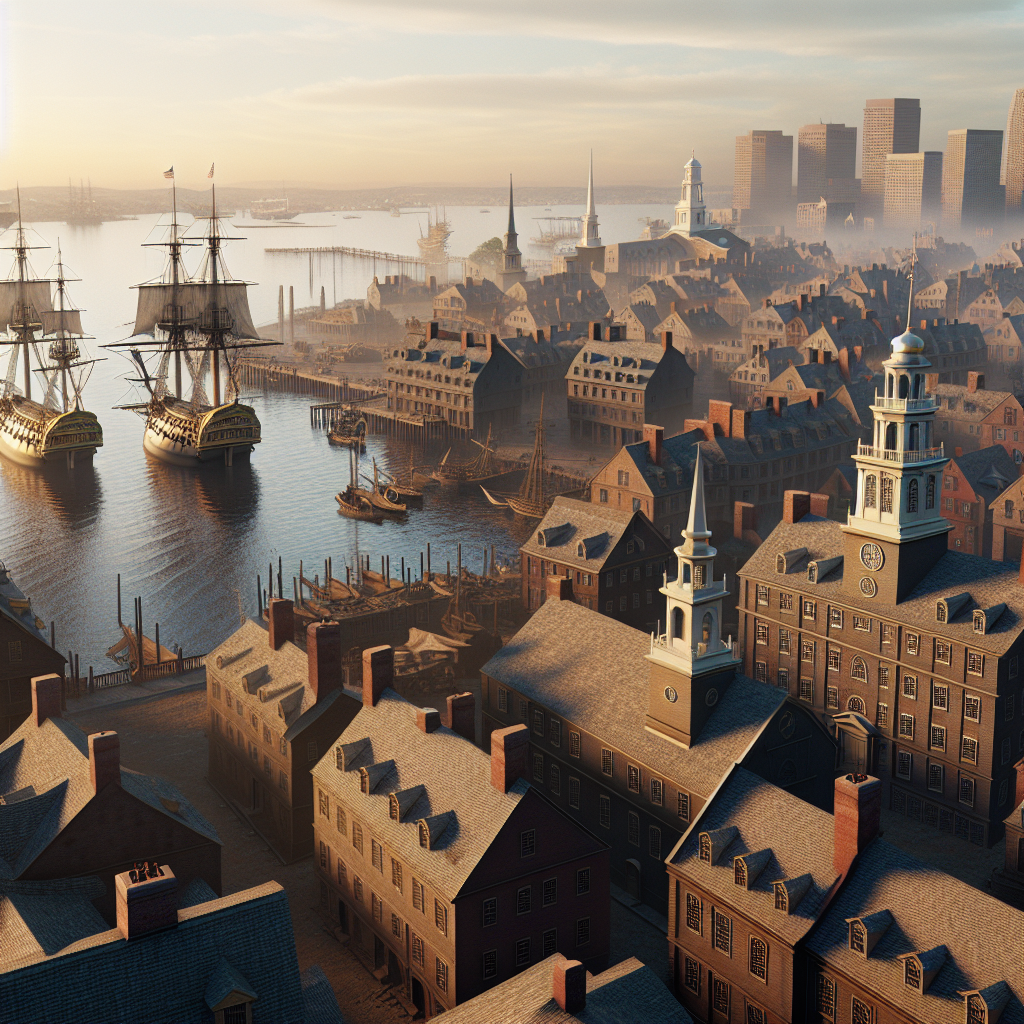
| Location | Boston, Massachusetts |