John Hancock
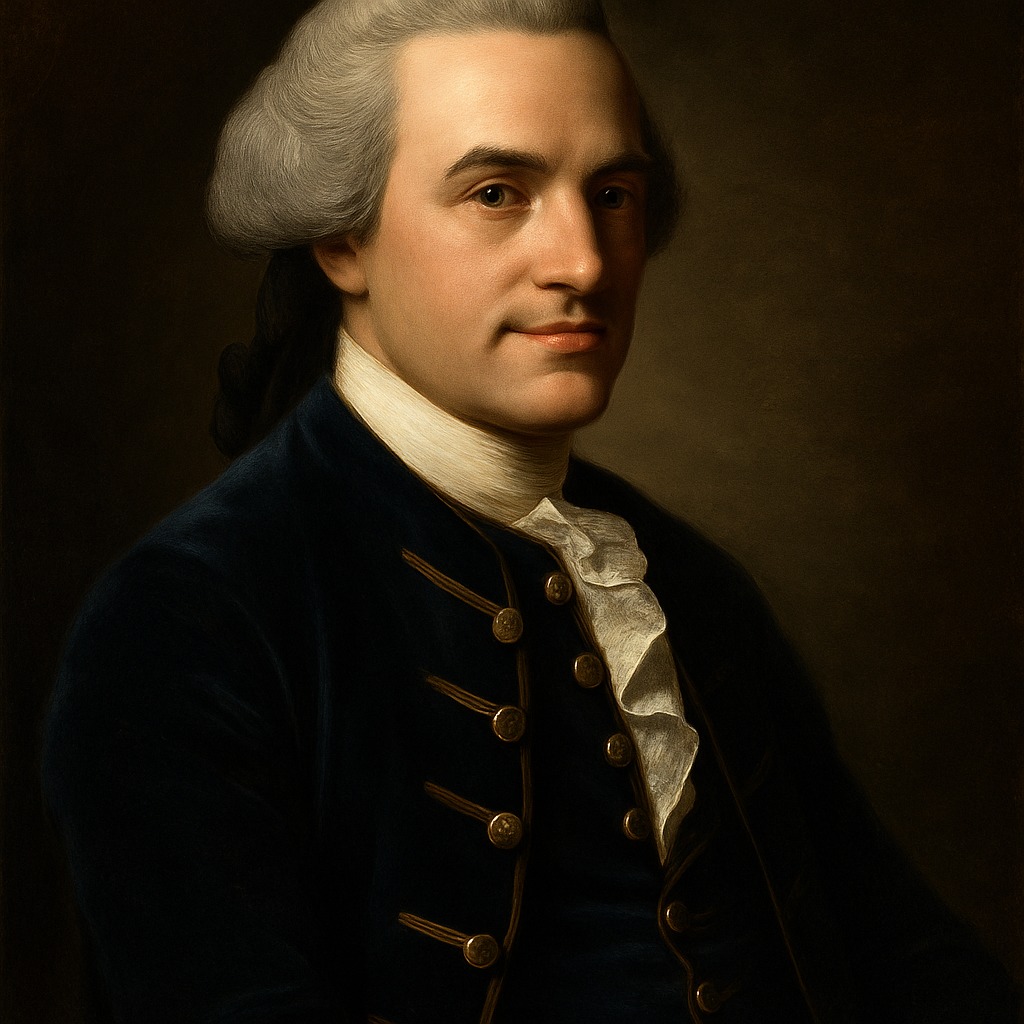
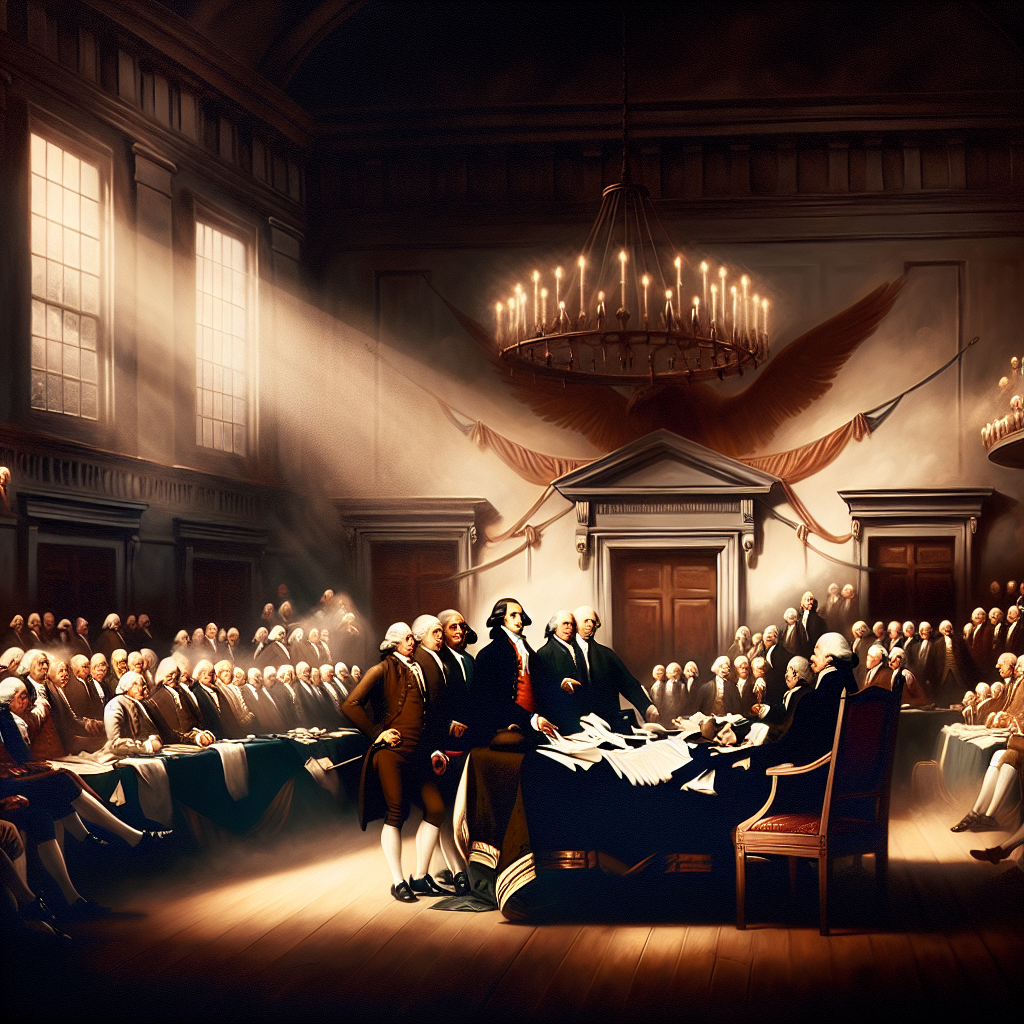
John Hancock wrote his name across the Declaration of Independence so large that, by legend, he wanted King George III to read it without his spectacles. The flourish turned his name into the American synonym for a signature — but Hancock was no mere autograph. One of the wealthiest merchants in the colonies, he bankrolled and led Boston's resistance to British rule, and as president of the Second Continental Congress he was the first to sign the document that declared a new nation.
Hancock's smuggling fortune and his run-ins with British customs made him a marked man years before 1776; his sloop Liberty became a flashpoint in Boston. Presiding over Congress from 1775 to 1777, he put his name and his money behind a rebellion that could have ended on a gallows. After independence he served nine terms as governor of Massachusetts and helped steer the state toward ratifying the Constitution.
For all his prominence in his own lifetime, Hancock is remembered today mostly for the signature — a fame both earned and reductive. The man behind it took on enormous personal risk at the moment the cause most needed visible, propertied leaders willing to commit treason in public.


| Born | January 23, 1737 — Braintree, Massachusetts |
| Died | October 8, 1793 — Quincy, Massachusetts |
| Role | President of the Continental Congress, 1775–1777 |
| Known for | First and largest signature on the Declaration of Independence |
| Later | Governor of Massachusetts (nine terms) |
| Years | 1737–1793 |
| Location | Boston, Massachusetts |