Boston
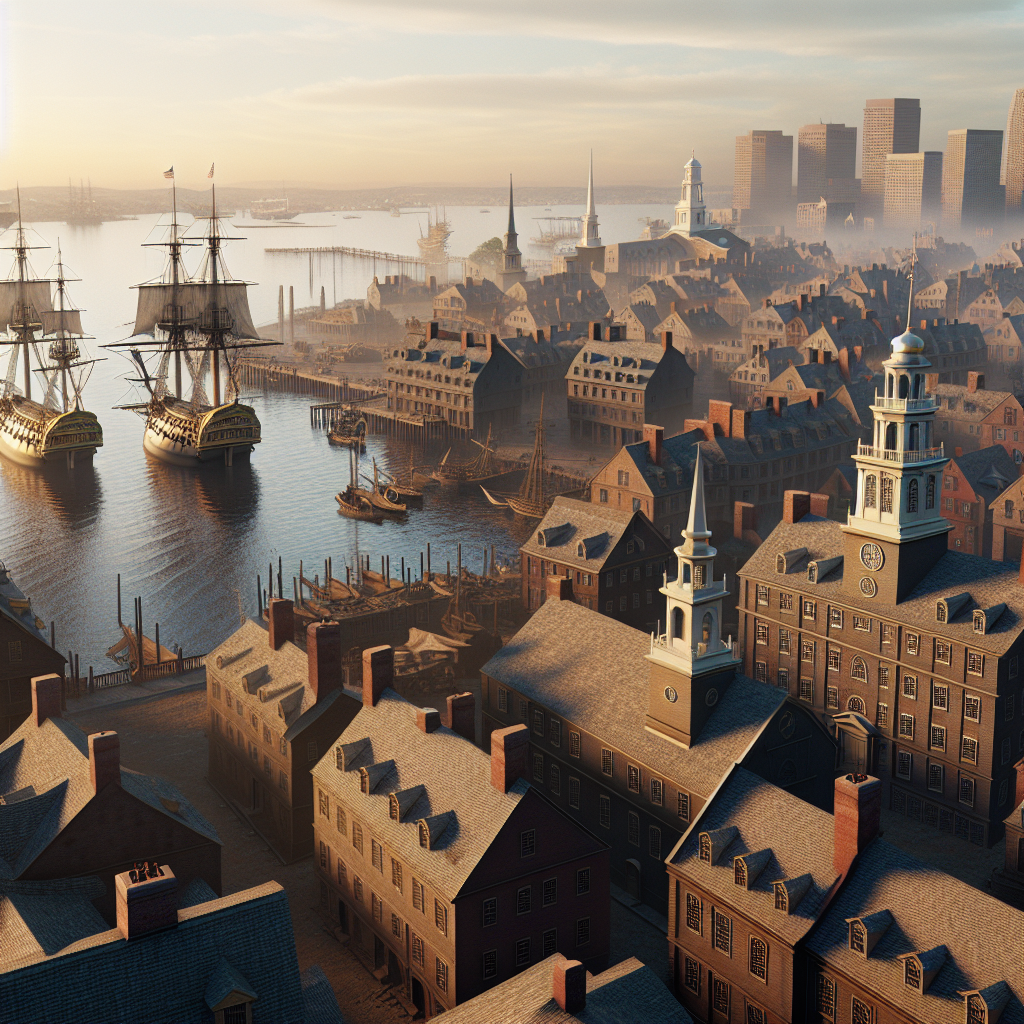
Boston has started more American arguments than perhaps any other city. It was here that colonists hurled tea into the harbor, here that the shots of revolution first rang out on Lexington Road, and here that abolitionists, Catholic immigrants, and labor organizers transformed what the Puritans had imagined as a "city upon a hill" into something far messier, more contentious, and more alive. For a city of fewer than 700,000 people, Boston's influence on the American story is almost comically disproportionate.
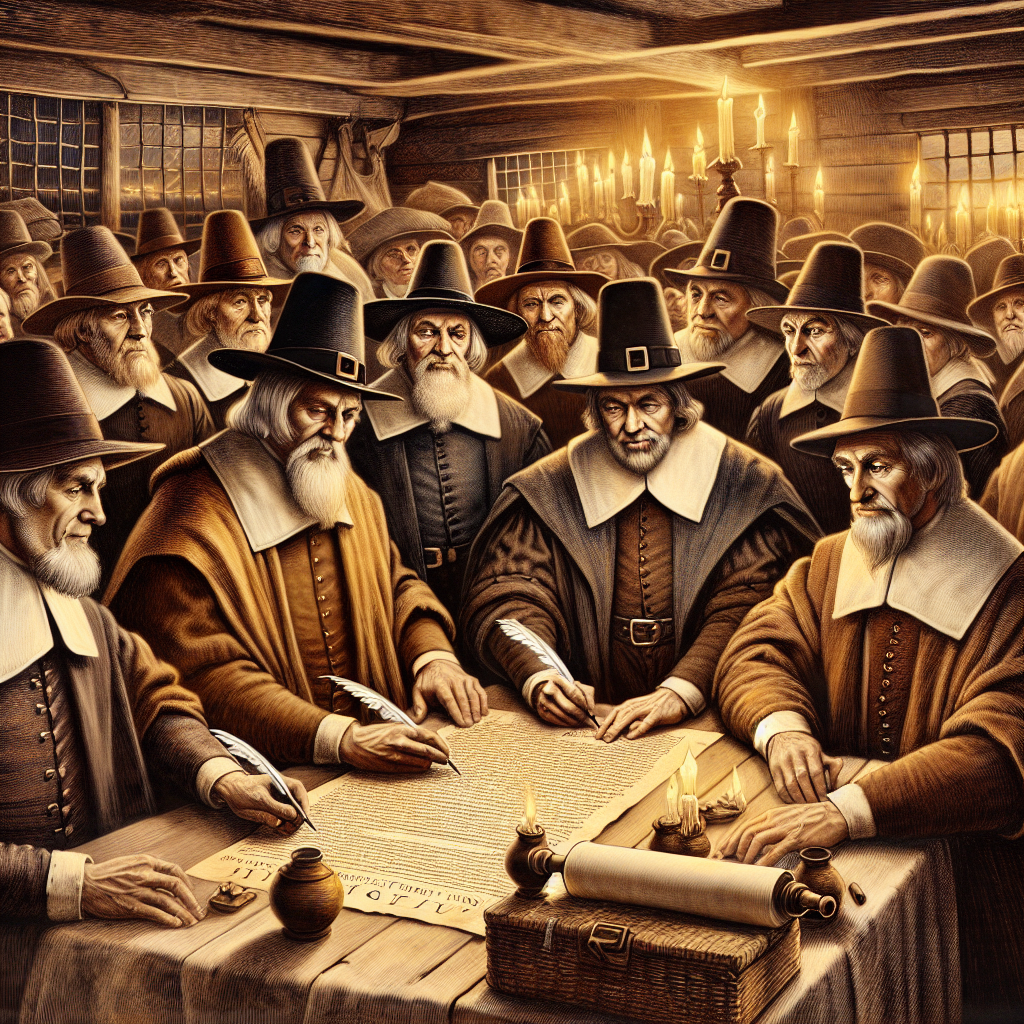
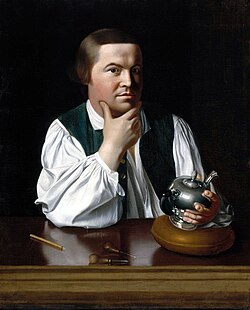
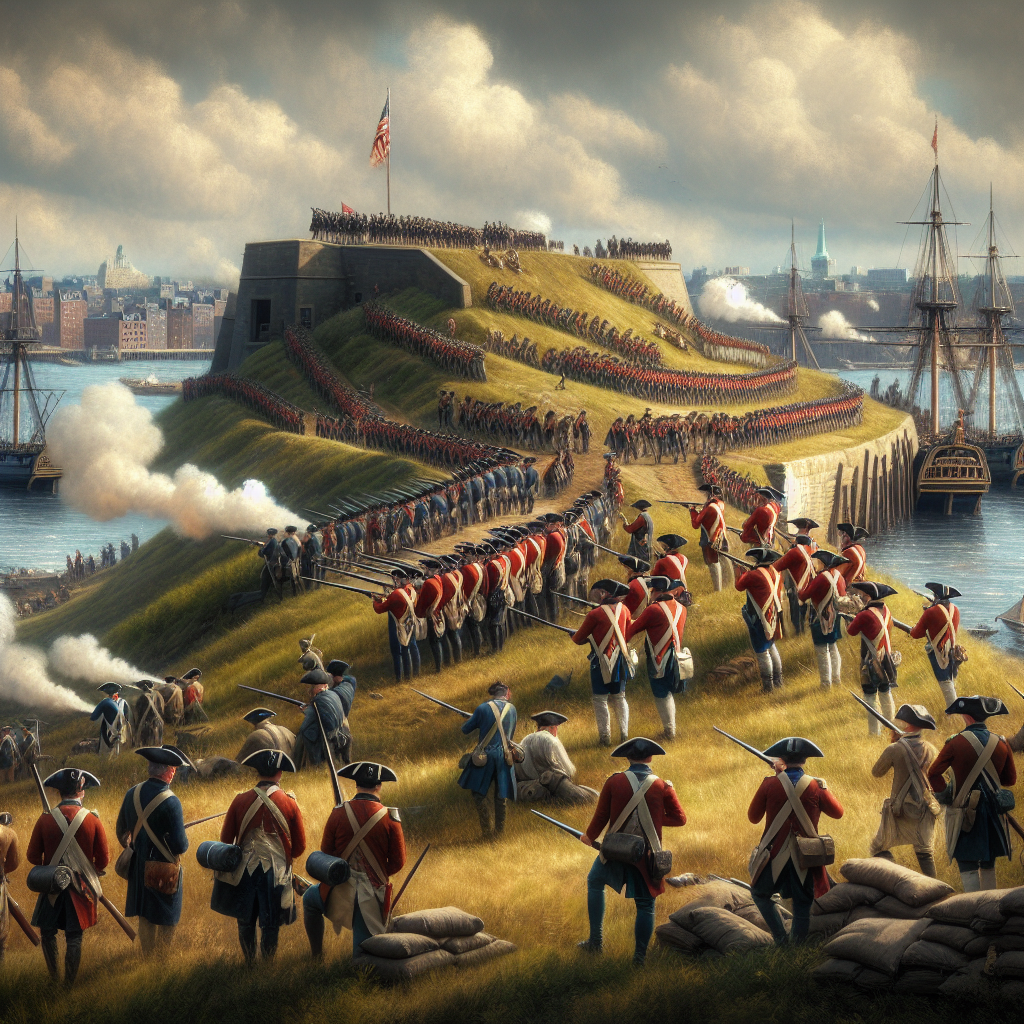
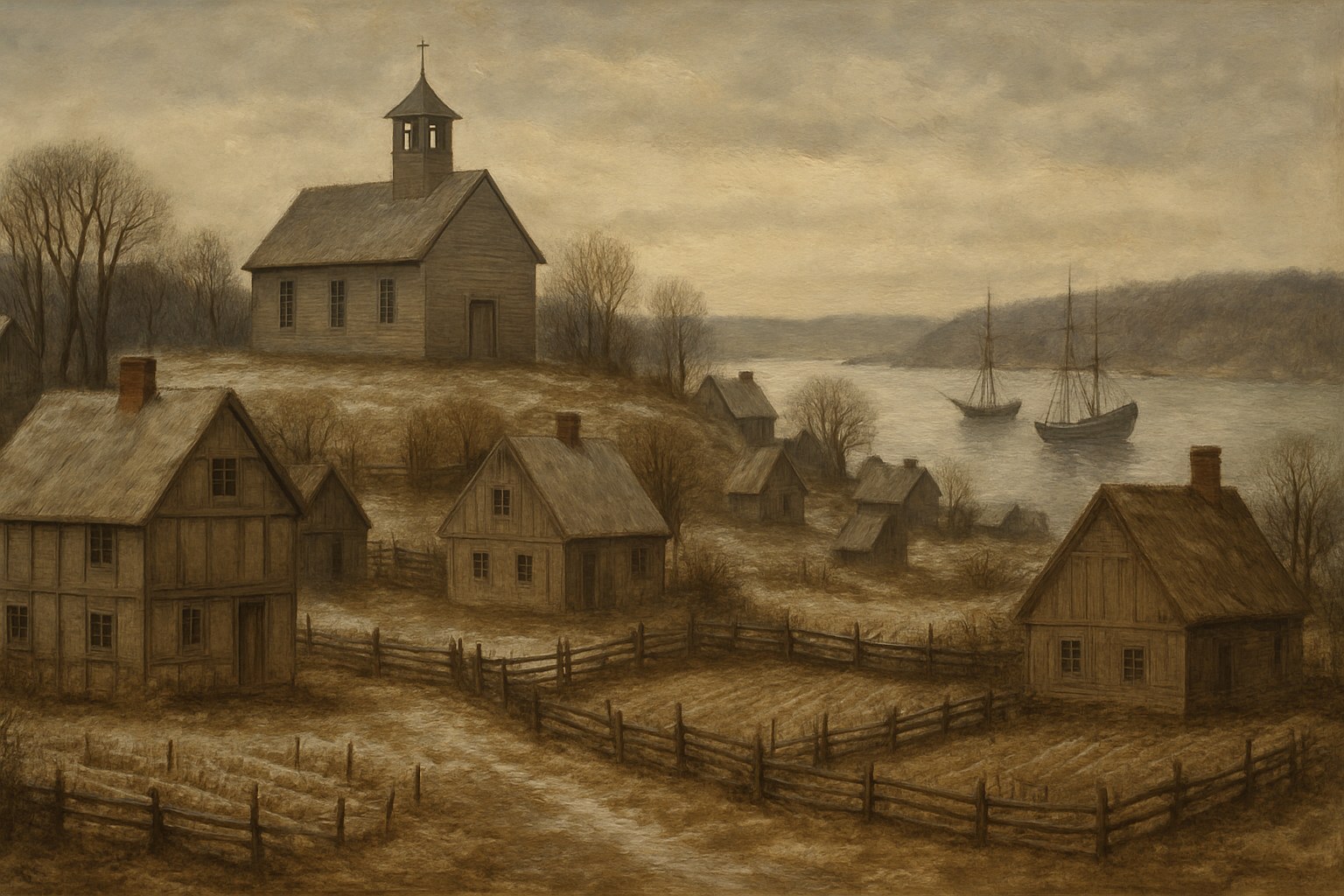
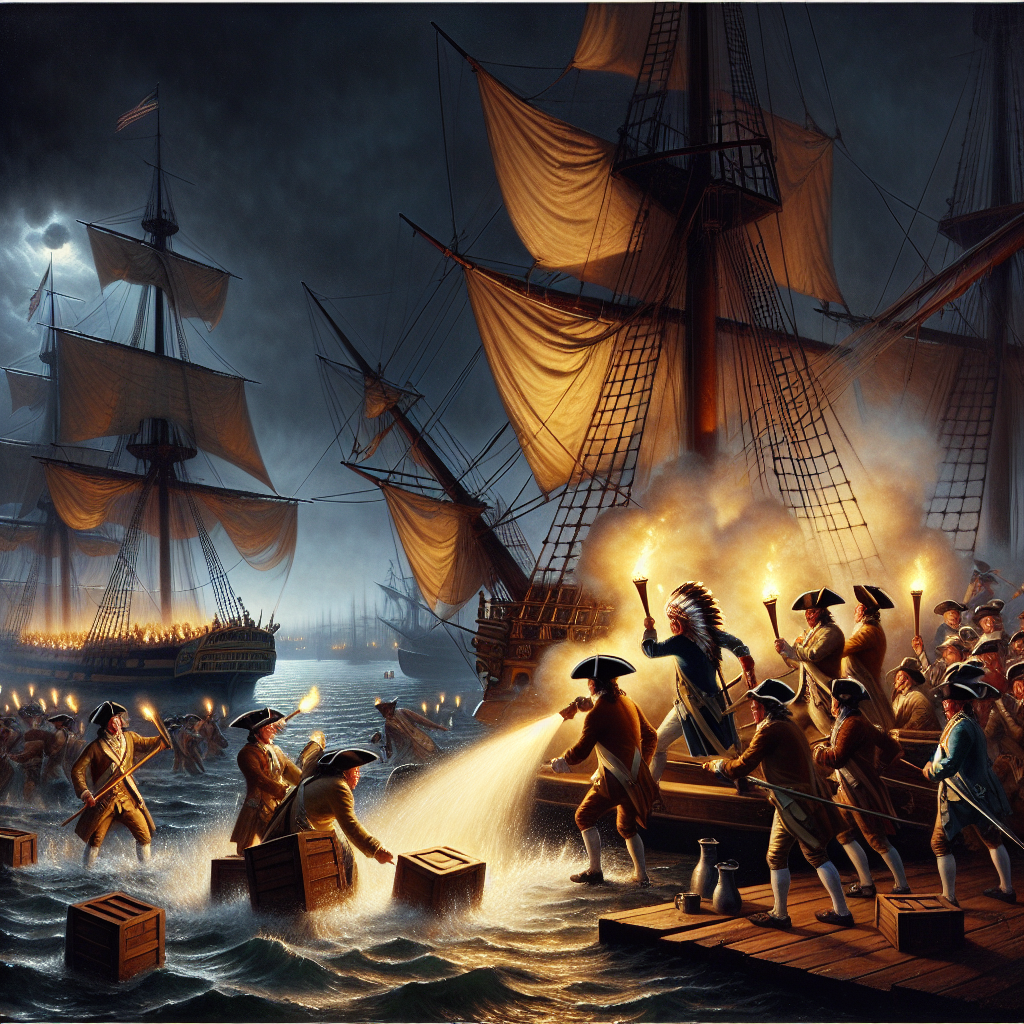
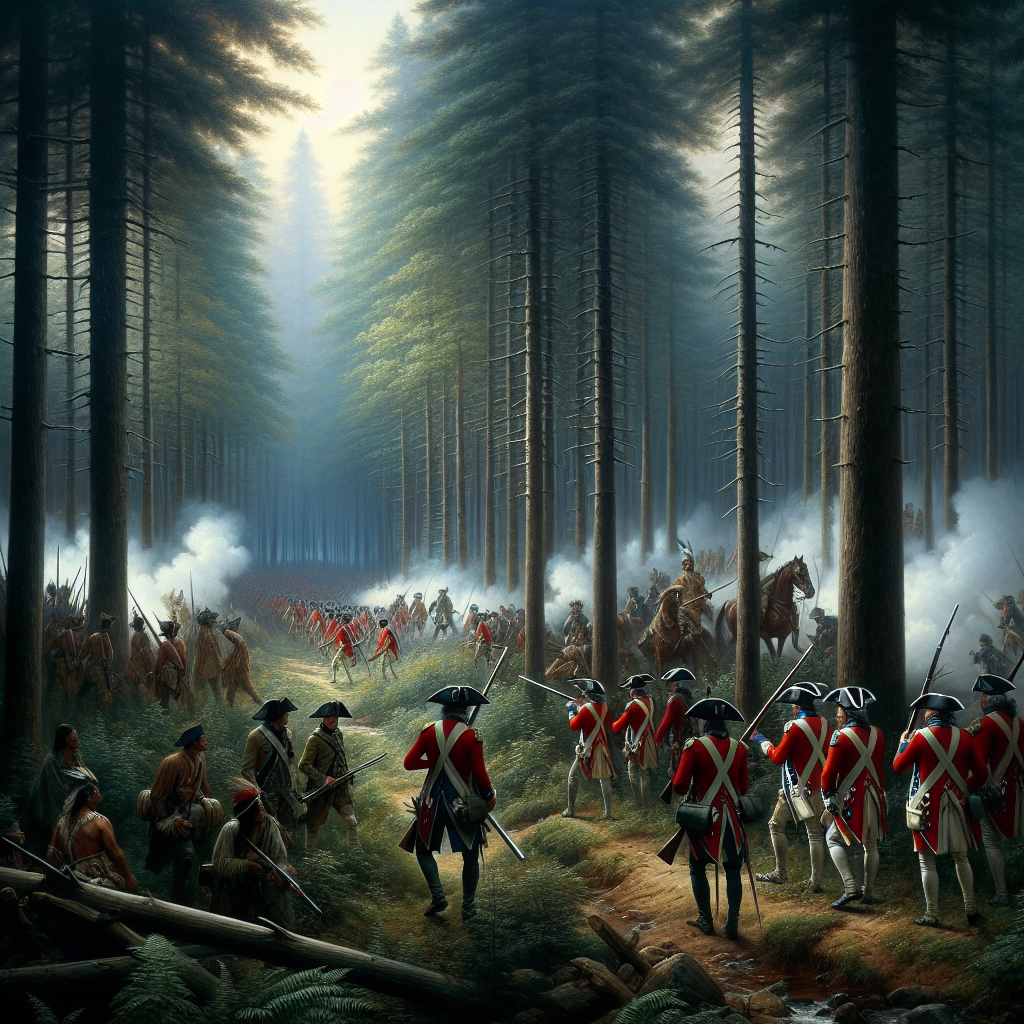
Founded in 1630 by Massachusetts Bay Colony settlers, Boston was the most politically active city in colonial America. It produced the intellectual firepower of the Revolution — John Adams, Samuel Adams, Paul Revere — and served as the proving ground for American ideas about liberty and resistance to tyranny. The Boston Massacre of 1770 and the Boston Tea Party of 1773 were not merely local incidents; they were the sparks that lit a continent. When war finally came, it came first to Boston's doorstep.
The 19th century brought waves of Irish immigrants fleeing famine, and with them a transformation of Boston's social and political character. Catholic immigrant communities clashed with the Protestant Yankee establishment for generations, producing fierce machine politics, militant labor organizing, and eventually, a Kennedy presidency. Meanwhile, Boston's universities — Harvard, MIT, and a dense constellation of others — made the city a capital of American intellectual and scientific life that no other city has surpassed.
Boston's civil rights record is complicated. The city that championed abolitionism in the 1850s became the site of some of the ugliest anti-busing violence of the 1970s, when federal courts ordered school desegregation. The contrast exposed a truth that many northern cities preferred to ignore: segregation was not a Southern problem. Boston remains a city of contradictions — elite and working-class, provincial and cosmopolitan, fiercely proud of its history and perpetually arguing about what that history means.


| Founded | September 17, 1630 |
| State | Massachusetts |
| Nicknames | The Cradle of Liberty; Beantown |
| Population | approx. 675,000 (city proper) |
| Universities | Harvard, MIT, Boston University, Tufts, Northeastern |
| Major Events | Boston Massacre (1770), Boston Tea Party (1773), Battle of Bunker Hill (1775) |
| Years | 1630 |
| Location | Boston, Massachusetts |