The Olive Branch Petition
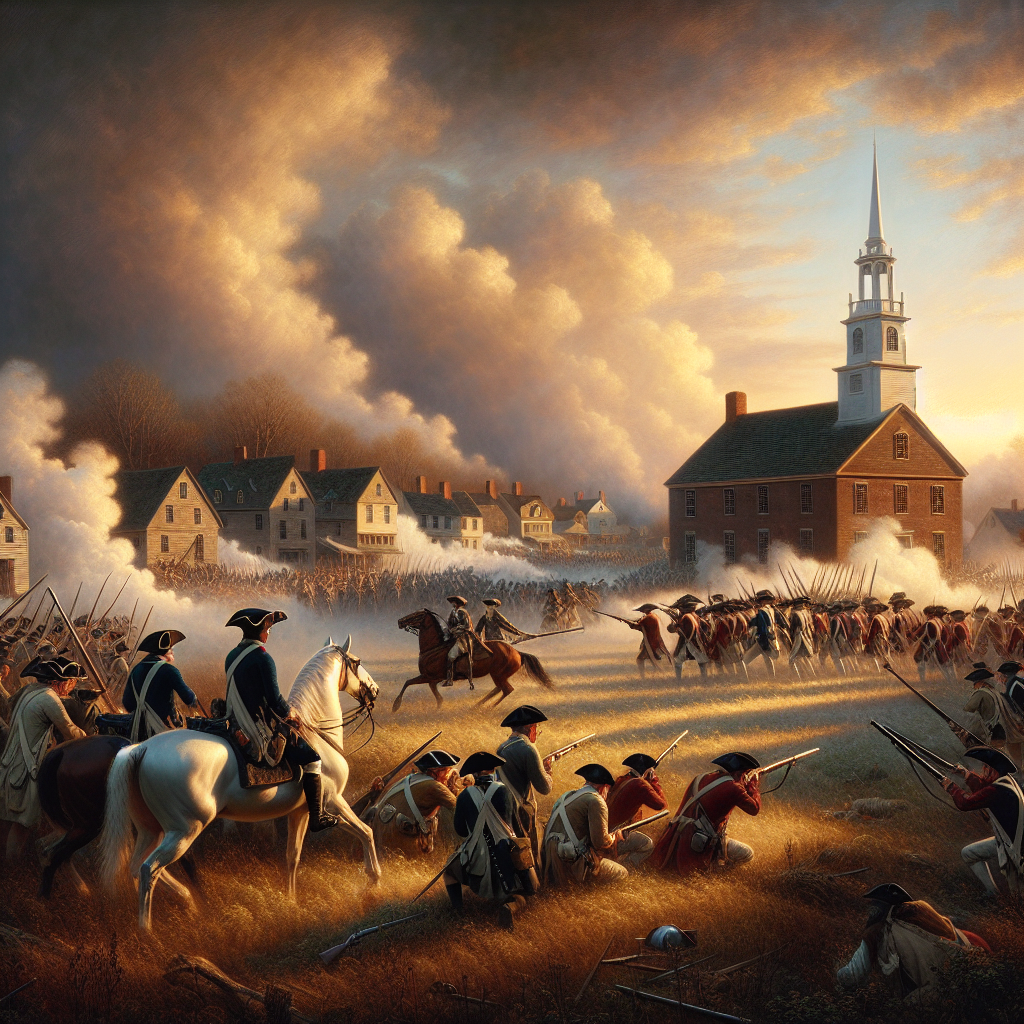
The Second Continental Congress assembled in May 1775 with a war already under way and no agreement about what the war was for. Lexington and Concord had been fought in April, a New England army sat outside Boston, and in June Congress had adopted that army and given the command to George Washington. Yet a substantial bloc of delegates, led by John Dickinson of Pennsylvania, still held that the quarrel lay with a corrupt ministry rather than with the king, and that reconciliation on colonial terms remained within reach.
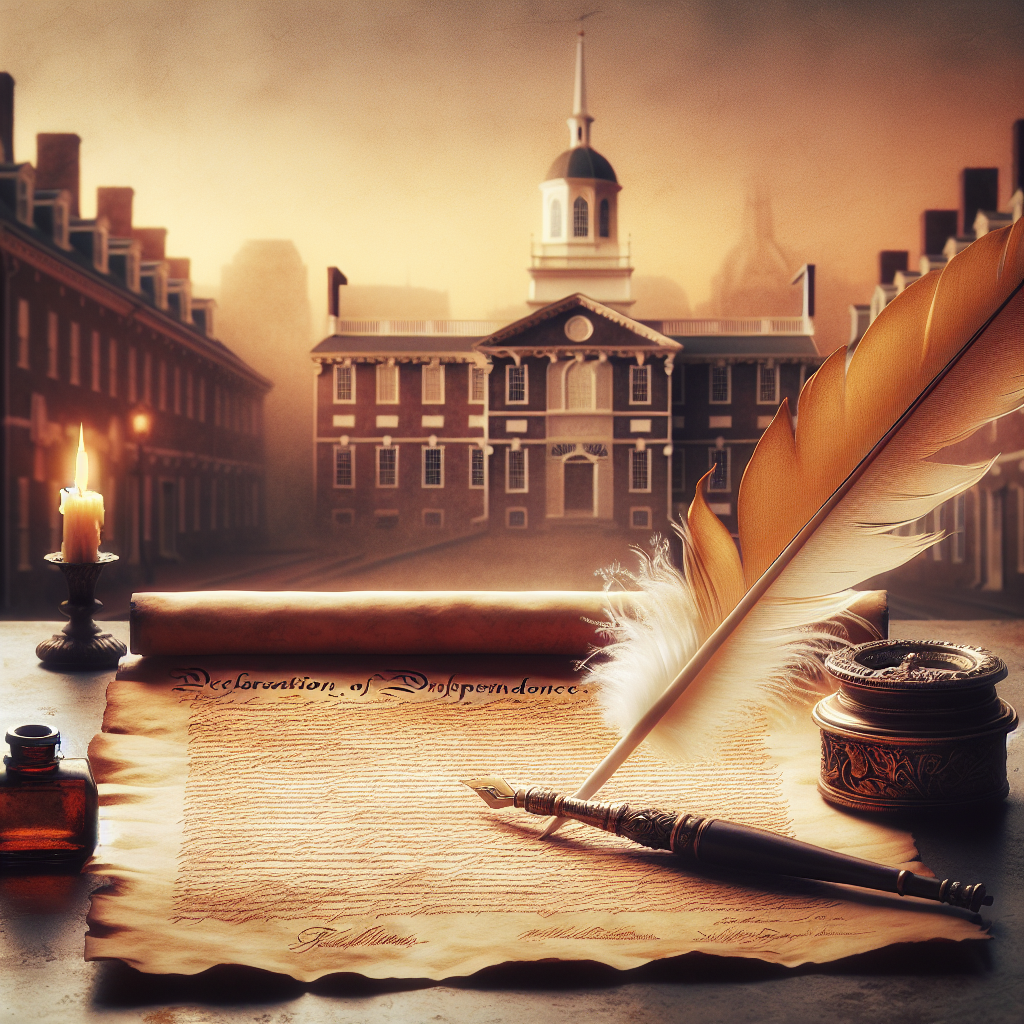
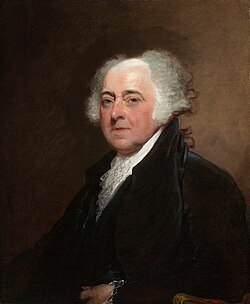
Dickinson wrote the petition and Congress approved it on July 5, 1775, with the delegates signing on July 8. The document was studiously deferential. It professed loyalty to George III, laid the crisis at the door of his ministers, asked him to halt hostilities and open negotiations, and offered no specific terms beyond a return to the relationship as it had stood before 1763. John Adams thought the whole exercise futile and said so in a private letter the British intercepted and published, to the acute embarrassment of Congress.
Richard Penn and Arthur Lee delivered the petition to the colonial secretary in London in late August. The king declined to receive it and declined to read it, on the ground that he would not treat with an illegal assembly. On August 23, before the document had even arrived, he had issued a Proclamation for Suppressing Rebellion and Sedition, declaring the colonies in open rebellion and directing every official of the crown to help put it down. News of the refusal and the proclamation reached America together that autumn.
The effect was to demolish the argument the moderates had been making for a decade. If the king would not distinguish between his loyal subjects and the ministers those subjects blamed, then the useful fiction of a wicked cabinet could not be sustained. Thomas Paine published Common Sense in January 1776 into precisely that opening, aiming his fire at monarchy itself rather than at Lord North. The petition failed as diplomacy and succeeded as clarification, removing the last plausible alternative to independence.
| Approved | July 5, 1775, signed July 8 |
| Author | John Dickinson of Pennsylvania |
| Asked for | A cease-fire and negotiation, blaming the ministers |
| Delivered by | Richard Penn and Arthur Lee, London, August 1775 |
| Outcome | George III refused to receive or read it |
| Answered by | The Proclamation of Rebellion, August 23, 1775 |
| Date | July 5-8, 1775 |
| Location | Pennsylvania State House, Philadelphia |