John Jay
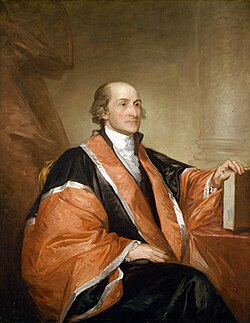
John Jay is the least famous of the three authors who wrote The Federalist Papers — the others being Alexander Hamilton and James Madison — which says more about the company than about Jay. He served as the first Chief Justice of the United States, negotiated two of the most consequential treaties in American diplomatic history, and governed New York for two terms, all while helping draft the legal and philosophical framework of the new republic. That he is now less celebrated than his co-authors is partly a matter of timing: illness cut his Federalist contributions short, and he spent much of his career doing unglamorous but essential work.
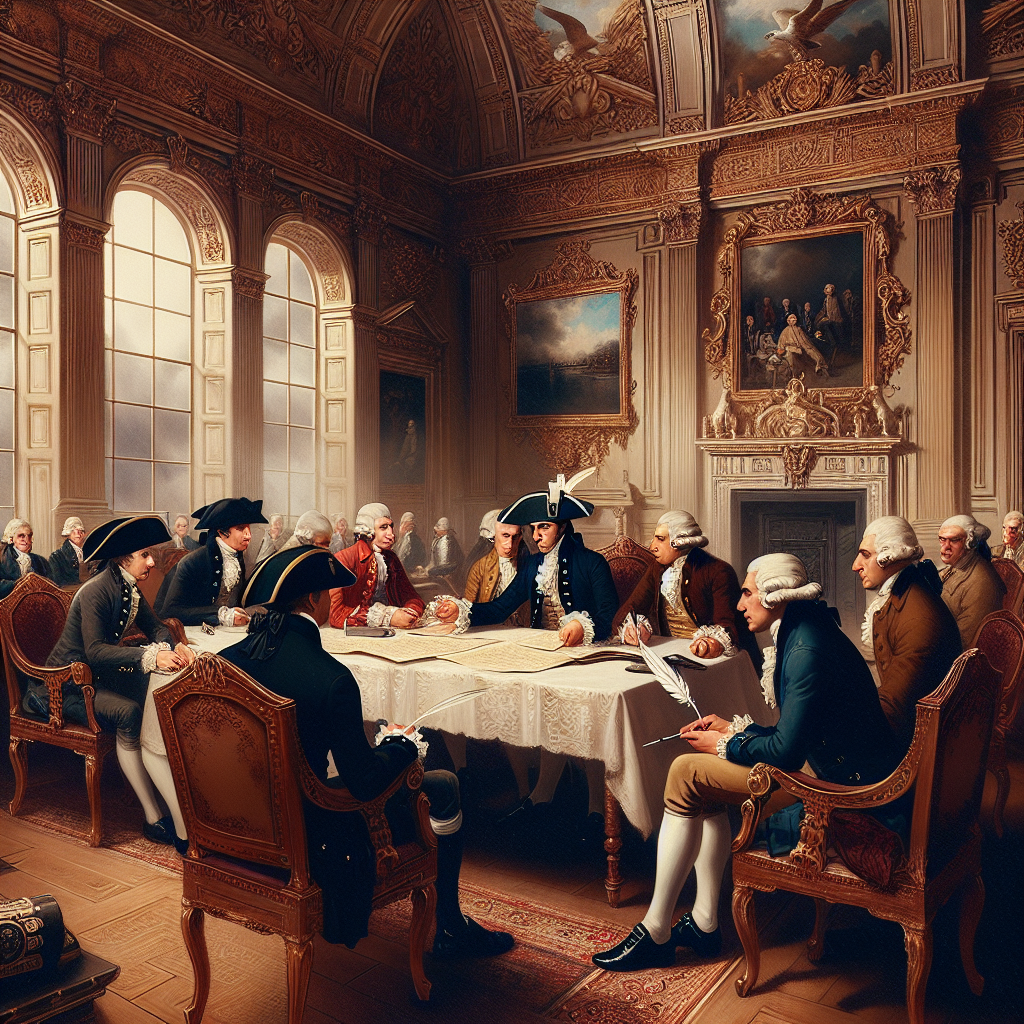
Jay's diplomatic career was extraordinary. He served as minister to Spain during the Revolution, then as one of the American negotiators of the 1783 Treaty of Paris that ended the war with Britain — a negotiation in which he maneuvered skillfully around French pressure to secure favorable terms. A decade later, as Chief Justice, Washington sent him back to London to negotiate what became the Jay Treaty of 1794, which resolved outstanding disputes with Britain and kept the new republic out of a war it could not yet afford to fight. The treaty was savagely unpopular — Jay said he could travel from Boston to Philadelphia by the light of his burning effigies — but it bought the country a decade of peace.
Jay declined reappointment as Chief Justice in 1800, citing the Supreme Court's lack of "energy, weight, and dignity." He spent his retirement at his farm in Westchester County, New York, writing little and living quietly until his death in 1829. The Court he dismissed as inadequate would, within a generation, become the most powerful judicial institution in the world — shaped in part by the precedents and processes he had helped establish. His skepticism proved premature.

| Born | December 12, 1745 — New York City, New York |
| Died | May 17, 1829 — Bedford, New York |
| Chief Justice | 1st Chief Justice of the United States, 1789–1795 |
| Governor | New York, 1795–1801 |
| Treaties | Treaty of Paris (1783), Jay Treaty (1794) |
| Federalist Papers | Co-author with Hamilton and Madison, 1787–1788 |
| Party | Federalist |
| Date | July 17, 1794 (Jay Treaty signed) |
| Location | New York, New York |