Samuel Adams
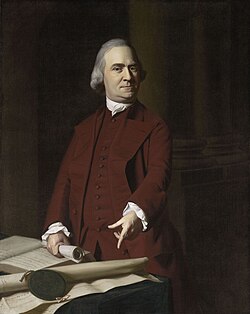
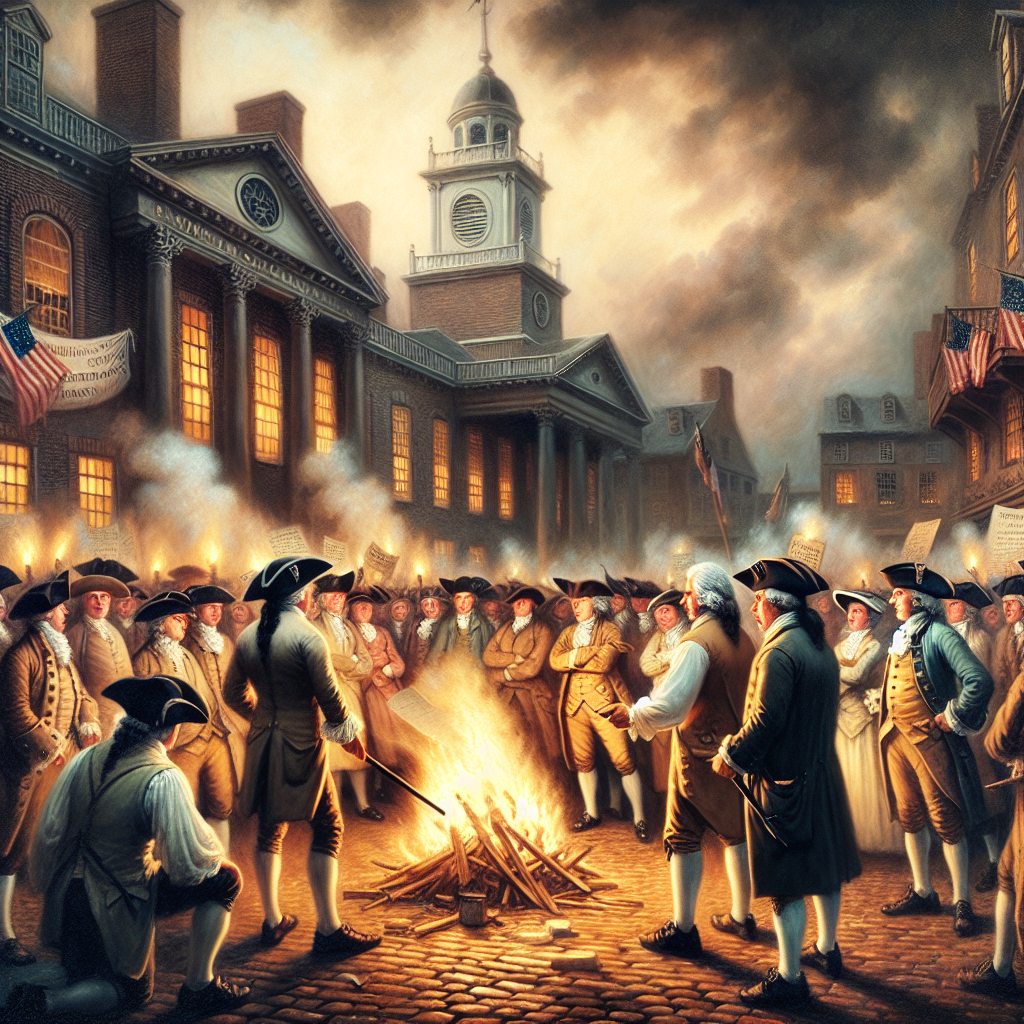
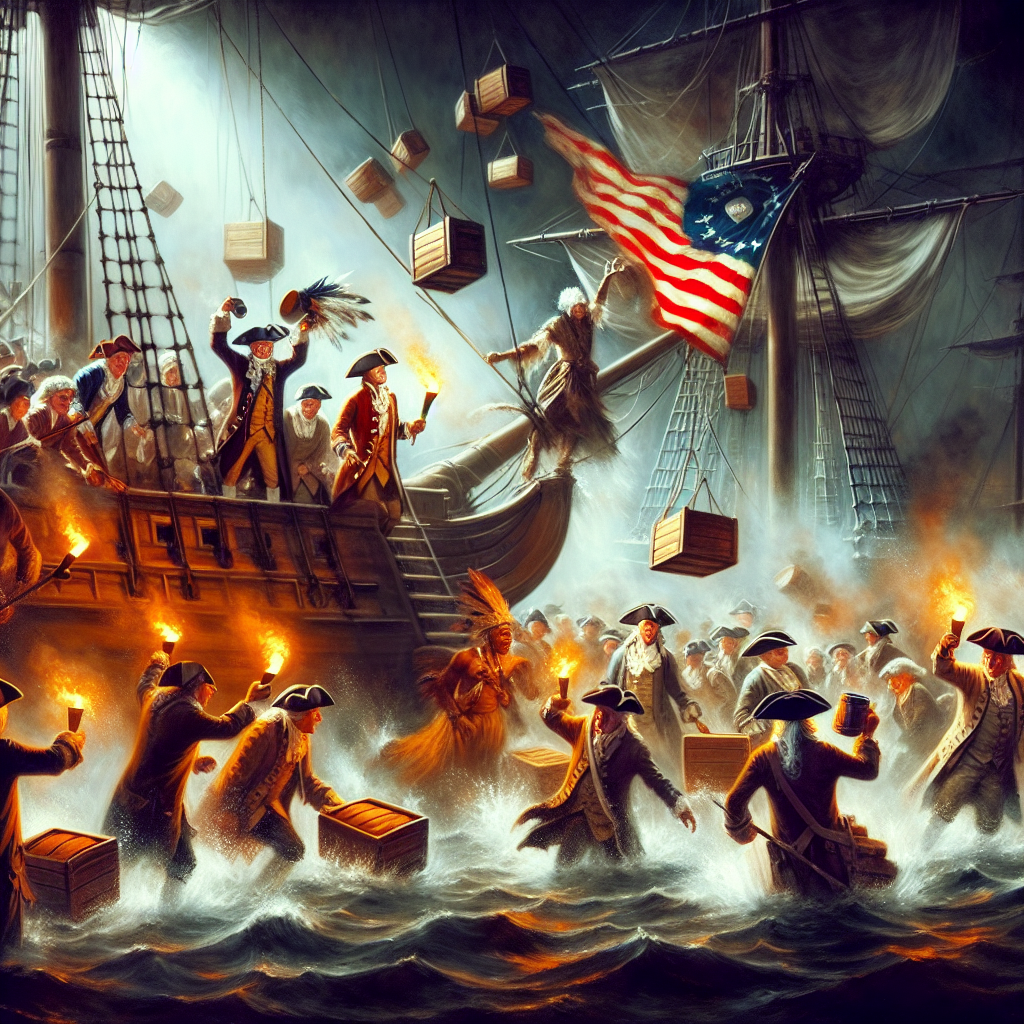
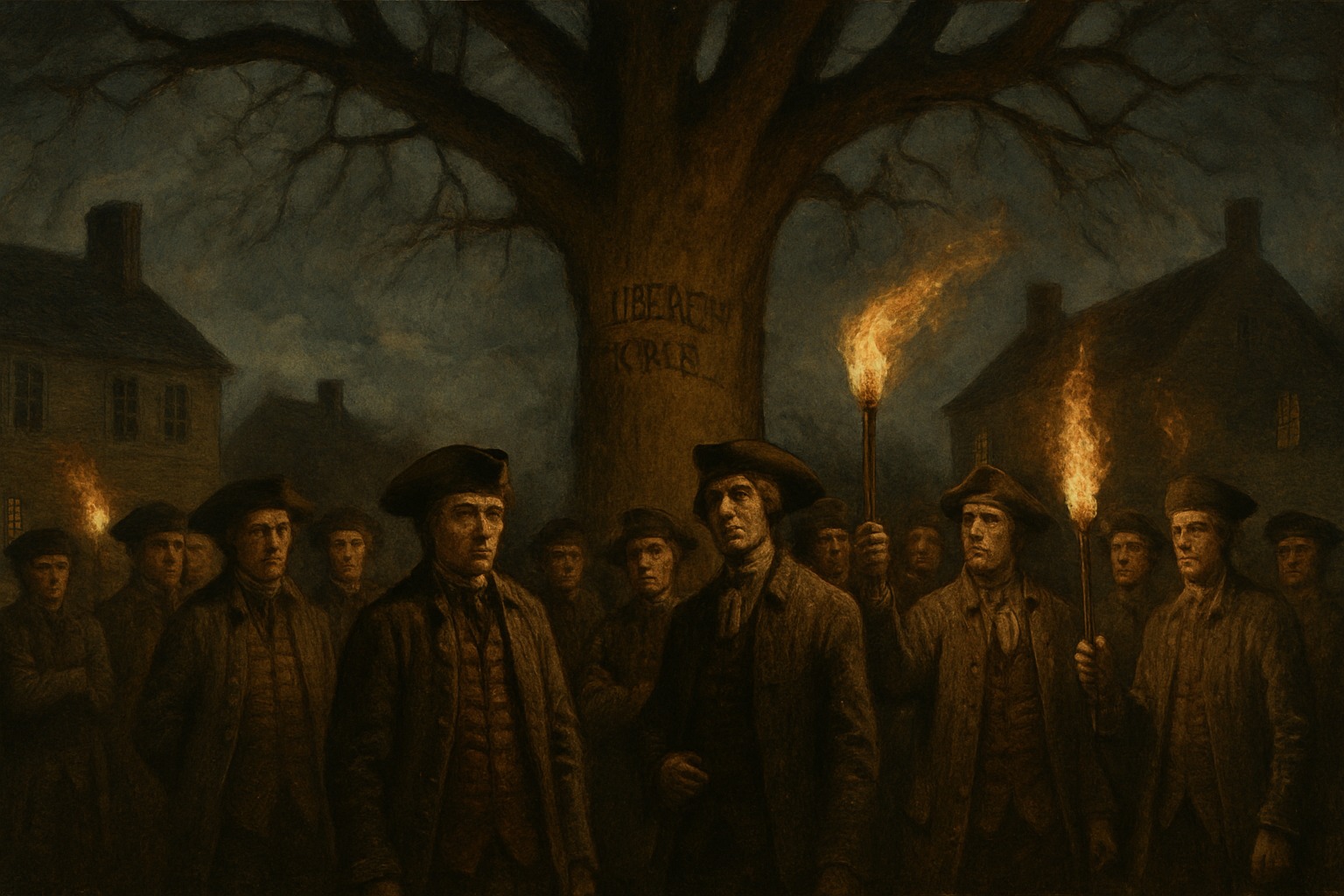
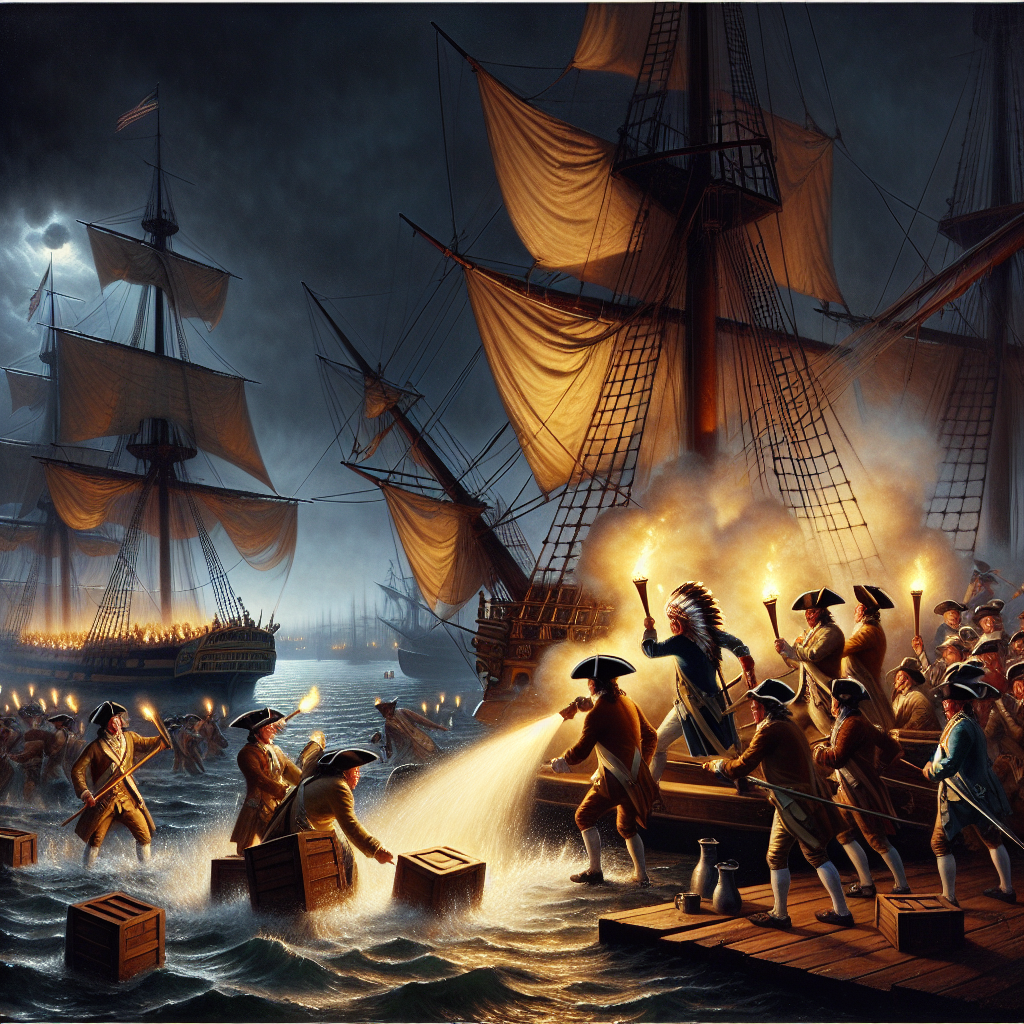
Samuel Adams was the most gifted political agitator in American history, and he understood something his more celebrated contemporaries sometimes forgot: that revolutions are made by public opinion before they are made by armies. A failed businessman who found his vocation in politics, Adams spent the decade before independence turning the ordinary grievances of Boston tradesmen and merchants into a coherent indictment of British rule. He organized the Sons of Liberty, engineered the Boston Tea Party, and kept the revolutionary fire burning through the years when cooler heads were searching for compromise.
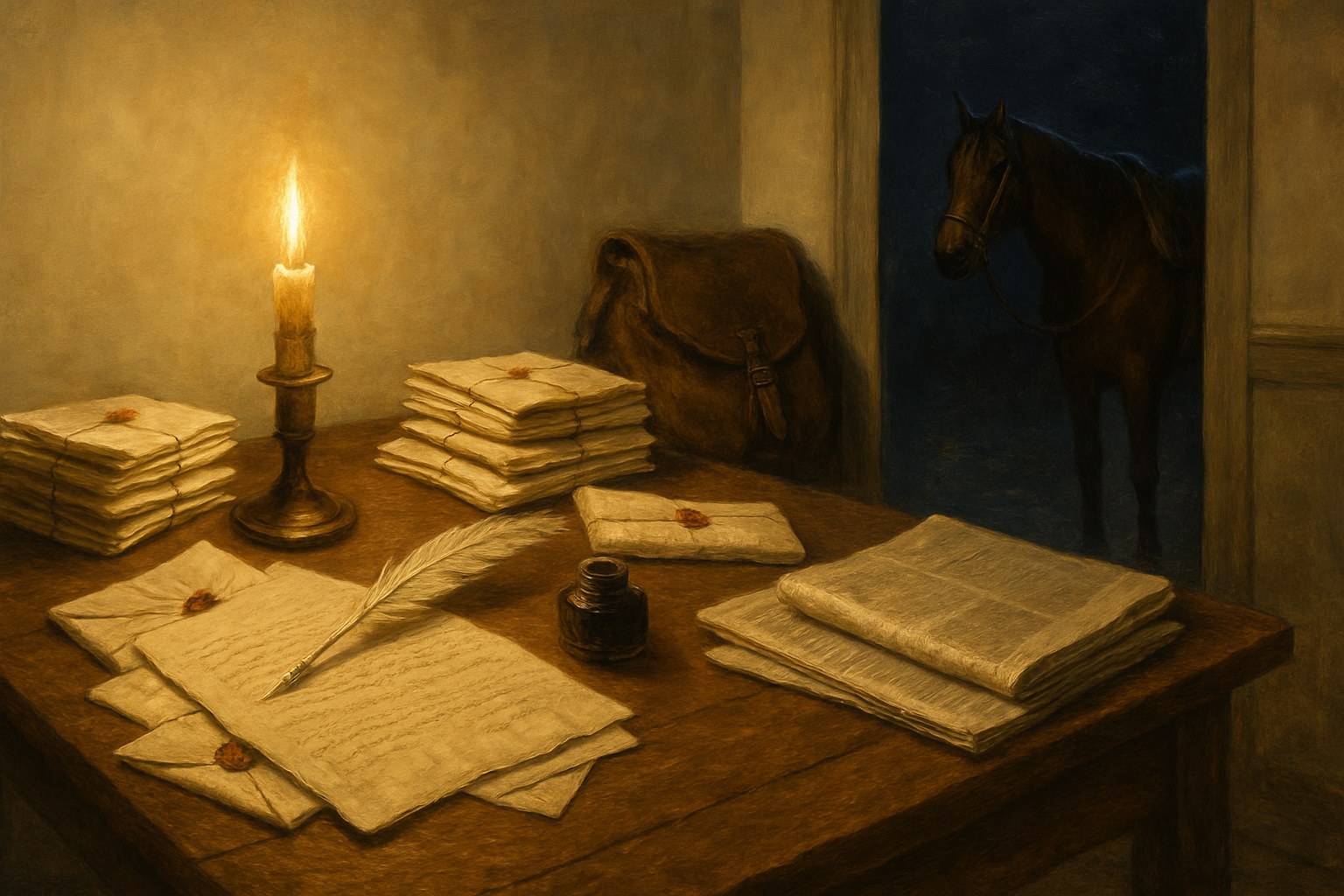
Adams was a master of what we would now call political communication. He wrote tirelessly for Boston newspapers under multiple pseudonyms, framing colonial grievances in the language of natural rights and republican virtue long before those concepts had achieved their canonical form. His circular letters organized intercolonial resistance; his committees of correspondence built the communications network that allowed the colonies to act collectively. By the time shots were fired at Lexington and Concord, Adams had spent a decade ensuring that enough Americans were angry enough to fight.
His career after independence was anticlimactic in the way that revolutionaries' careers so often are. He was suspicious of the Constitution, fearing it concentrated too much power in the federal government, and eventually supported it only after a Bill of Rights was promised. He served as governor of Massachusetts in the 1790s and watched as his cousin John Adams and the Federalists built a government whose centralized energy he had spent his life resisting. The revolution he made was not exactly the republic he had imagined. Almost none of them were.
| Born | September 27, 1722 — Boston, Massachusetts |
| Died | October 2, 1803 — Cambridge, Massachusetts |
| Key Role | Organizer, Sons of Liberty; delegate, Continental Congress |
| Key Action | Organized Boston Tea Party, December 1773 |
| Later Career | Governor of Massachusetts, 1794–1797 |
| Cousin | John Adams, second President of the United States |
| Years | 1722–1803 |
| Location | Boston, Massachusetts |