Colonial America
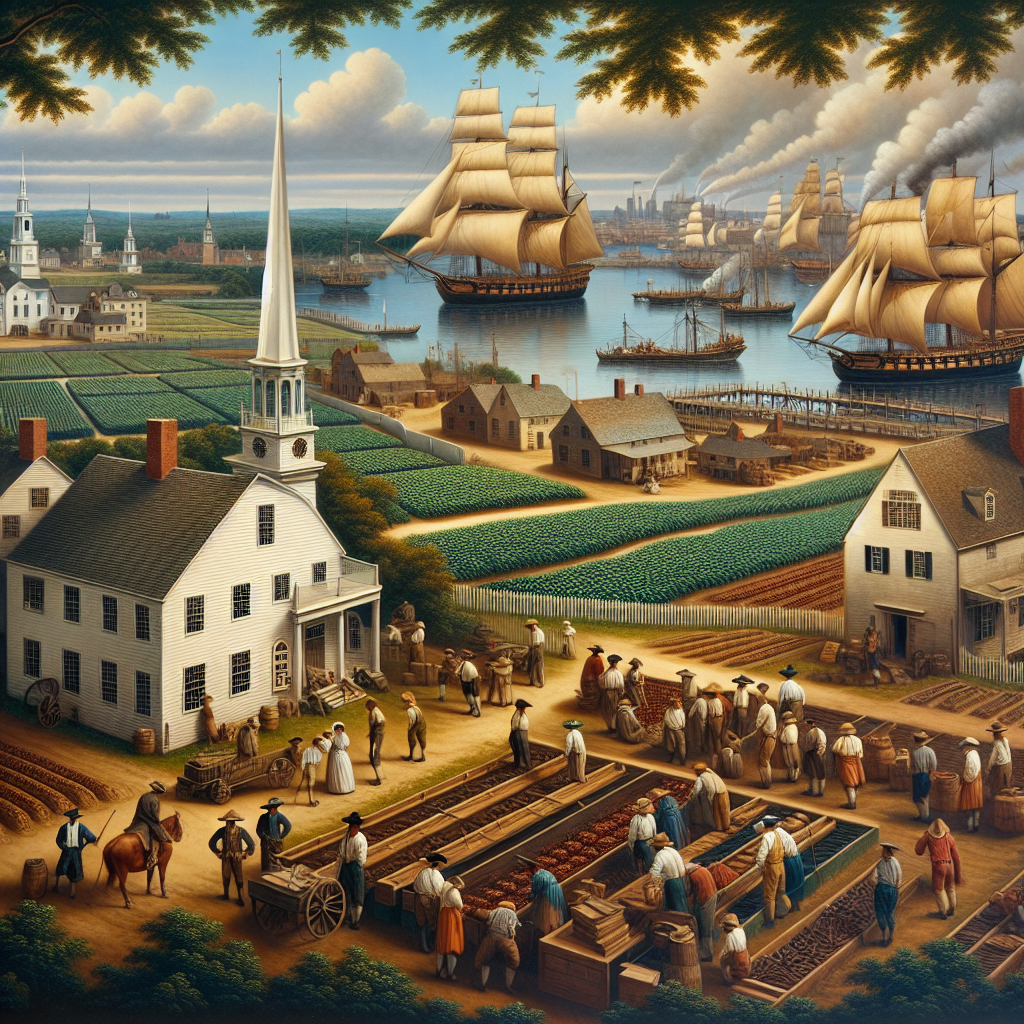
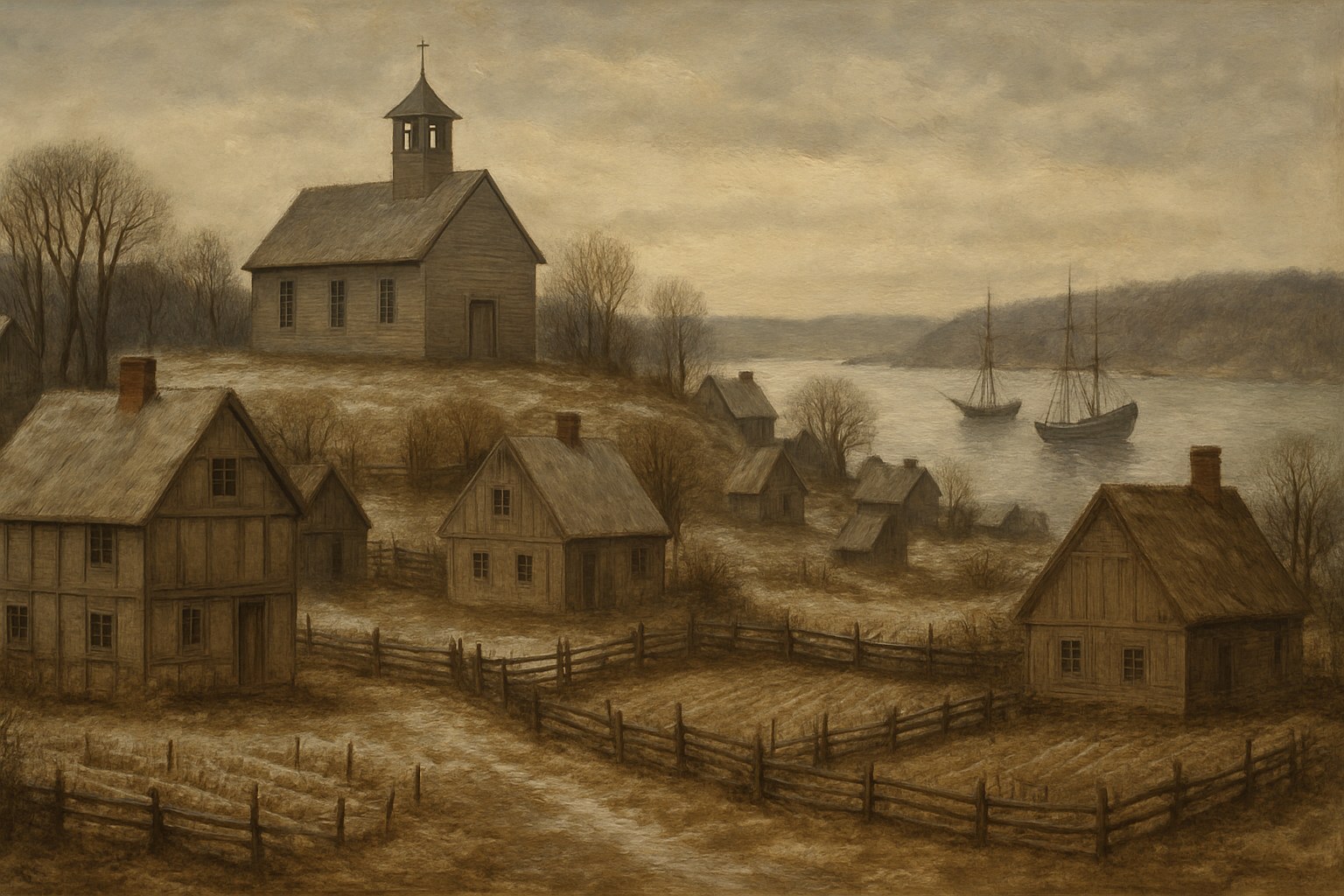
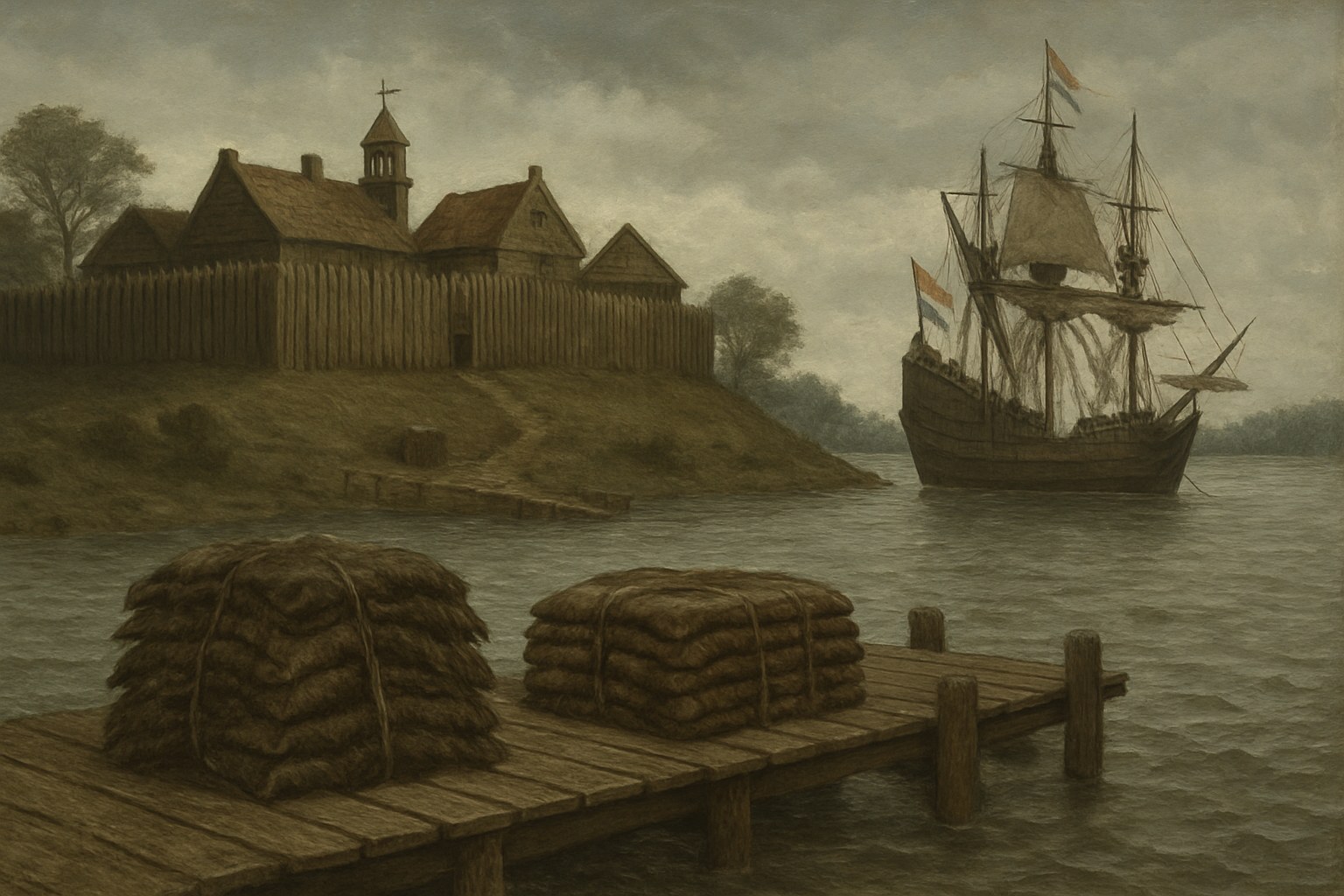
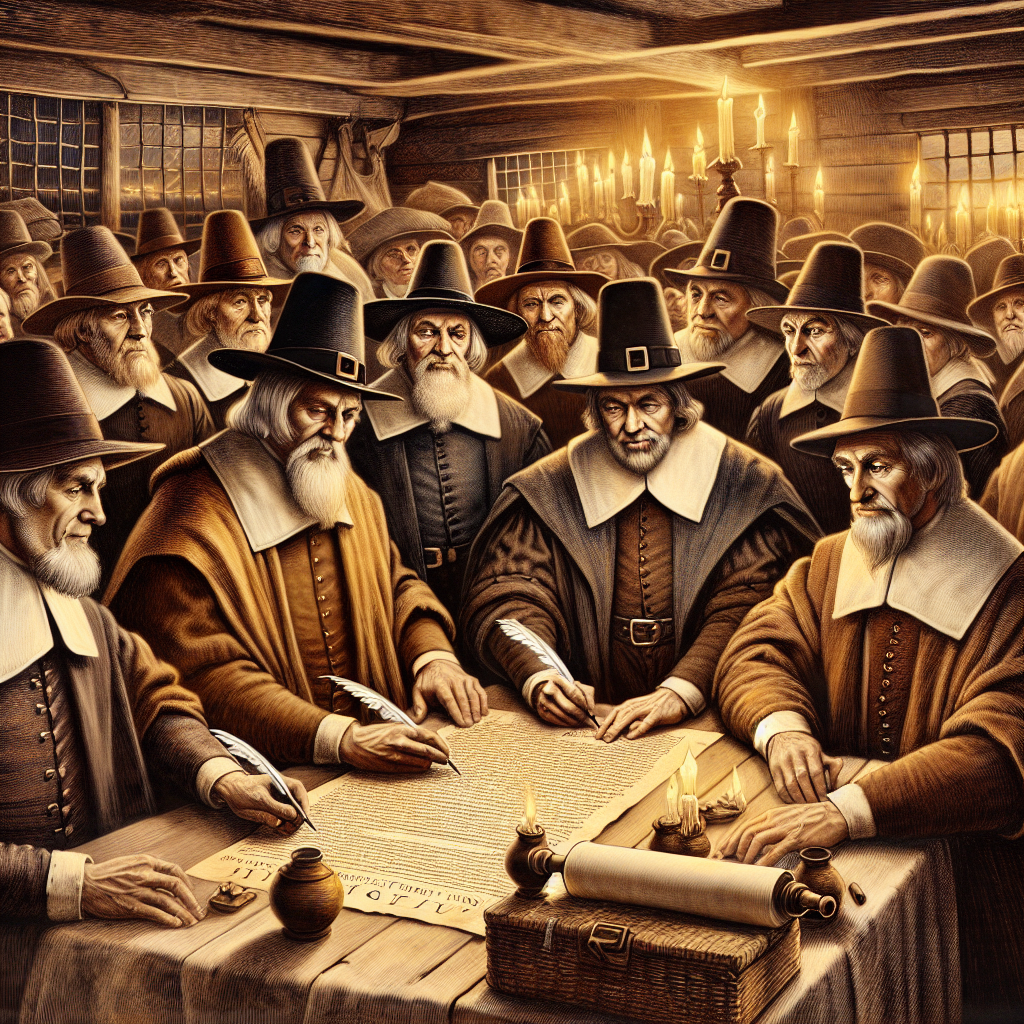
Colonial America was not one thing but many — a collection of thirteen distinct societies strung along the Atlantic seaboard, each with its own economy, church, ethnic composition, and governing tradition, connected by a shared language and a shared subordination to the British Crown that both parties understood differently. The Puritan settlers of Massachusetts Bay, who arrived in 1630 with a covenant theology and a conviction that they were building a city upon a hill, had almost nothing in common with the tobacco planters of Virginia, who were running what was essentially a labor extraction operation on Powhatan land. Both called themselves British subjects. Both produced the revolutionaries who decided they weren't.
The colonial economy rested on four pillars, all of which shaped the society that grew from it. In New England: fishing, timber, and trade. In the Middle Colonies: grain farming and the merchant capitalism of New York and Philadelphia. In the Chesapeake: tobacco, grown initially by indentured servants and then, as that labor supply became unreliable, by enslaved Africans imported in numbers that transformed Virginia and Maryland into slave societies within a generation. In the Lower South: rice and indigo, grown almost entirely by enslaved people, many of them brought specifically from rice-growing regions of West Africa for their expertise. By 1770, roughly 460,000 enslaved people — approximately 20 percent of the colonial population — were held in bondage that the law protected and the church largely sanctioned.
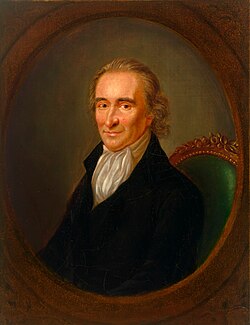
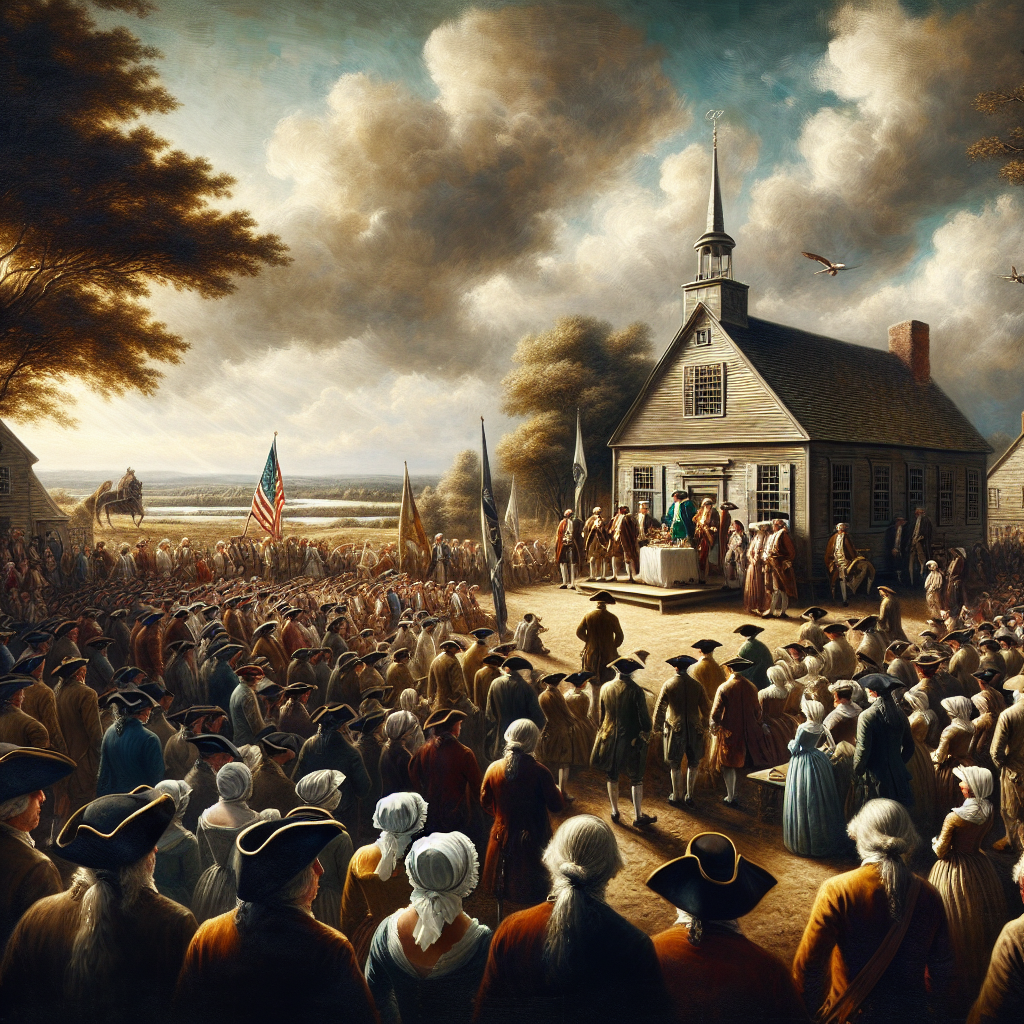
The political culture that produced the Revolution was built over 168 years of colonial self-governance. The Virginia House of Burgesses, established in 1619, was the first representative assembly in English North America; by the 1770s every colony had a legislature accustomed to taxing and governing itself. The British Parliament's post-1763 attempts to assert direct authority over colonial taxation ran straight into this tradition of local self-governance and produced the argument that became the Revolution's legal foundation: no taxation without representation. The colonists were not inventing a new principle. They were insisting that the one they already lived by — that only those who consented to a government through their chosen representatives could be taxed by it — applied to them as fully as it applied to Englishmen in England.
| Period | 1607–1775 |
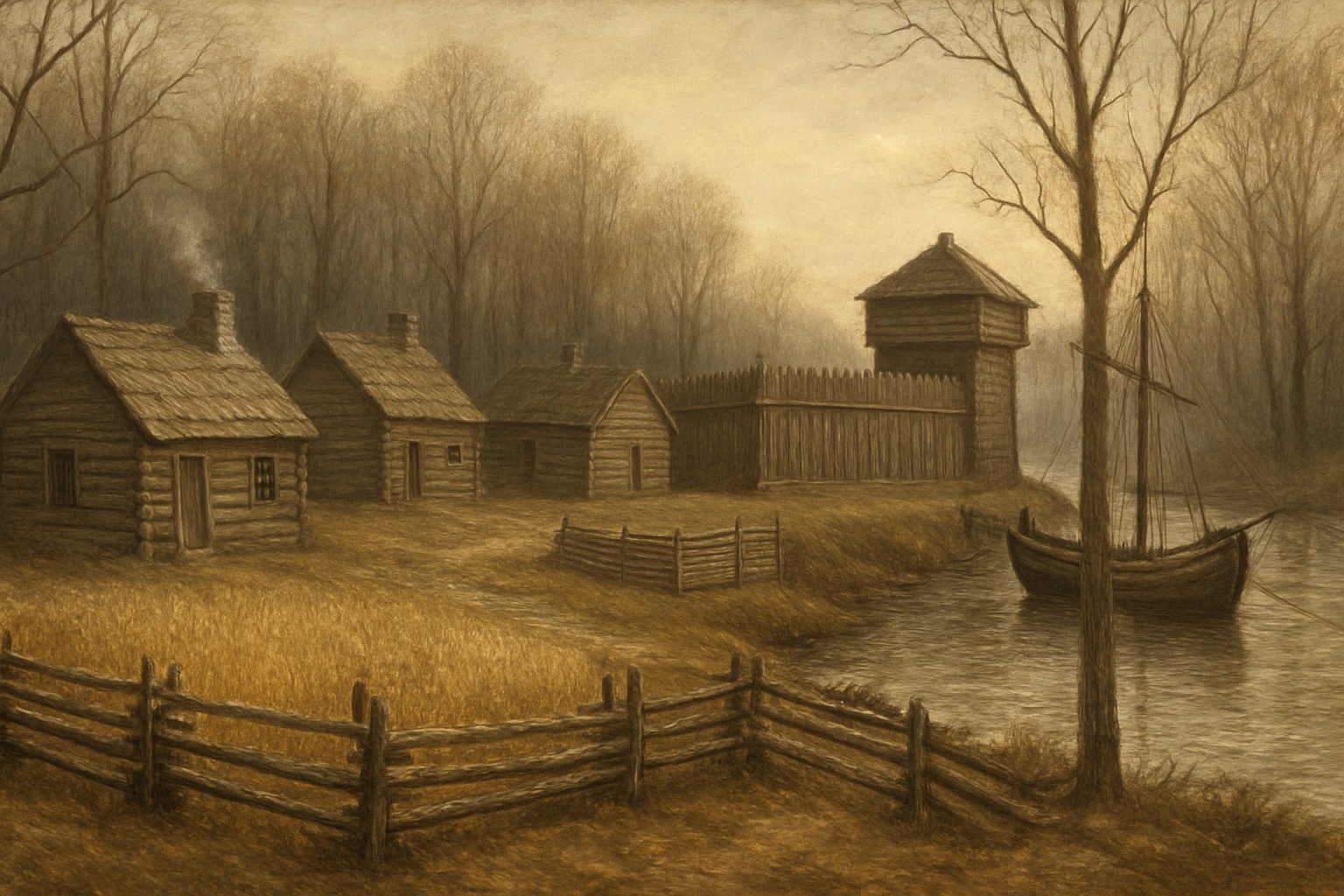
| First settlement | Jamestown, Virginia, 1607 |
| Thirteen colonies | Established between 1607 (Virginia) and 1733 (Georgia) |
| Population 1770 | ~2.1 million (including ~460,000 enslaved) |
| Enslaved pop. | ~20% of total by 1770 |
| First assembly | Virginia House of Burgesses, 1619 |
| Key trade goods | Tobacco, rice, indigo, timber, fish, grain |
| Years | 1607–1775 |
| Location | Eastern Seaboard, North America |