Common Sense

When Common Sense appeared in Philadelphia in January 1776, it did something no speech in Congress had managed: it made the case for independence in language a farmer or a dockworker could not put down. Thomas Paine, a recent immigrant from England, stripped the argument of legal hair-splitting and attacked the monarchy itself as an absurd inheritance. Within months the pamphlet sold on the order of a hundred thousand copies in a country of barely three million free people.
Paine's achievement was to shift the debate. Before Common Sense, many colonists still hoped for reconciliation with a misguided king; after it, independence felt not just possible but obvious — common sense. The pamphlet primed public opinion in the half-year before the Continental Congress declared independence in July 1776, and its plain, fierce style helped invent American political writing.
Paine took no profit from the pamphlet, directing proceeds to the Continental Army. Common Sense remains one of the best-selling American titles ever published relative to population — a reminder that the Revolution was argued into being as much as it was fought.
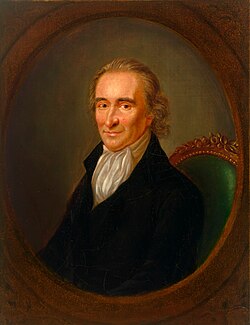


| Author | Thomas Paine |
| Published | January 10, 1776 — Philadelphia |
| Type | Political pamphlet |
| Significance | Galvanized popular support for independence |
| Reach | Roughly 100,000+ copies within months |
| Date | January 10, 1776 |
| Location | Philadelphia, Pennsylvania |