Alexander Hamilton
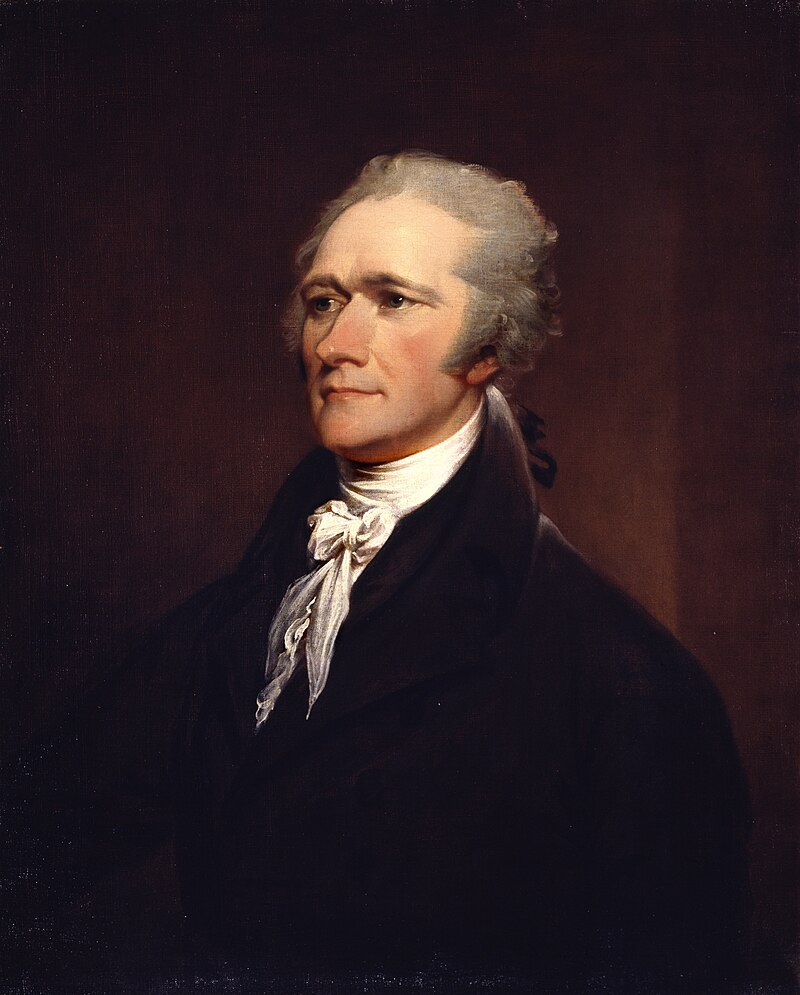
Alexander Hamilton arrived in New York from the Caribbean island of Nevis in 1773 with no money, no family connections, and an appetite for consequence that alarmed everyone who encountered it. He was the illegitimate son of a Scottish merchant and a woman who died when he was 13, raised in conditions of poverty and social disgrace that most men of his era would have treated as permanent. Hamilton treated them as temporary. By 28 he had served as George Washington's most trusted aide-de-camp, led a bayonet charge at Yorktown that he personally volunteered for, and was already drafting the intellectual framework for a federal government strong enough to actually govern. He had no patience for the merely possible.
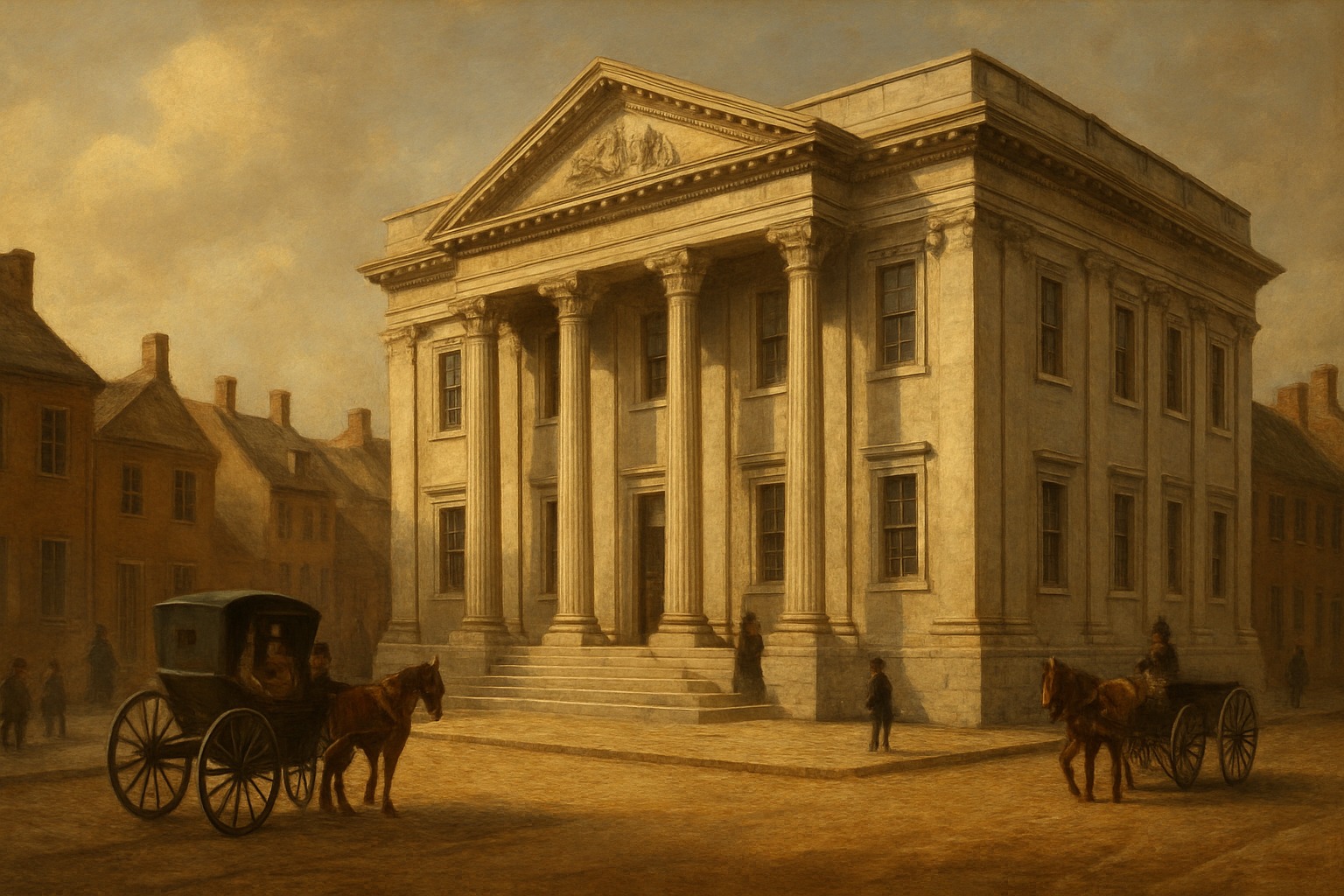
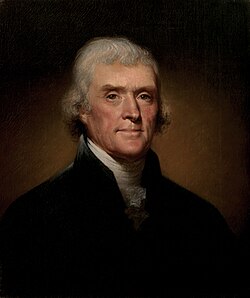
As the first Secretary of the Treasury, Hamilton built the financial architecture of the United States almost entirely from scratch. He assumed the states' Revolutionary War debts, established the First Bank of the United States, created a customs service, laid the foundations of a manufacturing economy, and wrote reports on public credit and manufactures that read like a master plan for American capitalism — because they were. Thomas Jefferson despised the vision of centralized financial power Hamilton was constructing, and their conflict defined the first American party system. Jefferson won the political argument in 1800. The country built what Hamilton designed anyway.
The duel with Aaron Burr on July 11, 1804, in Weehawken, New Jersey, killed Hamilton at approximately 49 and remains one of the most analyzed personal confrontations in American history. Hamilton had spent a decade making Burr's political career difficult through strategic opposition and cutting private remarks. Burr demanded satisfaction; Hamilton accepted but apparently decided not to fire — he was shot through the liver and died the following afternoon. His wife Eliza survived him by 50 years, spending her widowhood building orphanages and preserving his papers. The Broadway musical that made his name ubiquitous two centuries later would have bewildered and delighted him in approximately equal measure.

| Born | January 11, 1755 (or 1757) — Charlestown, Nevis |
| Died | July 12, 1804 — New York City |
| Role | First Secretary of the Treasury (1789–1795) |
| Military | Aide-de-camp to Washington; led charge at Yorktown (1781) |
| Key works | Federalist Papers (51 of 85 essays); Report on Manufactures |
| Killed by | Aaron Burr, in duel at Weehawken, New Jersey |
| On currency | $10 bill |
| Years | 1755–1804 |
| Location | New York, New York |