Puritanism
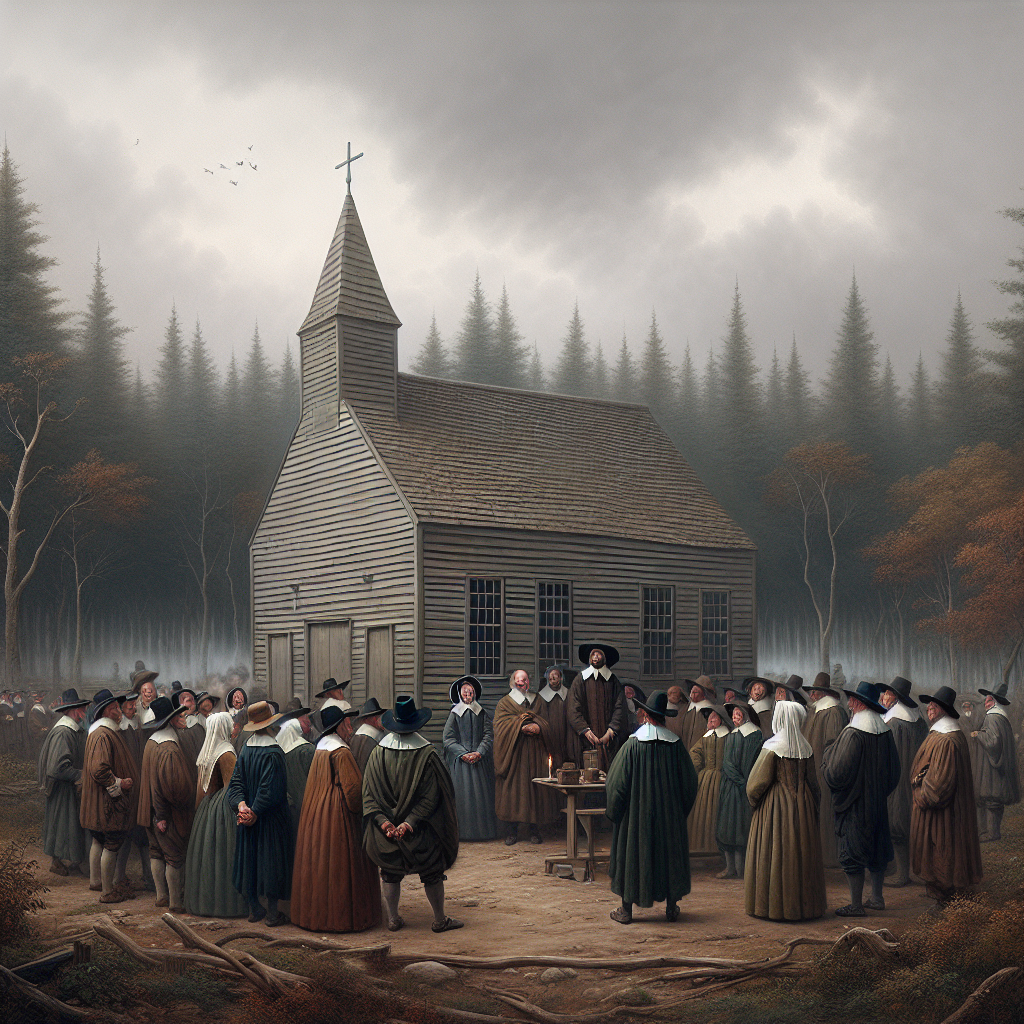
In 1630, John Winthrop stood aboard the Arbella and delivered a sermon that named what the Massachusetts Bay colonists believed they were doing: building "a city upon a hill," a covenanted community watched by the entire world and judged by God according to its faithfulness. The Puritans who crossed the Atlantic with him were not simply fleeing persecution — they had freedom to worship in England. They were fleeing a church they believed was still half-Catholic, and building in the wilderness of New England a model Christian society that would instruct the Old World by example. The ambition was total; the confidence, absolute.
The Puritan settlement was a genuine social experiment — and a genuinely illiberal one. Dissent was not accommodated: Anne Hutchinson, who challenged clerical authority with her own theological readings, was tried, excommunicated, and banished in 1638. Roger Williams, who argued that civil government had no authority over religious conscience, was expelled and founded Rhode Island in 1636. The Salem witch trials of 1692 — which sent 19 people to the gallows and one man to death by pressing — exposed what happens when a community locates moral certainty in collective consensus and treats deviation as evidence of satanic corruption.
Puritanism's direct religious hold faded within a generation of the founding; the Half-Way Covenant of 1662 already conceded that the covenant community's rigorous membership standards were proving unsustainable. But its cultural inheritance proved remarkably durable. The idea of America as a chosen nation with a providential mission, the moralism saturating American political rhetoric, the conviction that the country bears a special obligation to the world — these are Puritan inheritances that outlasted the theology that generated them. When John Kennedy and Ronald Reagan both invoked Winthrop's "city upon a hill," neither was speaking of Calvinist doctrine. Both were speaking of American exceptionalism, which is Puritanism in secular dress.

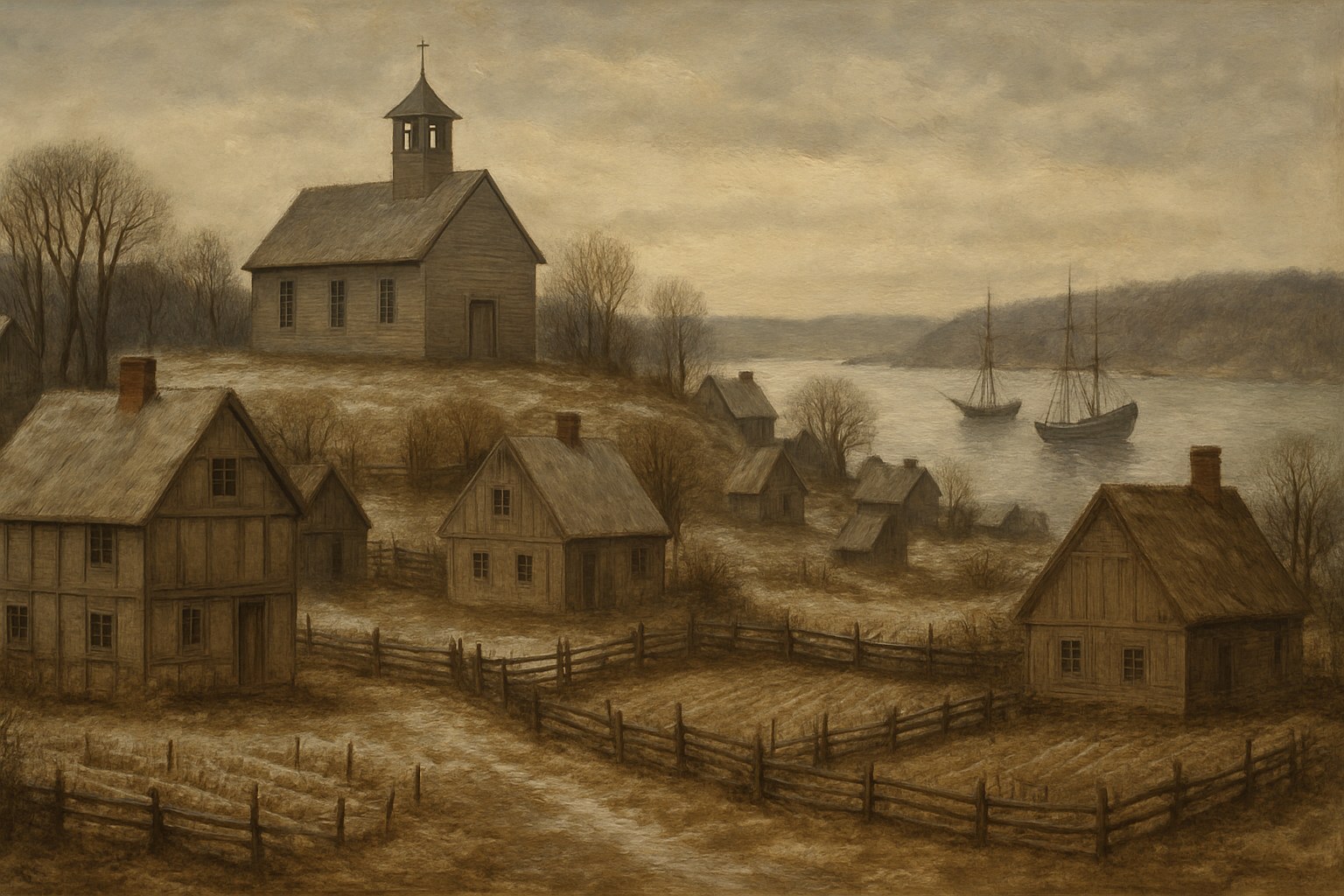
| Massachusetts Bay Colony | Founded 1630; John Winthrop, first governor |
| Winthrop's Sermon | "A Model of Christian Charity" — "city upon a hill," 1630 |
| Notable Expulsions | Roger Williams (1636 — founded Rhode Island); Anne Hutchinson (1638) |
| Salem Witch Trials | 1692 — 19 executed; 1 pressed to death; 150+ imprisoned |
| Half-Way Covenant | 1662 — concession that full covenant membership was declining |
| Legacy Concept | American exceptionalism — providential national mission |
| Modern Invocations | JFK (1961) and Reagan (1984) both quoted Winthrop's "city upon a hill" |
| Years | 1630 |
| Location | Boston, Massachusetts |