The Virginia Company
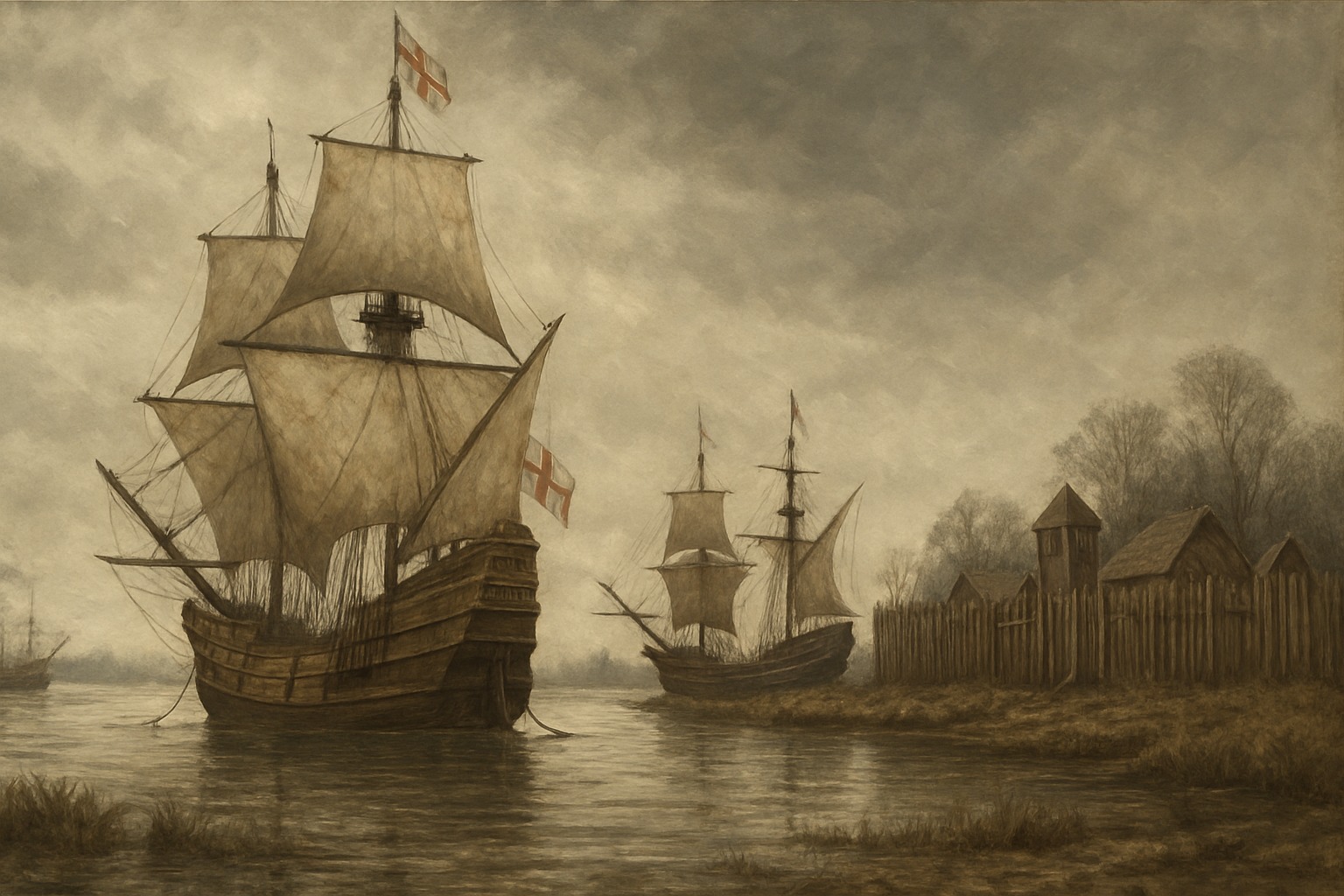
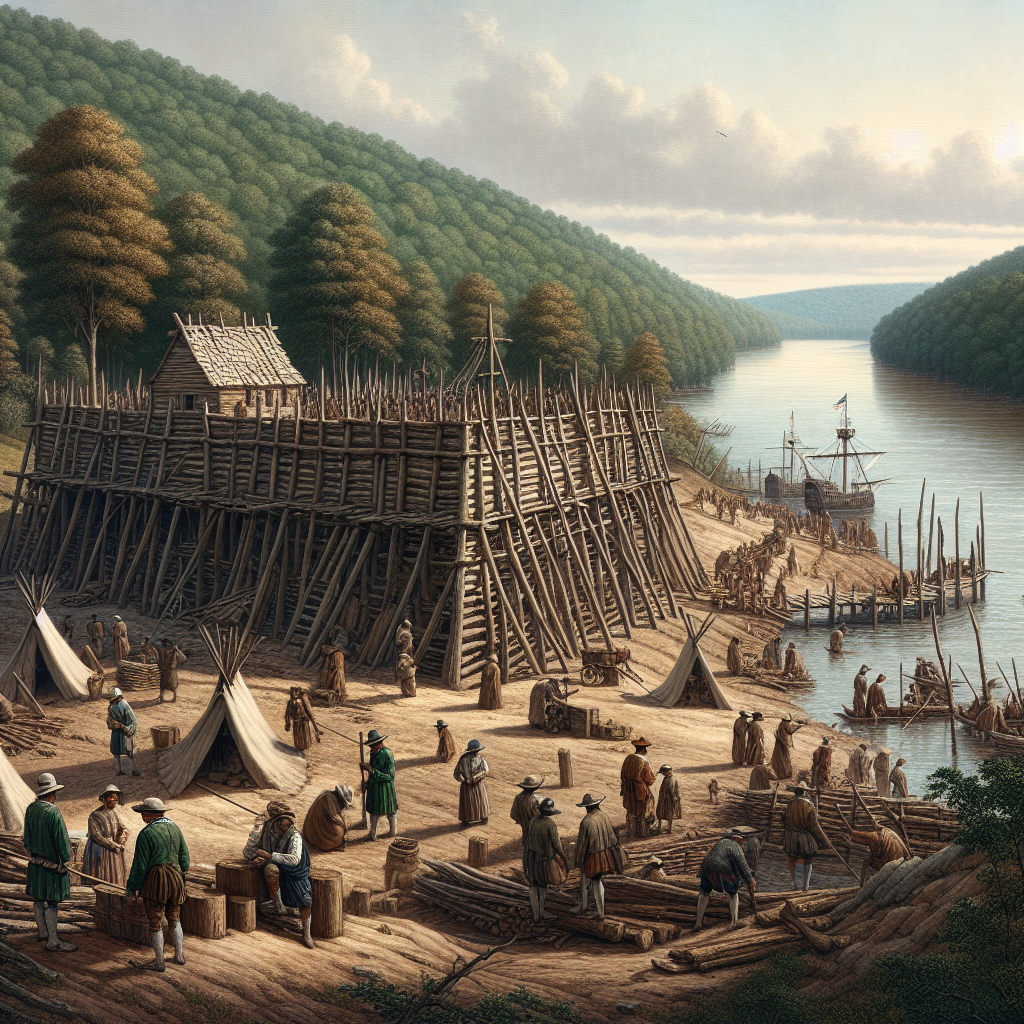
English America began not as a colony of the crown but as a business. In 1606 King James I granted a charter to the Virginia Company of London, a joint-stock venture that sold shares to investors betting they could turn a profit from the North American coast. The following spring the company landed about a hundred settlers on a marshy peninsula they named Jamestown, the first permanent English settlement in America — founded, financed, and governed not by a king but by a corporation chasing a return.
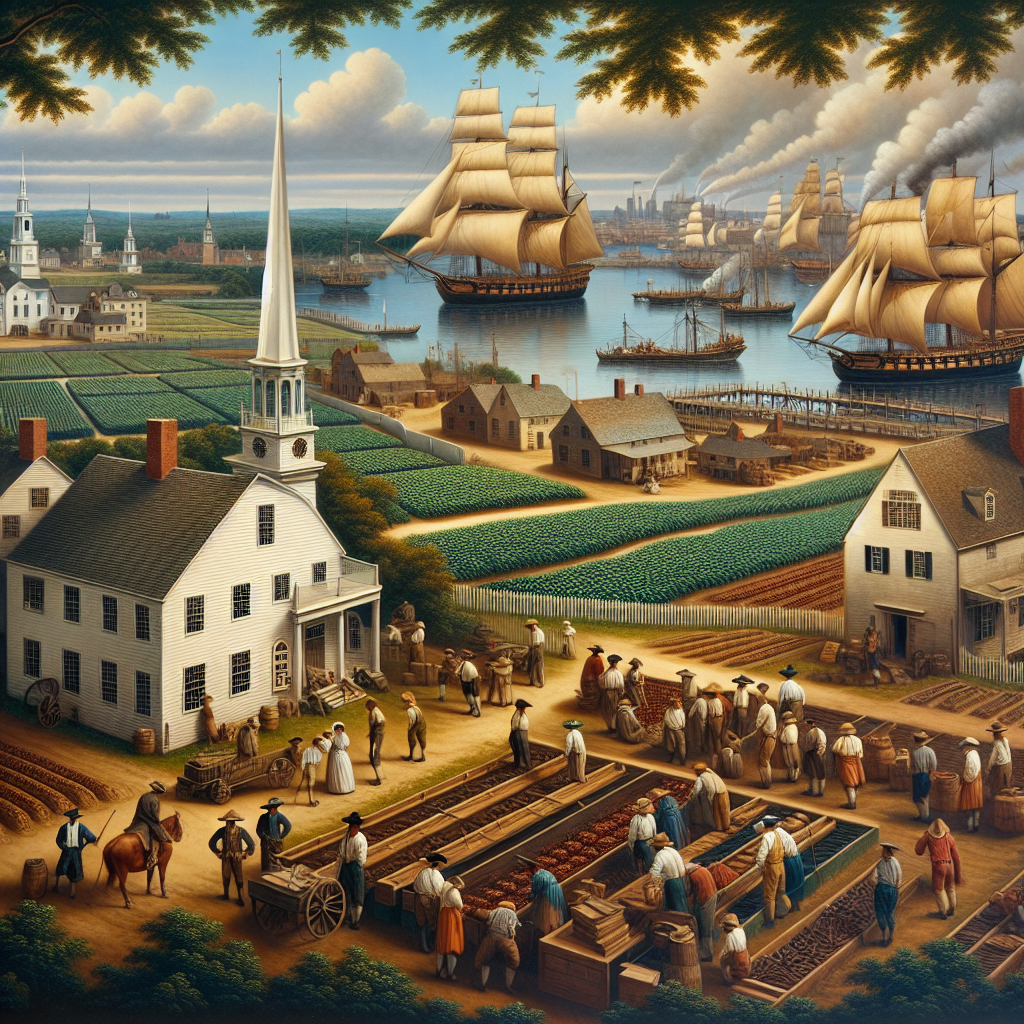
The investment nearly failed. The settlers, many of them gentlemen unsuited to labor, arrived expecting gold and found disease, starvation, and conflict with the Powhatan Confederacy instead. The winter of 1609 to 1610, remembered as the Starving Time, killed most of the colony. What finally made Virginia pay was not gold but tobacco, the addictive cash crop that John Rolfe began cultivating around 1612 and that soon became the company's — and the colony's — economic engine.
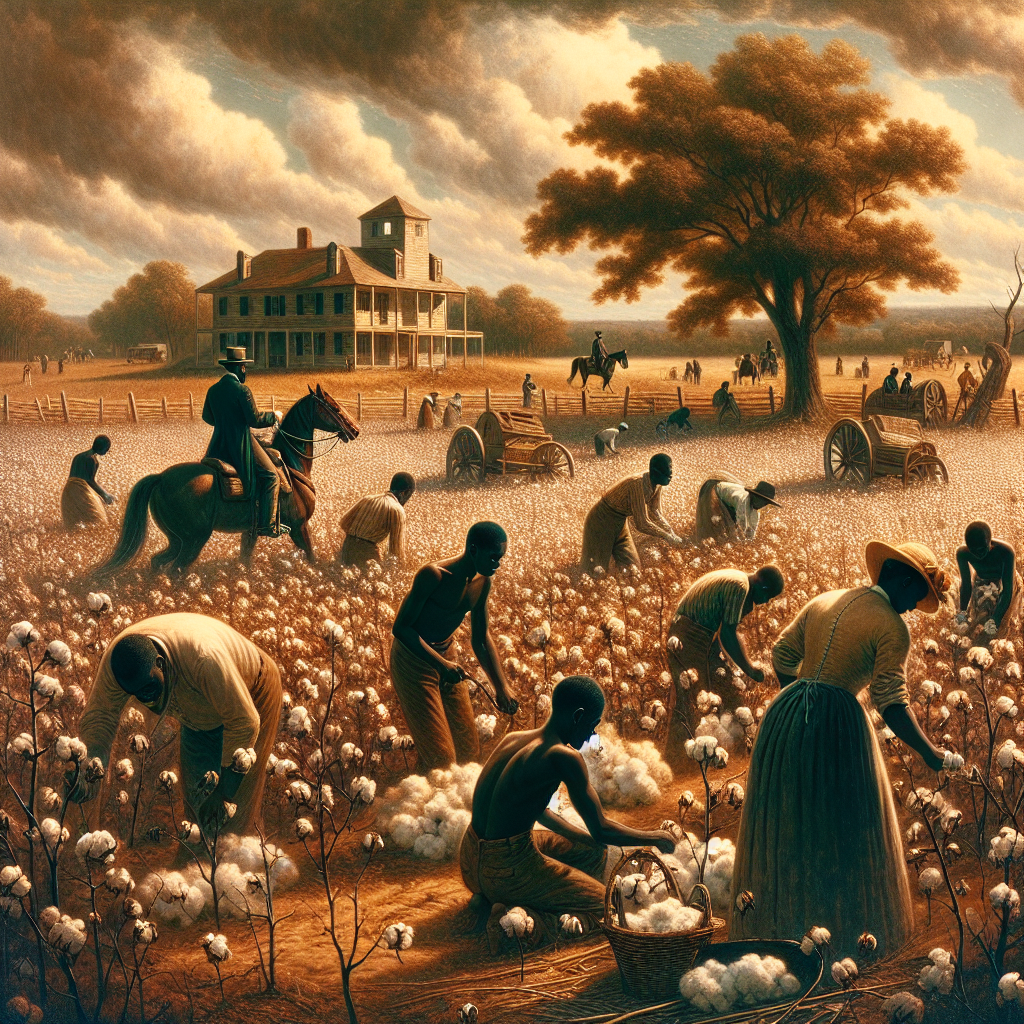
To attract settlers and labor, the company remade the colony's institutions. It offered land through the headright system, and in 1619 it authorized the House of Burgesses, the first representative legislative assembly in English America. That same year, an English privateer sold about twenty captive Africans at Jamestown, marking the beginning of African slavery in the colonies. Representative government and racial slavery, the two forces that would define American history, both took root under a corporate charter in a single year.
The company itself did not survive its own colony. Mismanagement, staggering settler death rates, and a devastating Powhatan attack in 1622 convinced the crown that the venture had failed. In 1624 James I revoked the charter and made Virginia a royal colony under direct royal control. The Virginia Company was gone, but its inventions endured — the joint-stock model that would fund empires, the tobacco economy, the elected assembly, and the plantation slavery that its search for profit had set in motion.
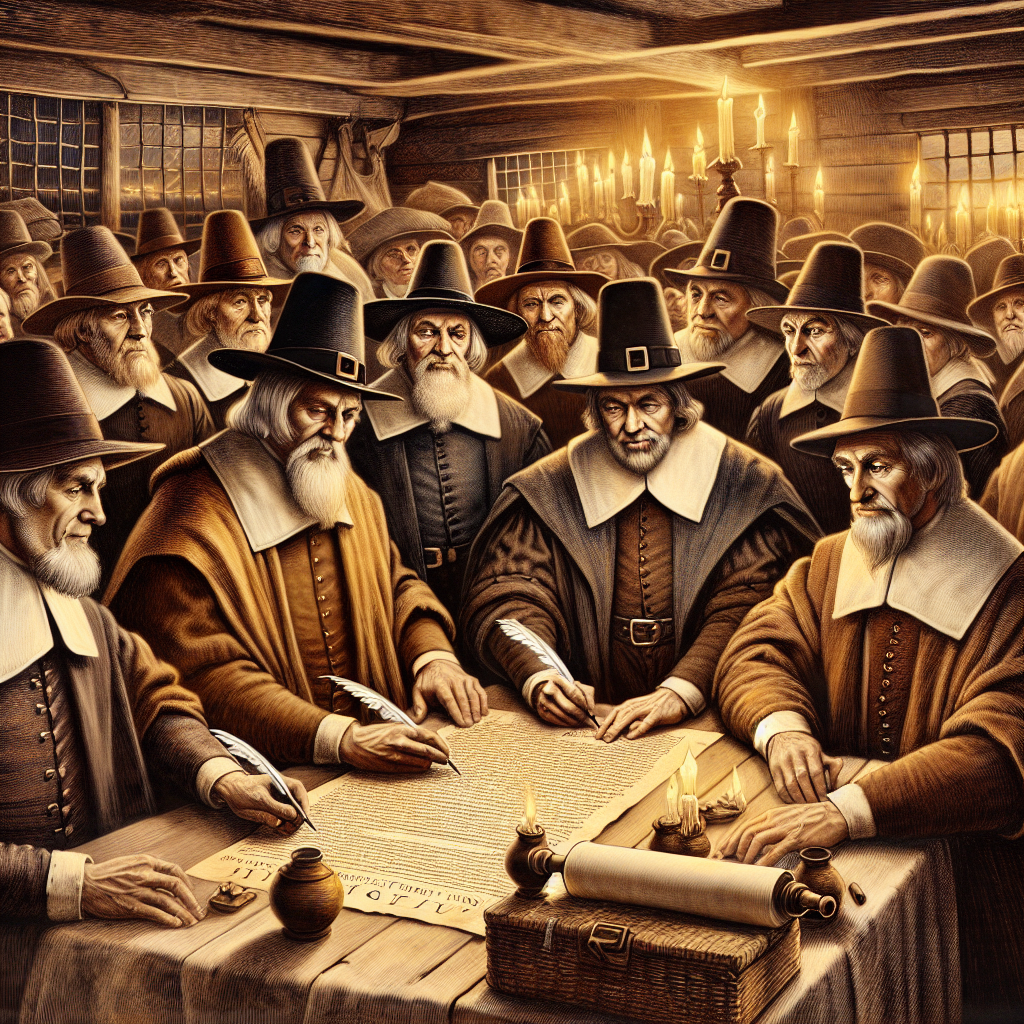

| Chartered | 1606, by King James I |
| Type | Joint-stock company (investor-owned) |
| Founded | Jamestown, 1607 — first permanent English settlement |
| Cash crop | Tobacco, cultivated by John Rolfe from c. 1612 |
| 1619 | House of Burgesses + first Africans arrive |
| Charter revoked | 1624 — Virginia became a royal colony |
| Date | 1606–1624 |
| Location | Jamestown, Virginia |