John Marshall
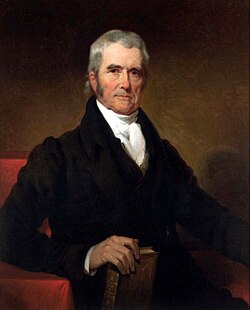
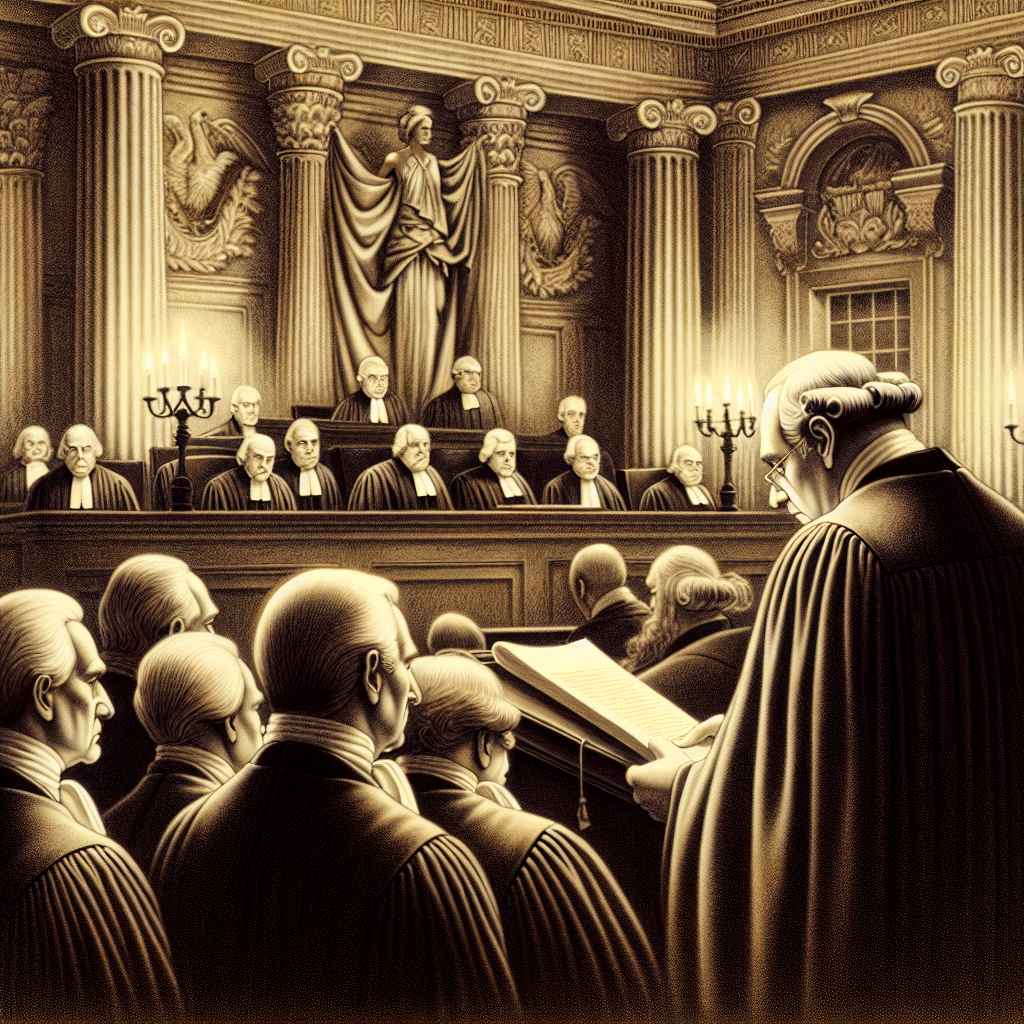
In the spring of 1801, John Adams's presidency was ending and Thomas Jefferson's was beginning, and Adams made one last appointment that would shape American government for longer than most presidencies last. He named John Marshall — his own Secretary of State, a fellow Virginian who shared almost none of Jefferson's politics — as Chief Justice of the United States. Marshall would serve for 34 years, longer than any Chief Justice in history, and use that tenure to construct the foundations of American constitutional law almost from scratch. When he took his seat, the Supreme Court was a minor institution. When he left it, no one would ever call it that again.
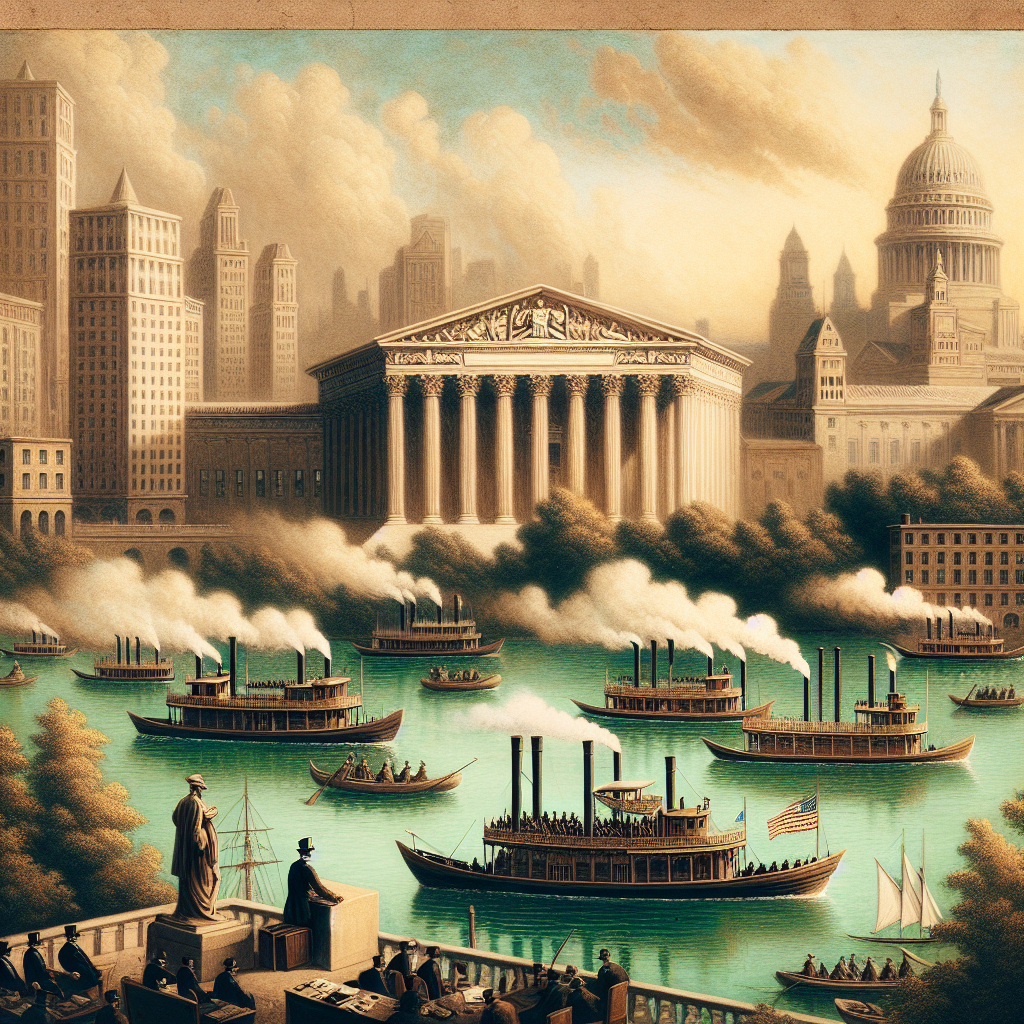
Marshall's opinions built the architecture of federal power. Marbury v. Madison established judicial review — the courts' authority to strike down unconstitutional laws. McCulloch v. Maryland confirmed that Congress held powers implied by the Constitution and that no state could tax a federal institution out of existence. Gibbons v. Ogden established federal authority over interstate commerce, clearing the way for a national economy. Each ruling went against the states'-rights orthodoxy of Jefferson and Madison — Marshall's own cousin and lifelong political adversary — and each became bedrock constitutional doctrine that has never been seriously challenged.
Marshall was a Federalist in an increasingly Jeffersonian age, and he managed the remarkable feat of expanding the Court's power without provoking the retaliation that would have dismantled it. He wrote opinions in plain, forceful prose — no legal jargon, no hedging — that forced readers to follow his logic to conclusions they might not have chosen themselves. Jefferson complained about him for decades. Story after story in constitutional law begins with Marshall. The republic he left behind was more unified, more legally coherent, and more capable of governing itself than the one he found.
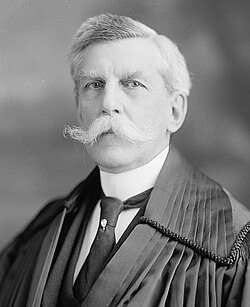
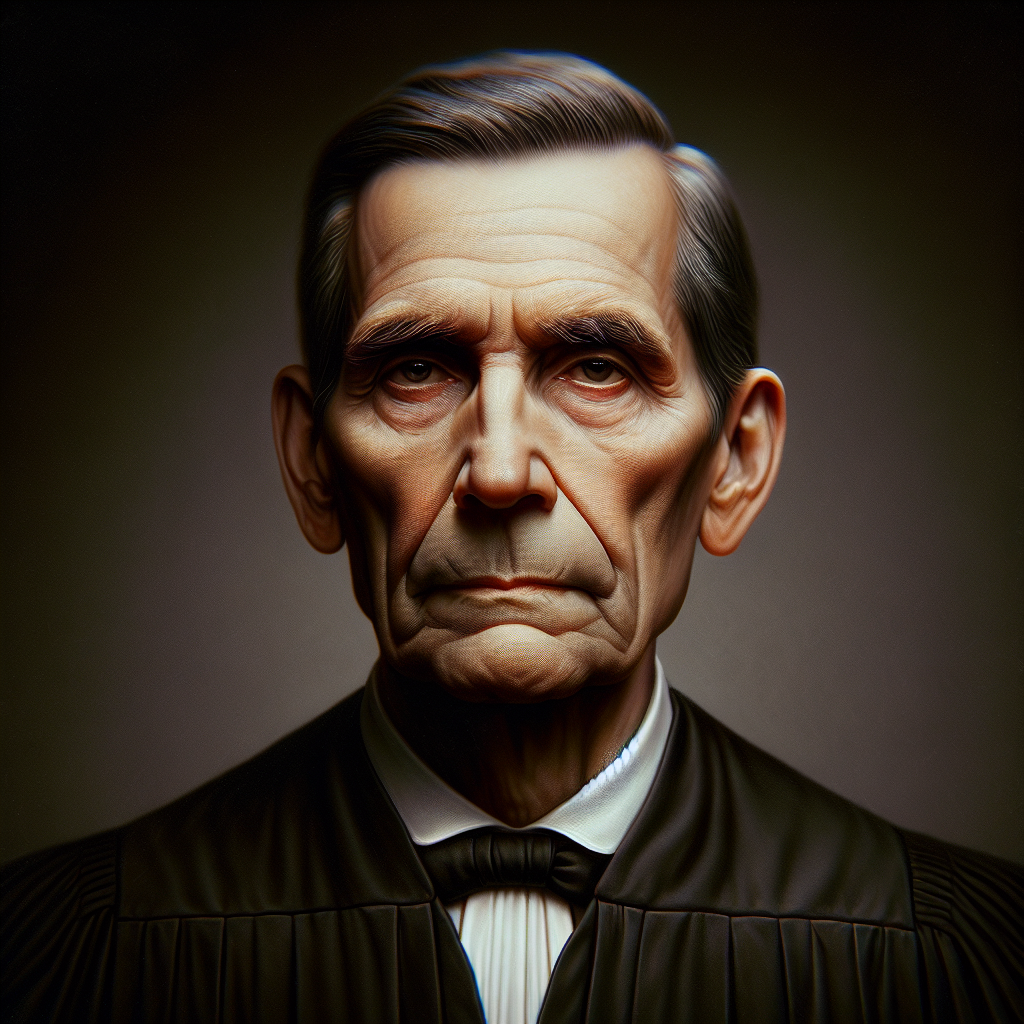
| Born | September 24, 1755 — Germantown, Virginia |
| Died | July 6, 1835 — Philadelphia, Pennsylvania |
| Role | 4th Chief Justice of the United States |
| Tenure | 1801–1835 — 34 years, longest in history |
| Appointed By | President John Adams |
| Key Cases | Marbury v. Madison (1803); McCulloch v. Maryland (1819); Gibbons v. Ogden (1824) |
| Party | Federalist |
| Years | 1755–1835 |
| Location | Washington, D.C. |