The Second Amendment
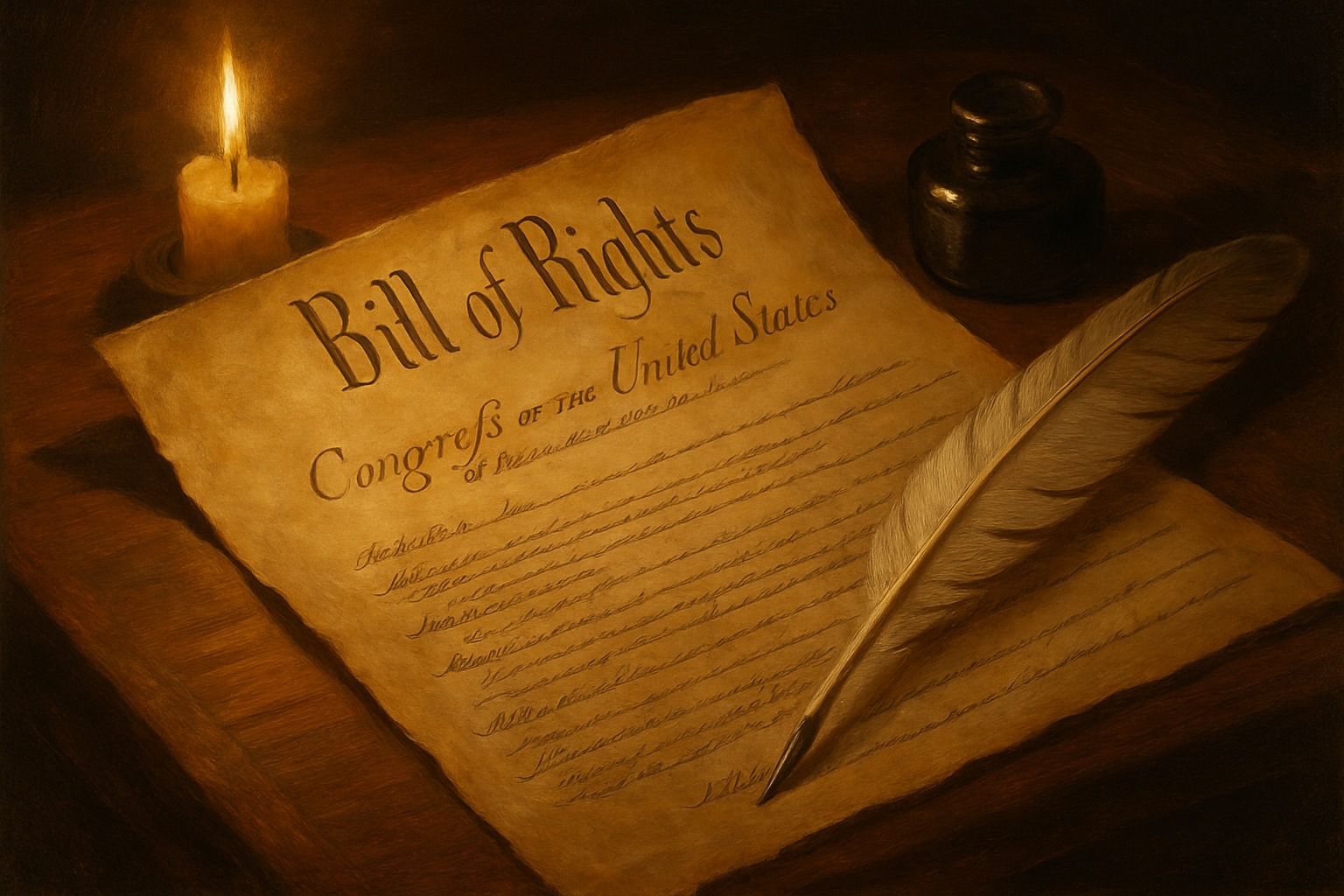
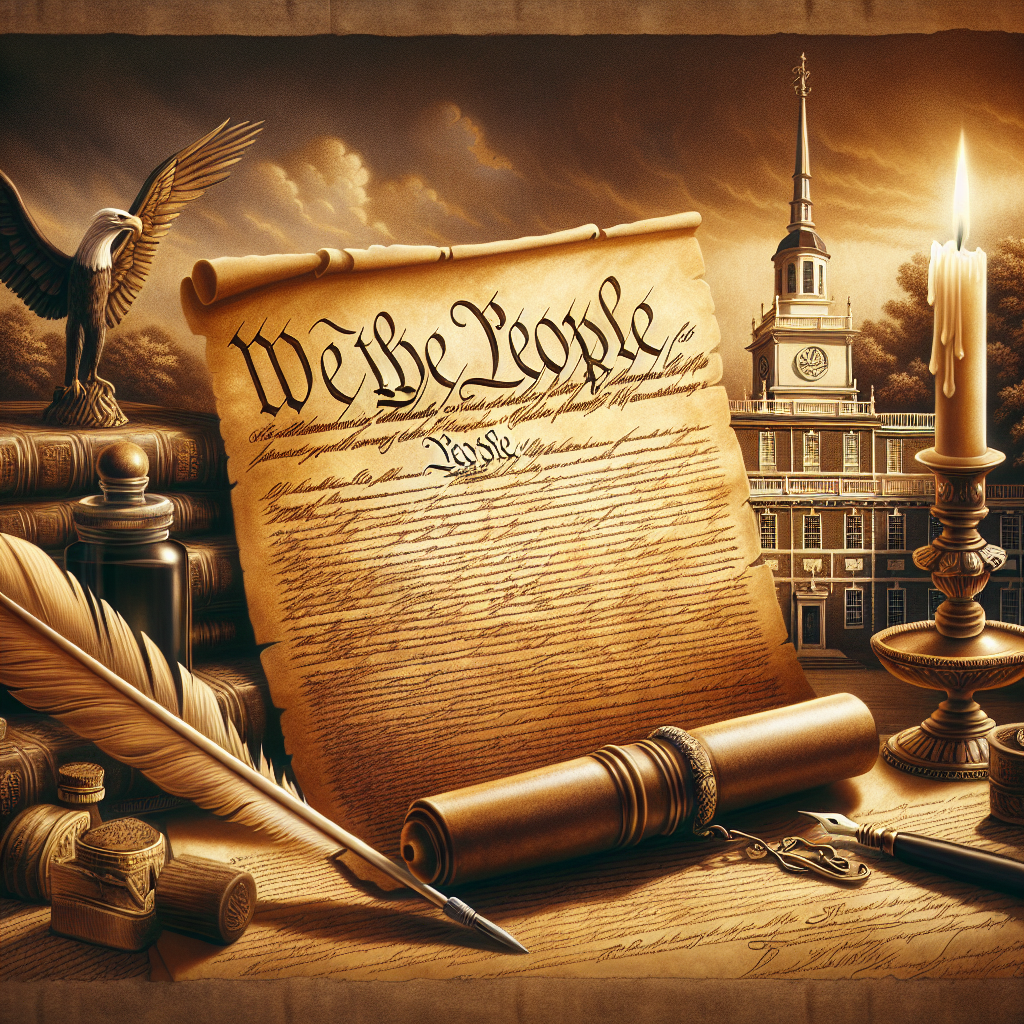
Ratified in 1791 as part of the Bill of Rights, the Second Amendment reads in full: "A well regulated Militia, being necessary to the security of a free State, the right of the people to keep and bear Arms, shall not be infringed." Few sentences in American law have generated more argument, in large part because its single sentence yokes a stated purpose about militias to a broad declaration about the people's right.
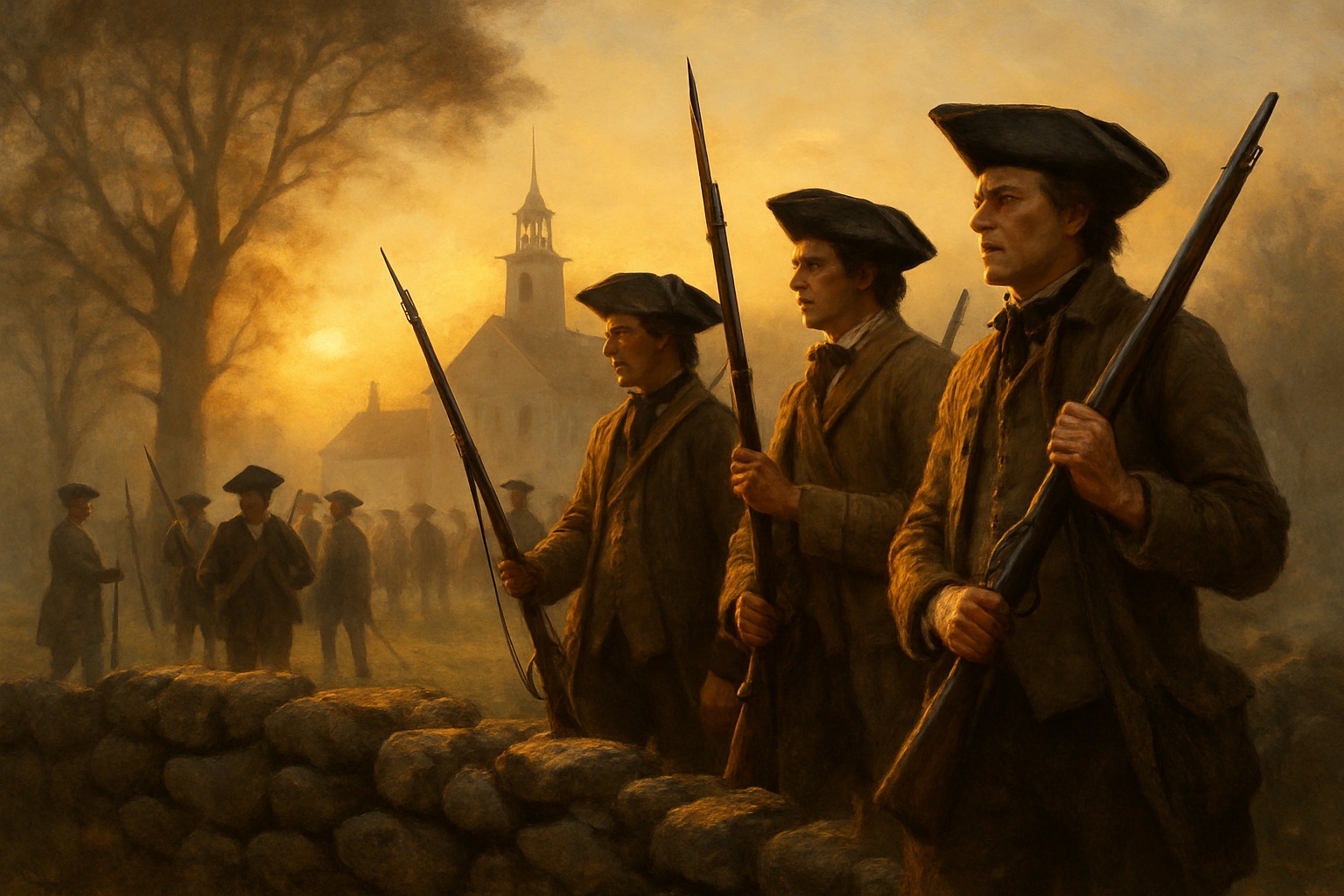
The founders wrote it in a world wary of standing armies, where defense rested on citizen militias and many states feared a powerful federal government might disarm them. For most of the nation's history, courts read the amendment narrowly, treating it as tied to militia service, and gun regulation at the state and local level was common and largely unchallenged on constitutional grounds.
That changed in 2008. In District of Columbia v. Heller, the Supreme Court ruled for the first time that the amendment protects an individual right to keep a handgun at home for self-defense, untethered from militia service. Two years later, McDonald v. Chicago extended that right against the states, and in 2022 Bruen further expanded it to public carry — a sequence of decisions that reshaped American gun law in a single generation.
The amendment now sits at the heart of one of the country's most intractable divides. Supporters treat it as a fundamental guarantee of personal liberty and self-defense; critics point to a rate of gun deaths far above that of other wealthy nations and argue the modern individual-right reading distorts the founders' intent. The debate shows no sign of resolution.

| Ratified | December 15, 1791 (Bill of Rights) |
| Text | 27 words linking militias and the right to bear arms |
| Heller (2008) | Affirmed an individual right to a handgun at home |
| McDonald (2010) | Applied the right against the states |
| Bruen (2022) | Extended the right to public carry |
| Debate | Central to U.S. gun policy disputes |
| Date | Ratified December 15, 1791 |
| Location | United States |