The Minutemen
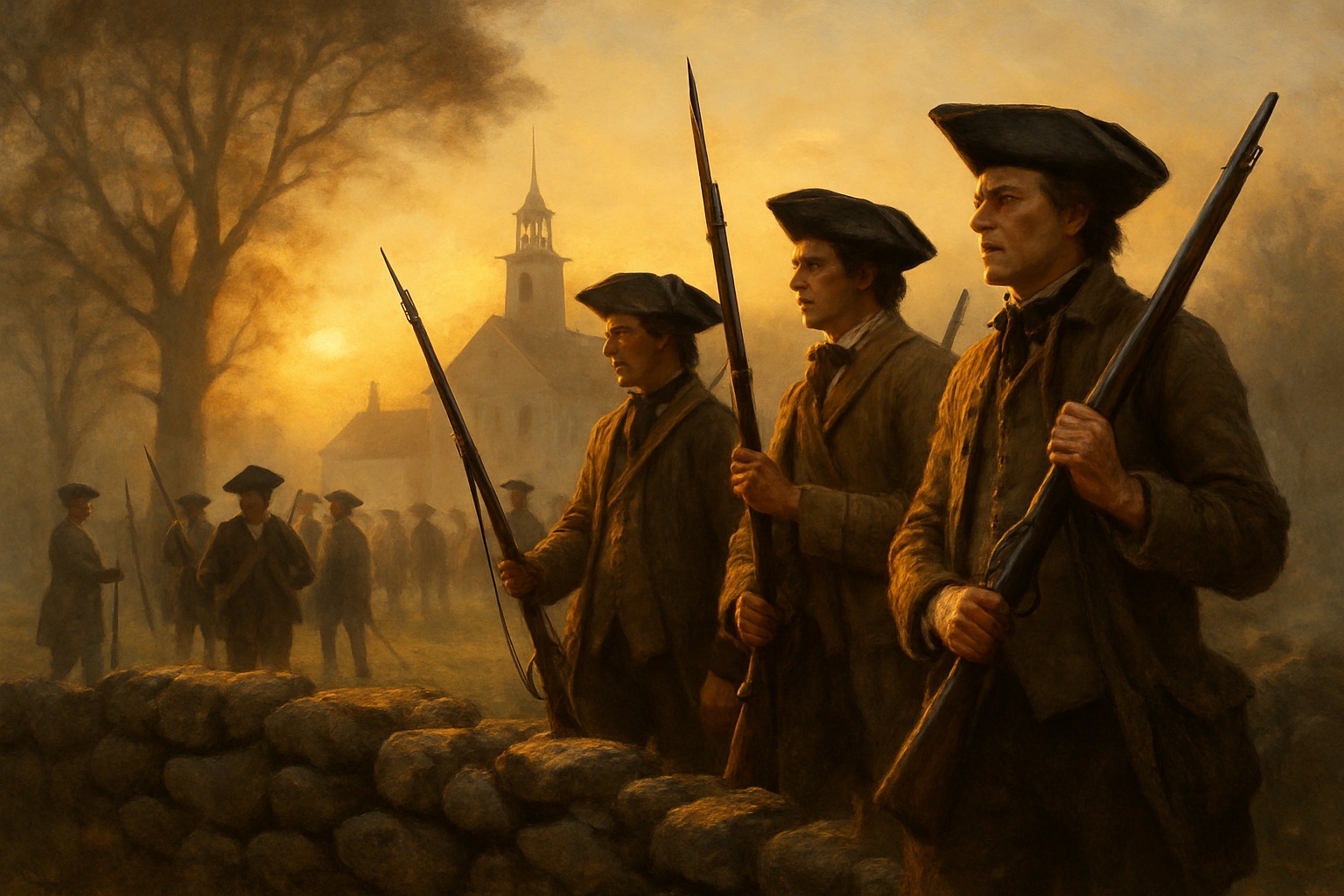
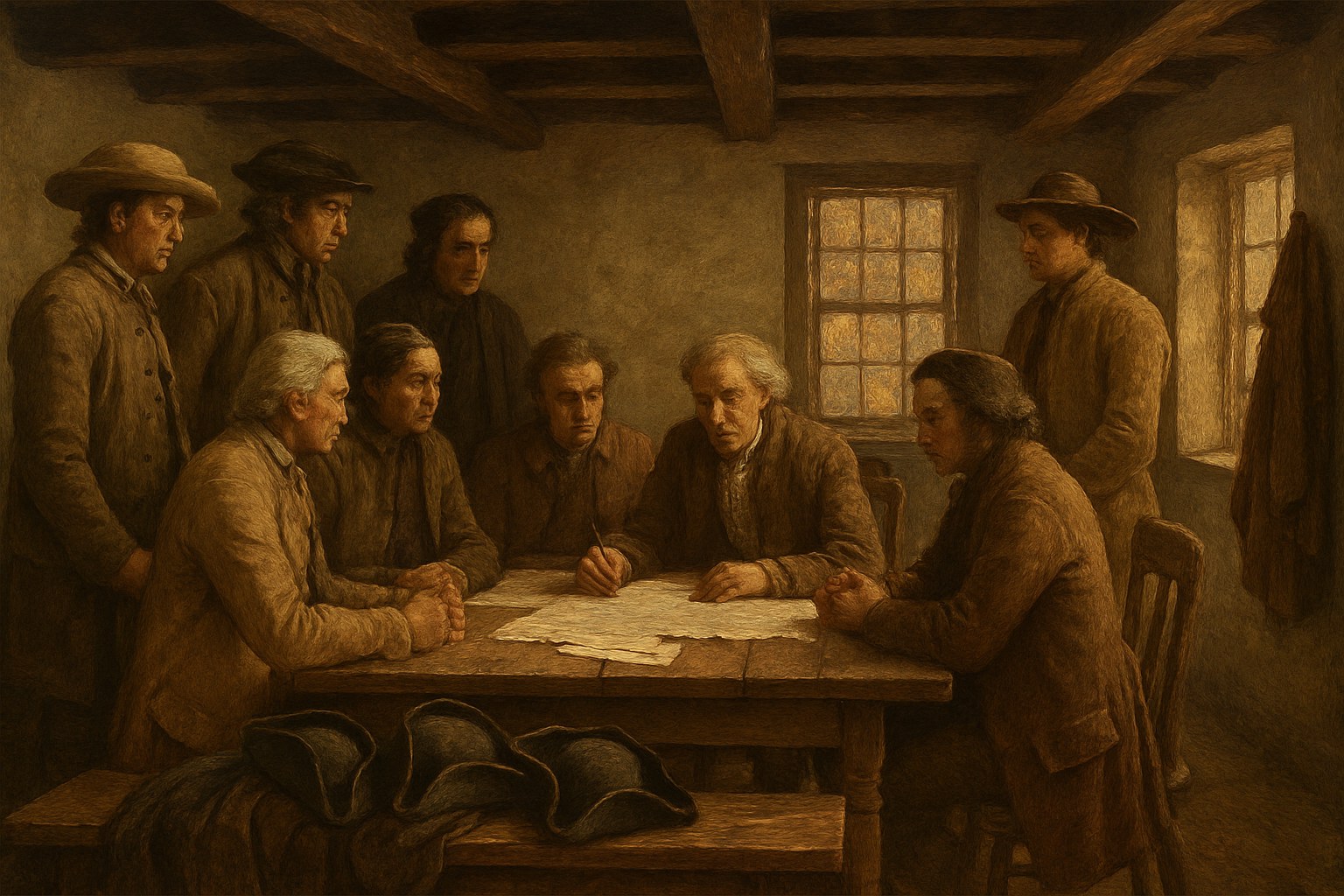
In the tense months before the American Revolution, Massachusetts towns reorganized their militias for speed. Out of the general muster — every able-bodied man between sixteen and sixty — each town drew off a quarter of its ranks into special companies sworn to turn out fully armed at a minute's warning. These were the minutemen, younger and quicker than the militia as a whole, drilling on village greens through the winter of 1774 to 1775 while colonial leaders stockpiled powder and shot against the day the British army marched.
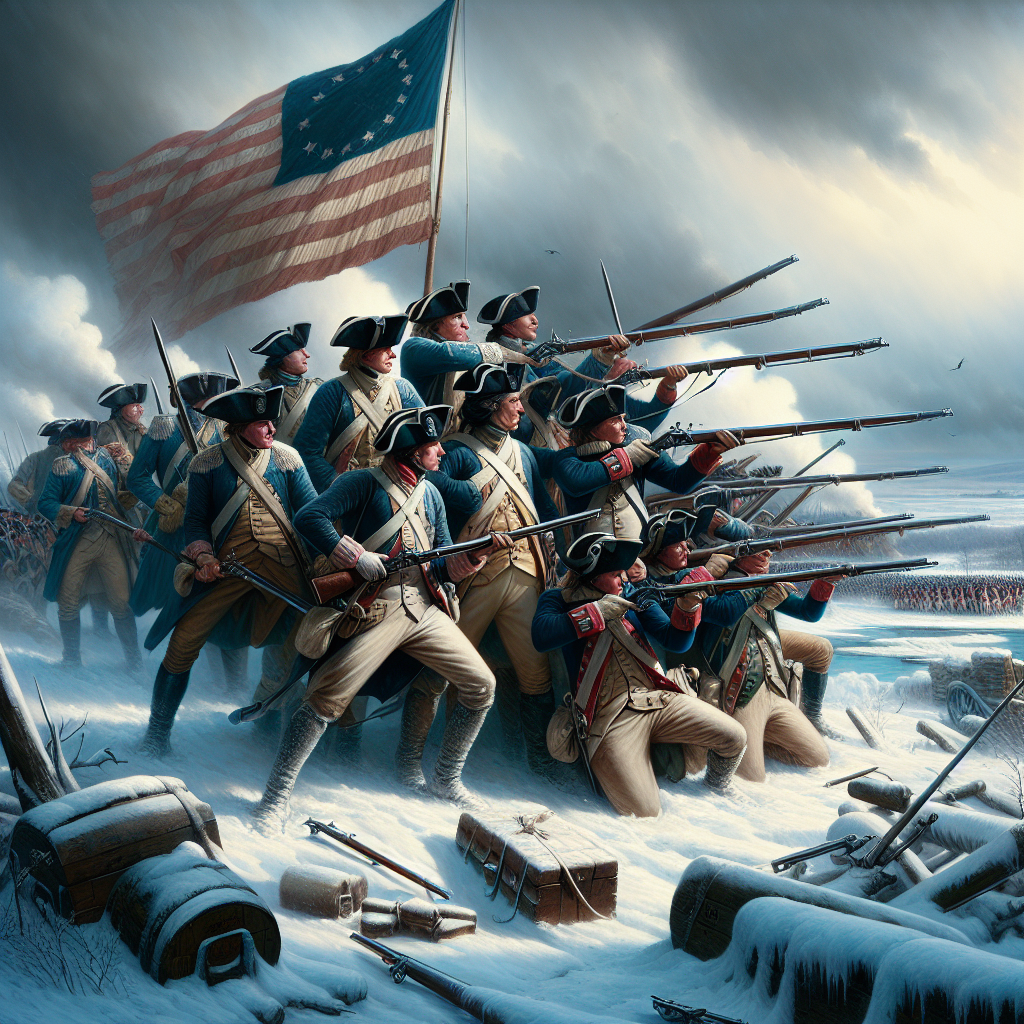
That day came on April 19, 1775. When some seven hundred British regulars moved from Boston toward Concord to seize a cache of arms, riders including Paul Revere spread the alarm through the countryside. At dawn the minutemen of Lexington faced the column on the village green, where a shot of disputed origin left eight colonists dead. Hours later, at Concord's North Bridge, the militia turned the regulars back and harried them in a running fight all the way to Boston — the opening battle of the Revolution and the moment a poet later called the shot heard round the world.
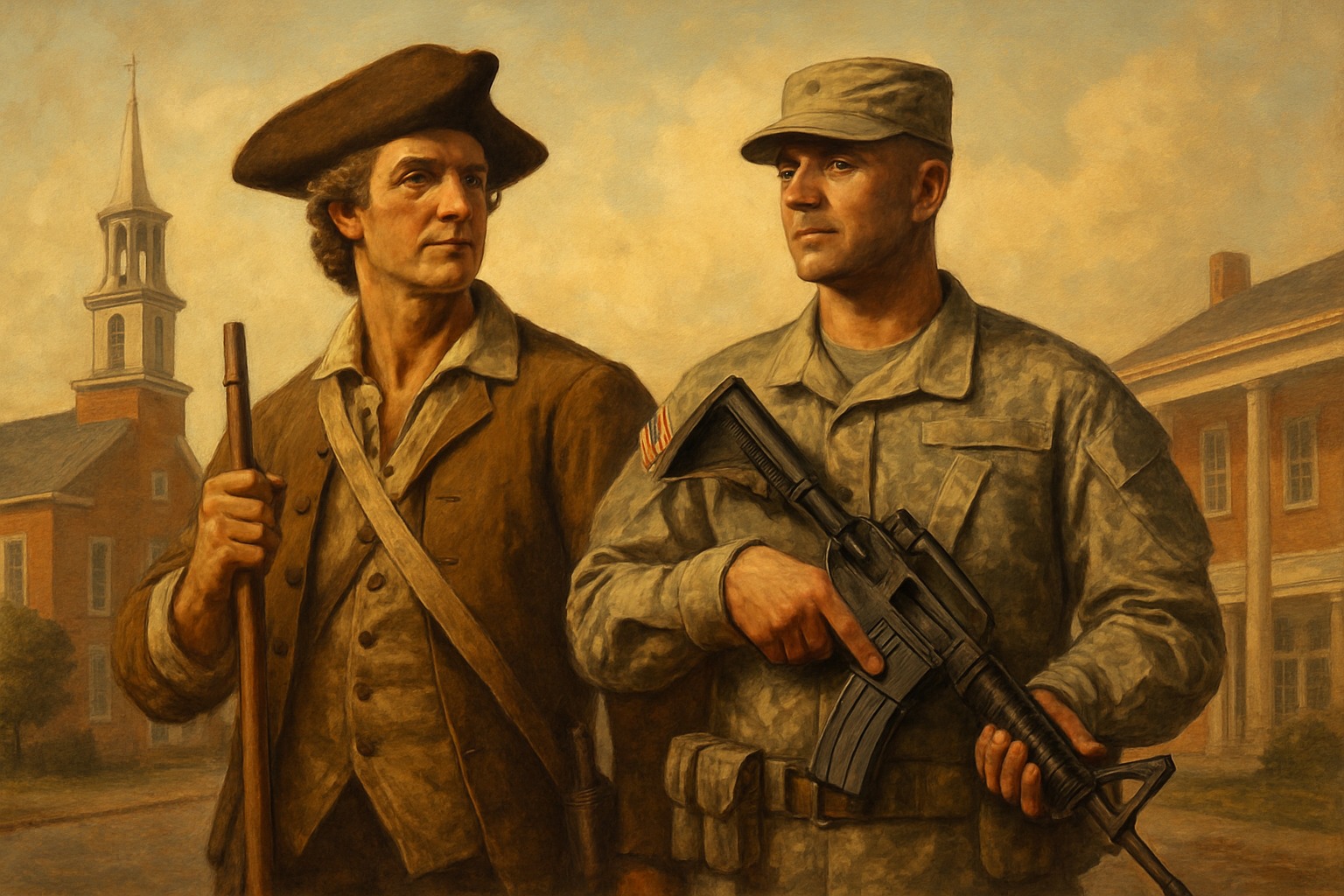
The minutemen drew on a militia tradition as old as the colonies, rooted in the idea that free men should defend their communities themselves rather than trust a standing army. That conviction outlasted the war. It shaped the wary American view of permanent military forces, fed the debate over a citizen militia that surfaced in the Second Amendment, and survives in the modern National Guard, which traces its lineage to those colonial companies. The ideal of the armed citizen ready in an instant became a fixture of how the republic imagined its own defense.
The image proved as durable as the idea. Daniel Chester French's statue The Minute Man, unveiled at Concord's North Bridge in 1875 for the centennial, fixed the figure in bronze — a farmer with one hand on a plow and the other on a musket. The name was borrowed again and again, by Cold War missile programs, civil-defense posters, and political movements across the spectrum, each claiming the minuteman's aura of vigilant, homegrown readiness. Few symbols of the founding era carry so much weight with so plain an origin.
| What | Select colonial militia companies ready at a minute's notice |
| Where | Chiefly Massachusetts, 1774–1775 |
| First Fight | Lexington and Concord, April 19, 1775 |
| Tradition | Rooted in the colonial citizen-militia ideal |
| Legacy | Lineage of the National Guard — and the debate behind the Second Amendment |
| Monument | The Minute Man statue by Daniel Chester French, Concord, 1875 |
| Date | 1774–1775 |
| Location | Concord, Massachusetts |