Richard Henry Lee
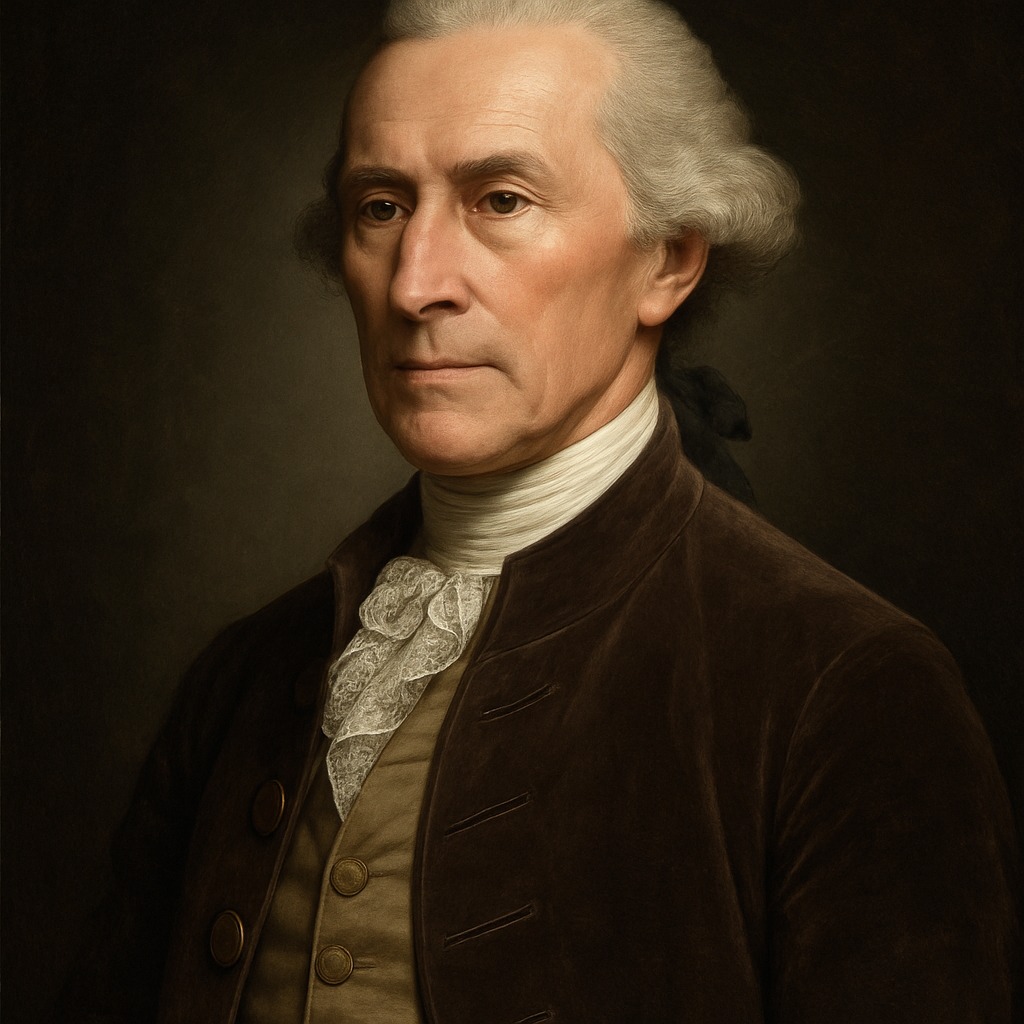
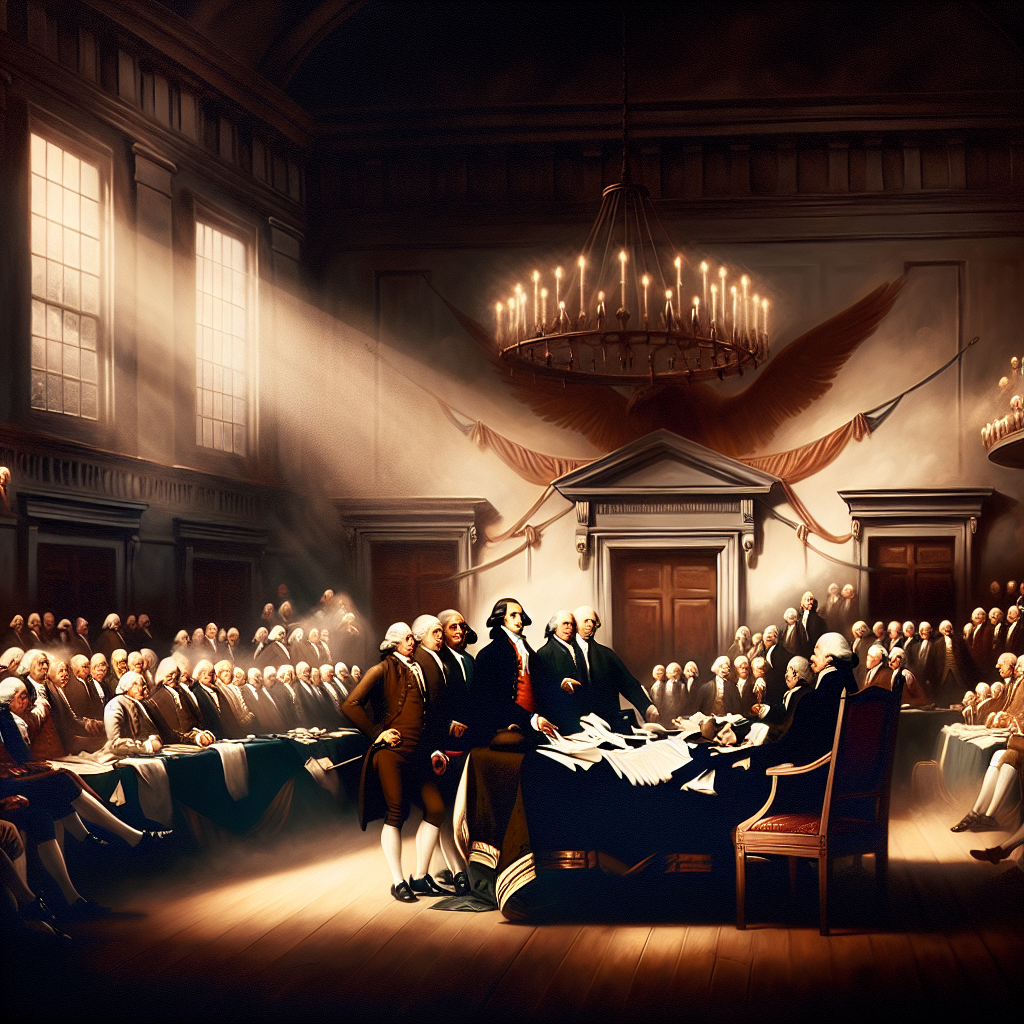
On June 7, 1776, Richard Henry Lee rose in the Continental Congress and offered the motion that set everything else in motion: "that these United Colonies are, and of right ought to be, free and independent States." The Lee Resolution forced the question Congress had been circling for a year, and it was to justify Lee's motion — adopted on July 2 — that Thomas Jefferson drafted the Declaration of Independence.
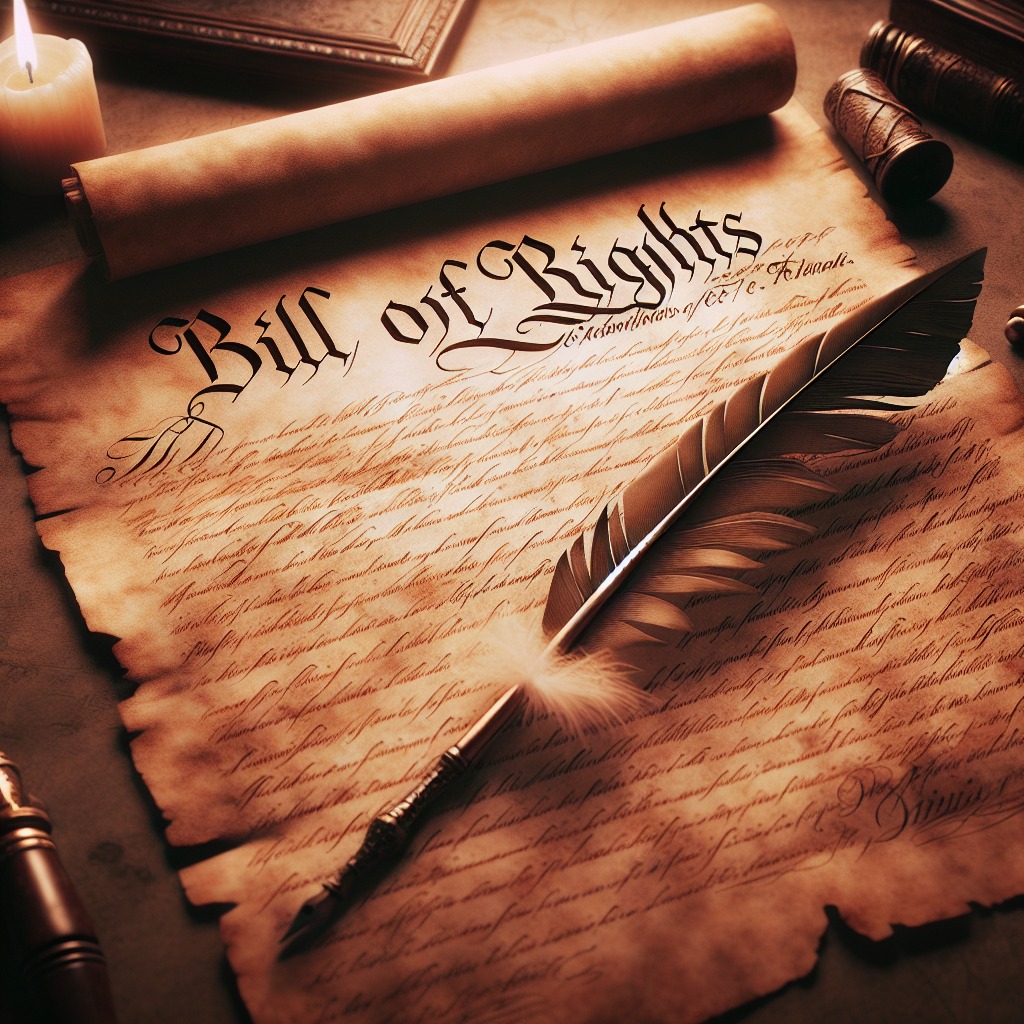
A member of one of Virginia's leading families, Lee had been an early and outspoken opponent of British taxation, helping organize the committees of correspondence that knit the colonies together. He signed the Declaration, served in Congress, and later sat in the first United States Senate — where, as an Antifederalist, he pressed for the Bill of Rights that the new Constitution had omitted.
Lee is often eclipsed by the document his resolution produced, but the formal break with Britain carries his fingerprints: independence was, procedurally, his motion before it was anyone's prose.

| Born | January 20, 1732 — Westmoreland County, Virginia |
| Died | June 19, 1794 — Westmoreland County, Virginia |
| From | Virginia |
| Known for | The Lee Resolution for independence, June 7, 1776 |
| Later | U.S. Senator and advocate for the Bill of Rights |
| Years | 1732–1794 |
| Location | Westmoreland County, Virginia |