The American Revolution
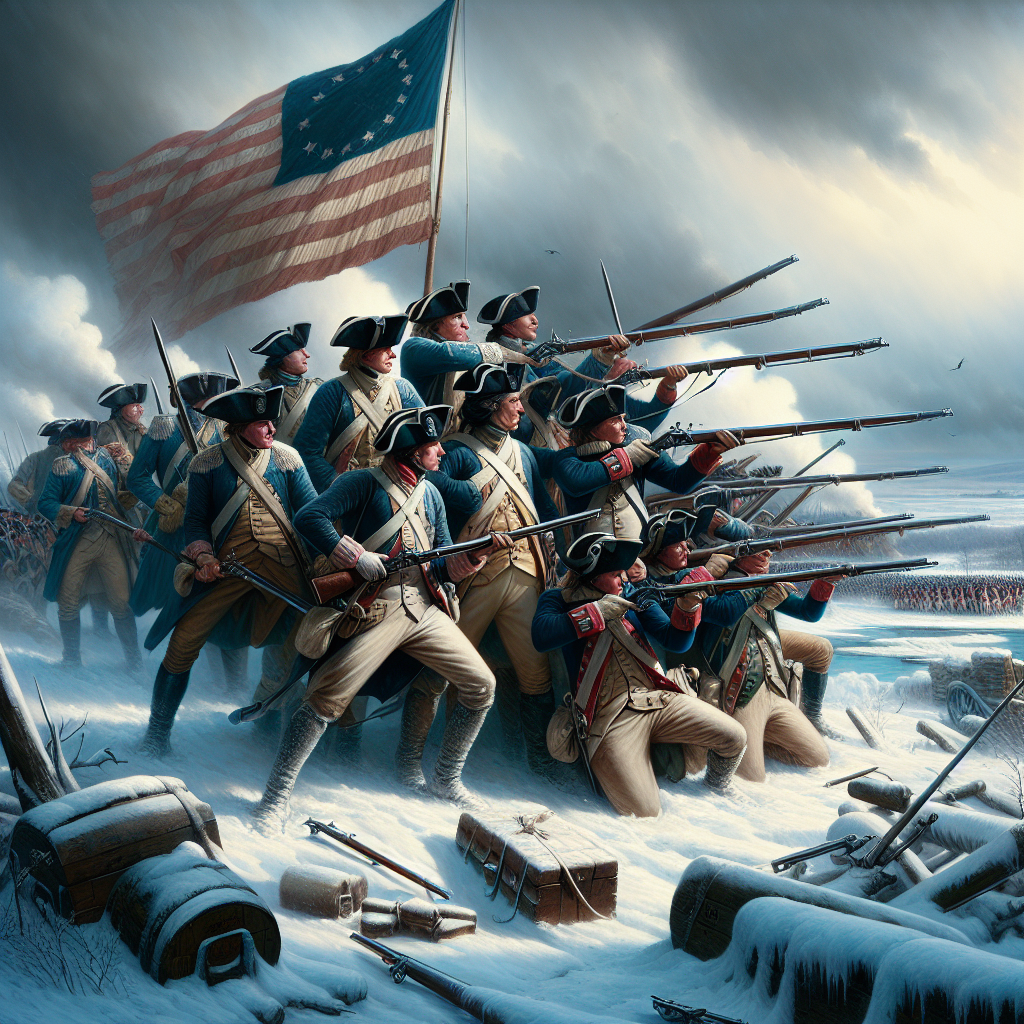
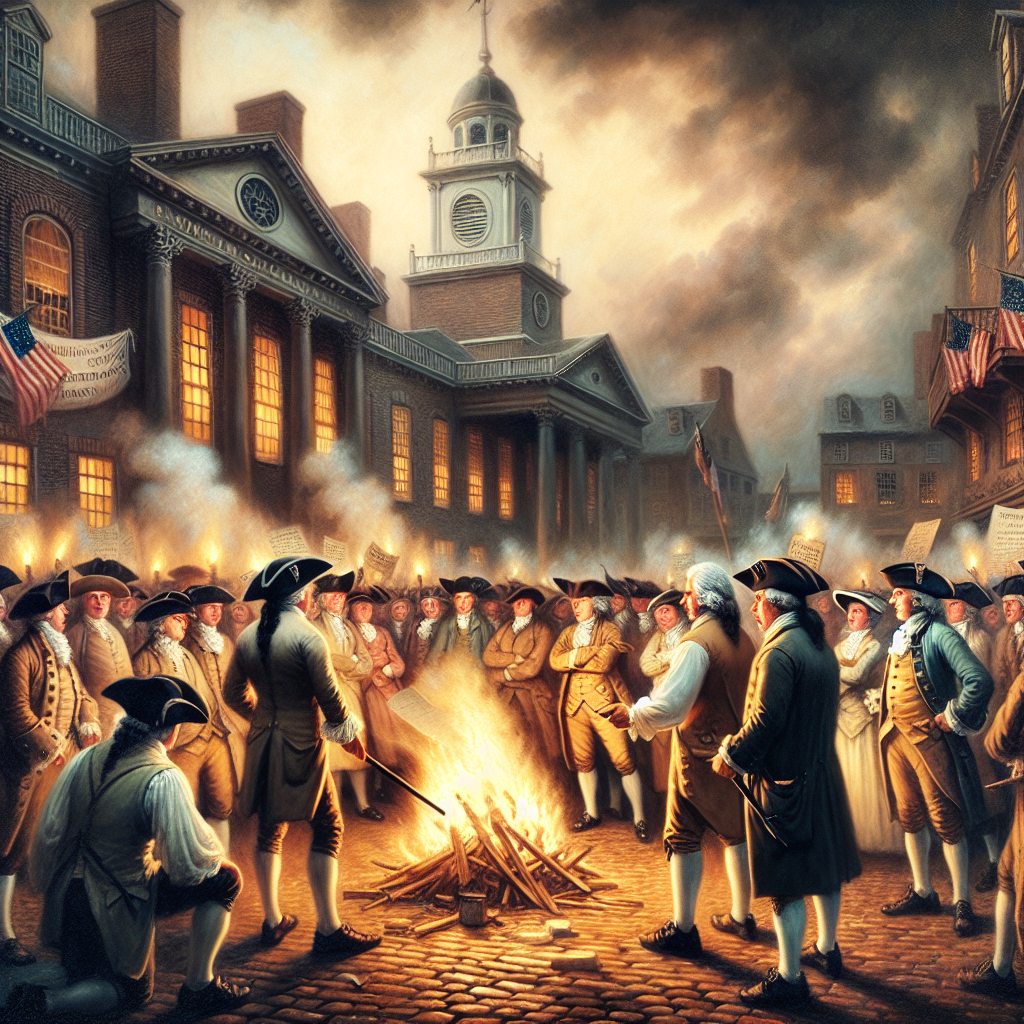
The first shots at Lexington and Concord on April 19, 1775, were not the beginning of the conflict — they were the moment a decade-long political crisis became a shooting war. Tensions between Britain and its American colonies had built over taxation without representation, troops quartered in civilian homes, and trade restrictions that enriched London at colonial expense. What began as a dispute over parliamentary authority ended eight years later as the first successful colonial revolution in the modern world.
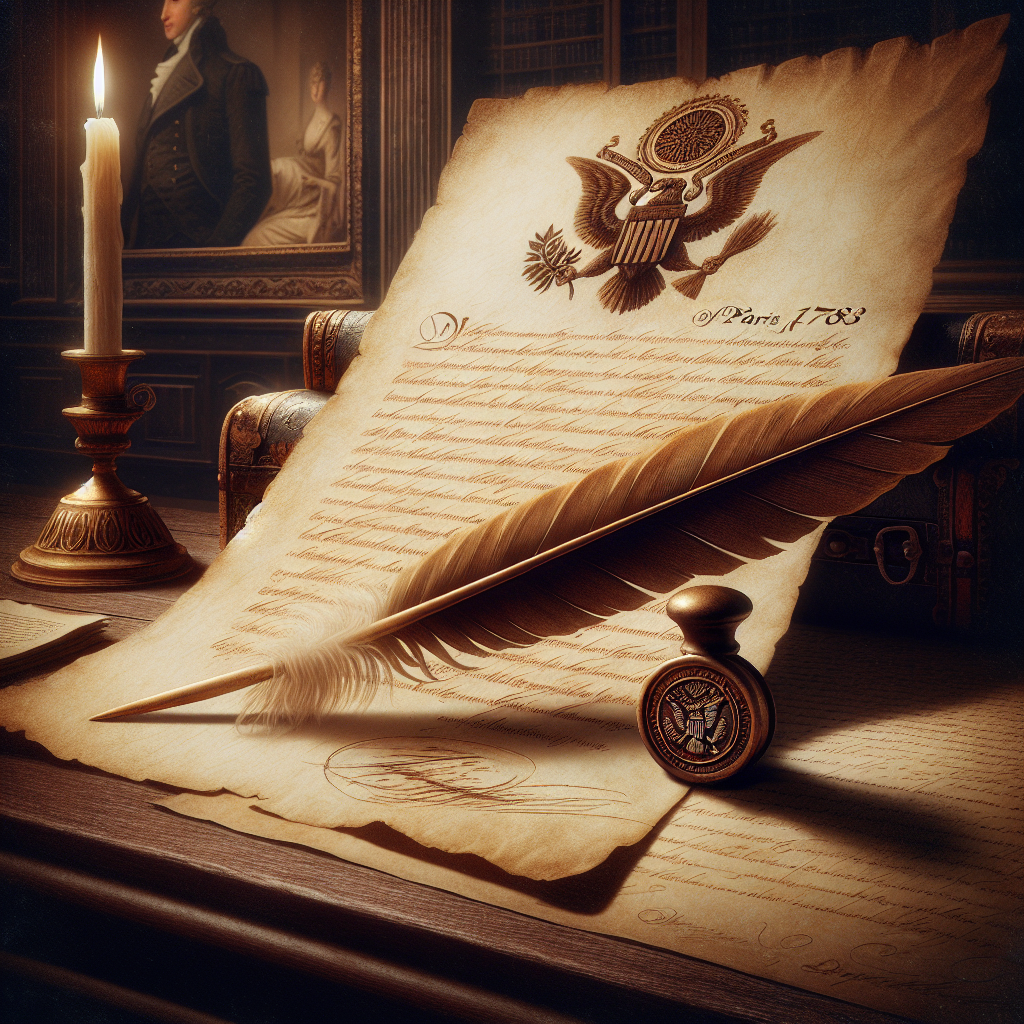
The war's outcome was never certain. The Continental Army was chronically underfunded, undersupplied, and outgunned by the most powerful military on earth. George Washington's strategy became one of attrition — avoid decisive defeat, keep a force in the field, wait for Britain's political will to erode. The French alliance secured after the American victory at Saratoga in 1777 changed the calculus entirely, bringing money, ships, and eventually troops that made the siege at Yorktown possible. Cornwallis's surrender in October 1781 effectively ended the fighting; the Treaty of Paris formalized independence in 1783.
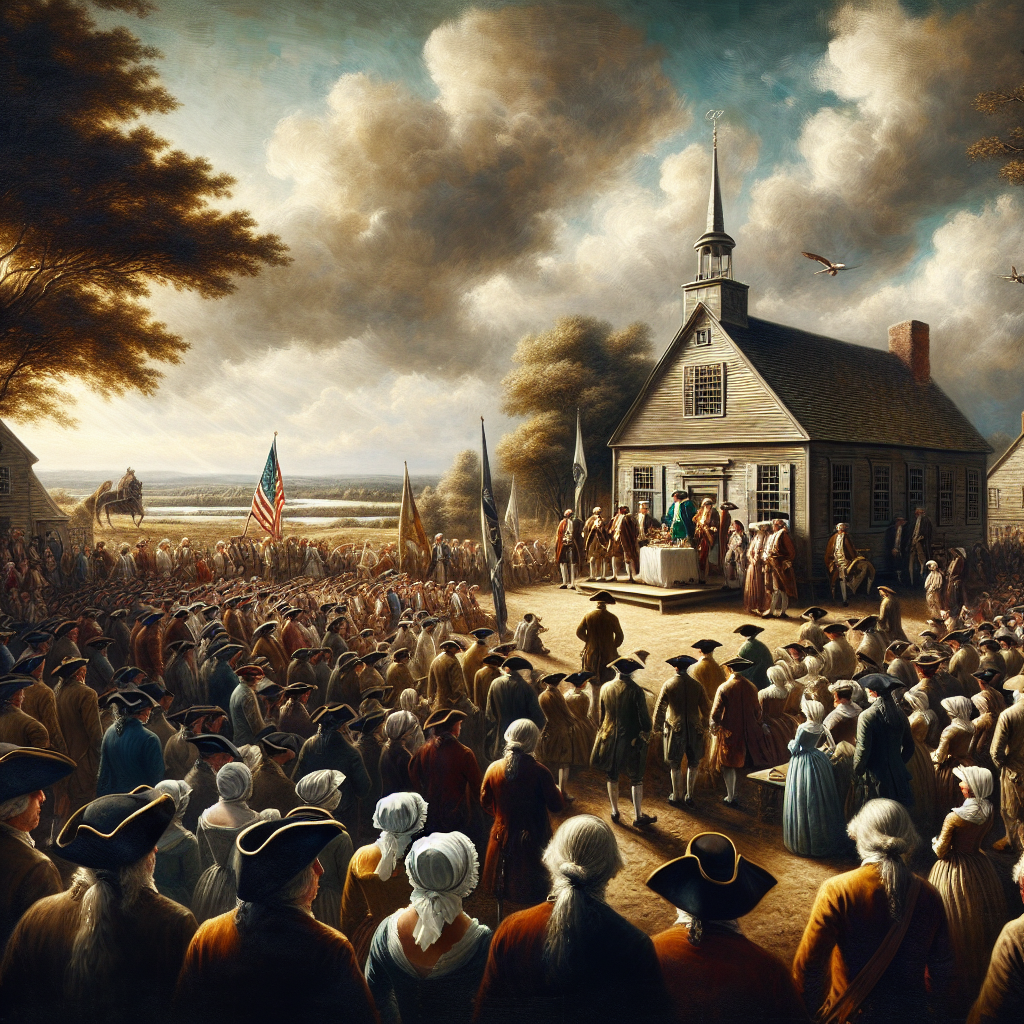
The Revolution's consequences ran far beyond American borders. It produced a working model of republican self-government that European reformers studied and adapted — France in 1789, Latin America across the 1810s, and beyond. Its founding documents encoded ideals — equality, natural rights, consent of the governed — that Americans would spend the following two centuries arguing over, expanding, and sometimes betraying.
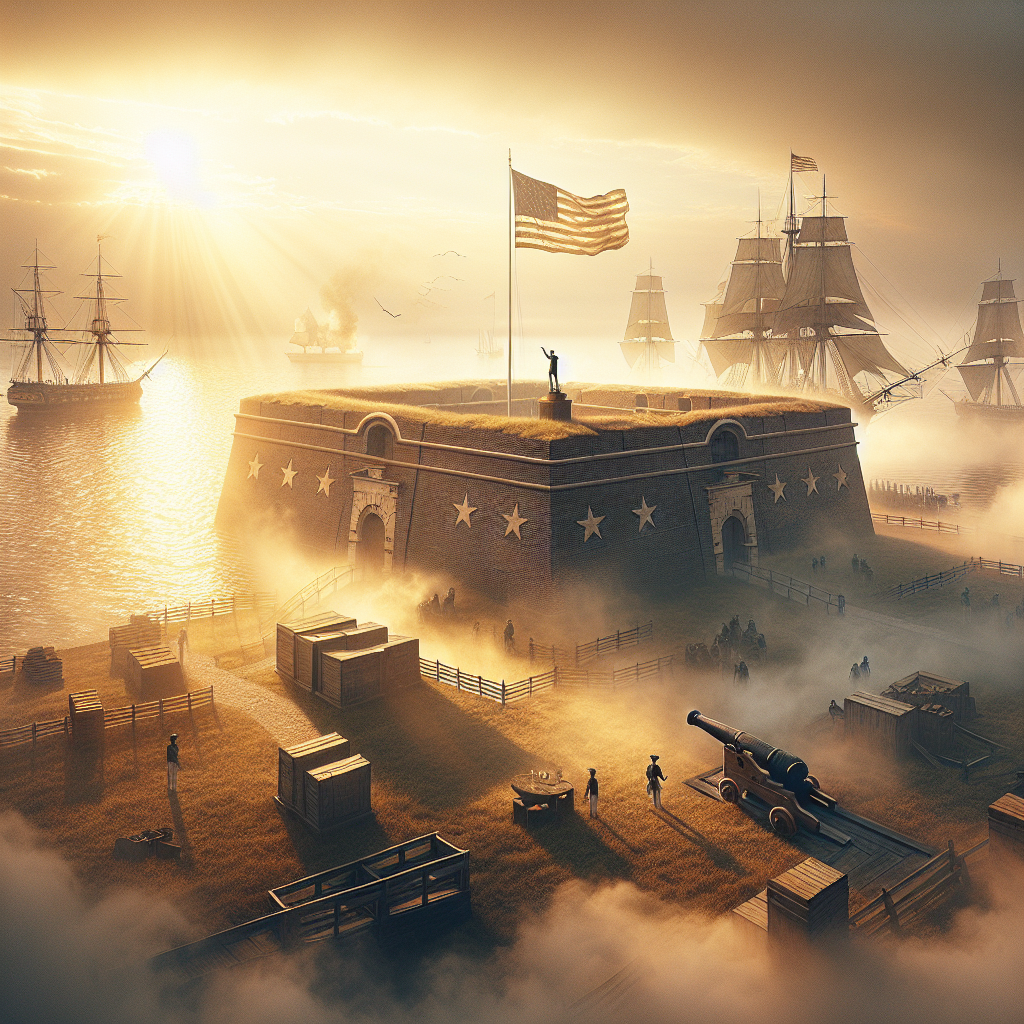
| Dates | April 19, 1775 – September 3, 1783 |
| Key Battles | Lexington & Concord, Bunker Hill, Saratoga, Yorktown |
| American Commander | General George Washington |
| Turning Point | Battle of Saratoga, 1777 — secured French alliance |
| Formal End | Treaty of Paris, September 3, 1783 |
| Estimated American Deaths | 25,000 (battle, disease, and captivity combined) |
| Date | April 19, 1775 – September 3, 1783 |
| Location | Philadelphia, Pennsylvania |