Continental Congress
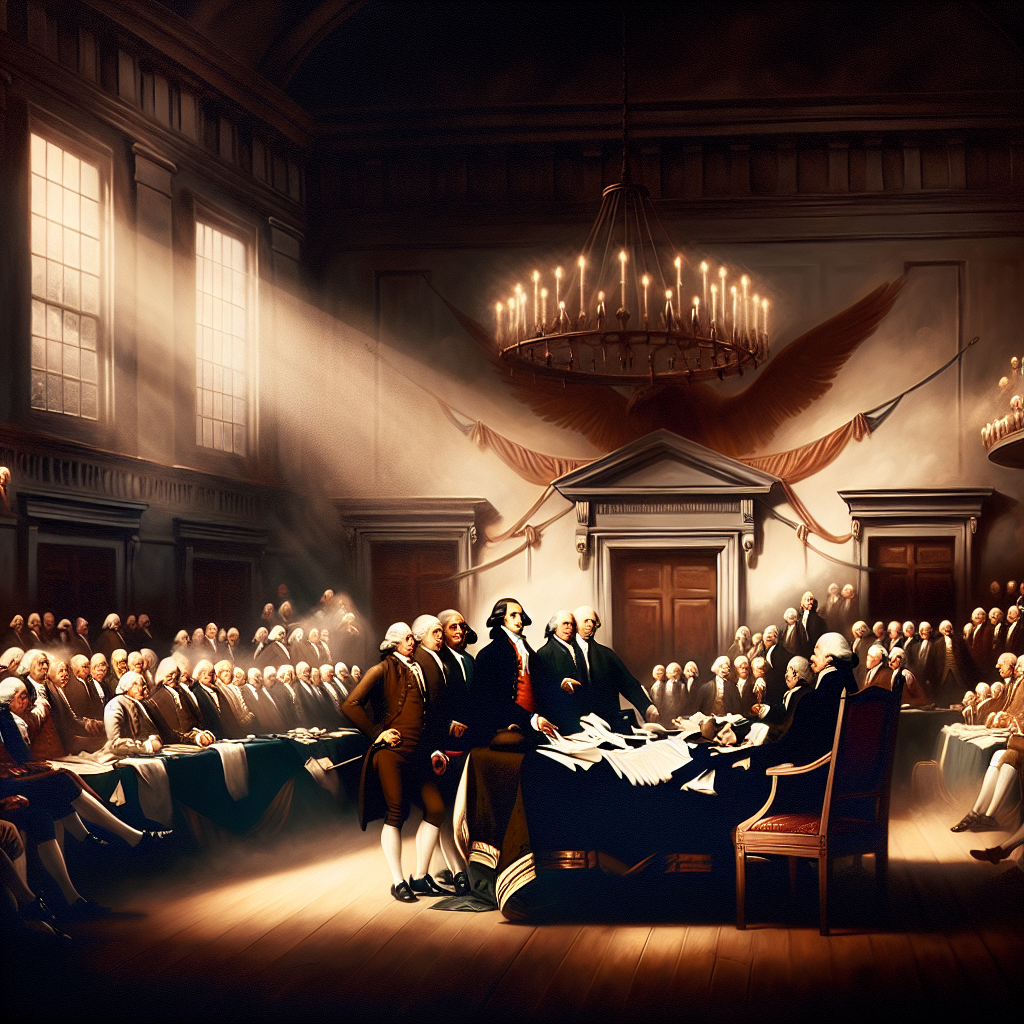
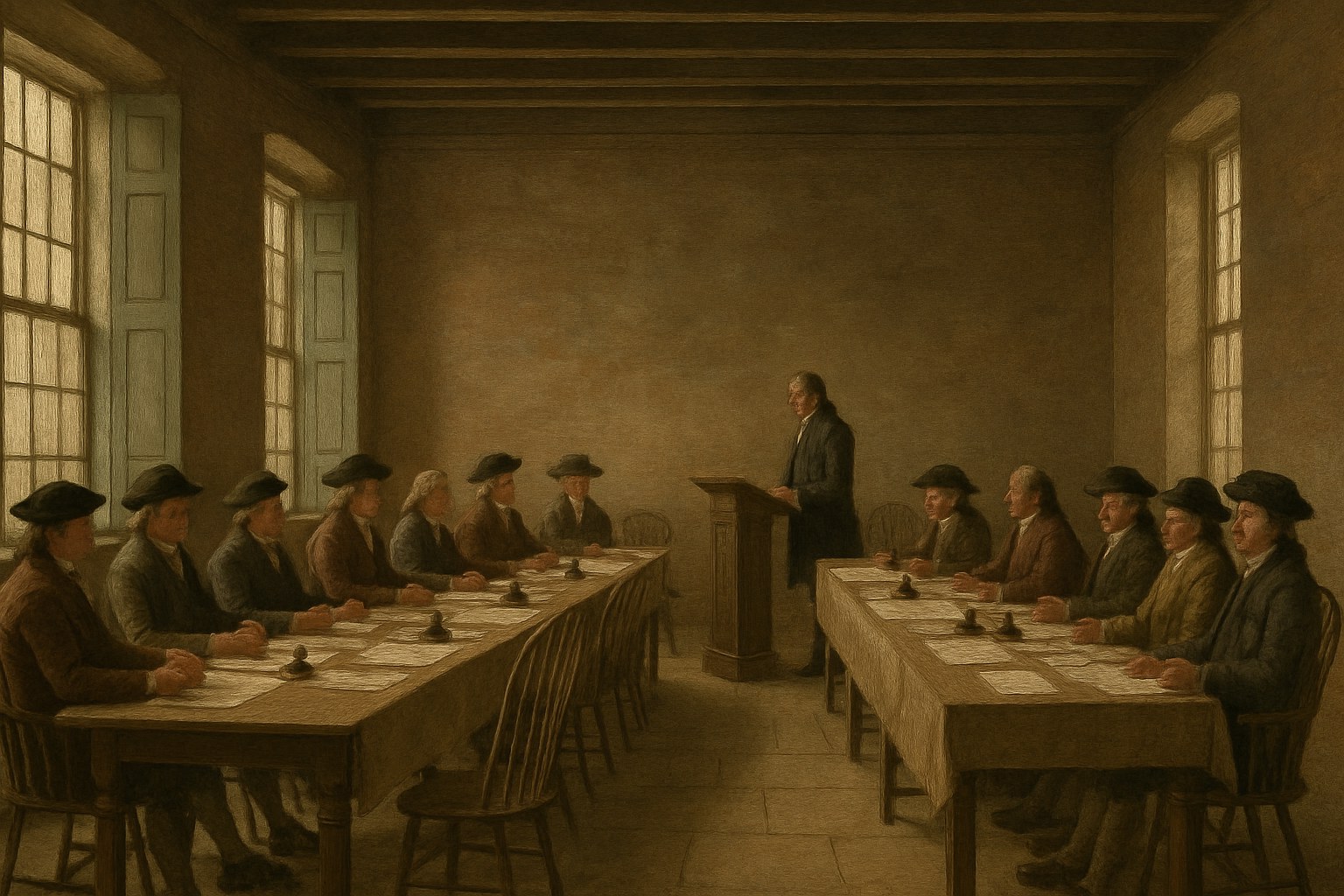
The Continental Congress was the closest thing to a national government the American colonies had ever attempted, and it operated without any constitutional authority, stable funding, or enforcement mechanism for the entire duration of the Revolutionary War. The First Continental Congress convened in Philadelphia in September 1774, called in response to Britain's Coercive Acts, and produced a declaration of colonial rights and a coordinated boycott of British goods. It adjourned in October with a commitment to reconvene if conditions did not improve. They did not. The Second Continental Congress met in May 1775, weeks after the battles of Lexington and Concord, and found itself immediately responsible for a war it had not planned and was not equipped to fight.
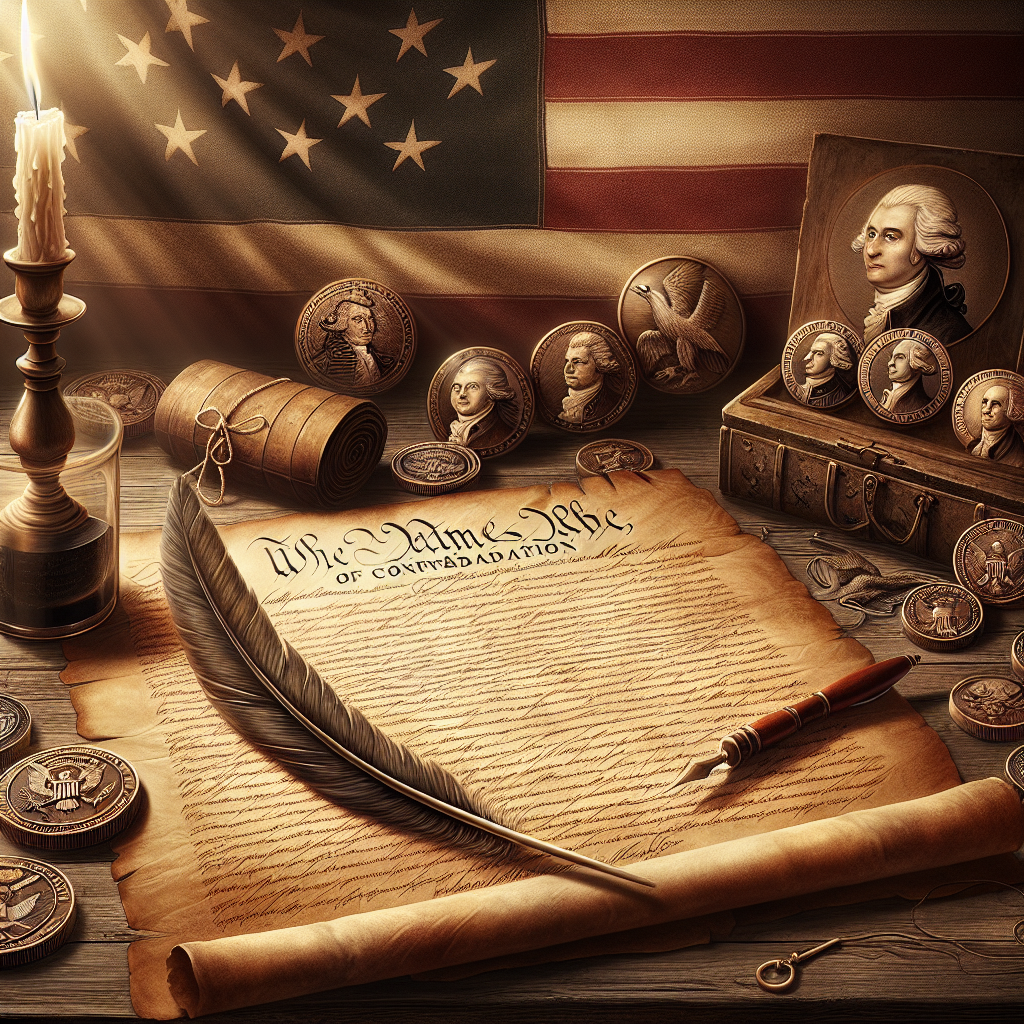
Over the following six years, the Second Continental Congress — operating continuously through the war — issued the Declaration of Independence, appointed George Washington as commander in chief, negotiated foreign alliances, managed the currency, and attempted to coordinate 13 colonies that considered themselves sovereign states with interests that frequently conflicted. It operated under the Articles of Confederation after 1781, which gave it so little authority that it could not compel states to pay their share of the war debt or supply their quota of soldiers. The Congress that won American independence was nearly broke throughout the conflict and dependent on the goodwill of states that sometimes chose to ignore its requests.
The inadequacy of the Continental Congress under the Articles of Confederation was the direct motivation for the Constitutional Convention of 1787. The men who gathered in Philadelphia that summer had spent years watching Congress fail to govern effectively, and they designed the Constitution specifically to remedy its deficiencies — granting the new Congress the power to tax, to regulate commerce, and to enforce its laws. The Continental Congress formally dissolved on March 4, 1789, the day the new Congress under the Constitution convened. It had held the country together long enough to give it a foundation more durable than itself.

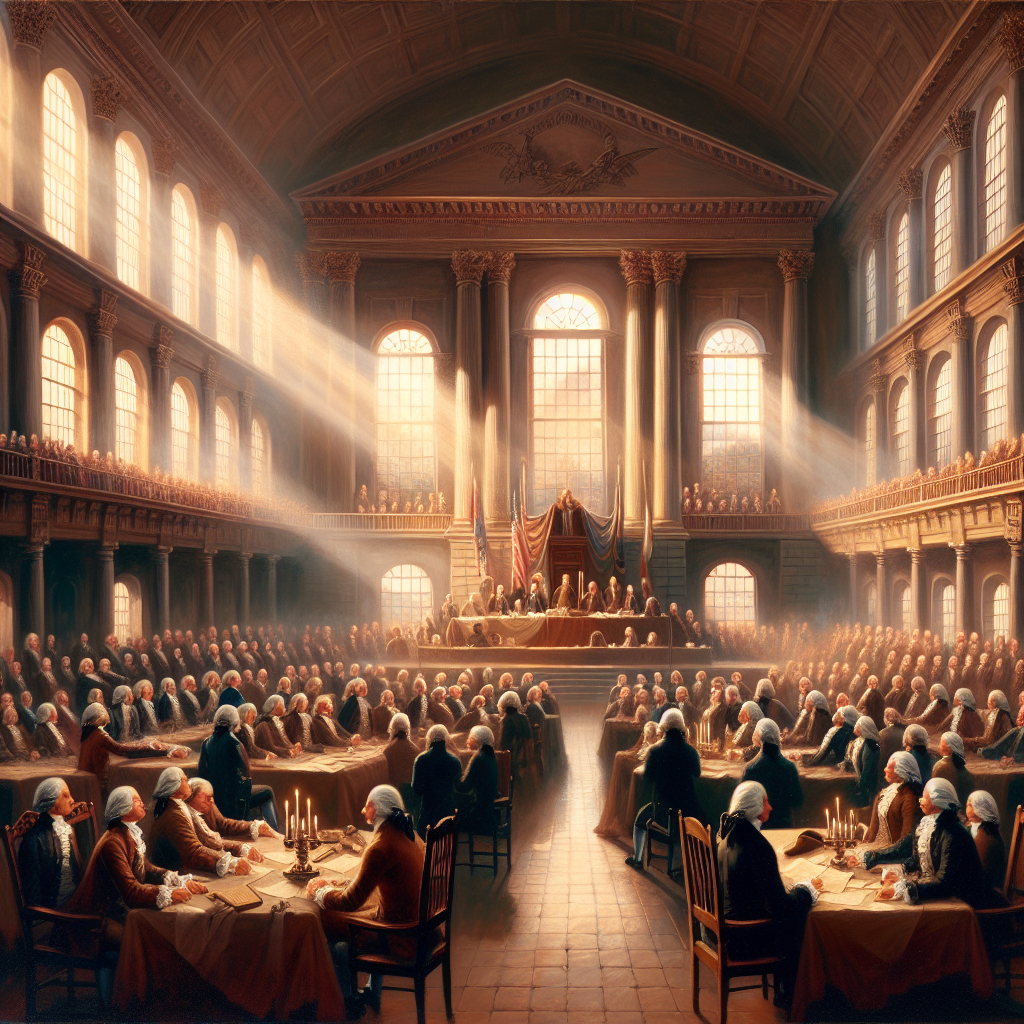

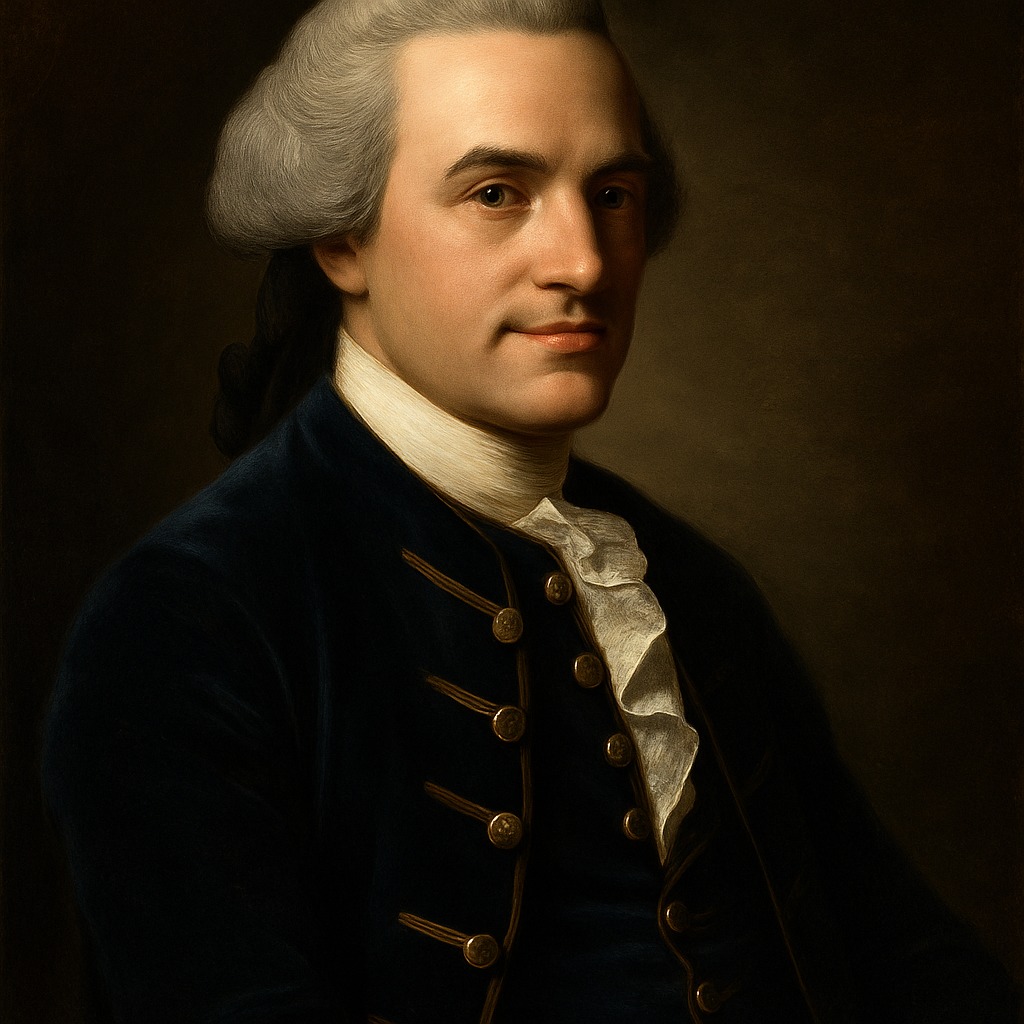
| First Congress | September–October 1774, Philadelphia |
| Second Congress | May 1775 – March 1789, Philadelphia (and briefly elsewhere) |
| Key acts | Declared independence (1776); appointed Washington (1775); Articles of Confederation (1781) |
| Weakness | No power to tax or compel states under the Articles of Confederation |
| Dissolved | March 4, 1789 — replaced by Congress under the Constitution |
| Legacy | Its failures motivated the Constitutional Convention of 1787 |
| Years | 1774–1789 |
| Location | Philadelphia, Pennsylvania |