Election of 1800
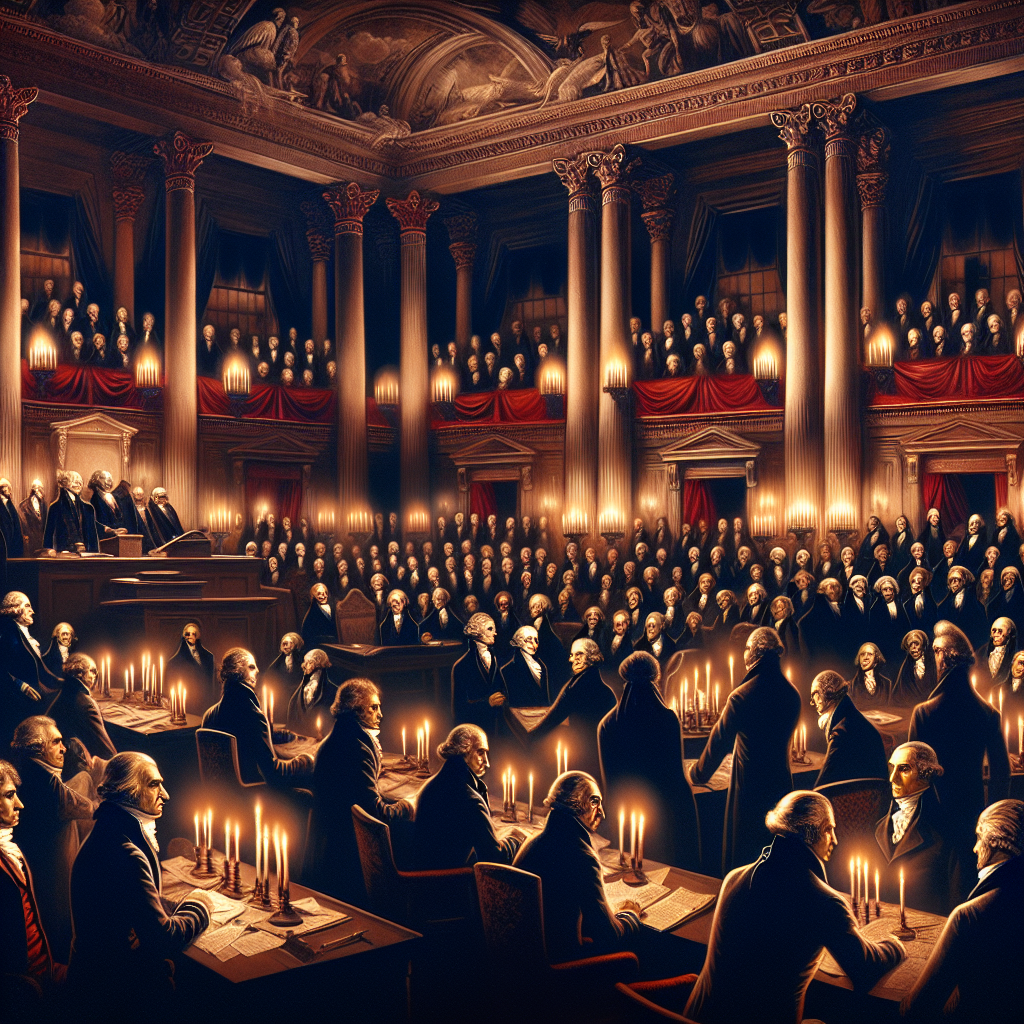
The election of 1800 was the first in American history in which power transferred peacefully from one political party to another — and it very nearly did not. Thomas Jefferson and Aaron Burr, both Democratic-Republicans, received identical electoral votes, throwing the decision to the House of Representatives. For 35 ballots over six days in February 1801, the House deadlocked. Federalists considered installing Burr rather than Jefferson. Alexander Hamilton, despising both men, ultimately threw his support to Jefferson as the less dangerous choice — a judgment that would cost Hamilton his life four years later.
John Adams had won the presidency in 1796 by a narrow margin, and his four years were consumed by the Quasi-War with France and the deeply unpopular Alien and Sedition Acts, which criminalized criticism of the federal government. The backlash was severe. Jefferson campaigned on limited government, states' rights, and the protection of civil liberties — a return, he argued, to the principles of the Revolution. His victory ended Federalist dominance of the executive branch permanently. No Federalist would ever again win the presidency.
Jefferson called his victory a revolution as significant as 1776 — not in blood, but in principle. The election demonstrated that a constitutional republic could survive fierce partisan conflict and still produce an orderly transfer of power. It also exposed a critical flaw in the original Electoral College design, which the Twelfth Amendment corrected in 1804 by requiring separate ballots for president and vice president, eliminating the tie problem the election had created.

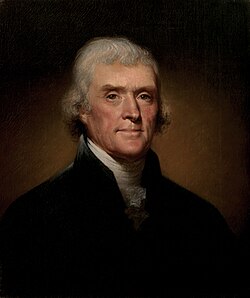

| Winner | Thomas Jefferson (Democratic-Republican) |
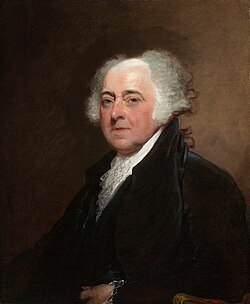
| Candidates | Thomas Jefferson (DR) def. John Adams (F) |
| Runner-up | John Adams (Federalist) |
| Electoral Vote | Jefferson 73, Burr 73, Adams 65, Pinckney 64 |
| Decided by | House of Representatives, 35th ballot |
| Key issue | Alien and Sedition Acts; role of federal government |
| Constitutional fix | Twelfth Amendment, ratified 1804 |
| Significance | First party transfer of executive power |
| Date | November–December 1800; resolved February 17, 1801 |
| Location | Washington, D.C. |