George Washington
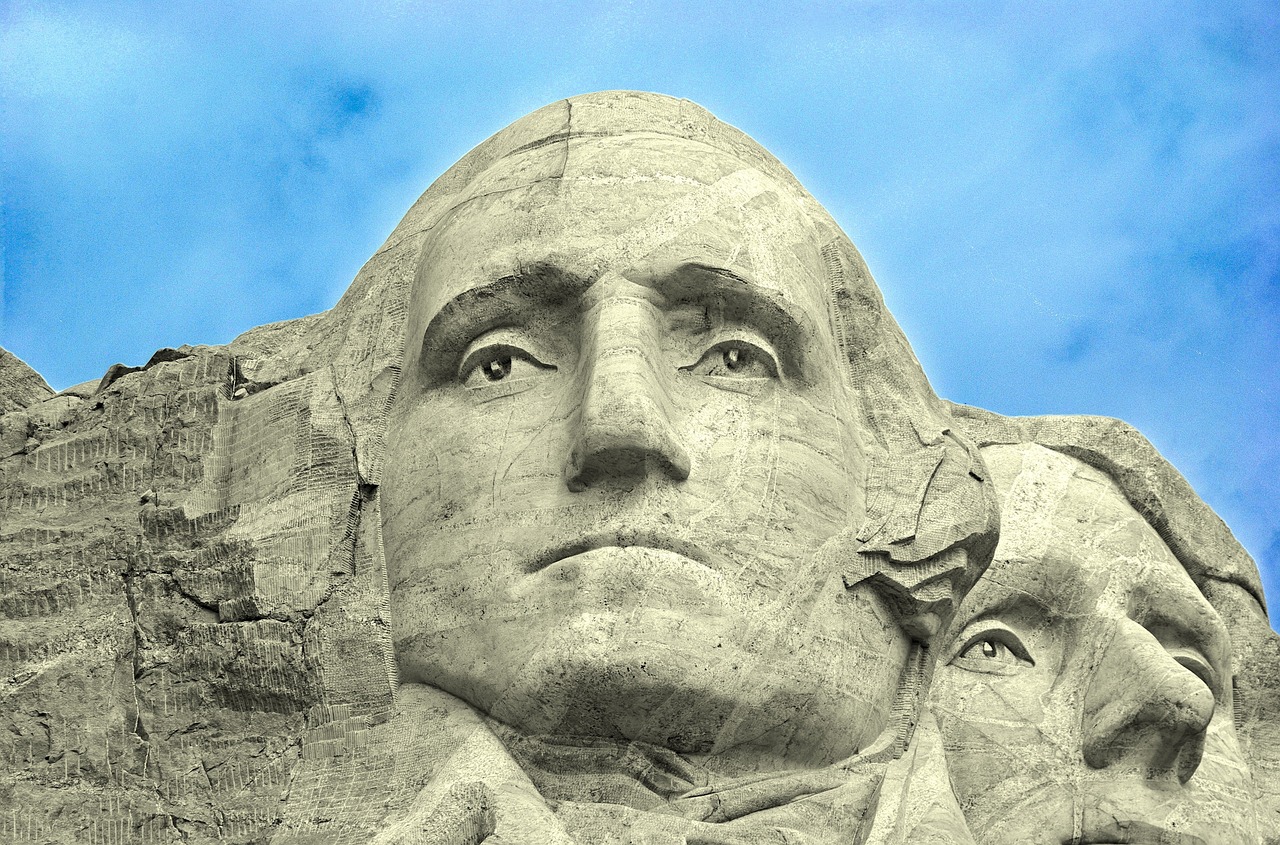
When the Constitutional Convention unanimously chose George Washington to be the first President in 1789, the office he was about to fill had no precedent — and everything he did in it would set one. A Virginia surveyor's son who became the indispensable commander of a revolutionary army, Washington had already resigned his military commission in 1783 in a gesture so startling that King George III reportedly called him the greatest man alive. Now he faced a harder task: demonstrating that a republic could govern itself at all.
Washington's two terms built the architecture of American executive power almost from scratch. He created the Cabinet, established the precedent of presidential neutrality in foreign conflicts, signed the first federal budget, and deployed the militia to crush the Whiskey Rebellion — proving the new government could enforce its own laws. His Farewell Address warned against political factions and permanent foreign alliances with a clarity that American statesmen have been selectively quoting and strategically ignoring ever since.
Washington was a man of sharp contradictions. He enslaved more than 300 people at Mount Vernon yet expressed mounting private discomfort with the institution — ultimately freeing his enslaved workers in his will, though only after his wife's death. That gap between the ideals he helped write into the republic's founding documents and the realities of his daily life defines the central tension of his legacy.
He died on December 14, 1799, almost certainly of acute epiglottitis, worsened by the aggressive bloodletting his physicians administered. Henry Lee's funeral oration called him "first in war, first in peace, and first in the hearts of his countrymen." Two and a half centuries of historians have not improved on the summary.
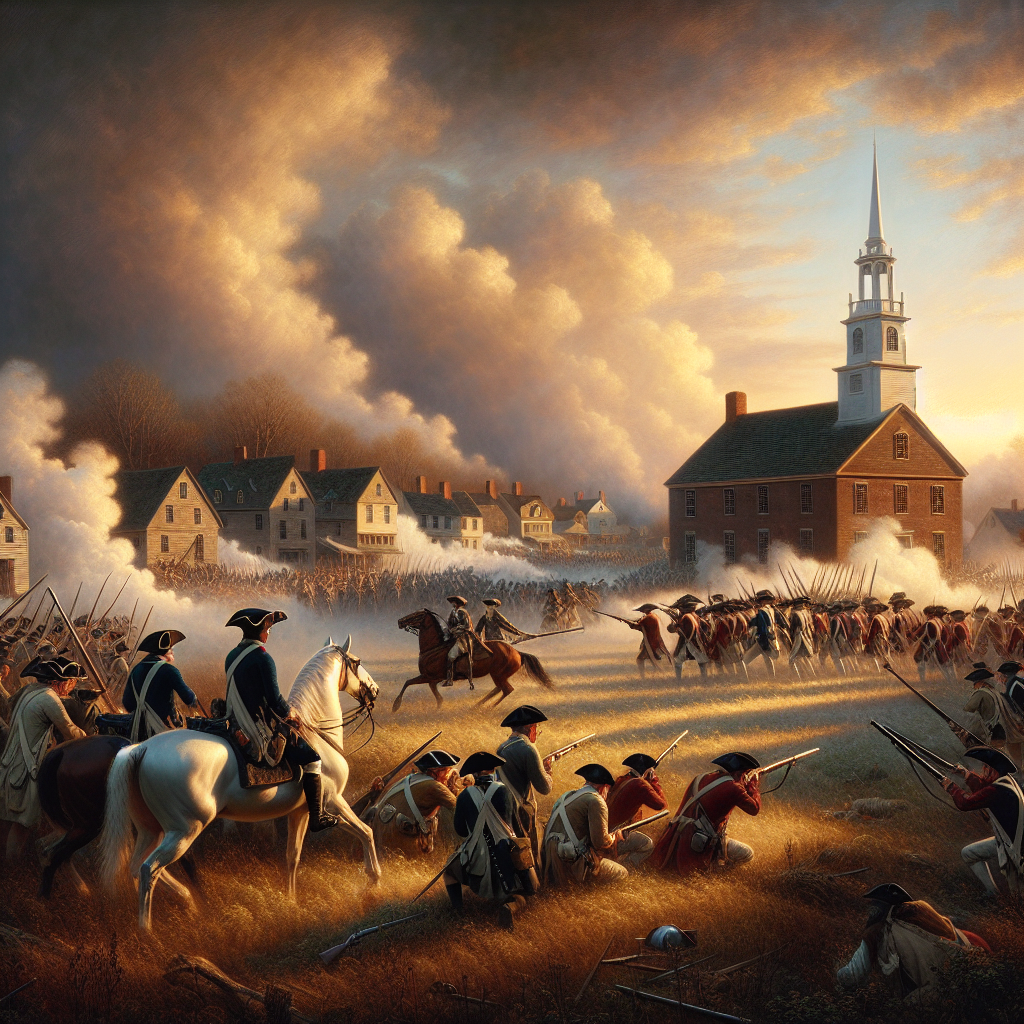
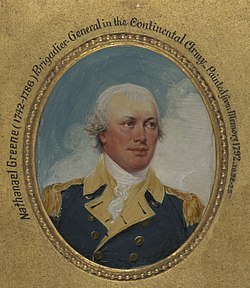
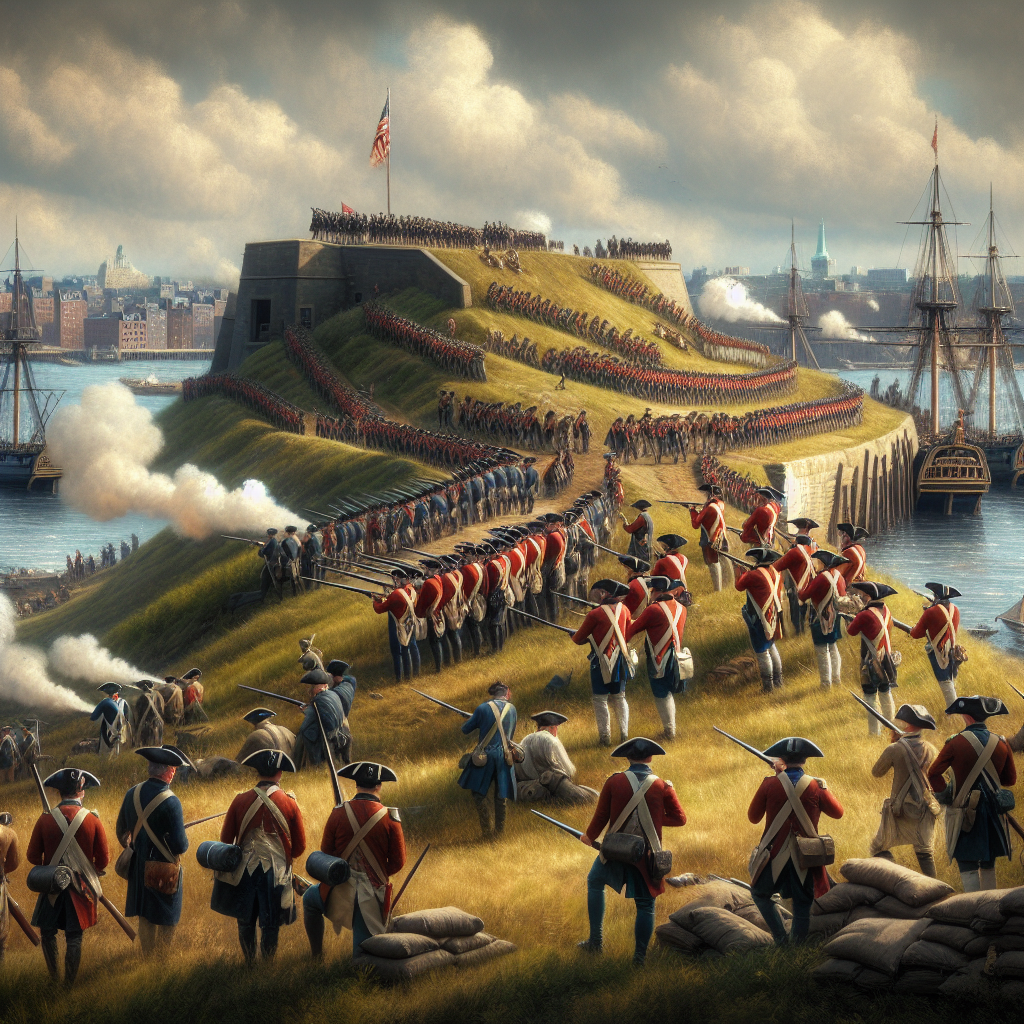
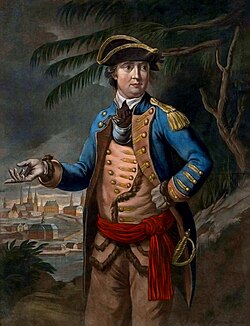
| Born | February 22, 1732 — Westmoreland County, Virginia |
| Died | December 14, 1799 — Mount Vernon, Virginia |
| Term | April 30, 1789 – March 4, 1797 |
| Party | Unaffiliated |
| Vice President | John Adams |
| Military Rank | General of the Armies (posthumous, 1976) |
| Preceded by | None (first president) |
| Succeeded by | John Adams |
| Years | 1732–1799 |
| Location | Mount Vernon, Virginia |