French and Indian War
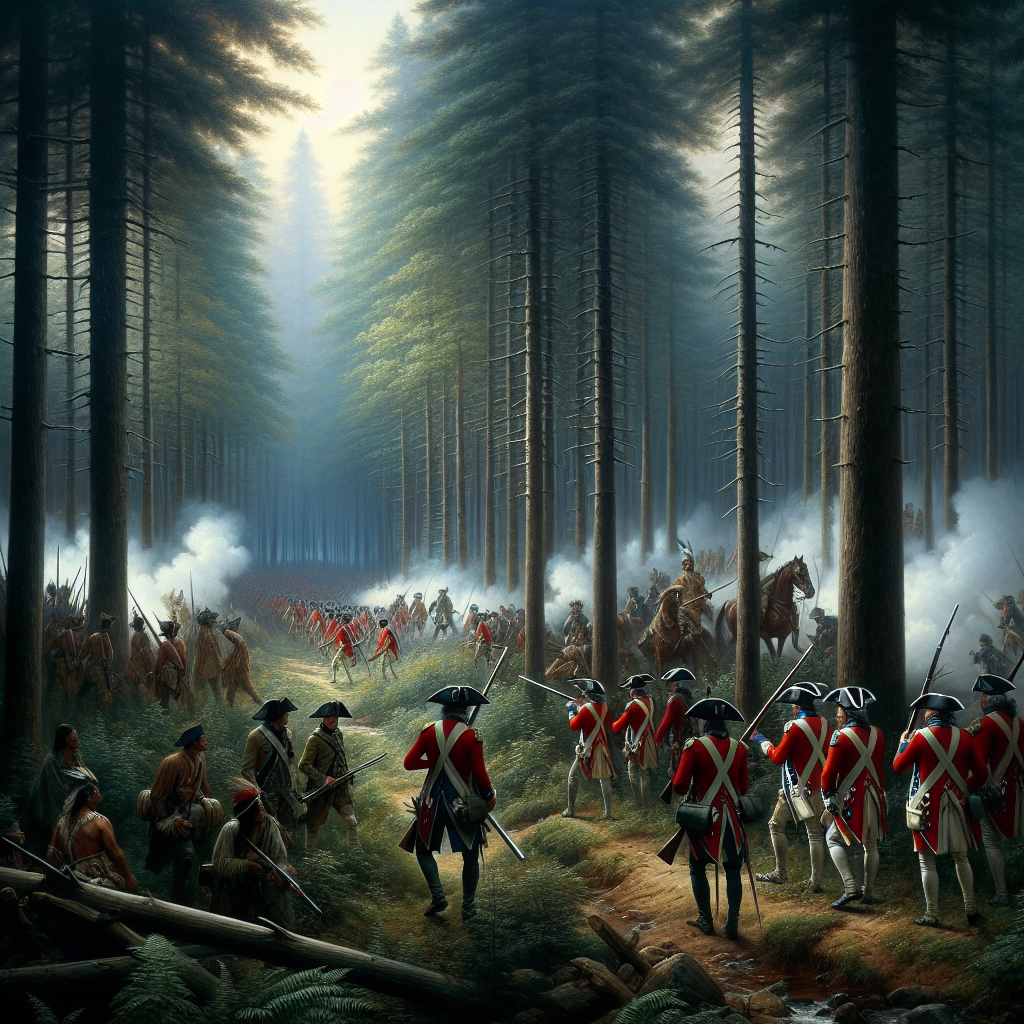
The French and Indian War is the American name for the North American theater of the Seven Years' War — a genuinely global conflict fought across Europe, India, Africa, and the Caribbean simultaneously, which historians have argued was the first true world war. In North America it was a struggle for continental dominance between Britain and France, fought largely in the forests and waterways of the interior, with Native nations on both sides making strategic alliances based on their own calculations of interest and survival. It began with a skirmish in the Ohio Valley in May 1754 commanded by a 22-year-old Virginia militia colonel named George Washington, who fired on a French patrol and then surrendered his improvised fort a few weeks later — his first military engagement and his only formal military surrender.
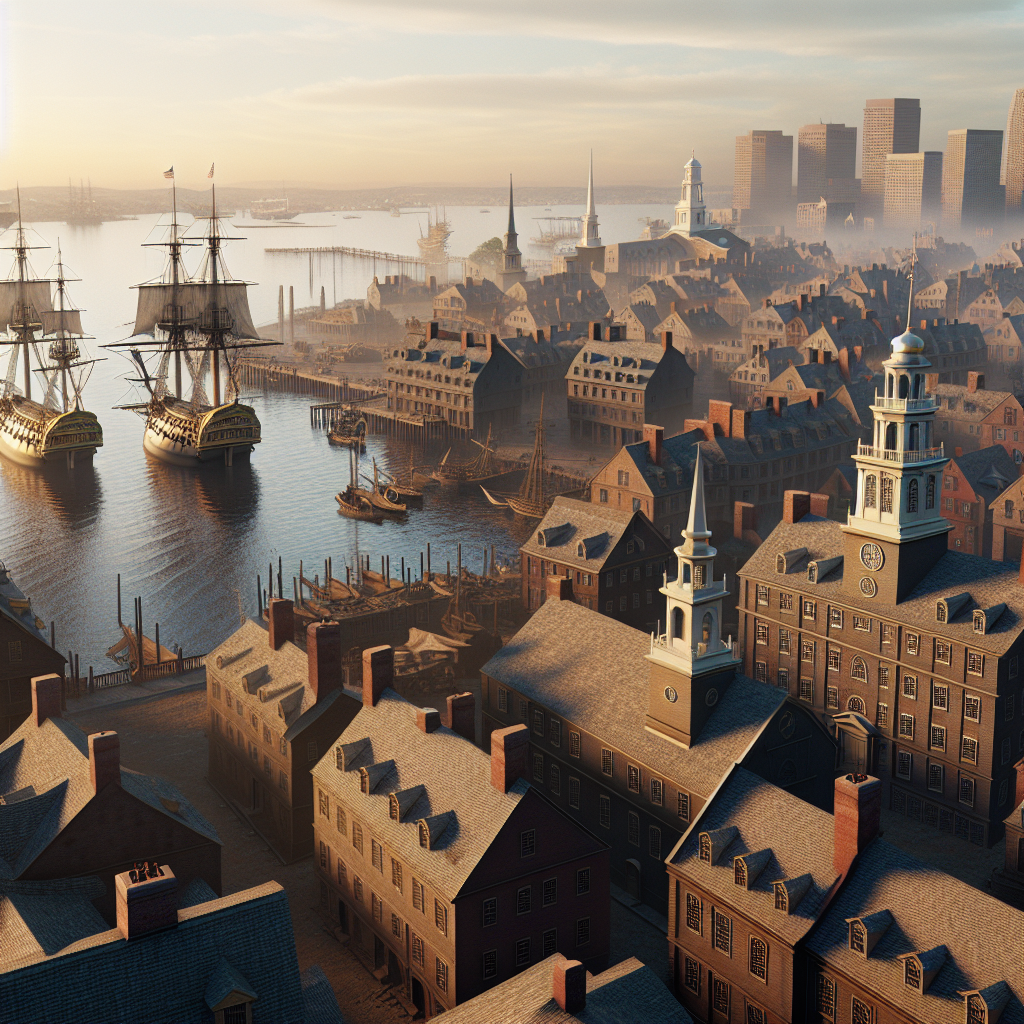
Britain won decisively. The Treaty of Paris of 1763 removed France from North America almost entirely: France ceded Canada and all territory east of the Mississippi to Britain, and transferred Louisiana to Spain to keep it out of British hands. The victory was so complete that it immediately created the conditions for its own undoing. With the French threat gone, the American colonists no longer needed British military protection — the central argument for their dependence on the Crown. Britain, deeply in debt from the war, looked to the colonies to help pay for it through a series of new taxes. The colonists, who had fought alongside British regulars and won, did not see why they should pay taxes they had no voice in imposing. The Stamp Act came in 1765; the Boston Tea Party in 1773; the first shots at Lexington in 1775.
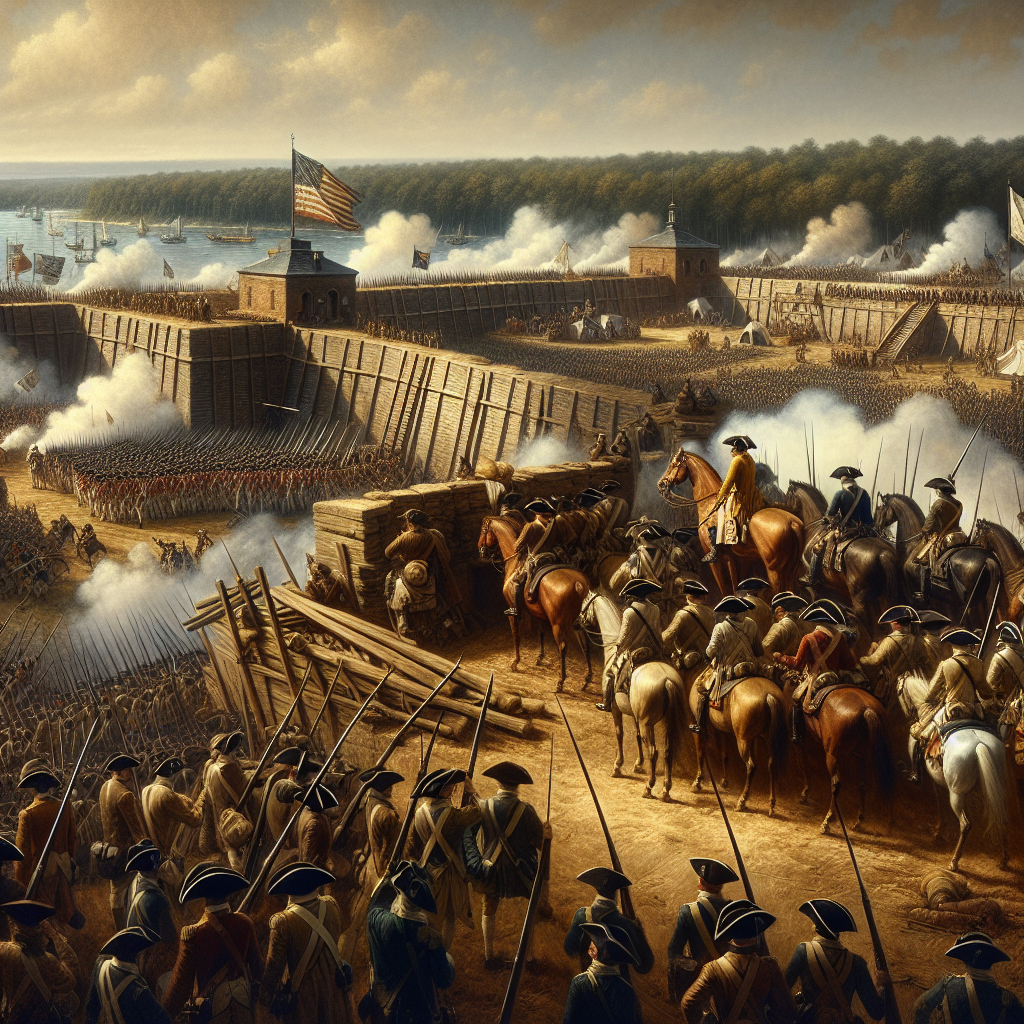
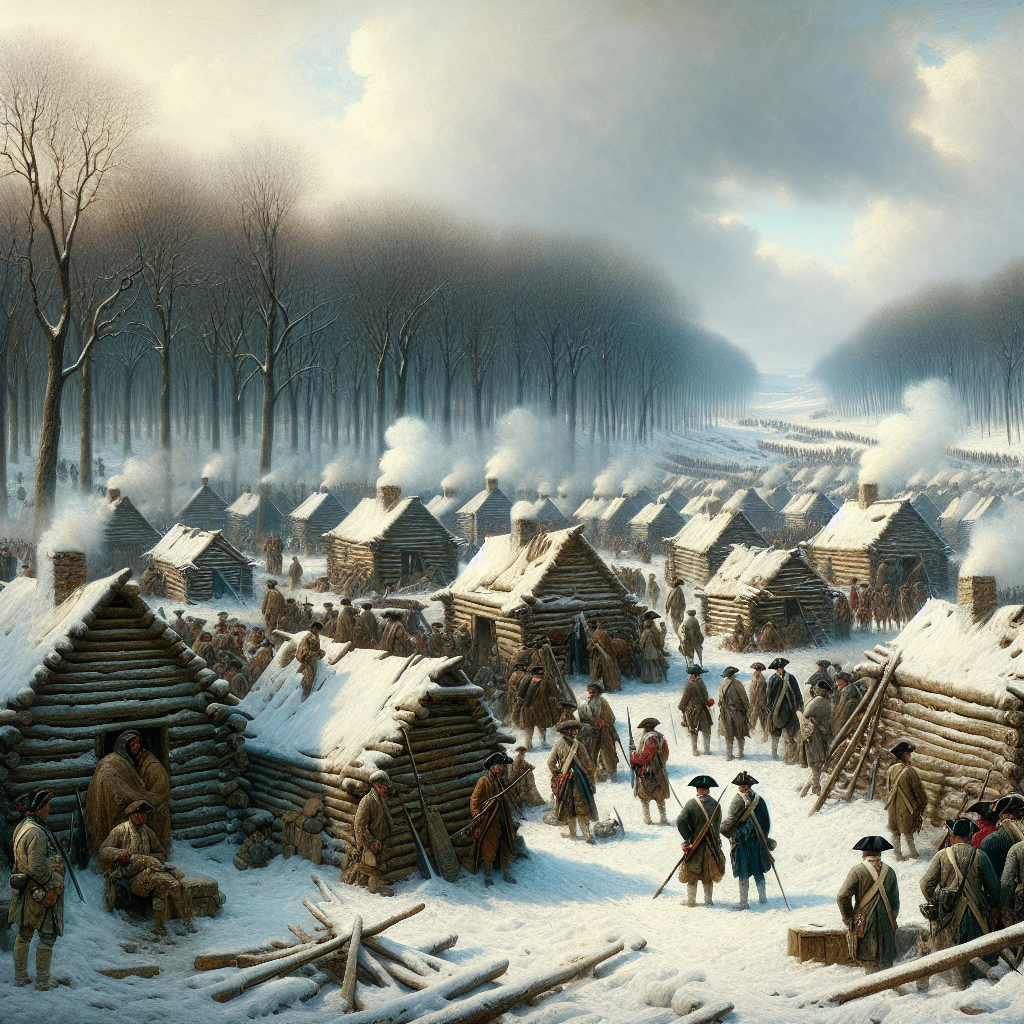
The war also produced a generation of American officers — Washington above all, but also Charles Lee, Horatio Gates, and Israel Putnam — who had learned to fight a wilderness war against European professional armies and had drawn the correct lesson: irregular tactics, knowledge of terrain, and supply line disruption could neutralize numerical and equipment disadvantages. Washington brought every one of those lessons to the Revolutionary War. The war simultaneously devastated the Native nations who had allied with France, stripping them of their French counterbalance and leaving them to face British and then American expansion alone. Pontiac's Rebellion of 1763, in which an Ottawa war chief organized a pan-tribal resistance to British occupation of former French forts, was the first consequence; the Trail of Tears was the long one.

| Dates | 1754–1763 |
| Combatants | Britain and colonists vs. France and Native allies |
| Opening engagement | Fort Necessity, May–July 1754 (George Washington commanded) |
| Decisive battle | Battle of the Plains of Abraham, Quebec, September 13, 1759 |
| Treaty | Treaty of Paris, February 10, 1763 |
| Territory ceded | France ceded Canada and all land east of Mississippi |
| Key consequence | British war debt → colonial taxation → American Revolution |
| Date | May 1754 – February 10, 1763 |
| Location | North America |