Flag Day

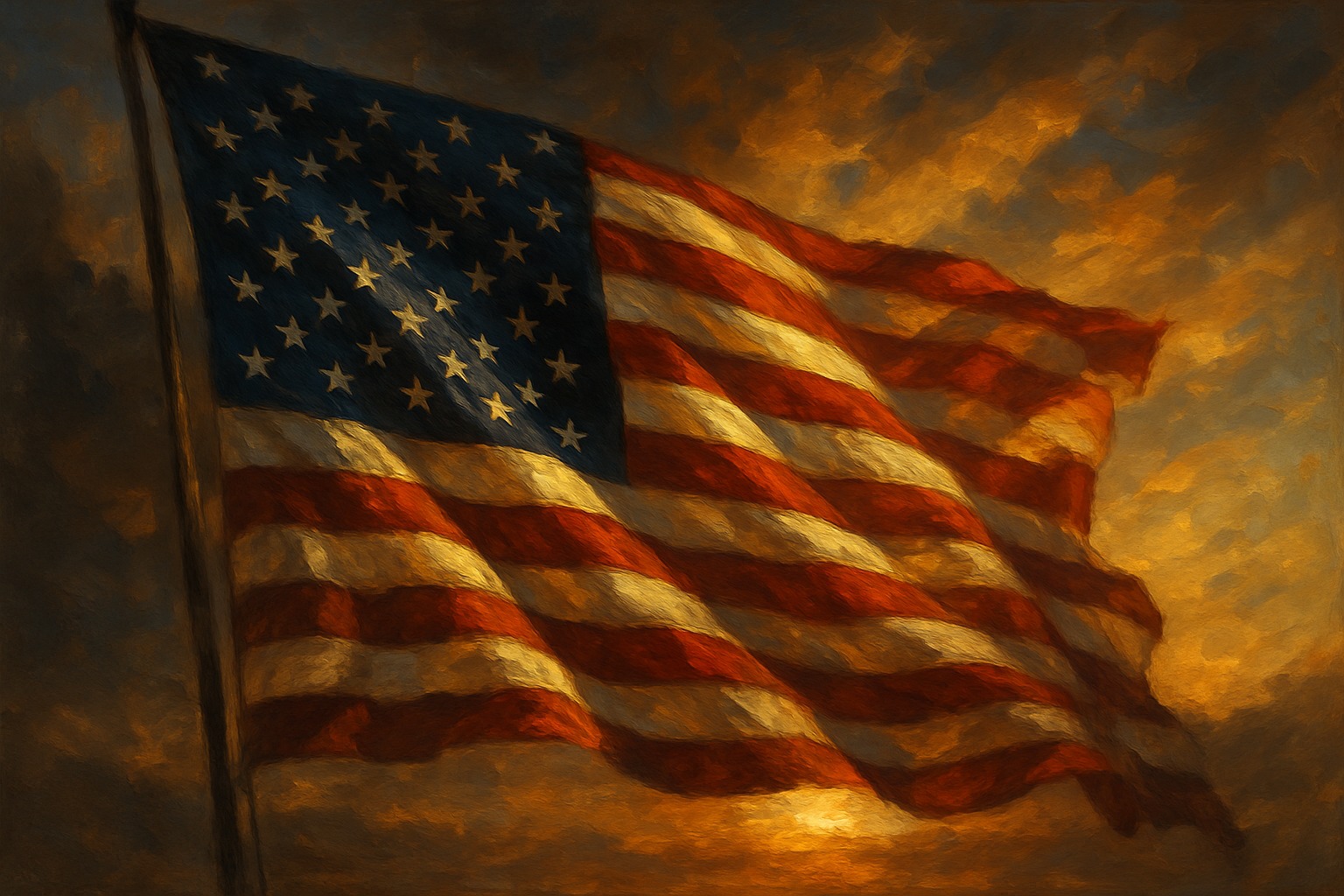
Flag Day, observed each June 14, commemorates the adoption of the American flag by the Continental Congress on that date in 1777. Unlike Memorial Day or Independence Day it is not a federal holiday with a day off, but a national observance — a day for flying the flag, reciting its history, and honoring the banner that the 1777 Flag Resolution first defined.
The push for the day came from educators and patriotic groups in the late nineteenth century, who organized flag ceremonies in schools to mark the anniversary. A Wisconsin teacher, Bernard Cigrand, campaigned for decades for national recognition and is often called the "Father of Flag Day." The observance grew steadily from these local school and community celebrations.
Official recognition came in stages. In 1916 President Woodrow Wilson issued a proclamation establishing June 14 as Flag Day, and in 1949 President Harry Truman signed a law making the observance permanent and nationwide. Even so, Congress stopped short of making it a day off work, leaving Flag Day a commemoration rather than a holiday in the fullest sense.
Flag Day anchors a longer "National Flag Week," and it shares its date with the birthday of the U.S. Army, also founded on June 14, 1777. It falls neatly between Memorial Day and Independence Day in a patriotic stretch of the calendar, a quieter observance devoted specifically to the flag itself and the history stitched into its stars and stripes.
| Observed | June 14 |
| Marks | Adoption of the flag, June 14, 1777 |
| Proclaimed | By President Wilson in 1916 |
| Made Permanent | By law under Truman, 1949 |
| Note | A national observance, not a day off |
| Date | Proclaimed 1916; observed June 14 |