Articles of Confederation
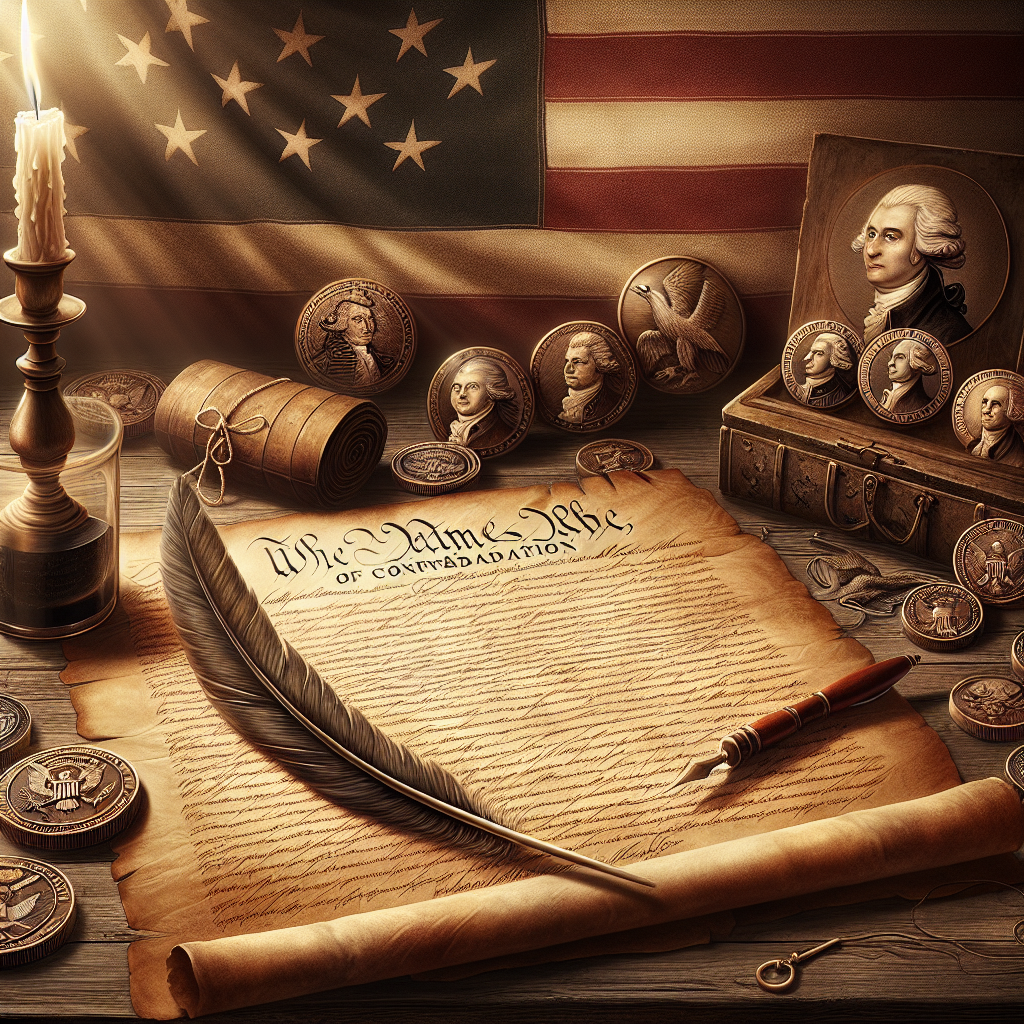
The Articles of Confederation were America's first attempt at a national government — and a near-fatal one. Ratified in 1781, just as the Revolution was winding down, they created a "firm league of friendship" among the 13 states that was so deliberately weak it could barely function. Congress could declare war but could not raise an army. It could borrow money but could not levy taxes. It could negotiate treaties but lacked any power to enforce them. The Articles were not a failure of imagination. They were the product of a precise and understandable fear: centralized power was exactly what the colonists had just fought to escape.
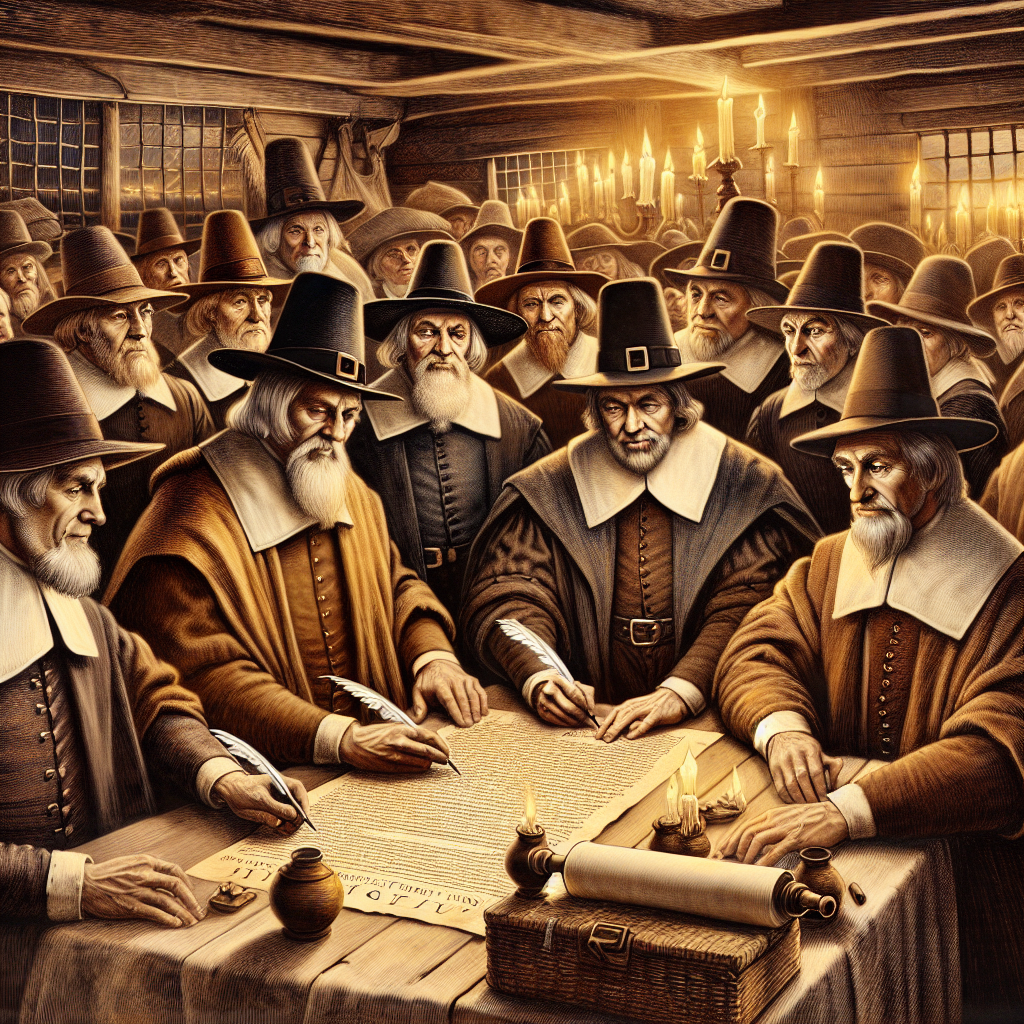
The consequences arrived quickly. States taxed each other's goods like foreign nations, ignored federal budget requests, and printed their own currencies into worthlessness. When Shays' Rebellion — a debtor uprising in western Massachusetts — exposed the federal government's inability to maintain domestic order in 1786, the case for revision became undeniable. Delegates gathered in Philadelphia in May 1787, ostensibly to amend the Articles. Within weeks they had decided to replace them entirely. The Constitution that emerged was a direct repudiation of nearly every structural choice the Articles had made.
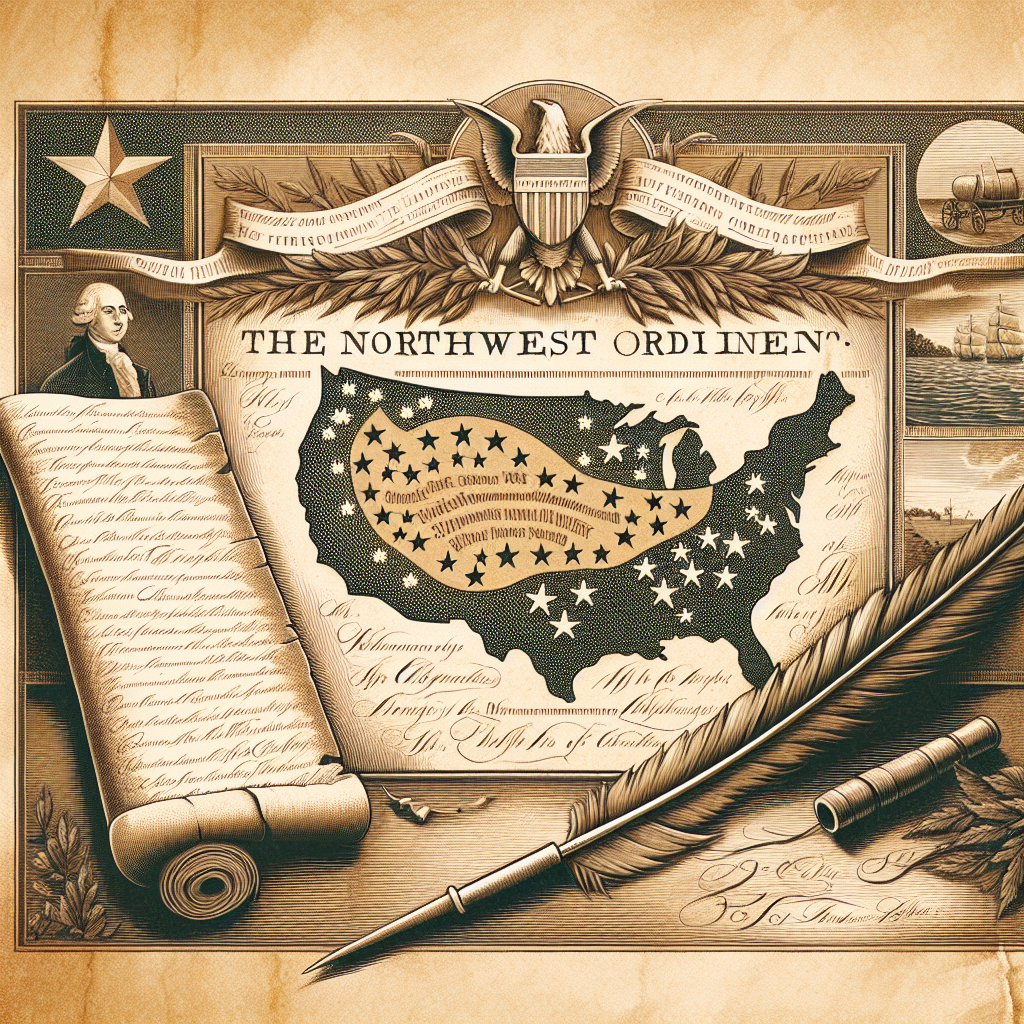
The Articles are often dismissed as a failed experiment, but they accomplished more than their reputation allows. They governed the nation through the last years of the Revolutionary War, managed the delicate transition from conflict to peace, established the machinery of a continental government where none had existed, and passed the Northwest Ordinance of 1787 — one of the most consequential pieces of American legislation ever written. Their failures were real, but they were also the necessary lesson that made the Constitution possible.

| Drafted | 1777 |
| Ratified | March 1, 1781 |
| Superseded by | U.S. Constitution, March 4, 1789 |
| Articles | 13 |
| Key Weakness | Congress could not levy taxes, raise armies, or enforce laws |
| Key Achievement | Northwest Ordinance (1787) |
| Date | Ratified March 1, 1781 |
| Location | Philadelphia, Pennsylvania |