Roger Sherman
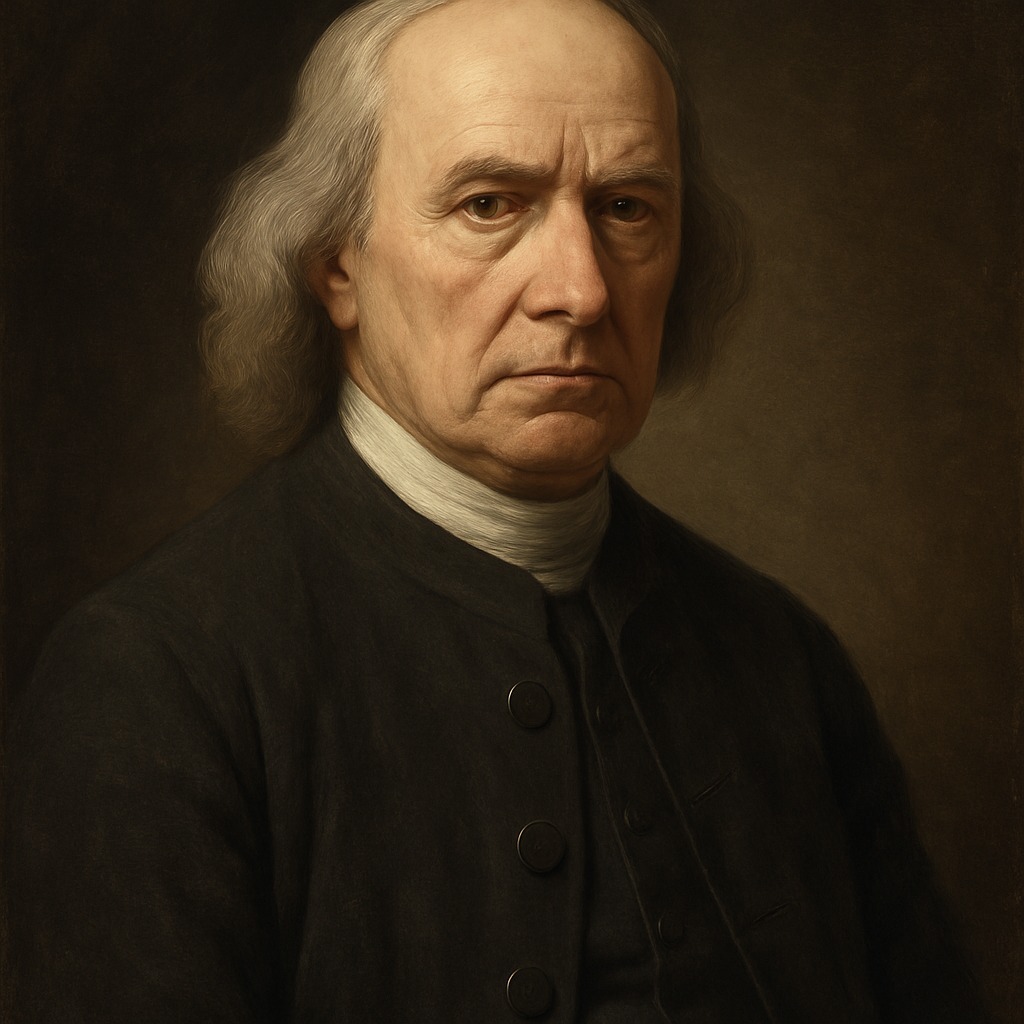
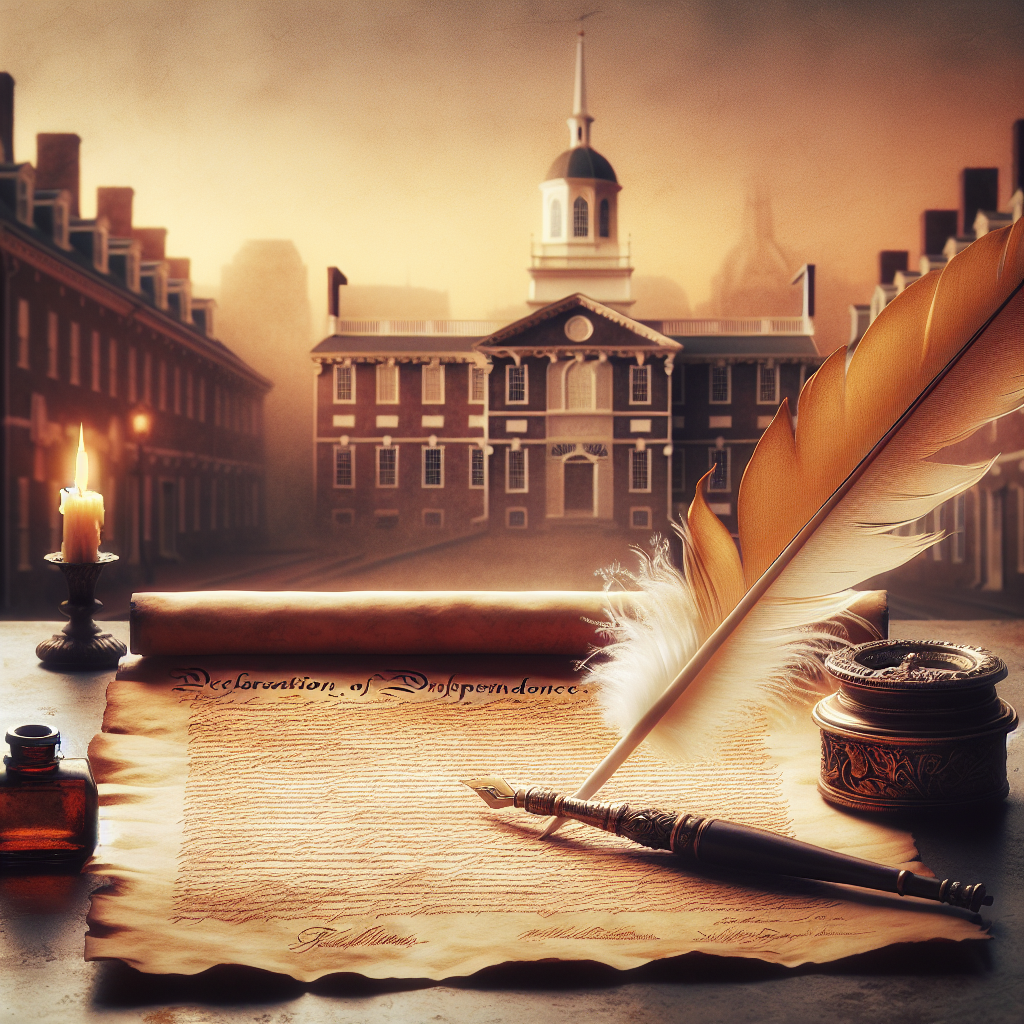
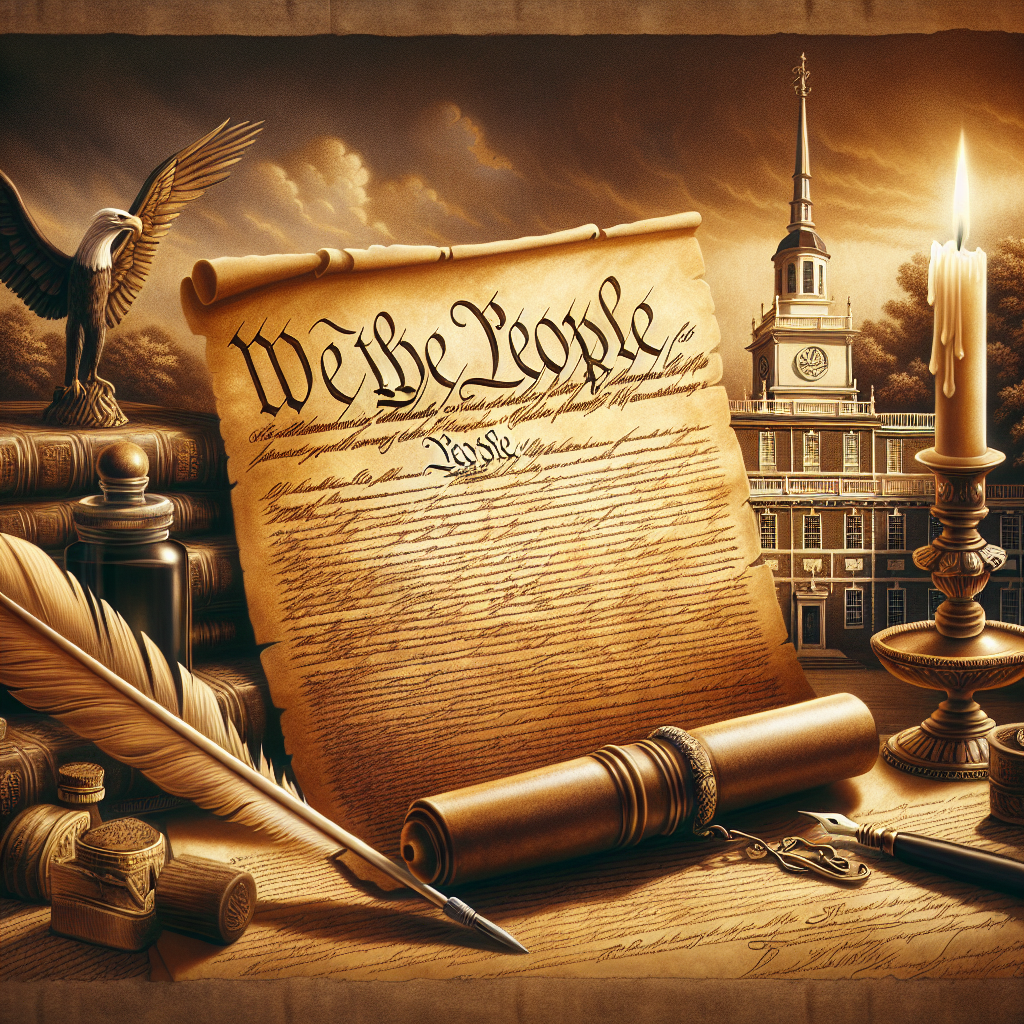
Roger Sherman is the quiet answer to a trivia question with real weight behind it: he is the only American to sign all four of the nation's founding charters — the Continental Association, the Declaration of Independence, the Articles of Confederation, and the Constitution. A self-taught Connecticut shoemaker turned lawyer and judge, he sat on the Committee of Five that drafted the Declaration and shaped nearly every founding bargain that followed.
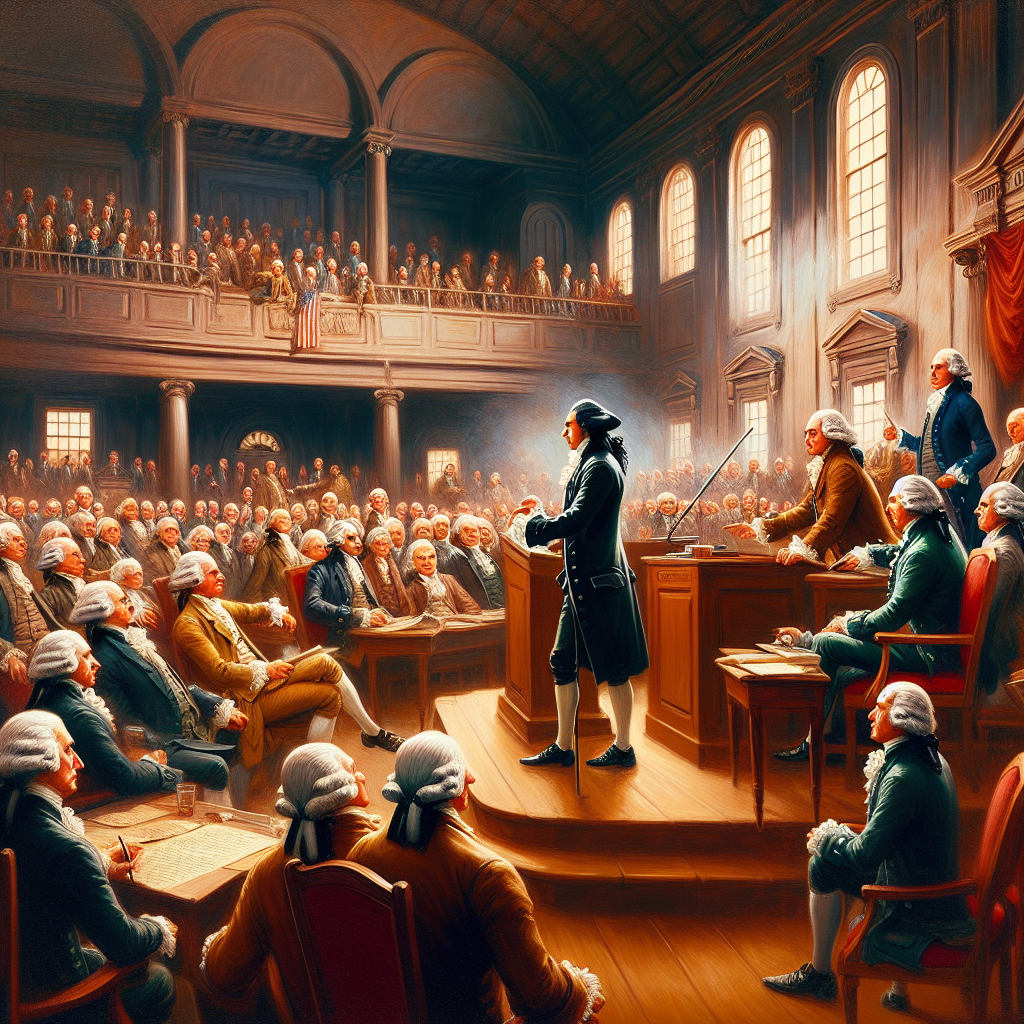
His most lasting mark came at the Constitutional Convention of 1787, where the deadlock between large and small states threatened to break up the meeting. Sherman's Connecticut Compromise — a House apportioned by population and a Senate with equal votes per state — saved the convention and still defines Congress today. Thomas Jefferson reportedly said Sherman never said a foolish thing in his life.
Unflashy and relentlessly practical, Sherman embodied a kind of founder the iconography tends to overlook: not an orator or a general, but the negotiator who made the documents actually work.
| Born | April 19, 1721 — Newton, Massachusetts |
| Died | July 23, 1793 — New Haven, Connecticut |
| From | Connecticut |
| Known for | Signing all four founding documents; the Connecticut Compromise |
| Committee | Member of the Committee of Five (Declaration) |
| Years | 1721–1793 |
| Location | New Haven, Connecticut |