Roger Williams
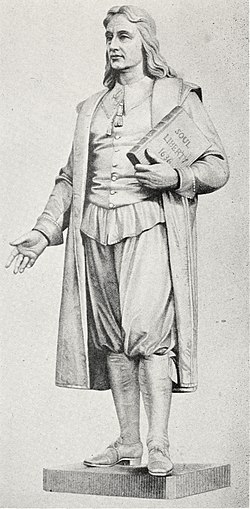
Roger Williams arrived in Massachusetts Bay Colony in 1631 carrying ideas that the Puritan establishment found dangerous enough to expel him for. He argued that civil magistrates had no authority over matters of religious conscience, that the colonial charters were fraudulent because the English king had no right to grant away land belonging to indigenous peoples, and that the Church of England was too corrupt to reform from within — positions that made him arguably the most subversive intellect in early New England. In January 1636, authorities moved to deport him back to England. He fled into a winter that nearly killed him.
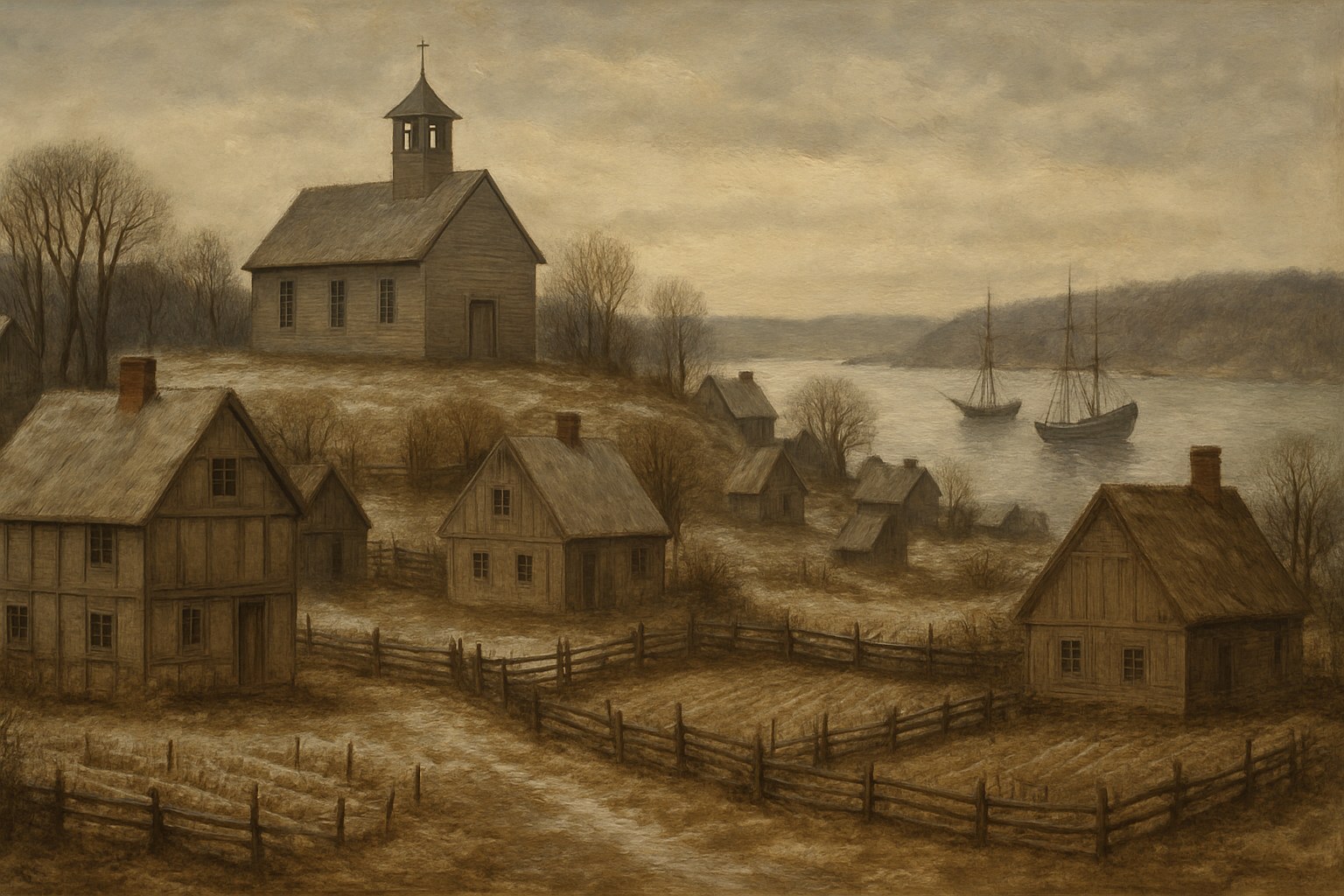
The Narragansett people sheltered Williams through that winter. In the spring he purchased land from them — paying for it rather than claiming it by charter — and founded Providence, deliberately organized around the principle that no person should be compelled in matters of faith. Rhode Island became the first place in the English-speaking world where Jews, Quakers, Catholics, and the unchurched could live without legal penalty for their beliefs. When Williams returned to England and secured a charter for Rhode Island in 1644, he gave the experiment legal standing. He called it an "experiment" in soul liberty.
Williams's "The Bloudy Tenent of Persecution" (1644) made the case for religious freedom in terms that would echo through Enlightenment thought and eventually into the First Amendment. He learned six Algonquian languages, published a key to Narragansett, and maintained relationships with indigenous leaders that gave Rhode Island a generation of relative peace — a peace that shattered in King Philip's War (1675–76), which Williams lived to witness and could not prevent. He died in Providence sometime in 1683, having outlasted almost everyone who had driven him out of Massachusetts.


| Born | c. 1603 — London, England |
| Died | January–March 1683 — Providence, Rhode Island |
| Expelled from Massachusetts | January 1636 |
| Founded | Providence, Rhode Island, spring 1636 |
| Rhode Island charter | 1644 |
| Key work | "The Bloudy Tenent of Persecution" (1644) |
| First Baptist Church | Founded at Providence, 1638 |
| Legacy | Religious freedom; separation of church and state |
| Years | 1603–1683 |
| Location | Providence, Rhode Island |