Nathanael Greene
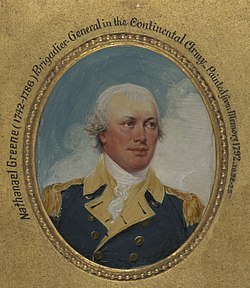
When George Washington needed someone to salvage the catastrophic Southern Campaign in 1780, he chose Nathanael Greene — a self-taught military thinker from Rhode Island who had never commanded a major army. Greene inherited a broken force, demoralized after the rout at Camden. What followed was one of the most tactically inventive campaigns of the Revolutionary War: Greene didn't try to defeat the British in open battle. He exhausted them — forcing them to chase him across the Carolinas until they had nothing left to hold.
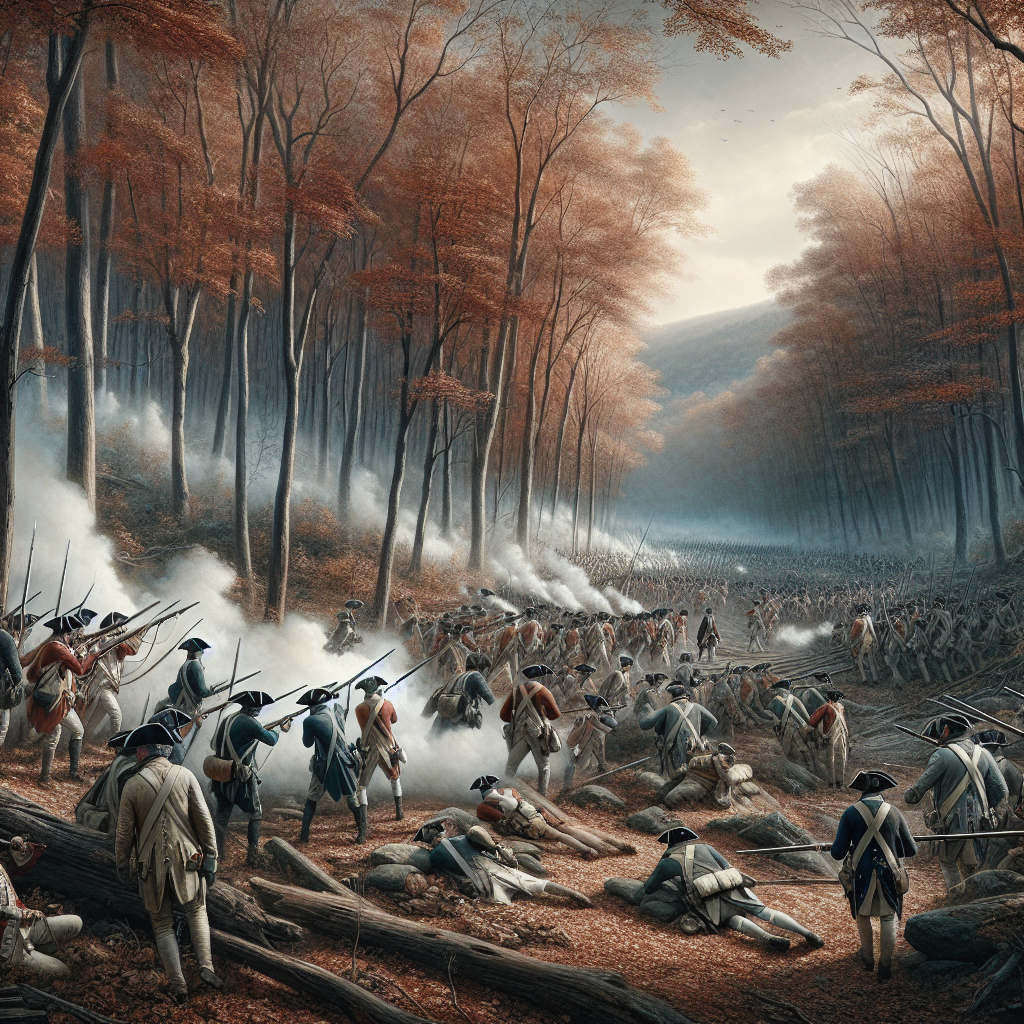
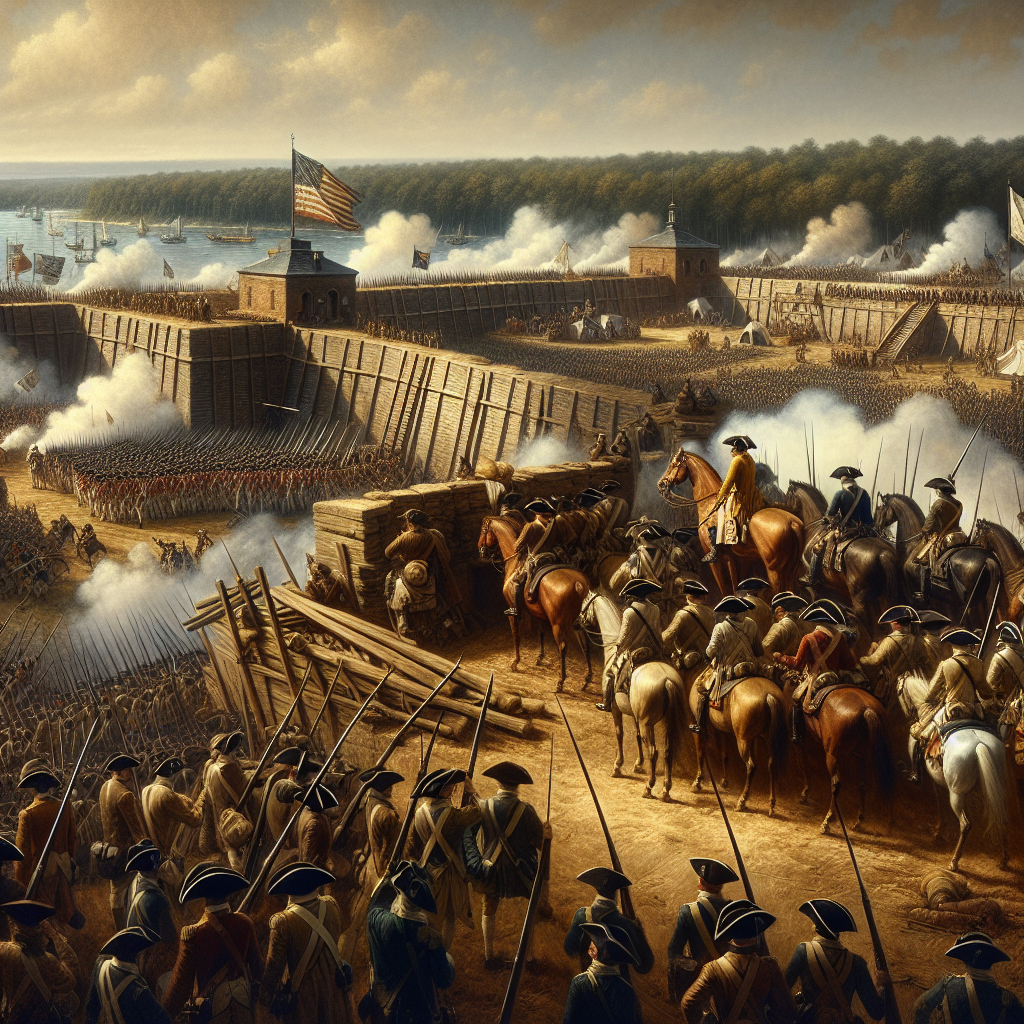
Greene's strategy defied conventional wisdom. He retreated, split his forces, and traded space for time. At Guilford Court House in March 1781, he fought a battle he technically lost but inflicted such severe casualties that British commander Lord Cornwallis abandoned the Carolinas altogether and marched north toward his eventual fate at Yorktown. "We fight, get beat, rise, and fight again," Greene wrote to a friend. That relentless approach cleared the South of British control and set the stage for the war's final act, without Greene ever winning a pitched battle.
Greene never received the fame his campaigns earned him. He died in 1786 at 43, less than three years after the war ended, from complications of heat stroke. Washington eulogized him as one of the Revolution's indispensable officers. A century later, military historians would rank his Southern Campaign among the most tactically brilliant sequences of the entire war — a judgment that has only grown stronger with time.


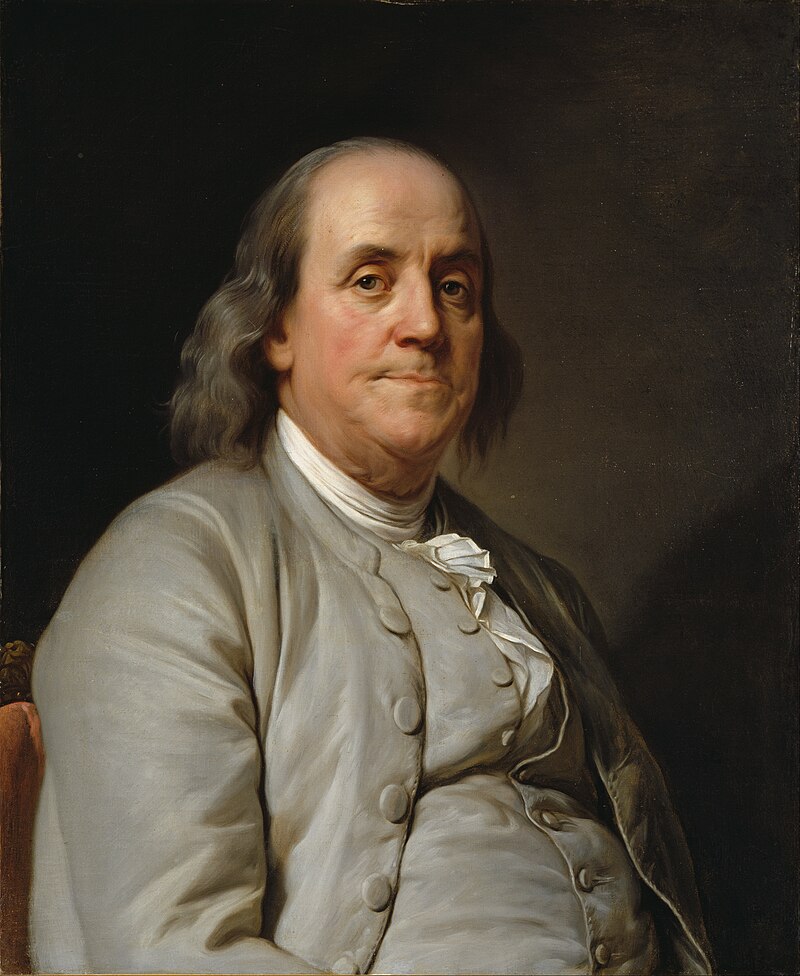
| Born | August 7, 1742 — Potowomut, Rhode Island |
| Died | June 19, 1786 — Savannah, Georgia |
| Rank | Major General, Continental Army |
| Theater | Southern Campaign, 1780–1781 |
| Key Battles | Guilford Court House, Eutaw Springs, Hobkirk's Hill |
| Commander | George Washington |
| Years | 1742–1786 |
| Location | Southern United States (Carolinas) |