The Federalist Papers

The Federalist Papers were written in a hurry, under pseudonyms, for a newspaper audience, by three men who disagreed with each other about almost everything. Alexander Hamilton, James Madison, and John Jay published 85 essays under the shared pen name "Publius" between October 1787 and May 1788, arguing for ratification of the proposed Constitution in a New York press campaign aimed at that state's skeptical convention delegates. Hamilton wrote 51 of them, Madison 26, Jay 5, and three were co-authored — an extraordinary outpouring of political theory produced at a pace (sometimes multiple essays per week) that leaves modern readers exhausted just thinking about it. The immediate political goal was narrow: win New York. The intellectual achievement was unlimited.
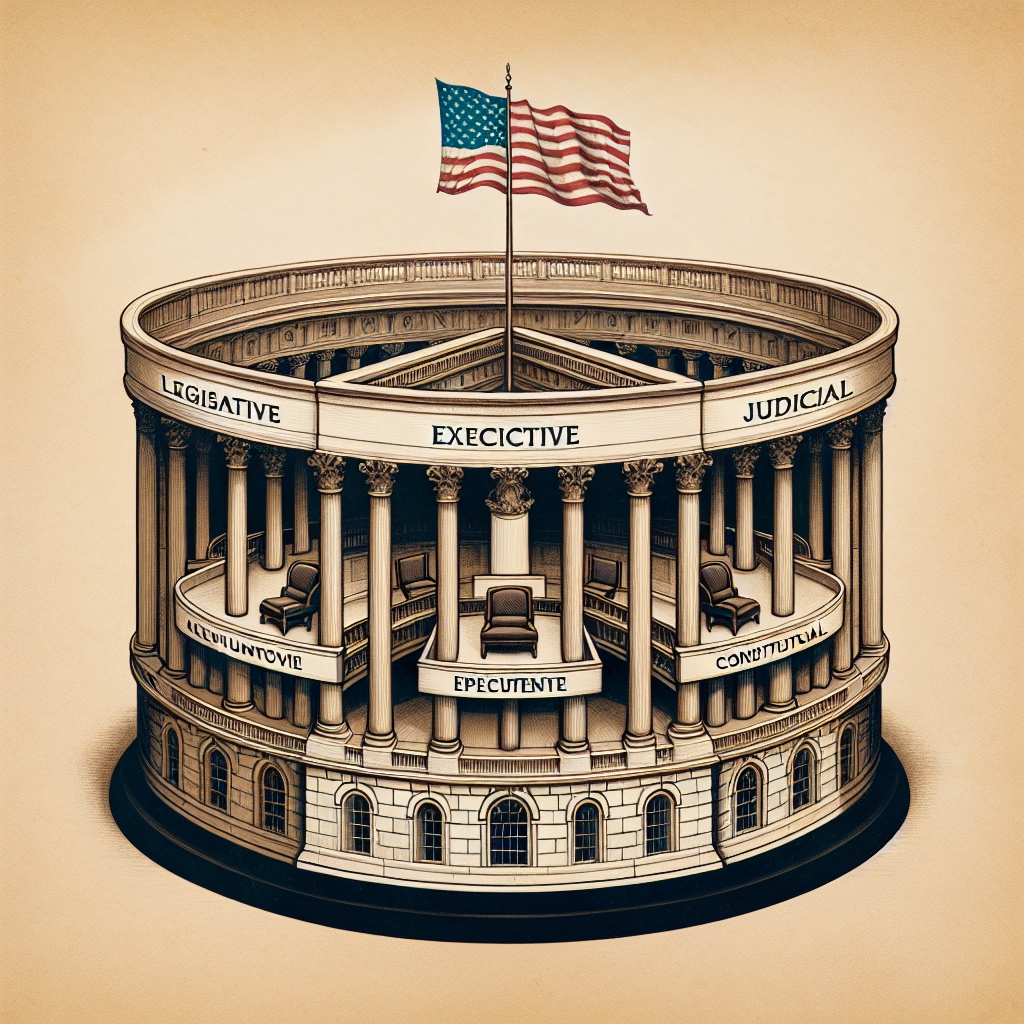
The essays function simultaneously as a ratification pamphlet, a political theory textbook, and a lawyer's brief — sometimes all three in the same paragraph. Federalist No. 10, Madison's essay on factions, argues that a large republic is more stable than a small one because the diversity of interests prevents any single faction from dominating all the others — an inversion of the prevailing wisdom that republics had to be small to function, and an argument whose implications for American pluralism are still being worked out. Federalist No. 51, also Madison's, articulates the philosophy of checks and balances: "Ambition must be made to counteract ambition" — the design principle of a government that assumes its own officials will be self-interested and structures accordingly. Federalist No. 78, Hamilton's essay on the judiciary, established the theoretical basis for judicial review that John Marshall would turn into precedent in Marbury v. Madison.
The papers' historical influence has grown continuously since their publication. Courts cite them as evidence of the Constitution's original meaning; law professors assign them as primary texts; politicians invoke them as authority; historians study them as the most systematic exposition of the founders' political intentions ever produced. The irony is that they are not always a reliable guide to those intentions — they were advocacy documents, written to win a political argument, and their authors sometimes argued for positions they did not personally hold or later abandoned. Hamilton and Madison, who collaborated on the Federalist, became the founding era's most bitter political enemies within a decade. The document they produced together has outlasted the friendship by two and a half centuries.

| Published | October 27, 1787 – May 28, 1788 |
| Pen name | "Publius" |
| Authors | Hamilton (51), Madison (26), Jay (5), 3 co-authored |
| Total essays | 85 |
| Publication | New York newspapers (Independent Journal, New York Packet, Daily Advertiser) |
| Key essays | No. 10 (factions), No. 51 (checks and balances), No. 78 (judiciary) |
| Purpose | Argue for ratification of U.S. Constitution in New York |
| Date | October 27, 1787 – May 28, 1788 |
| Location | New York, New York |