Northwest Ordinance
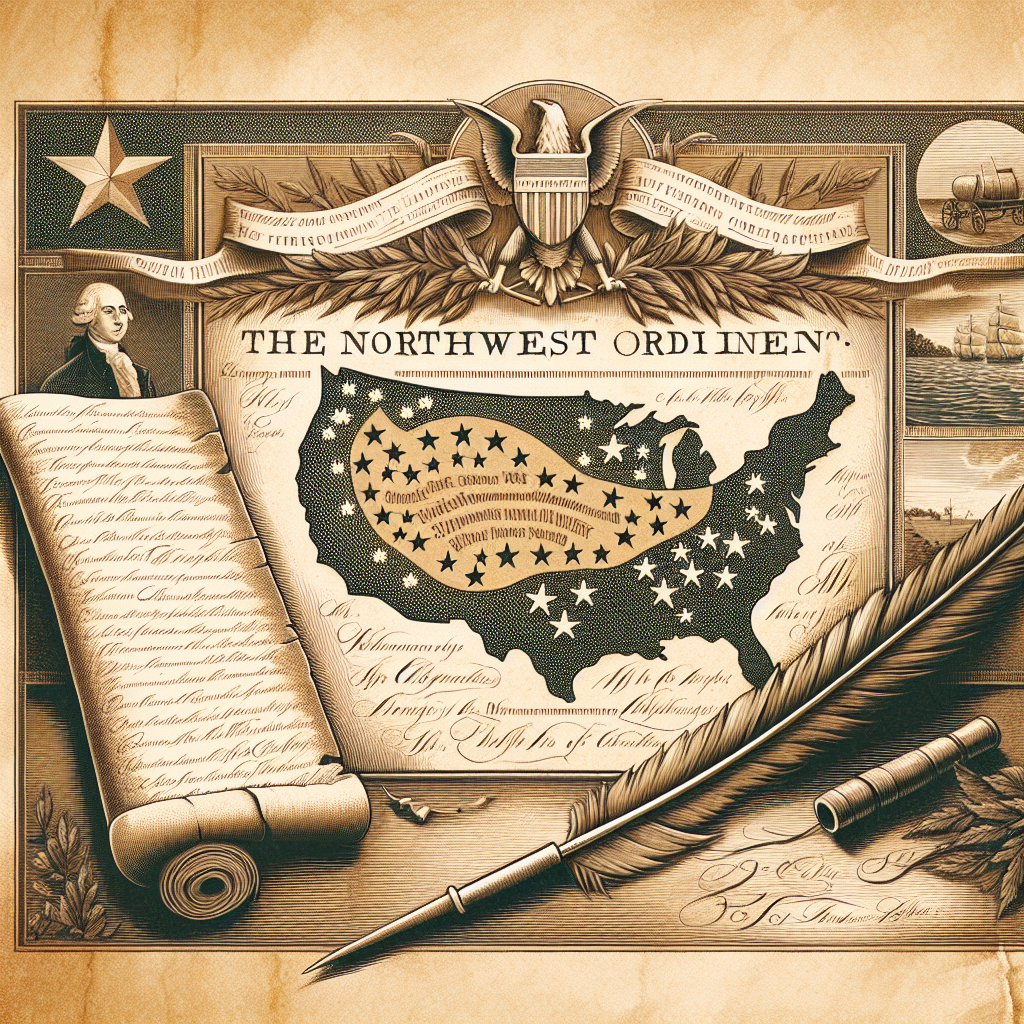
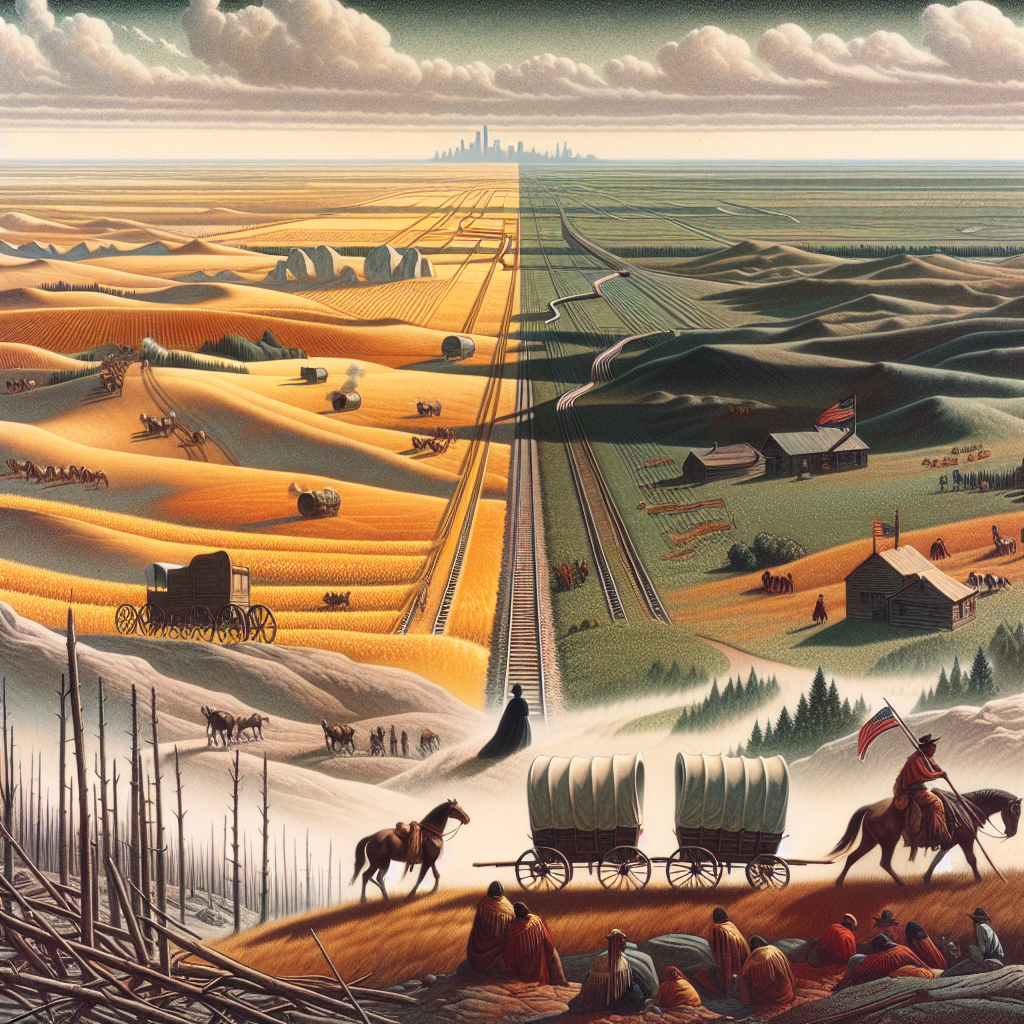
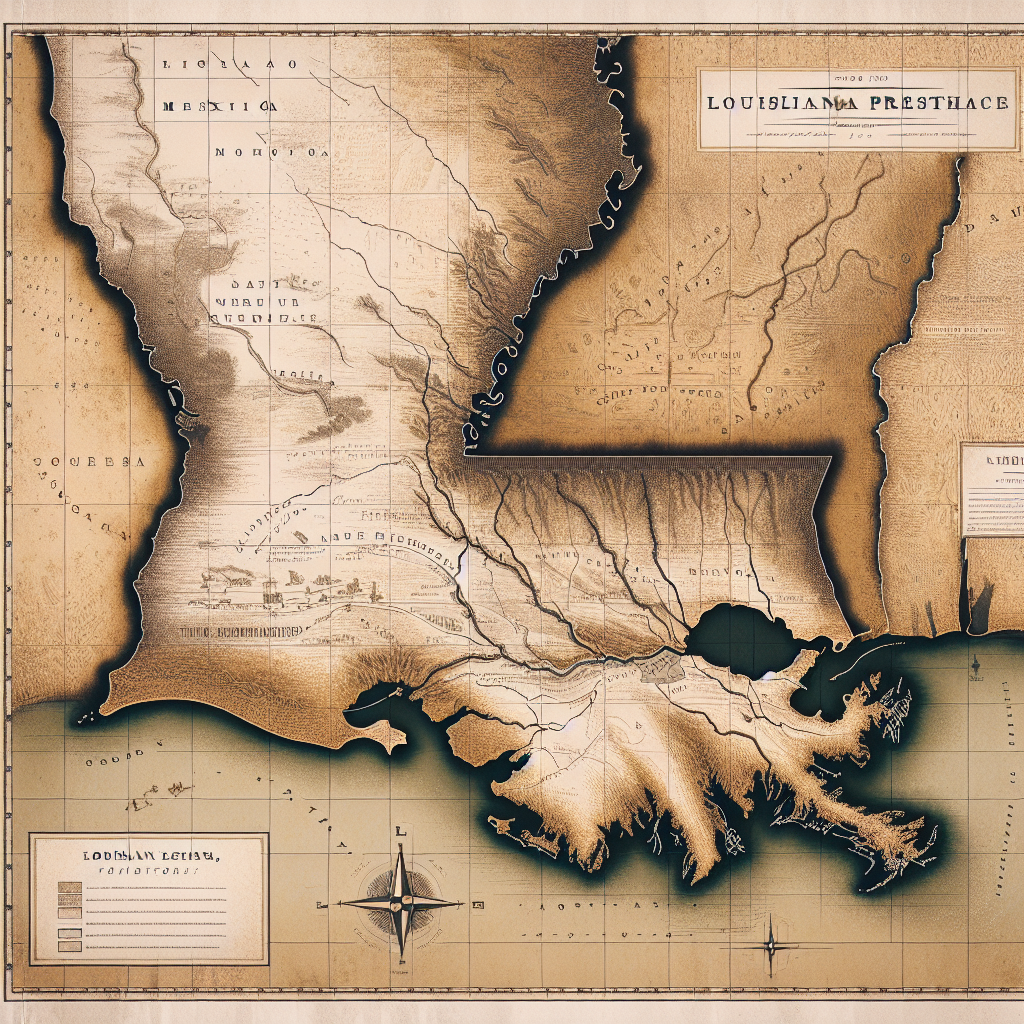
The Northwest Ordinance of 1787 was passed by the Congress of the Confederation — the same weak government then being replaced by the Constitutional Convention in Philadelphia — and it may have been the most consequential legislation that body ever produced. It established the process by which territories northwest of the Ohio River would be organized, governed, and eventually admitted as states equal to the original thirteen. The framework it created became the template for nearly every subsequent territorial acquisition in American history.
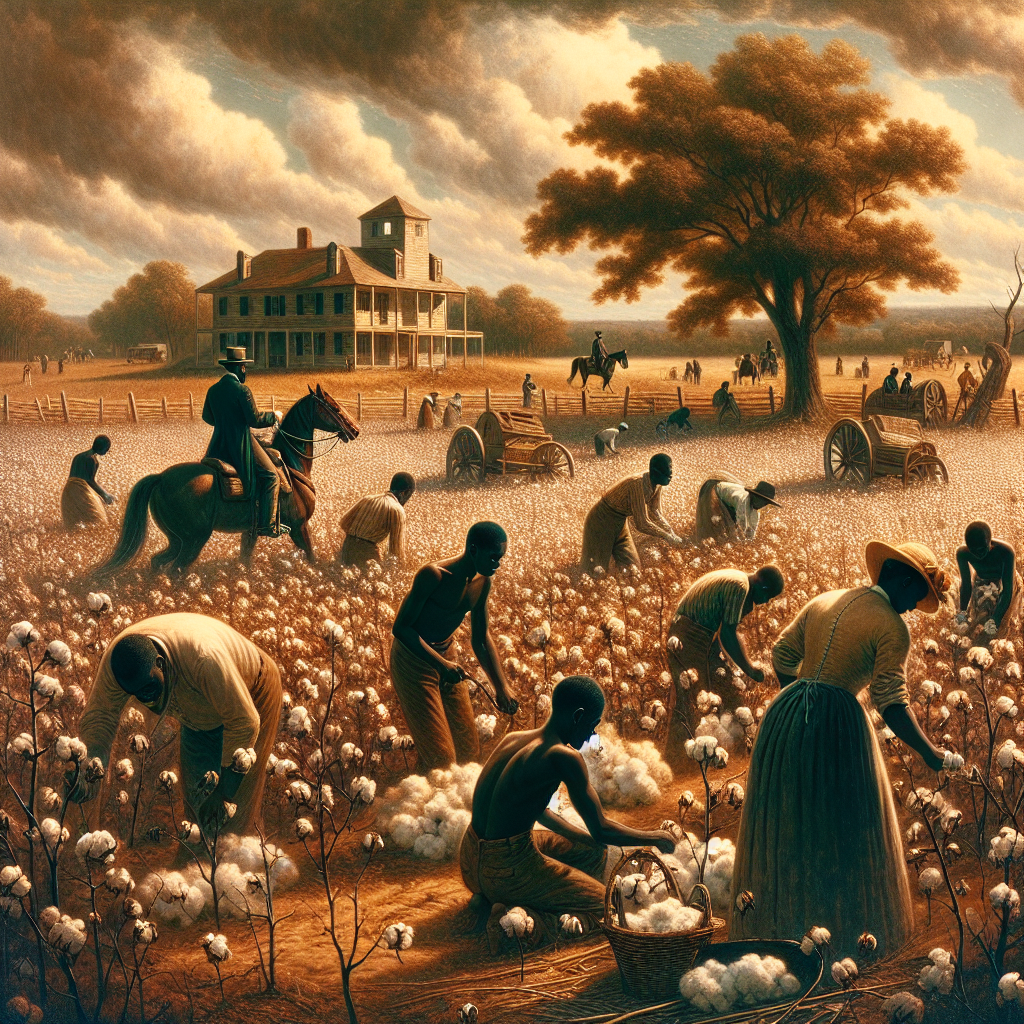
The Ordinance guaranteed civil liberties in the Northwest Territory — freedom of religion, trial by jury, public education — at a moment when those guarantees were not yet written into the Constitution. More dramatically, it prohibited slavery north of the Ohio River, drawing a geographic line that would shape the politics of westward expansion for the next seven decades. The five states eventually carved from the territory — Ohio, Indiana, Illinois, Michigan, and Wisconsin — all entered the Union as free states, a direct consequence of that prohibition.
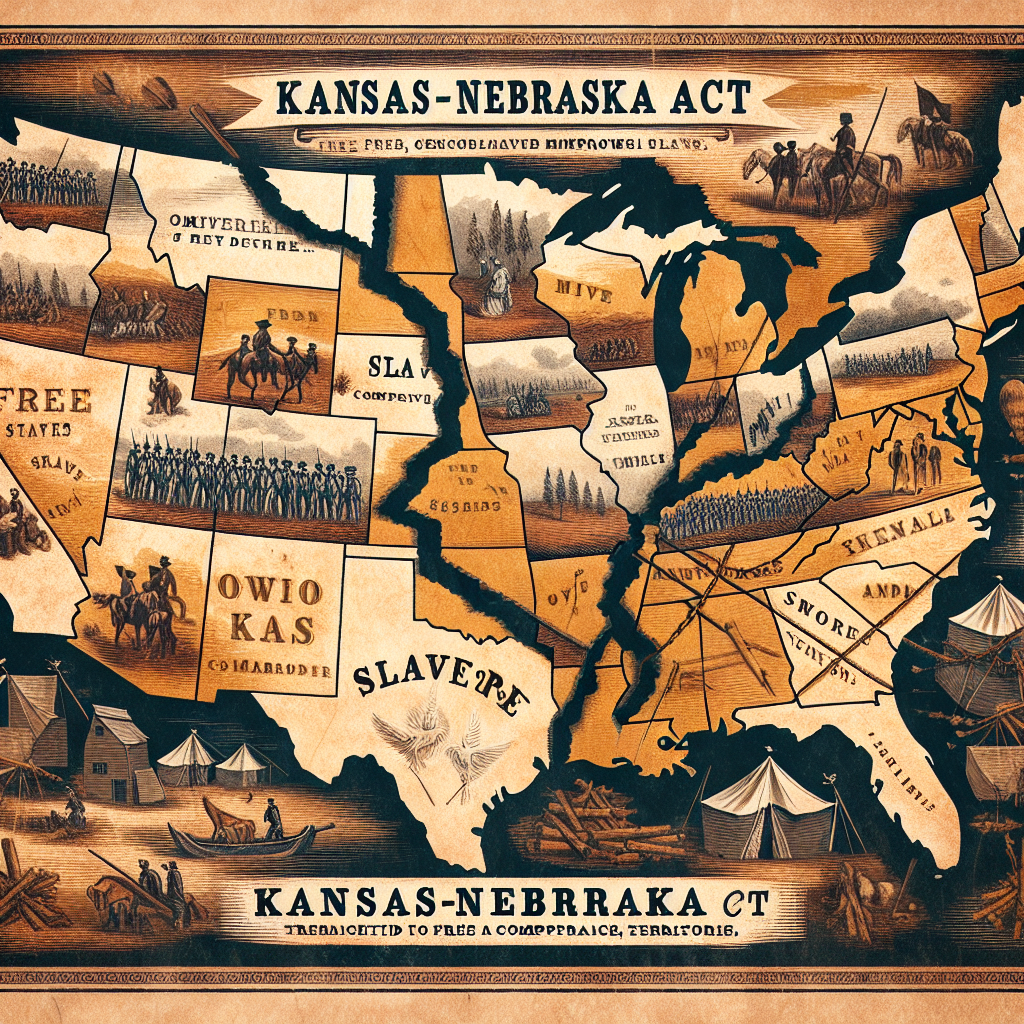
The Ordinance also established the principle that new states would enter the Union on equal footing with existing ones — not as subordinate colonies of the Eastern seaboard but as full partners. That commitment was not obvious in 1787; it represented a genuine political choice that shaped the character of American expansion. The Ordinance's antislavery clause would be cited repeatedly in antebellum debates, and its framework echoed in the arguments over Kansas and Nebraska seven decades later.
| Passed | July 13, 1787 |
| Governing Body | Congress of the Confederation |
| Territory | Land northwest of the Ohio River |
| States Created | Ohio, Indiana, Illinois, Michigan, Wisconsin |
| Key Provision | Prohibited slavery in the territory |
| Legacy | Template for all subsequent U.S. territorial organization |
| Date | July 13, 1787 |
| Location | New York City, New York |