Constitutional Convention
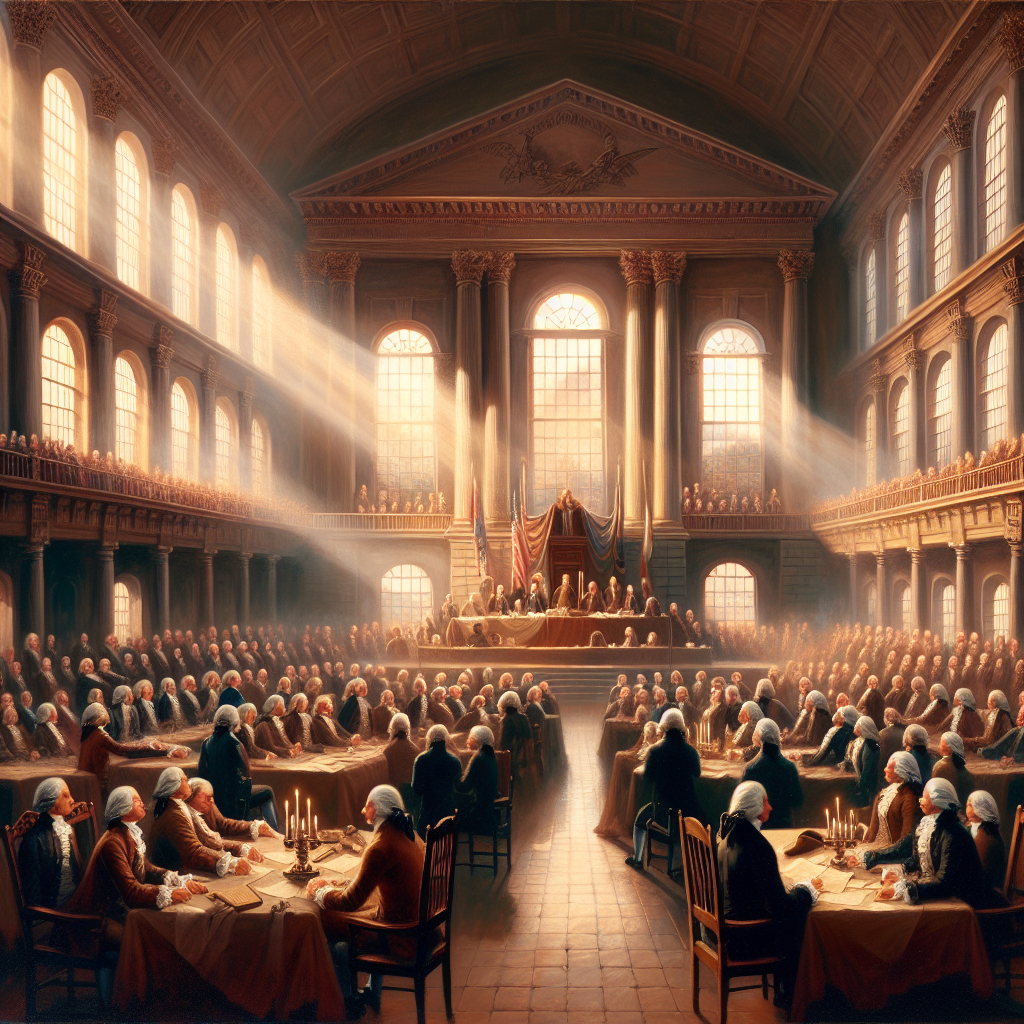
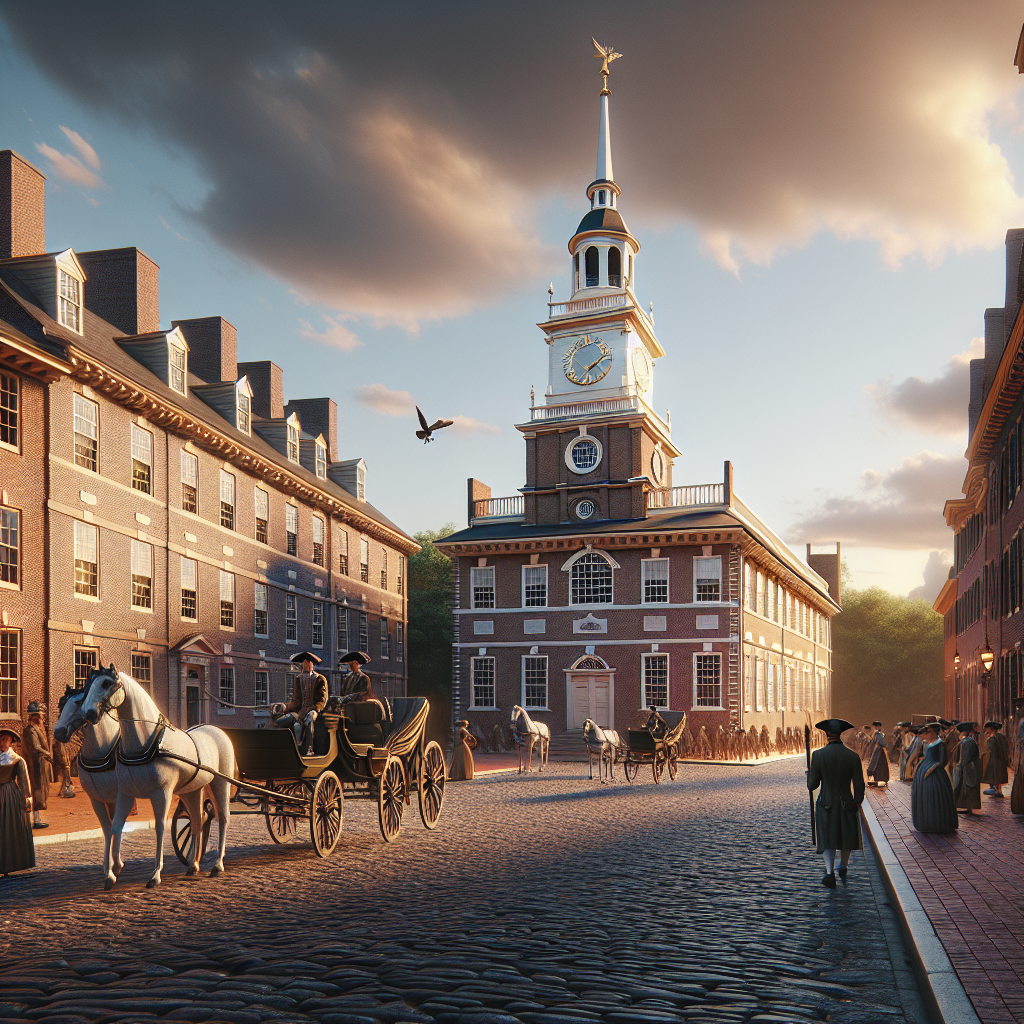
Fifty-five delegates arrived in Philadelphia in May 1787 with a mandate to revise the Articles of Confederation — a document so ineffective that the federal government under it could not collect taxes, pay its debts, regulate commerce between states, or compel any state to do anything at all. Within days, the delegates had agreed in secret to scrap the Articles entirely and write a new constitution from scratch. They then spent four months in a sweltering State House — the windows nailed shut to prevent eavesdropping — negotiating a document that would govern a country that did not yet know the document was being written. The secrecy was deliberate. Madison and the others understood that the country would debate and ratify the result more clearly if it didn't debate the process.
The convention's central tension was between large states and small, between slaveholding South and commercial North, and between those who wanted a strong central government and those who believed any government powerful enough to be effective was powerful enough to become tyrannical. The compromises that resolved these tensions are written into the Constitution's structure in ways that still shape American politics: the Senate gives Wyoming and California equal representation; the Electoral College gives small states disproportionate presidential influence; the Three-Fifths Compromise, now deleted by the 14th Amendment, gave slave states 60 additional House seats for people they refused to recognize as human. The genius of the document is inseparable from its original sins.
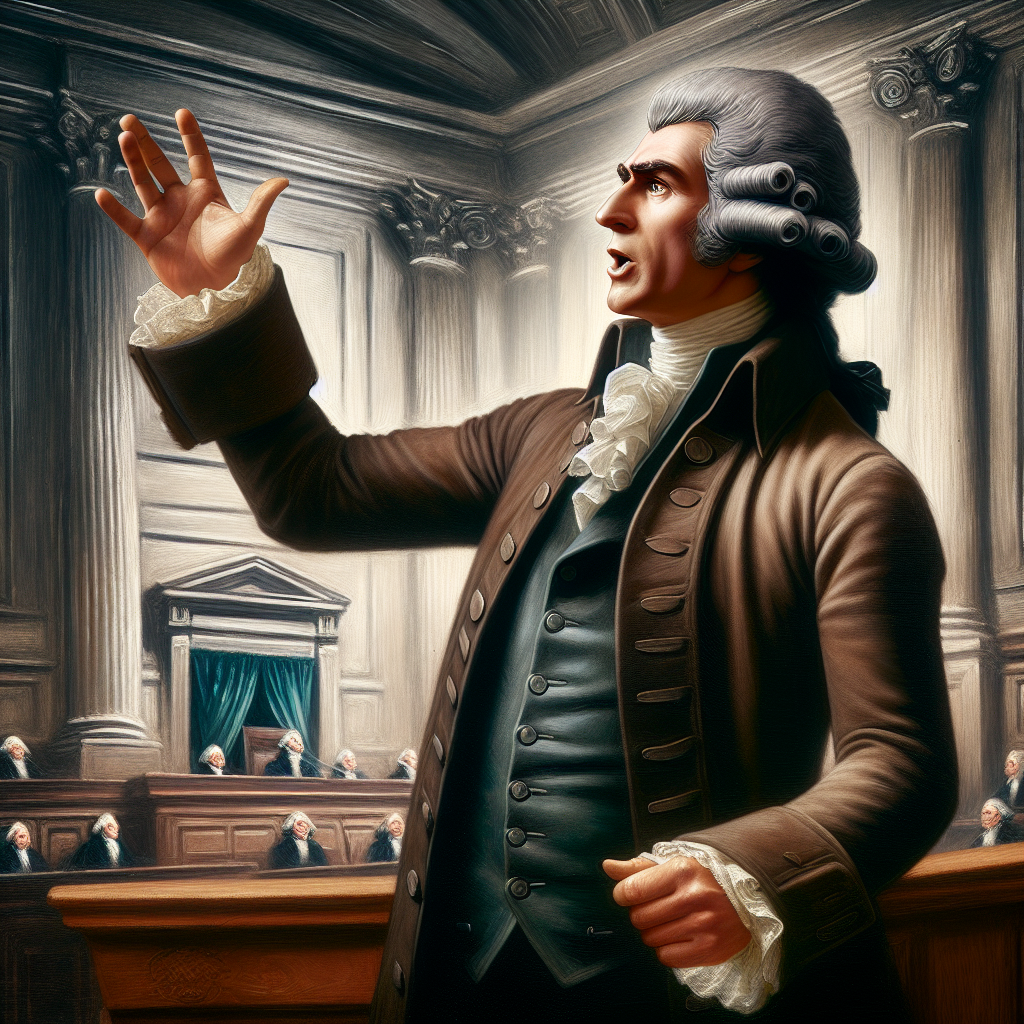
The convention produced 39 signatories on September 17, 1787, out of 55 attendees — several had left in disgust, several refused to sign on principle. Benjamin Franklin, 81 and too frail to stand, had his speech read aloud by James Wilson: he had reservations about parts of the document, he said, but doubted whether any other convention could produce a better one, and so he would sign, astonished to find that this Constitution approached so near to perfection as it does. The ratification fight that followed — fierce essays for and against, dozens of state conventions debating — produced the Bill of Rights as the price of ratification and the republic as the result. It remains the oldest written national constitution still in effect anywhere on earth.

| Dates | May 25 – September 17, 1787 |
| Location | Pennsylvania State House (Independence Hall), Philadelphia |
| Delegates | 55 attended; 39 signed |
| President | George Washington |
| Primary drafter | James Madison |
| Mandate | Revise Articles of Confederation (exceeded) |
| Result | U.S. Constitution (ratified June 21, 1788) |
| Oldest | Oldest written national constitution still in effect |
| Date | May 25 – September 17, 1787 |
| Location | Philadelphia, Pennsylvania |