Whiskey Rebellion
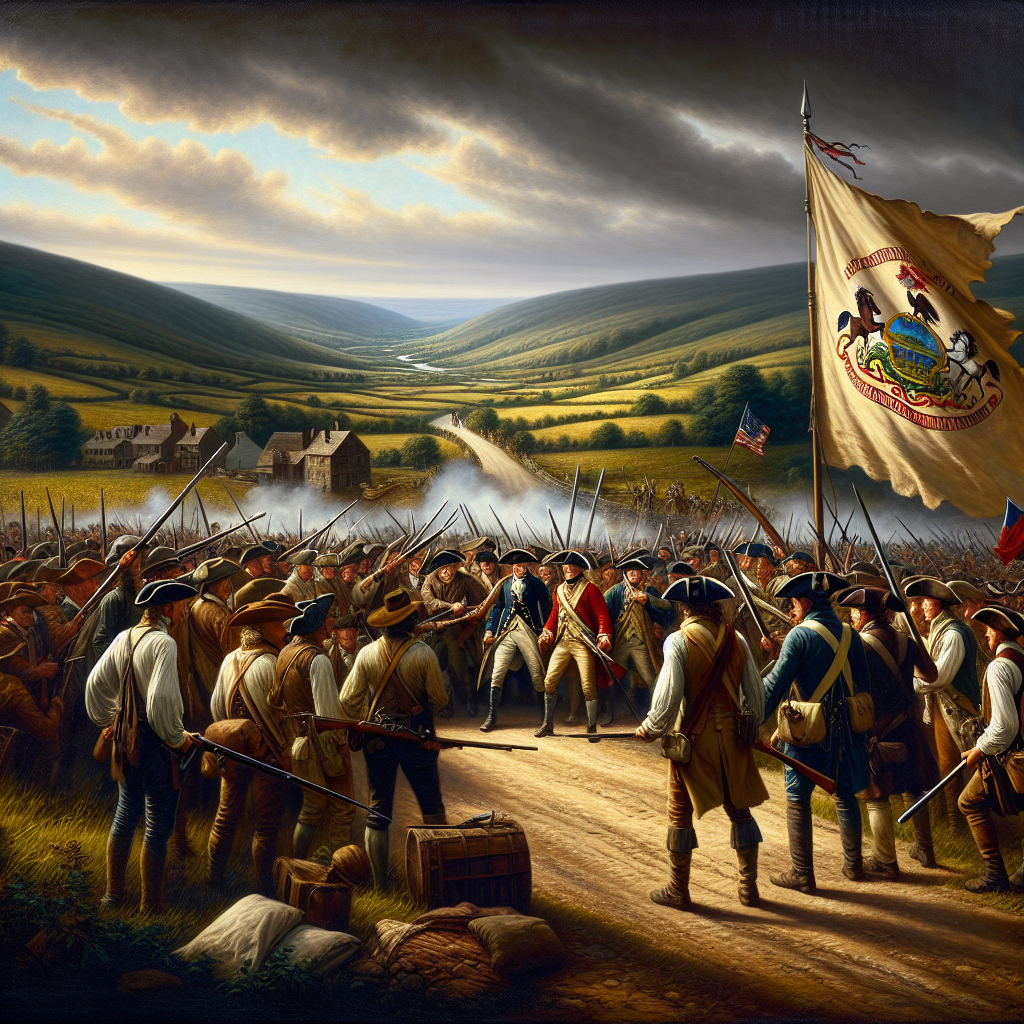
In the summer of 1794, farmers in western Pennsylvania rose in armed revolt against a federal excise tax on whiskey — the first major domestic test of the new federal government's authority under the Constitution. The tax, part of Alexander Hamilton's financial program, fell disproportionately on small distillers who used whiskey as currency in a cash-scarce frontier economy, while large commercial distillers paid a lower rate per gallon. When federal revenue officers tried to enforce the tax, they were tarred, feathered, and driven out. When a U.S. marshal served warrants on local distillers, several thousand armed men assembled under a reconstructed Liberty Pole — the old symbol of revolutionary resistance — and marched on Pittsburgh.
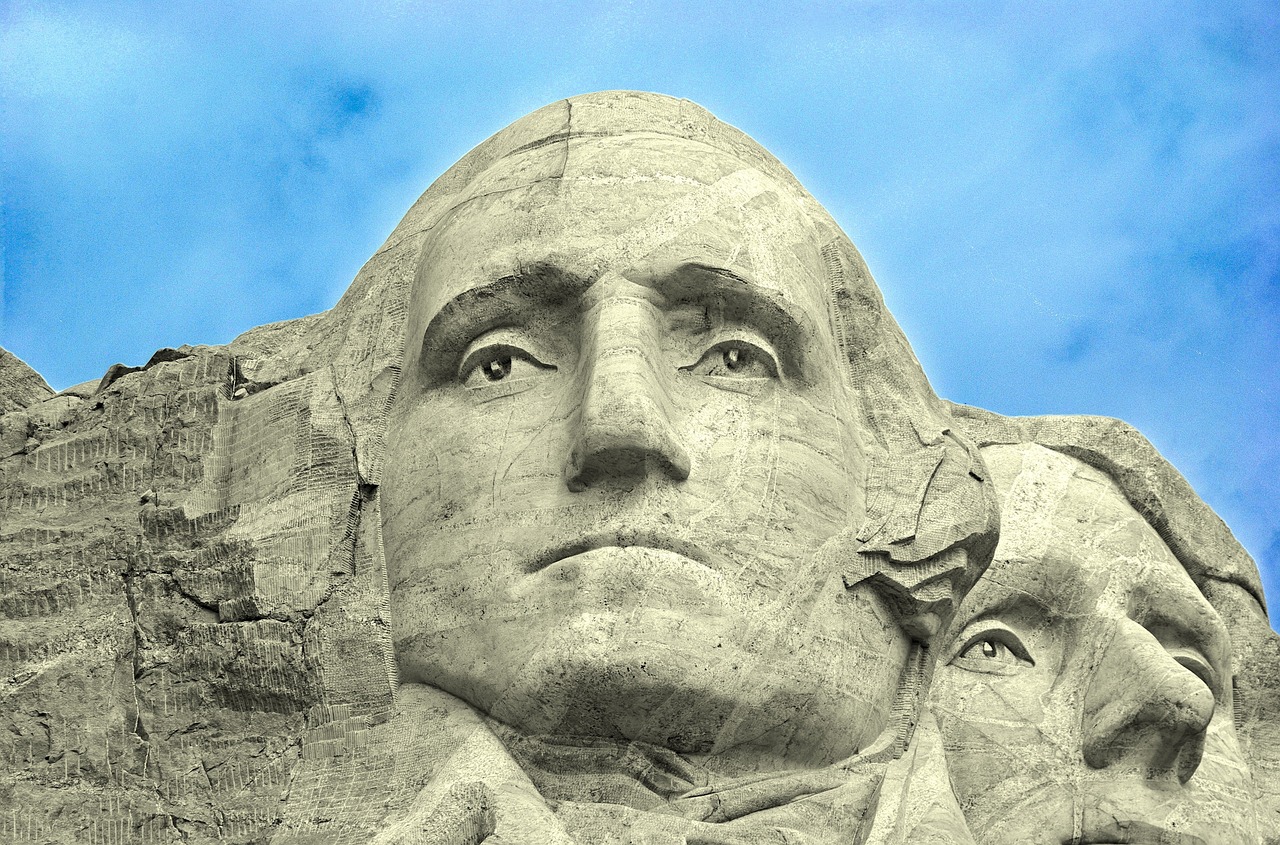
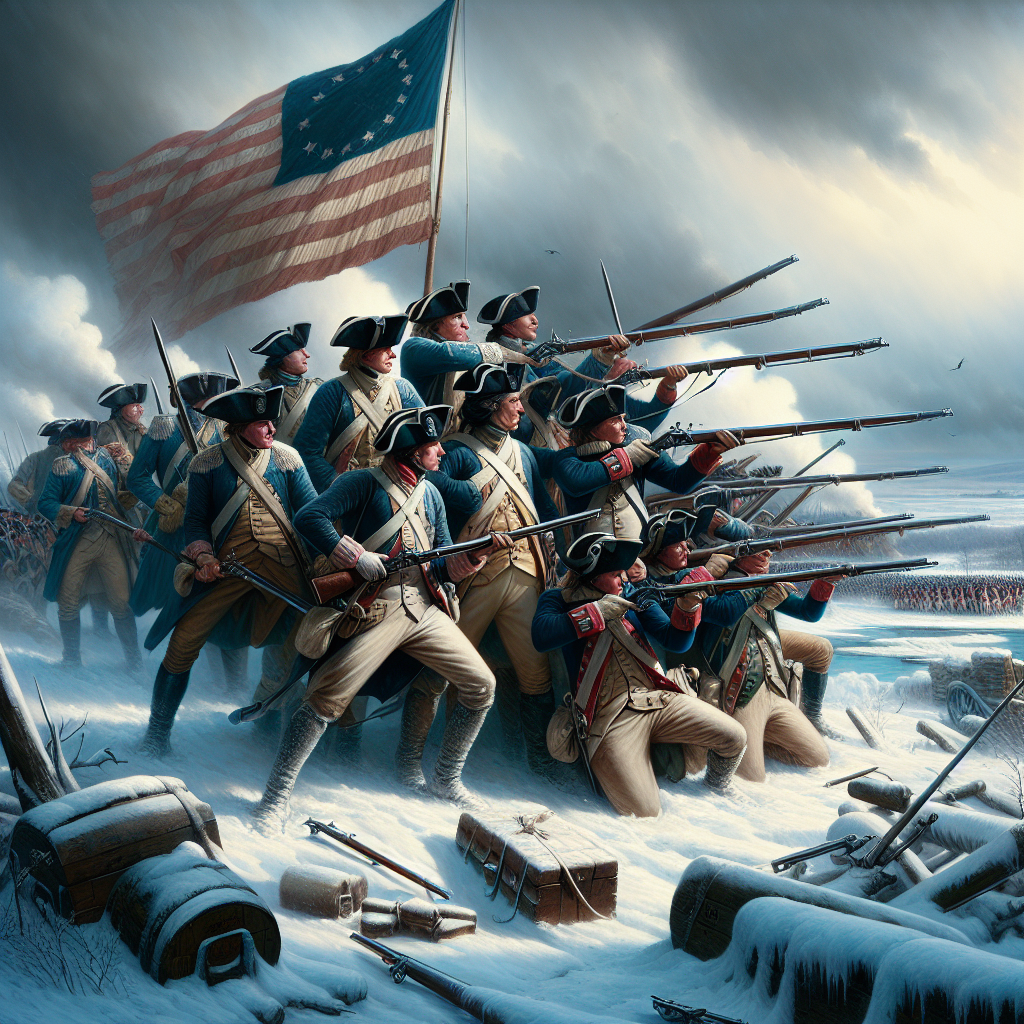
George Washington's response was swift and deliberate. He personally led an army of nearly 13,000 militia into western Pennsylvania — the largest force he had commanded since the Revolution, and the first and only time a sitting American president personally commanded troops in the field. By the time the army arrived, the rebellion had largely dissolved; most leaders had fled or gone into hiding. Two men were convicted of treason; Washington pardoned both. The military response was overwhelmingly disproportionate to the resistance it met — which was precisely the point. The new federal government had demonstrated it could and would enforce its laws.
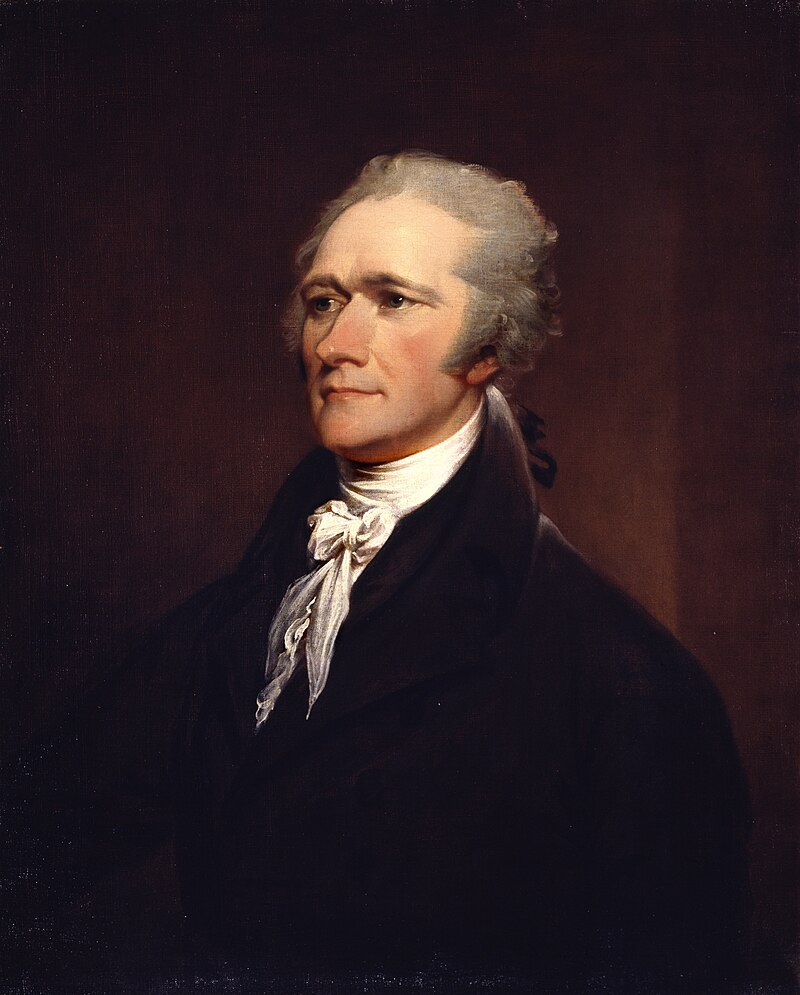
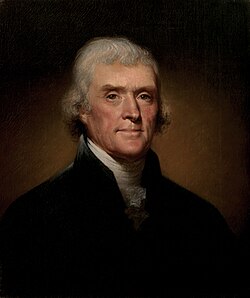
The rebellion revealed fault lines that would shape American politics for the next generation. Hamilton and the Federalists saw it as confirmation that a strong central government was necessary to maintain order. Jefferson and the emerging Democratic-Republicans saw the suppression as evidence of Federalist tyranny — a government using military force against its own citizens for resisting an unjust tax. The excise tax was repealed by Jefferson after he took office in 1801. The debate the rebellion represented — when is resistance to law legitimate, and how much force may the government use to suppress it — has never been fully resolved.
| Date | July–November 1794 |
| Location | Western Pennsylvania (Washington and Allegheny counties) |
| Cause | Federal excise tax on distilled spirits (1791) |
| Response | President Washington led 13,000 militia into Pennsylvania |
| Outcome | Rebellion dispersed; two convicted of treason, both pardoned |
| Political Impact | Strengthened Federalists; galvanized Democratic-Republican opposition |
| Date | July–November 1794 |
| Location | Washington County, Pennsylvania |