Stamp Act
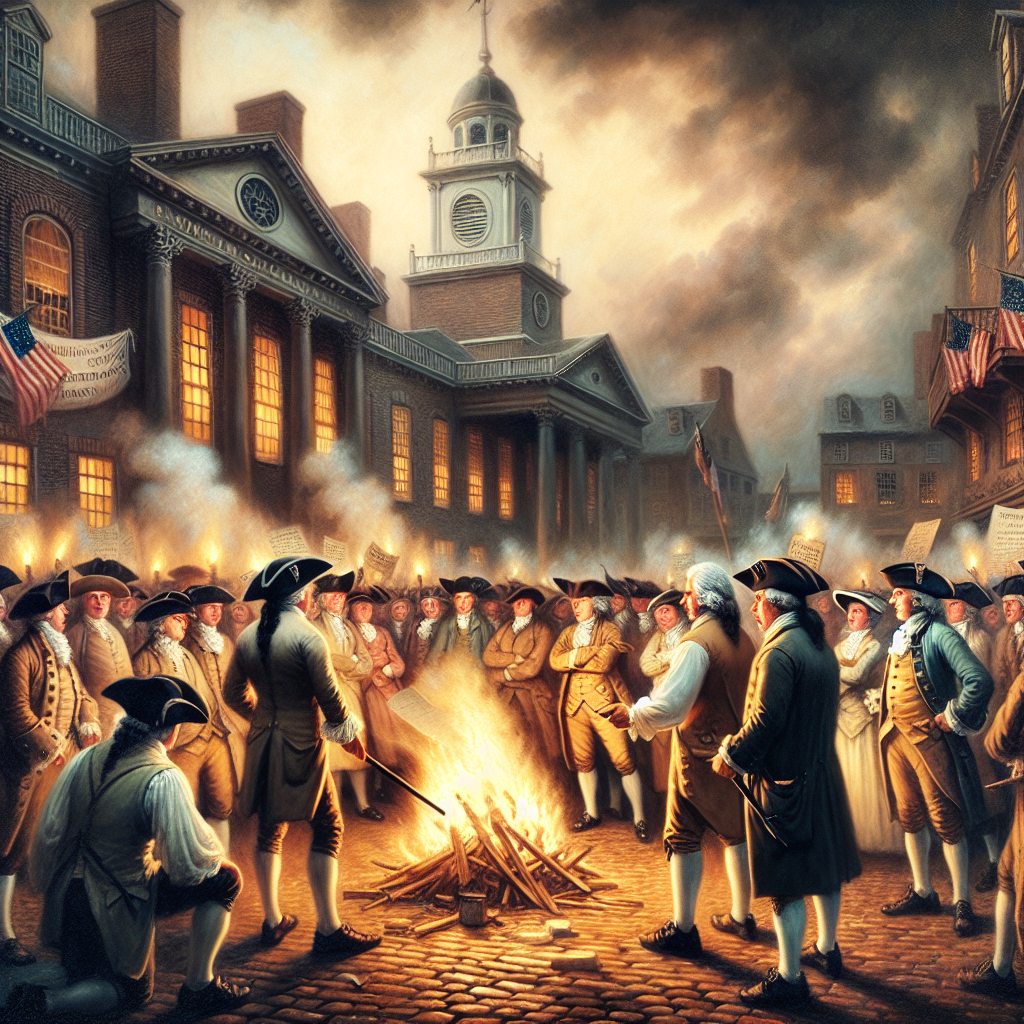
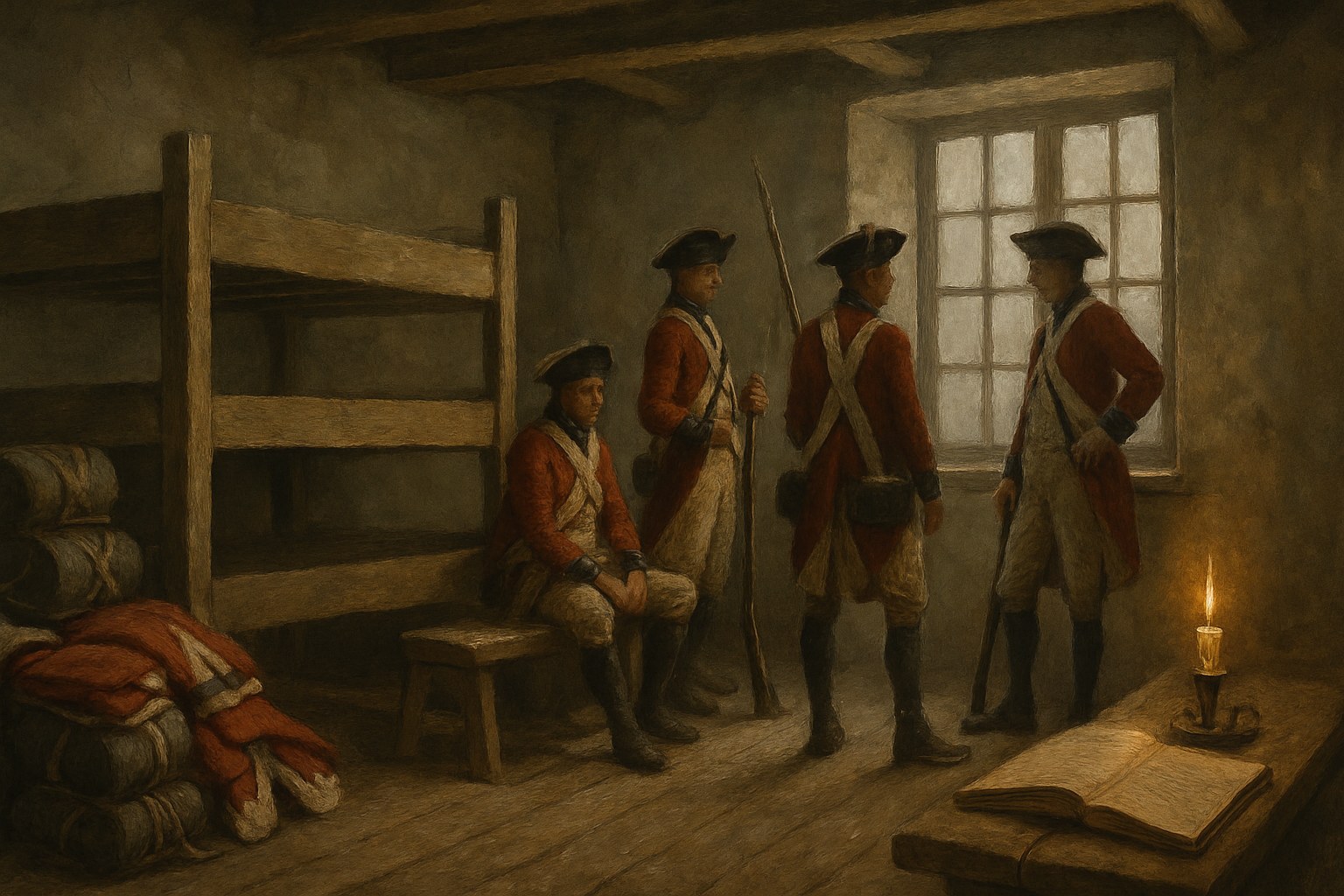
Parliament passed the Stamp Act on March 22, 1765, requiring that nearly all printed materials in the American colonies — newspapers, pamphlets, legal documents, licenses, almanacs, playing cards — carry an embossed revenue stamp purchased from British agents. It was the first direct tax Parliament had ever imposed on the colonies, and it landed differently than the customs duties and trade regulations the colonists had long grumbled about. Those earlier measures could be understood as regulation of commerce. The Stamp Act was an unambiguous assertion of Parliament's right to tax the colonists directly, without their consent and without their representation.
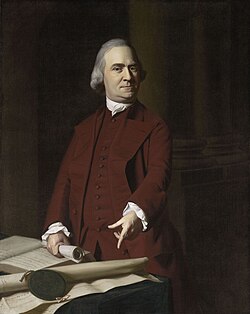
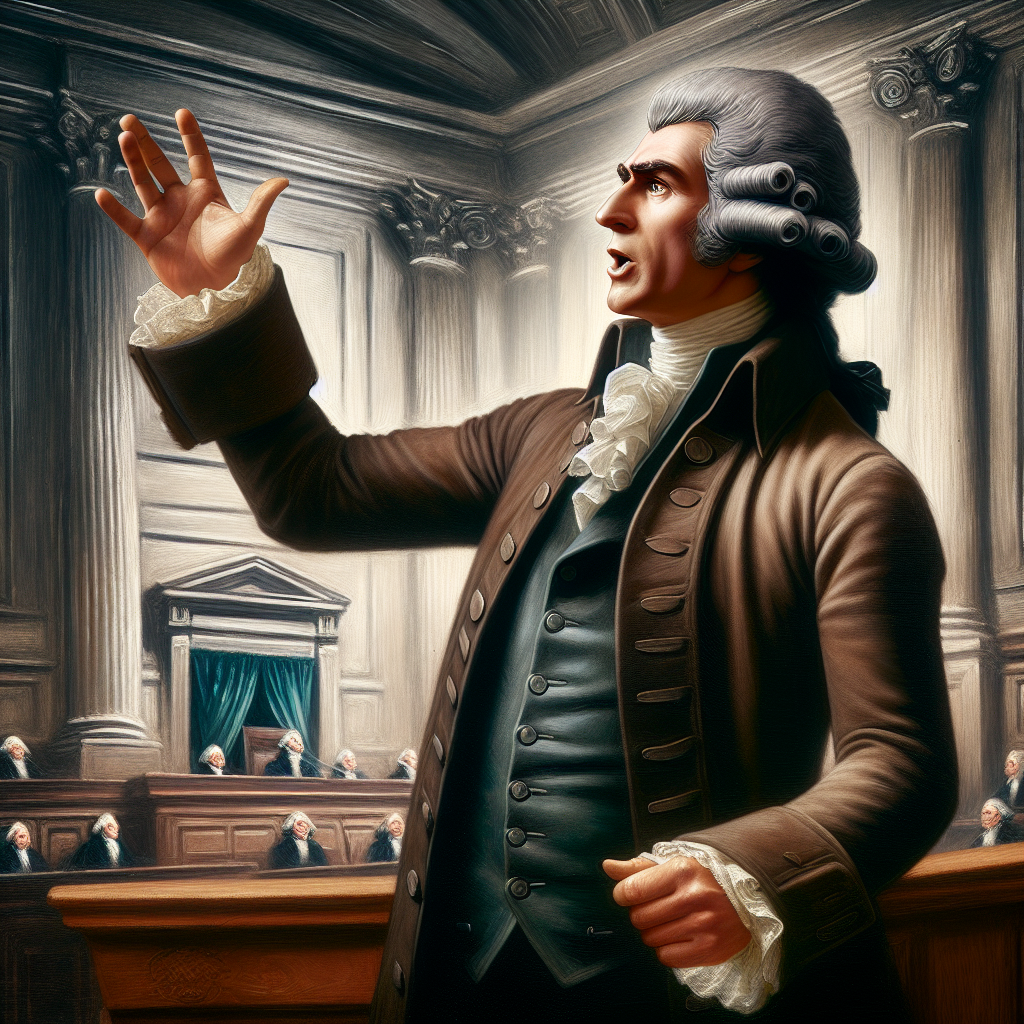
The response was immediate and in some places violent. Stamp distributors were threatened, assaulted, and forced to resign in cities up and down the seaboard. The Sons of Liberty organized boycotts of British goods. Nine colonies sent delegates to the Stamp Act Congress in New York in October 1765, which produced the first unified colonial statement of political grievances — asserting that only colonial legislatures, not Parliament, had the right to tax Americans. The argument of "no taxation without representation" became the rallying phrase of colonial resistance, though what the colonists wanted at this stage was not independence but the rights they believed they held as English subjects.
Parliament repealed the Stamp Act in March 1766, bowing to the economic pressure of the boycotts and the political pressure of British merchants losing American trade. The same day it passed the Declaratory Act, asserting that Parliament had the authority to legislate for the colonies "in all cases whatsoever." The colonists celebrated the repeal and largely ignored the Declaratory Act — a misreading of British intentions that would become clear within a few years. The Stamp Act crisis was the first moment the colonies acted collectively in political opposition, and it showed both sides what the other was capable of.





| Passed | March 22, 1765, by British Parliament |
| Repealed | March 18, 1766 |
| Tax applied to | All printed materials — newspapers, legal documents, licenses |
| Colonial response | Stamp Act Congress, October 1765; Sons of Liberty boycotts |
| Key argument | "No taxation without representation" |
| Accompanied by | Declaratory Act (1766) — Parliament asserted full authority |
| Significance | First unified colonial political action; launched resistance movement |
| Date | March 22, 1765; repealed March 18, 1766 |
| Location | London, England / British American Colonies |