The Bill of Rights
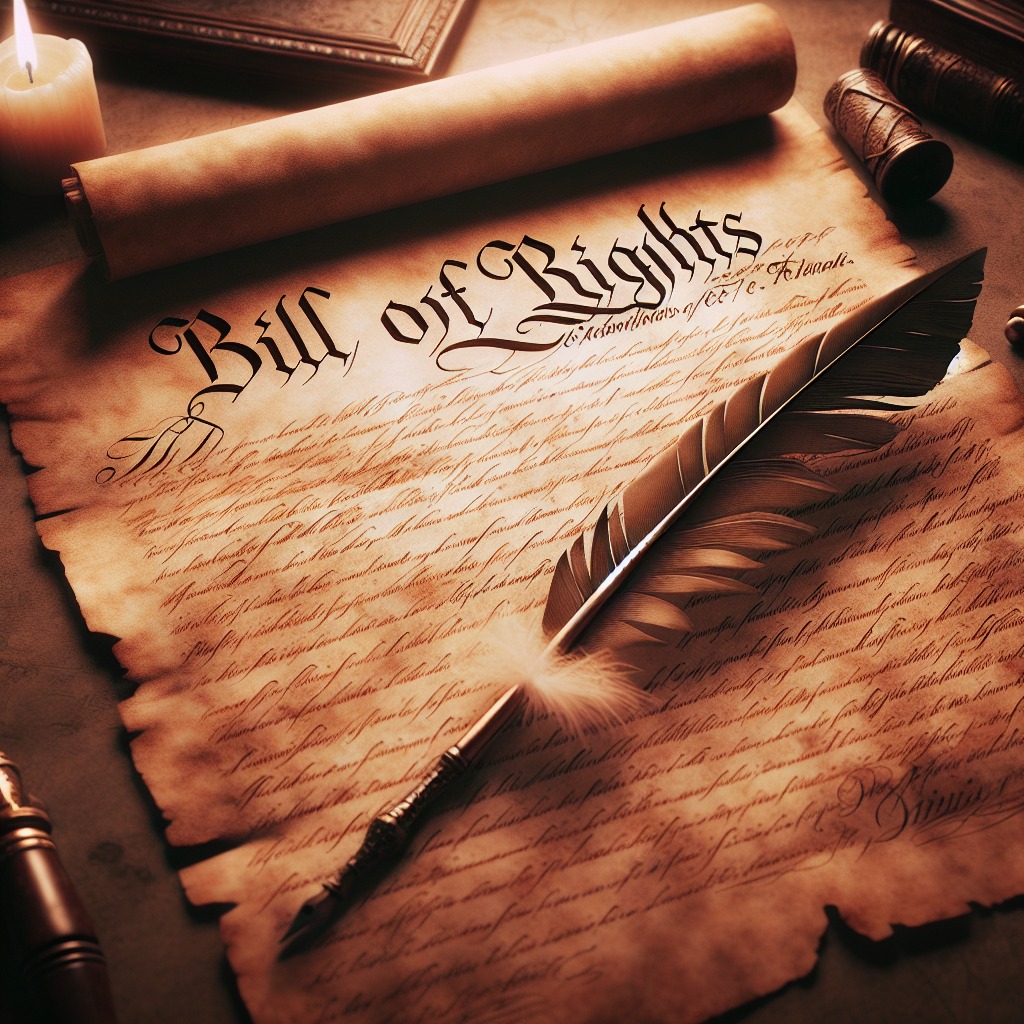
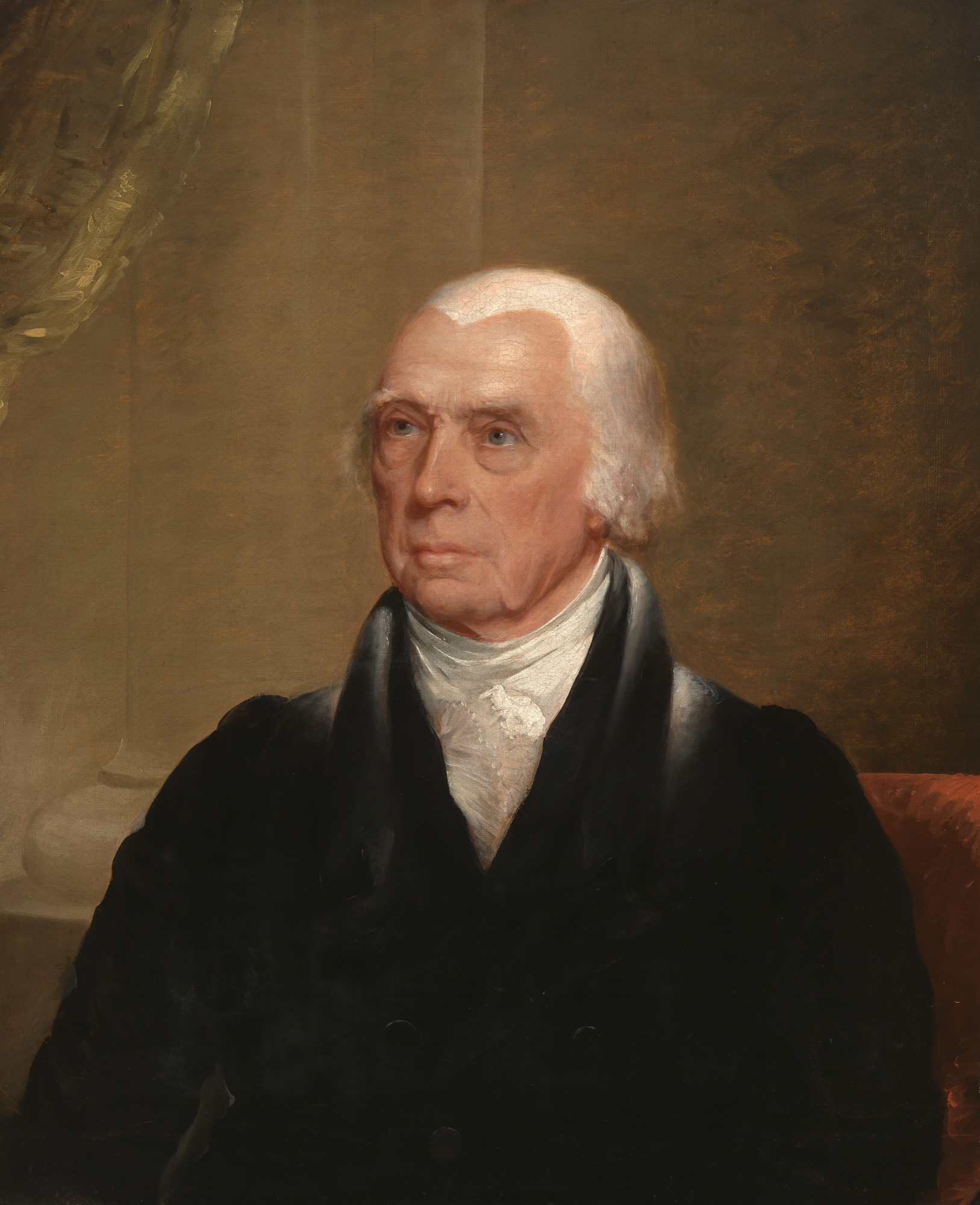
The Constitution drafted in Philadelphia in 1787 nearly failed ratification because it contained no explicit protections for individual rights. Anti-Federalists in state conventions refused to approve a document that granted sweeping new federal powers without specifying what that government could not do. James Madison, initially skeptical that a list of rights was necessary, drafted one anyway — culling proposals from state ratifying conventions, whittling them from hundreds down to twelve, watching ten survive the final vote. On December 15, 1791, the Bill of Rights became law.
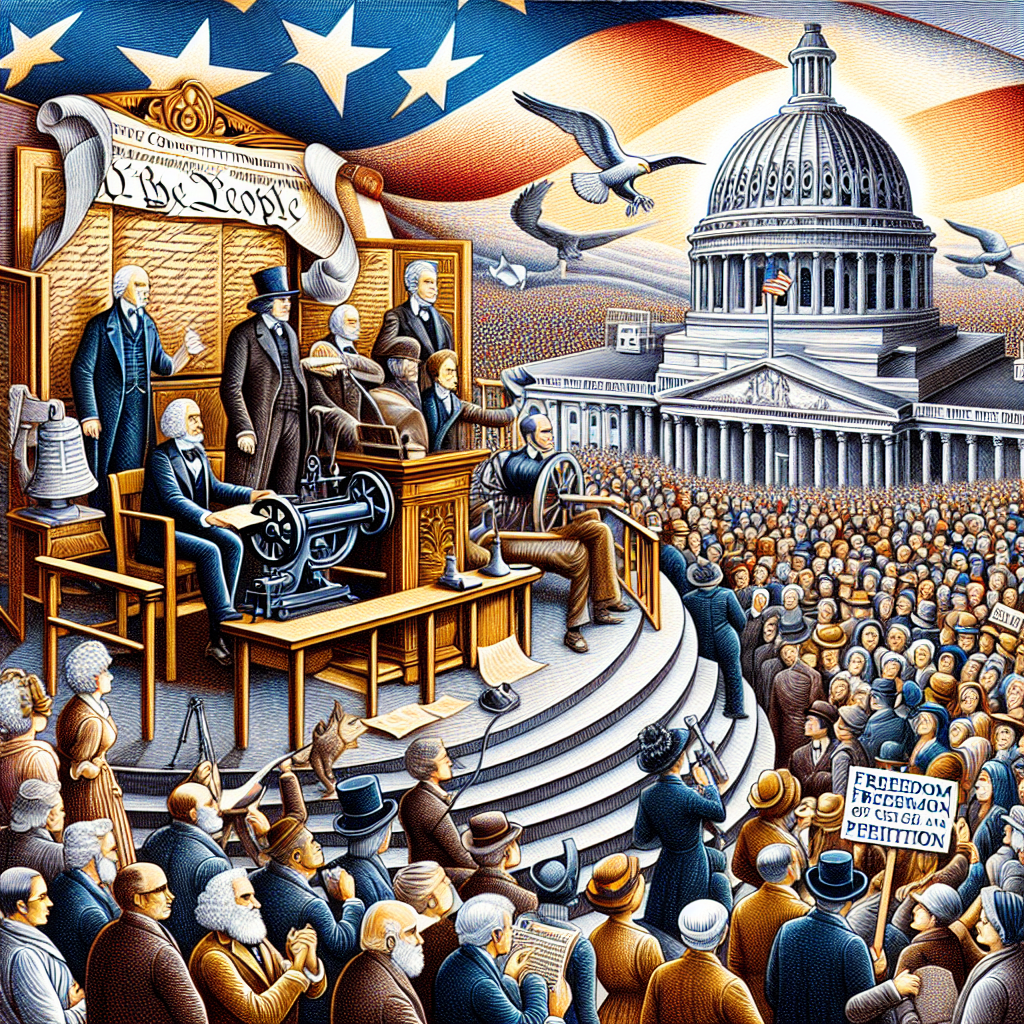
The ten amendments cover ground that still generates litigation every year. The First protects speech, religion, press, assembly, and petition. The Second protects arms. The Fourth guards against unreasonable search and seizure. The Fifth and Sixth define criminal due process. The Eighth prohibits cruel and unusual punishment. The Ninth and Tenth encode a general principle: the federal government has only the powers explicitly granted to it; everything else belongs to the states and the people — a principle contested in every generation since.
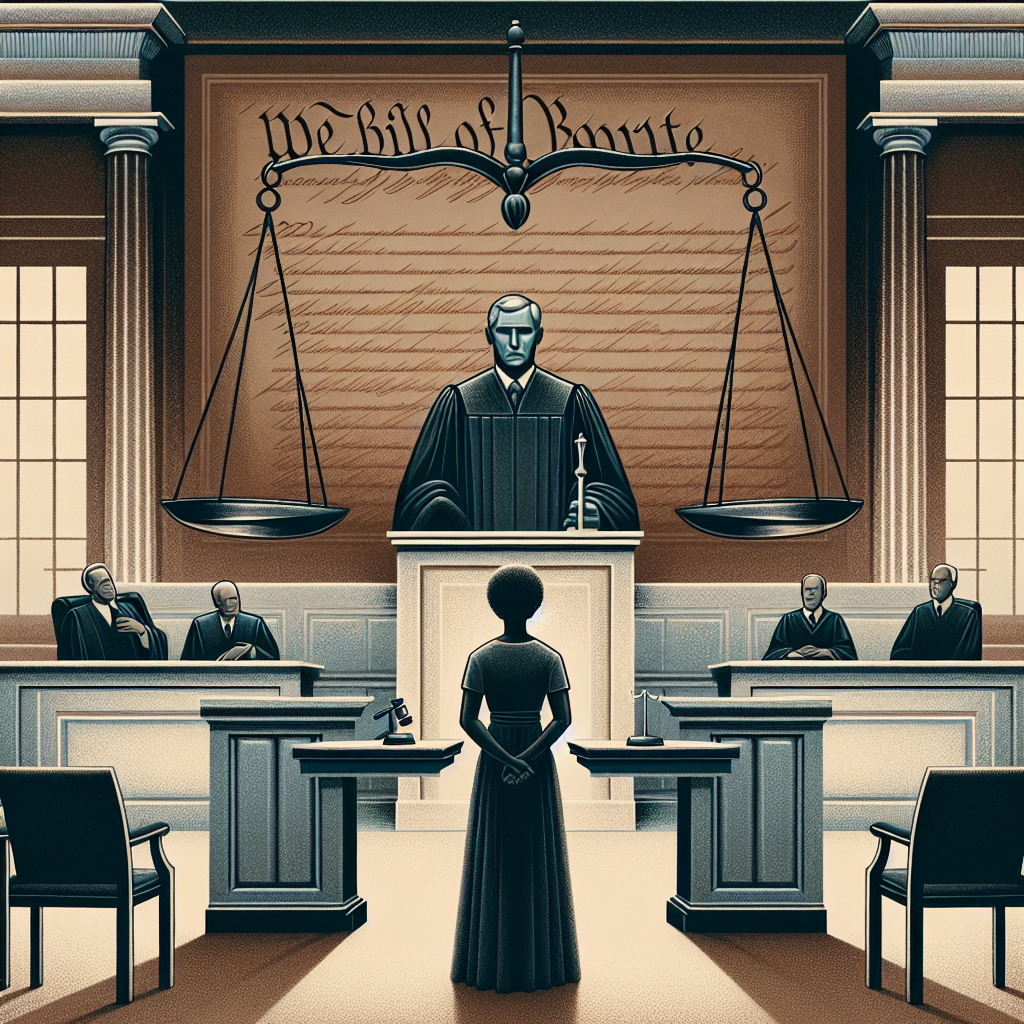
The Bill of Rights initially bound only the federal government. States could and did restrict speech, establish official churches, and deny jury trials without violating it. The 14th Amendment, ratified after the Civil War in 1868, eventually became the vehicle for applying most of the Bill of Rights to the states — a process called incorporation that unfolded piecemeal through Supreme Court decisions across the 20th century and is still technically incomplete. The document's meaning remains permanently open, which is precisely what makes it a living constitution.

| Proposed | September 25, 1789 |
| Ratified | December 15, 1791 |
| Primary Author | James Madison |
| Amendments | 10 (of 12 proposed) |
| Purpose | Limit federal power; protect individual and state rights |
| Extended to States | 14th Amendment (1868) and subsequent Supreme Court rulings |
| Date | Proposed September 25, 1789 — Ratified December 15, 1791 |
| Location | Philadelphia, Pennsylvania |