The Liberty Bell
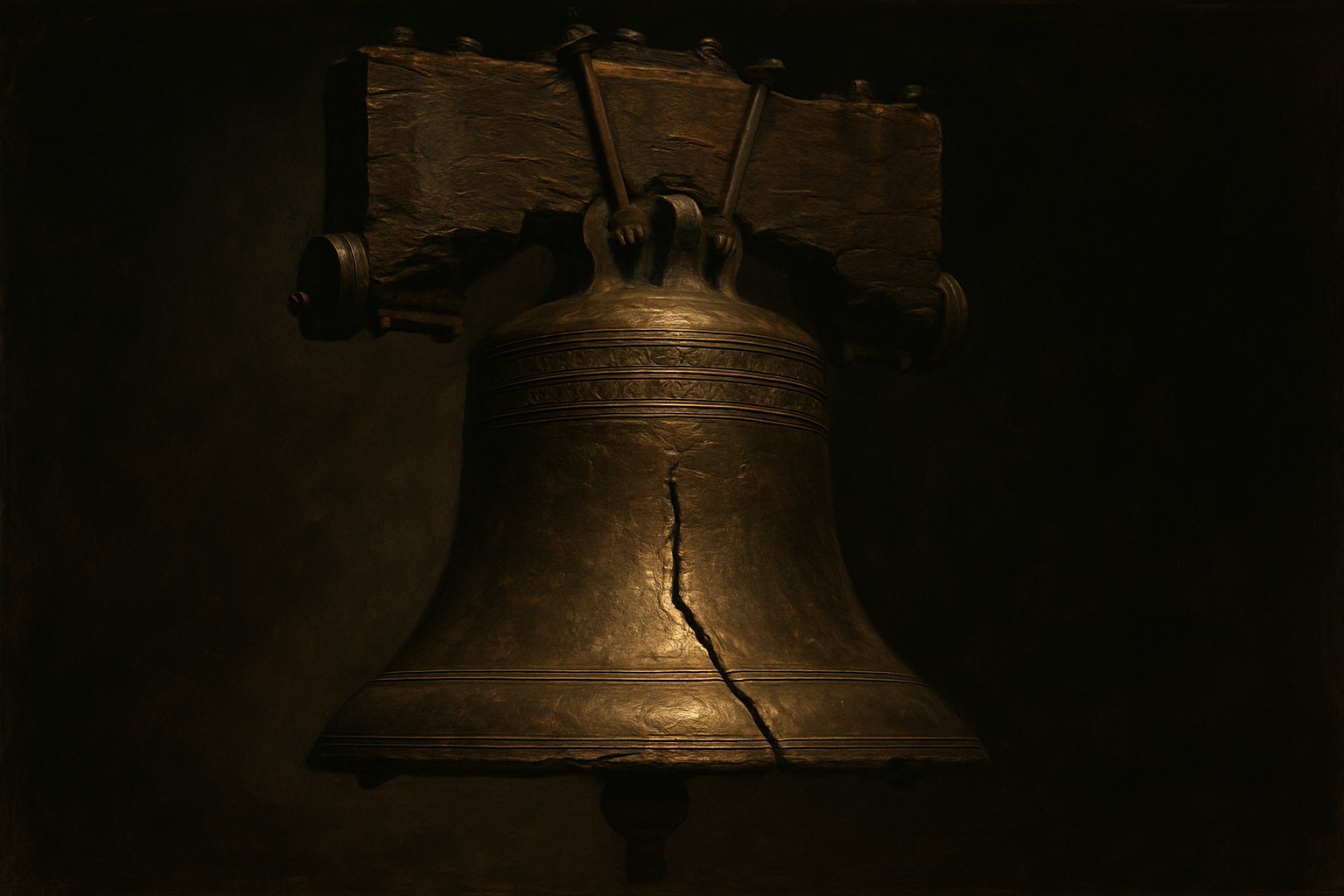
The Liberty Bell hangs in Philadelphia, a roughly 2,000-pound bronze bell cast in London in 1752 for the Pennsylvania State House — the building now known as Independence Hall. Around its crown runs a line from the Book of Leviticus: "Proclaim LIBERTY throughout all the Land unto all the Inhabitants thereof." The words were chosen long before the Revolution, but they would give the bell its enduring meaning.
It cracked almost from the start. The first casting failed on its initial test ring, and after two local recastings the bell never sounded quite right. The great visible crack familiar today appeared in the early nineteenth century and was widened by a repair attempt; by the 1840s the bell could no longer be rung and fell silent for good. Its flaw, oddly, became part of its character.
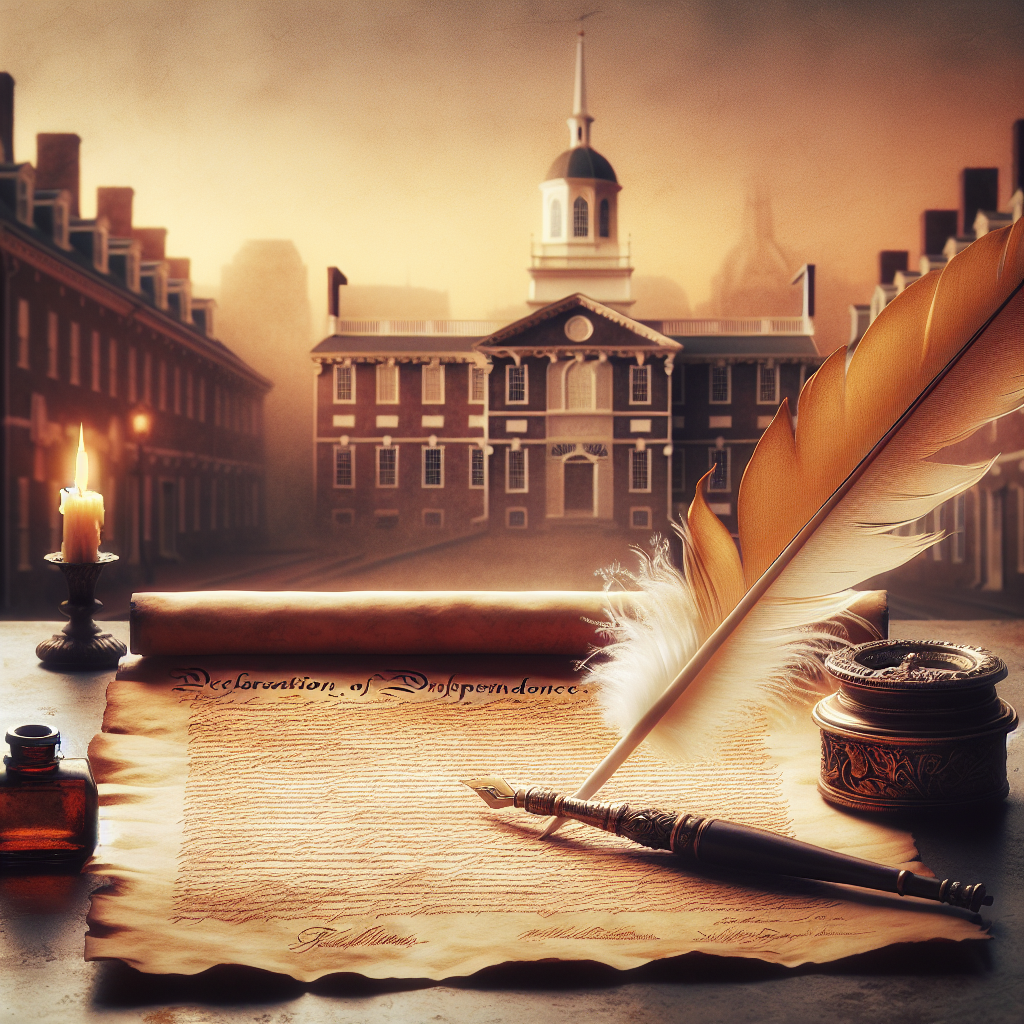
The romantic story that it rang out to announce the signing of the Declaration of Independence on July 4, 1776, is a later invention, popularized in the nineteenth century. Its real fame came from a different cause: in the 1830s, abolitionists adopted the bell and its biblical inscription as a symbol of their struggle to end slavery, and it was they who first called it the "Liberty Bell."
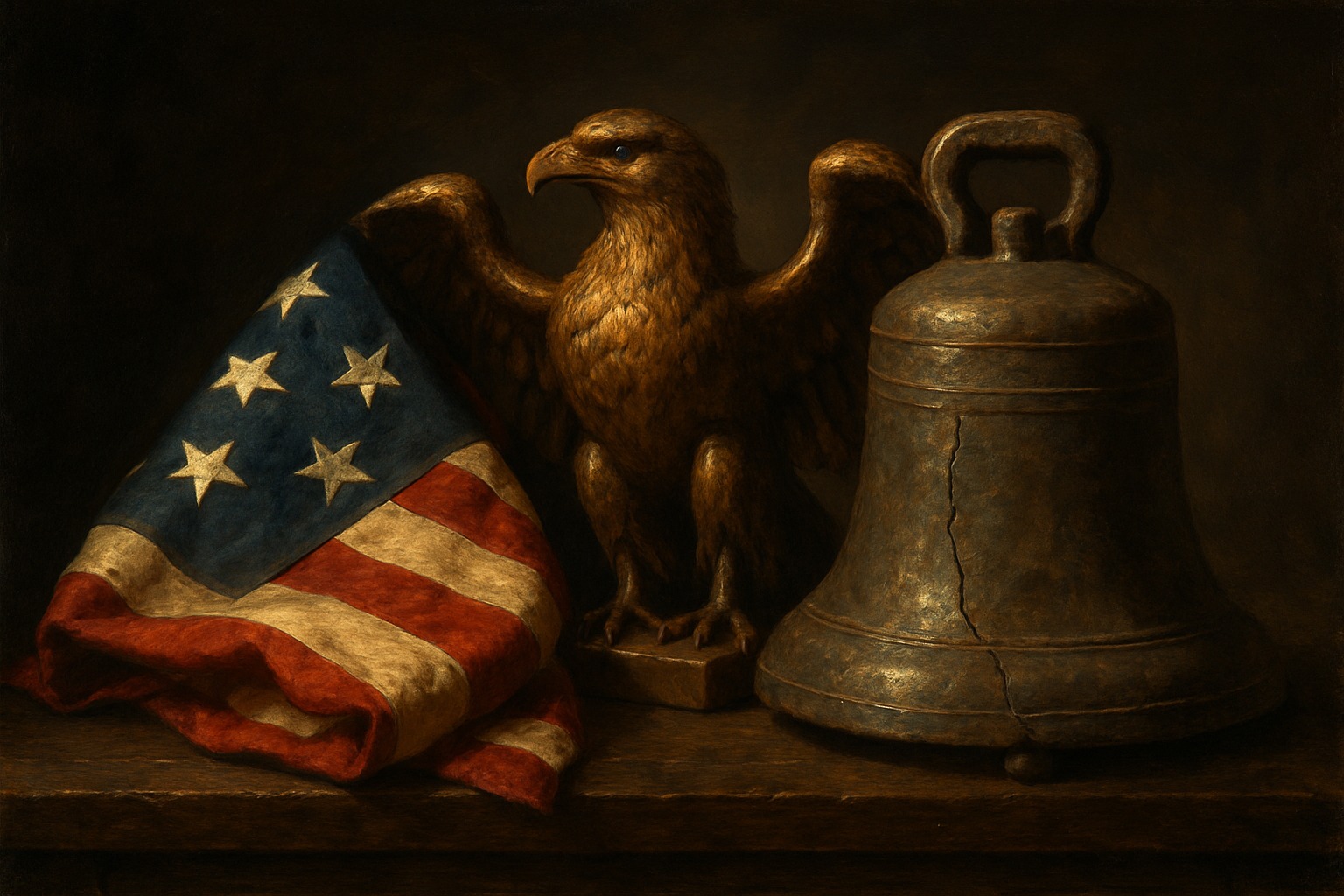
After the Civil War the bell toured the country by rail, drawing crowds at expositions and helping knit a wounded nation back together around a shared emblem. Today it sits in a glass pavilion across from Independence Hall, visited by millions, its crack and its inscription making it one of the most recognized objects of American freedom.

| Location | Philadelphia, near Independence Hall |
| Cast | London, 1752, for the Pennsylvania State House |
| Inscription | "Proclaim LIBERTY throughout all the Land" |
| Silenced | Cracked beyond ringing by the 1840s |
| Named | By abolitionists in the 1830s |
| Date | Cast 1752 |
| Location | Philadelphia, Pennsylvania |