James Madison
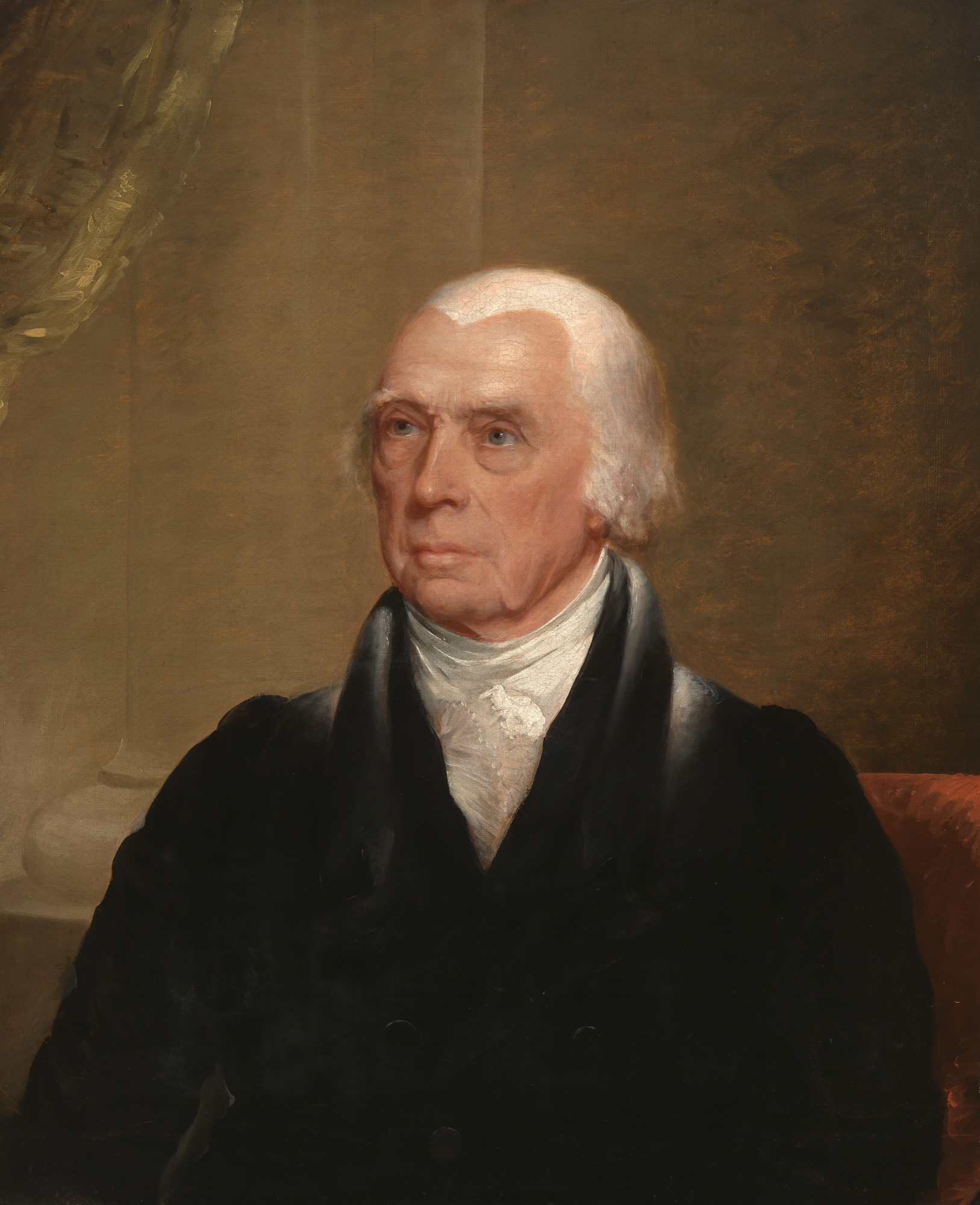
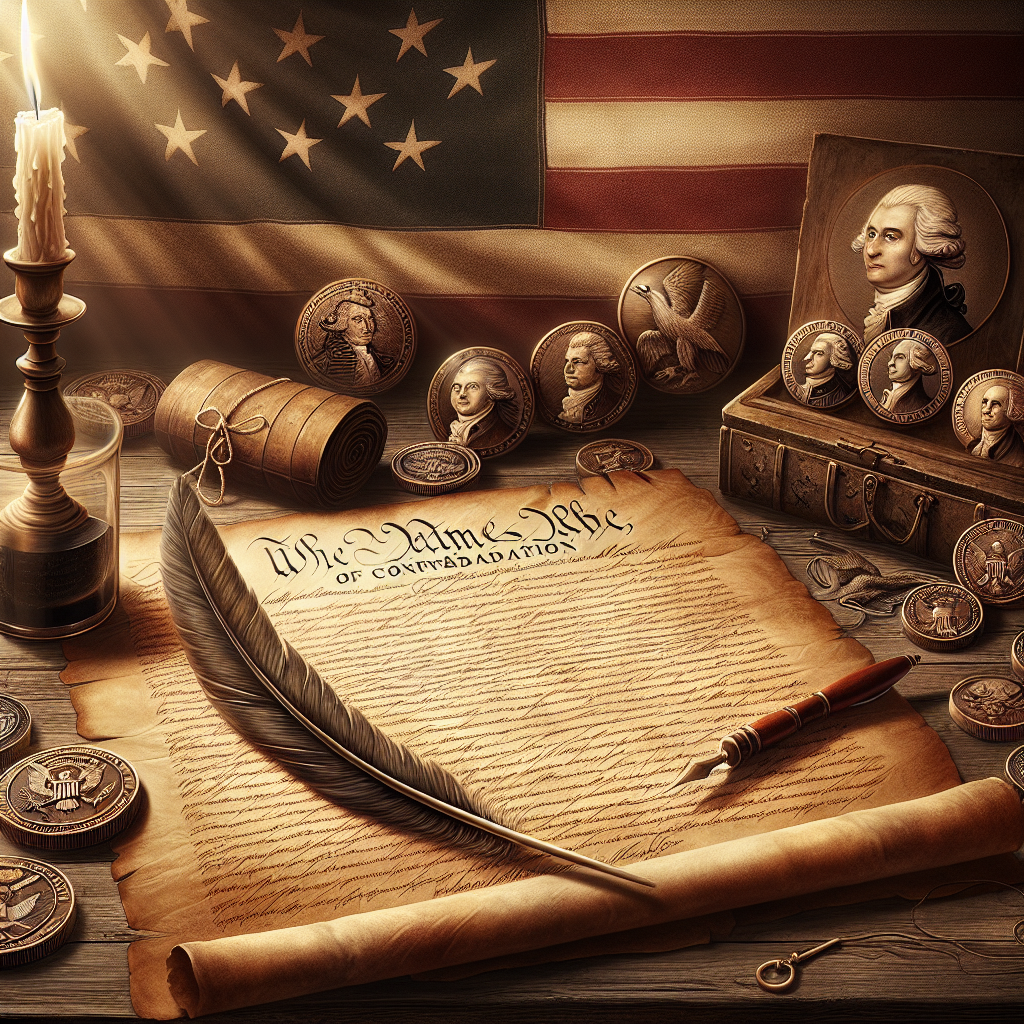
James Madison arrived at the Constitutional Convention of 1787 having done something none of the other delegates had bothered to do: he had read virtually every book about republican government ever written and produced a detailed critique of why all previous republics had failed. He was 36 years old, weighed perhaps 130 pounds, and possessed an intellect that left his contemporaries reaching for superlatives. The Virginia Plan he submitted at the convention's opening became the document's skeleton. His notes — kept secret for 50 years and published only after his death — remain the most complete record of the convention's debates and the closest thing the Constitution has to an author's commentary.
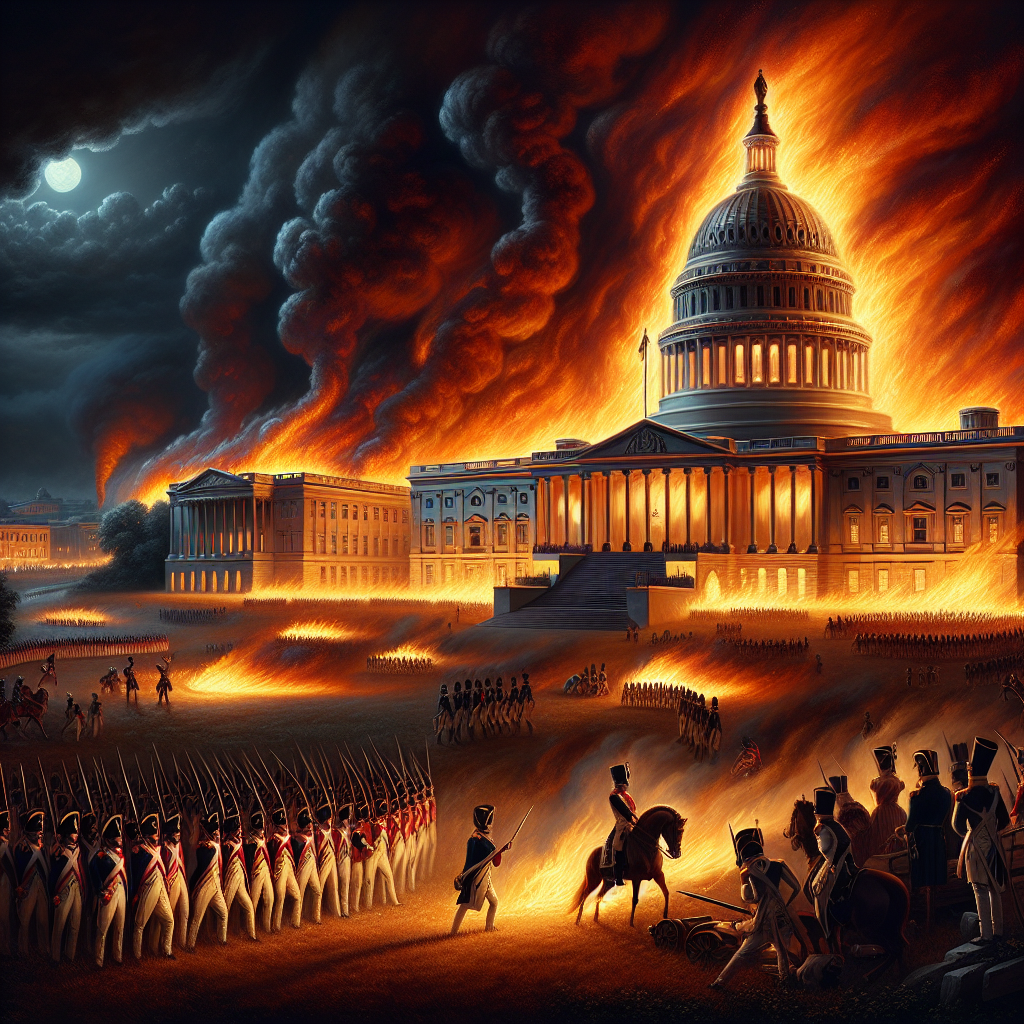
Madison's presidency, 1809 to 1817, was shaped almost entirely by the War of 1812, a conflict he had helped push the country into and then prosecuted with dismal military effectiveness. The British burned Washington, D.C. in August 1814, forcing Madison and his wife Dolley to flee the White House — Dolley famously arranged for Gilbert Stuart's portrait of George Washington to be saved before the mansion was torched. The war ended without a clear winner, but the Battle of New Orleans — fought two weeks after the peace treaty was signed — produced Andrew Jackson as a national hero and left Americans convinced they had won.
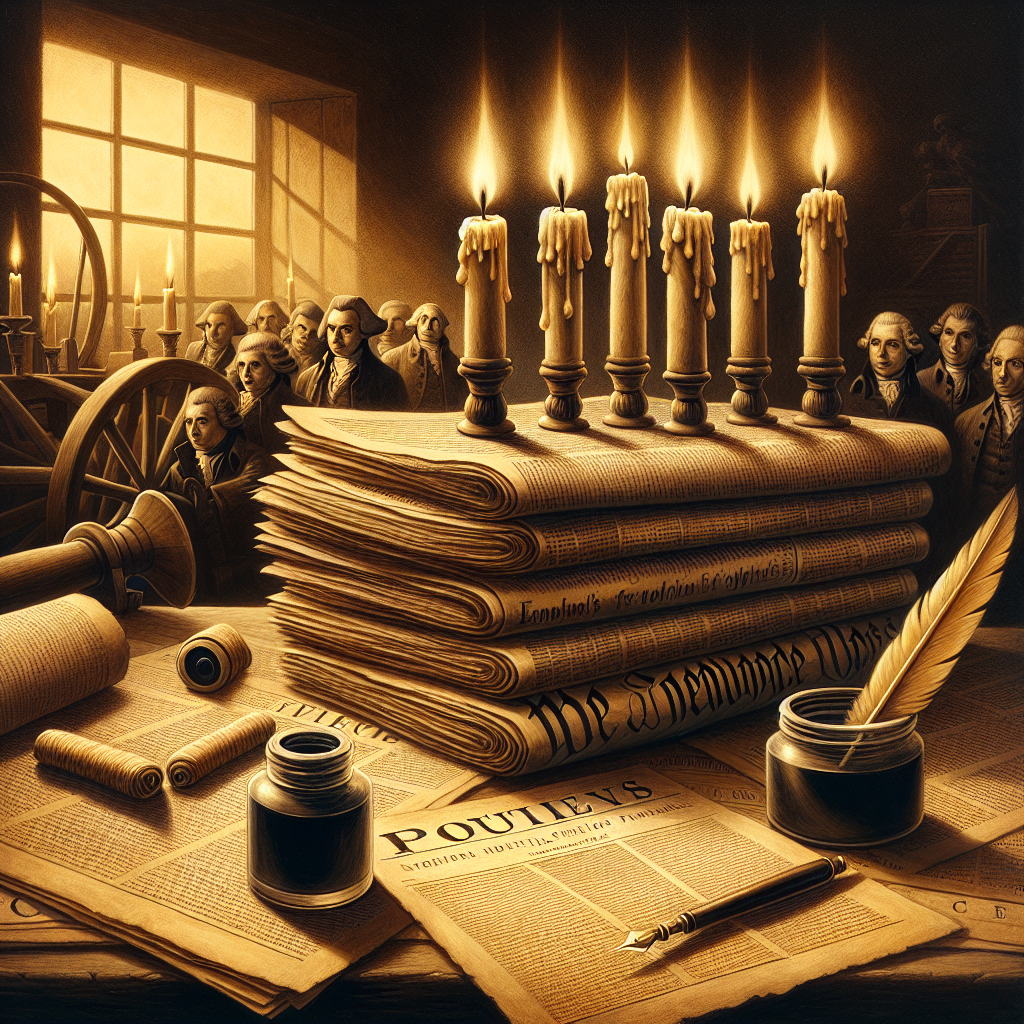
Madison's legacy rests less on his presidency than on his intellectual architecture. He co-wrote the Federalist Papers with Alexander Hamilton and John Jay, producing 85 essays that remain the most authoritative explanation of the Constitution's design. Federalist No. 51 — arguing that the Constitution's system of checks and balances would pit ambition against ambition and make tyranny structurally difficult — contains perhaps the most important sentence in American political theory: "If men were angels, no government would be necessary." He also wrote the Bill of Rights, largely to get the Constitution ratified, and later reversed course and argued for states' rights when Federalist power alarmed him. He contained multitudes.
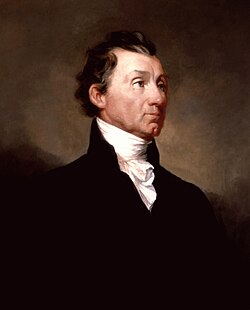
| Born | March 16, 1751 — Port Conway, Virginia |
| Born | March 16, 1751 — Port Conway, Virginia |
| Born | March 16, 1751 — Port Conway, Virginia |
| Died | June 28, 1836 — Montpelier, Virginia |
| Died | June 28, 1836 — Montpelier, Virginia |
| Died | June 28, 1836 — Montpelier, Virginia |
| Term | March 4, 1809 – March 4, 1817 |
| Term | March 4, 1809 – March 4, 1817 |
| Term | March 4, 1809 – March 4, 1817 |
| Party | Democratic-Republican |
| Party | Democratic-Republican |
| Party | Democratic-Republican |
| Vice Presidents | George Clinton (1809–12); Elbridge Gerry (1813–14) |
| Vice Presidents | George Clinton (1809–12); Elbridge Gerry (1813–14) |
| Vice Presidents | George Clinton (1809–12); Elbridge Gerry (1813–14) |
| Key work | Federalist Papers; primary drafter of U.S. Constitution |
| Key work | Federalist Papers; primary drafter of U.S. Constitution |
| Key work | Federalist Papers; primary drafter of U.S. Constitution |
| Preceded by | Thomas Jefferson |
| Preceded by | Thomas Jefferson |
| Preceded by | Thomas Jefferson |
| Succeeded by | James Monroe |
| Succeeded by | James Monroe |
| Succeeded by | James Monroe |
| Years | 1751–1836 |
| Location | Montpelier, Virginia |