Philadelphia
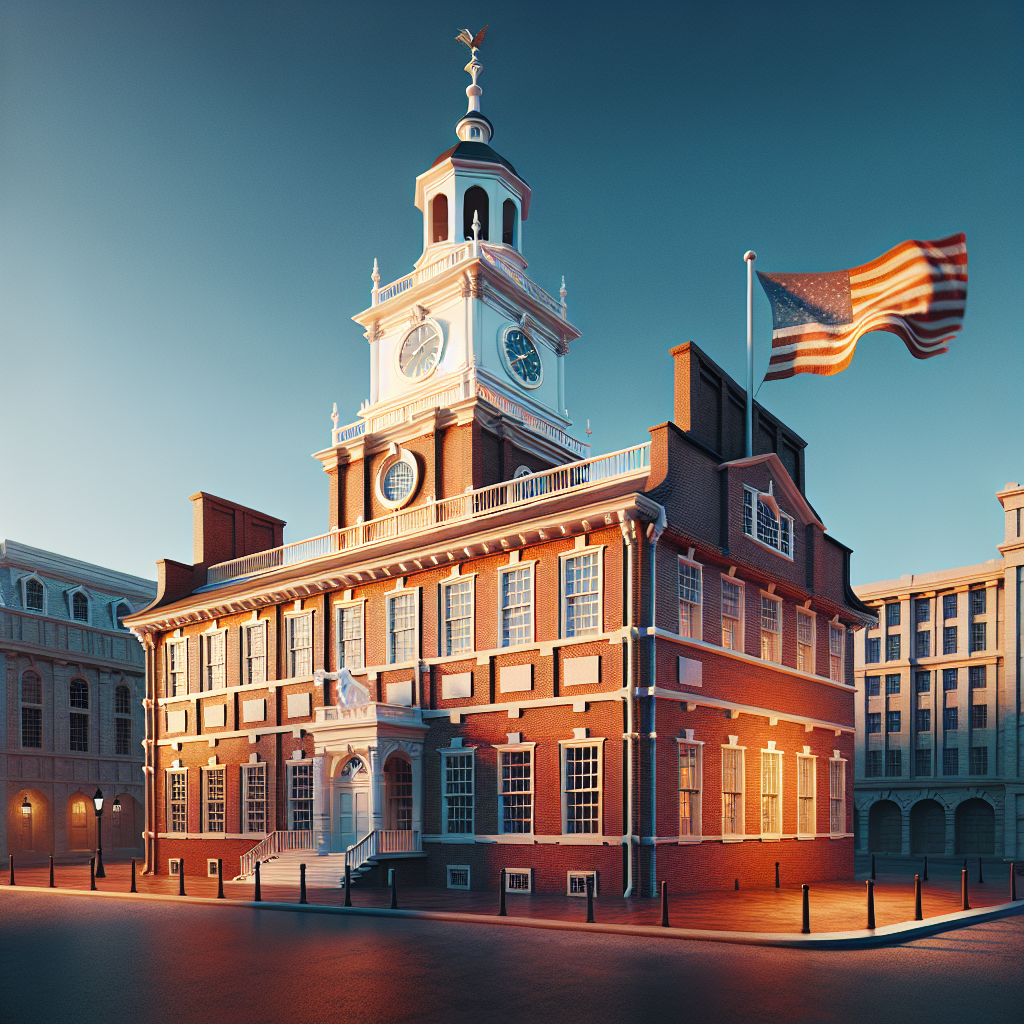
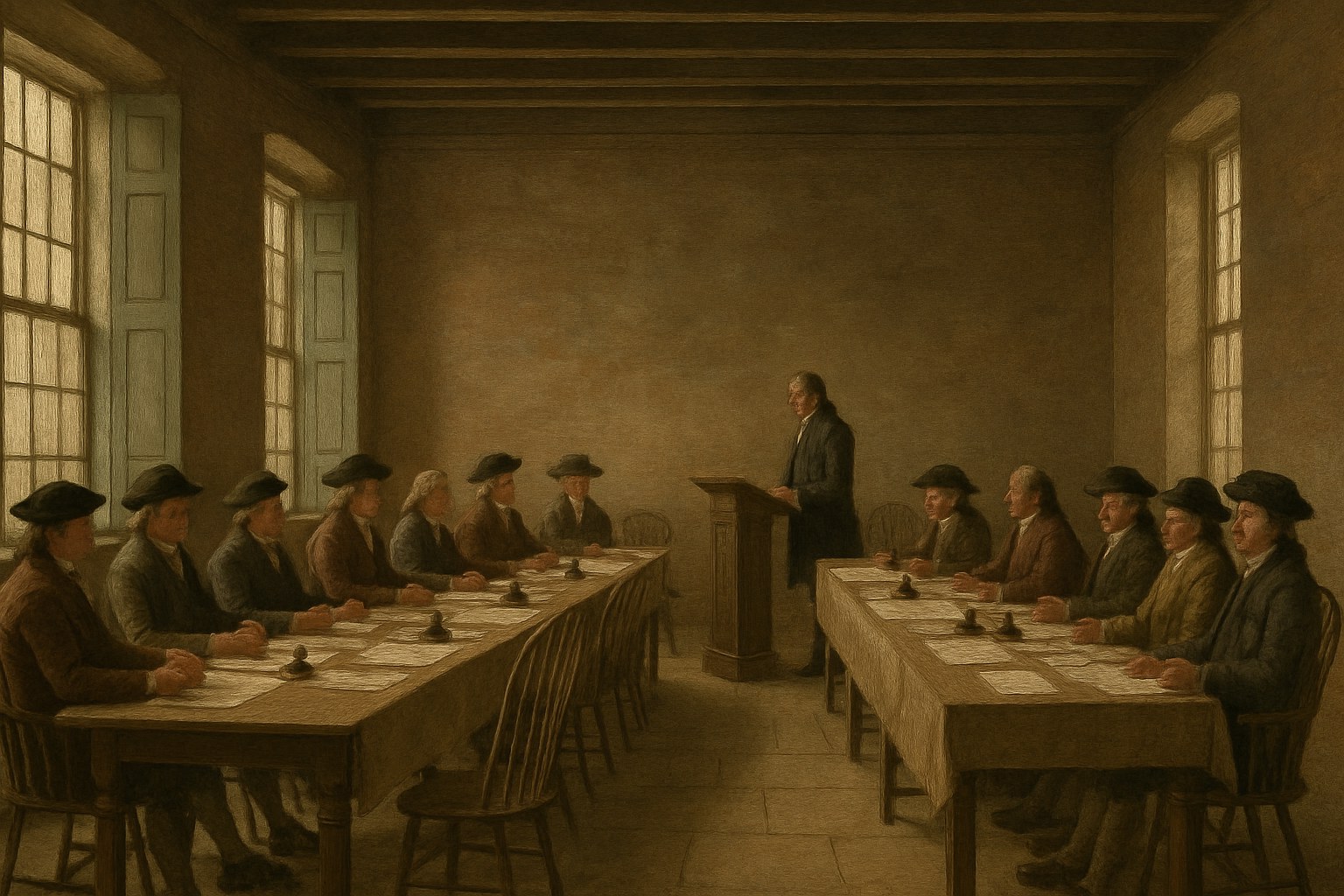
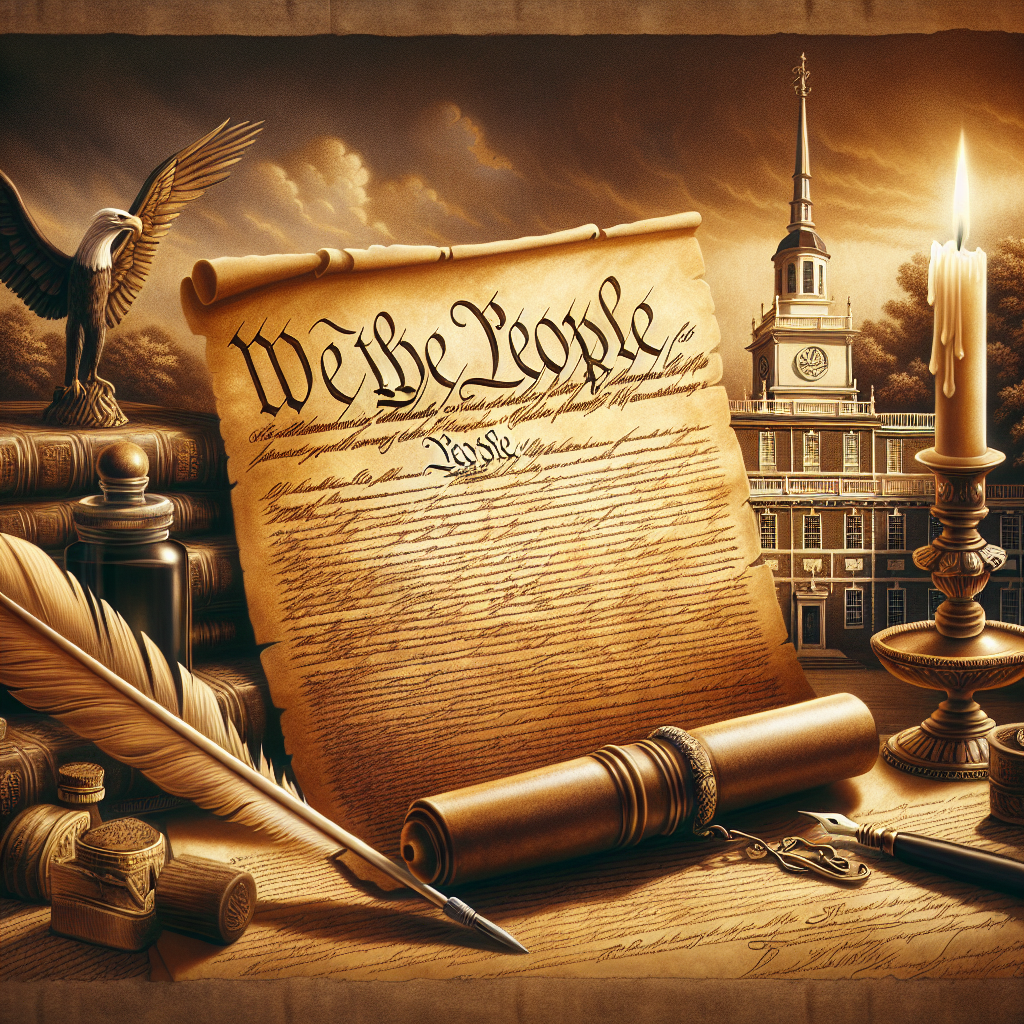
In the summer of 1776, the most consequential meetings in American history were taking place in a red-brick building at the corner of Fifth and Chestnut Streets in Philadelphia. Delegates to the Second Continental Congress voted to declare independence from Britain, then signed the document that made that declaration public. Eleven years later, in the same building, 55 men spent four sweltering months drafting the Constitution. No other city can claim two such events. Philadelphia was the birthplace of the American republic not by accident but because it was the largest, wealthiest, and most cosmopolitan city in colonial North America.
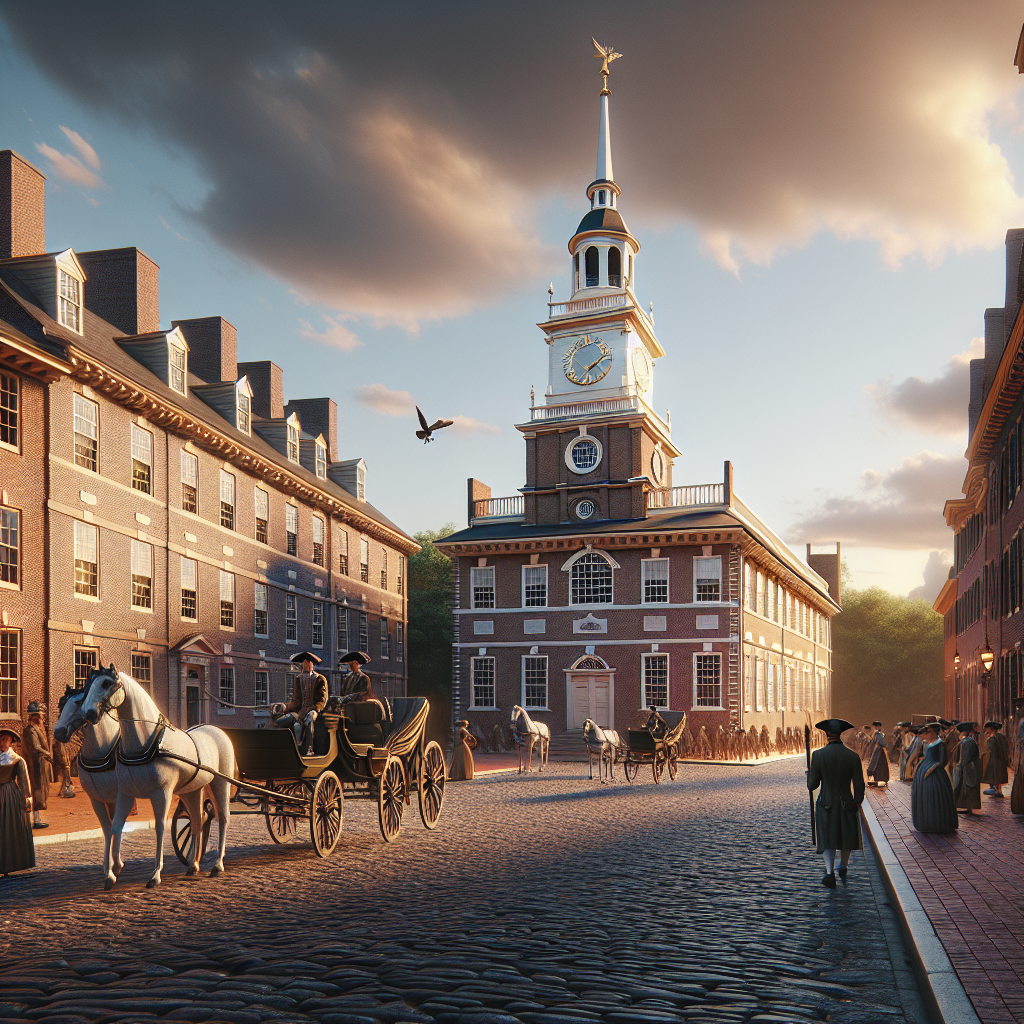
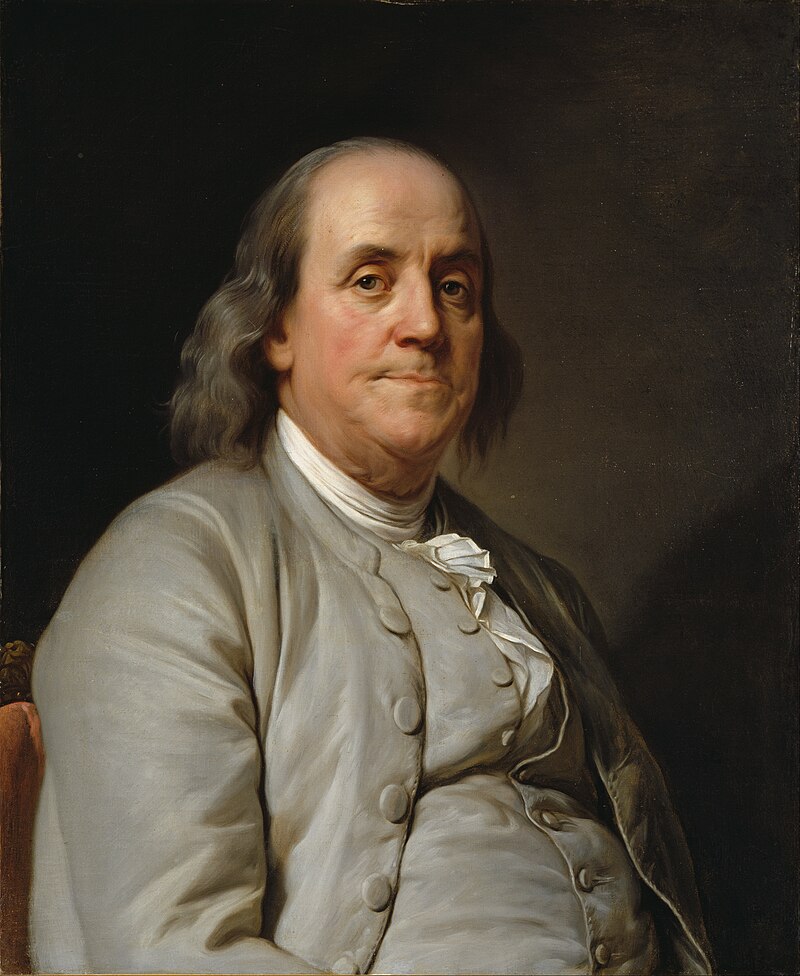
Founded by William Penn in 1682 on principles of religious tolerance that were radical for their era, Philadelphia grew into the hub of colonial intellectual and commercial life. Benjamin Franklin built his career there. Its port made it the economic center of the eastern seaboard. As the nation's capital from 1790 to 1800, it housed the first Bank of the United States, the first U.S. Mint, and the executive branch during the yellow fever epidemic of 1793 — which killed one in ten of its residents and temporarily emptied the city of its government.
Philadelphia's starring role in the national story faded after the capital moved to Washington and New York supplanted it commercially. It remained a major industrial city into the 20th century, but its identity became fixed to its founding-era achievements. Independence Hall and the Liberty Bell draw millions of visitors who come not to see what Philadelphia is today but to stand where the republic started.
| Founded | 1682 — by William Penn |
| State | Pennsylvania |
| U.S. Capital | 1790–1800 |
| Key Sites | Independence Hall, Liberty Bell, Carpenters' Hall, National Constitution Center |
| Notable Residents | Benjamin Franklin, Betsy Ross, Robert Morris |
| Population | Approx. 1.5 million (city proper) |
| Years | 1682 |
| Location | Philadelphia, Pennsylvania |