Great Compromise
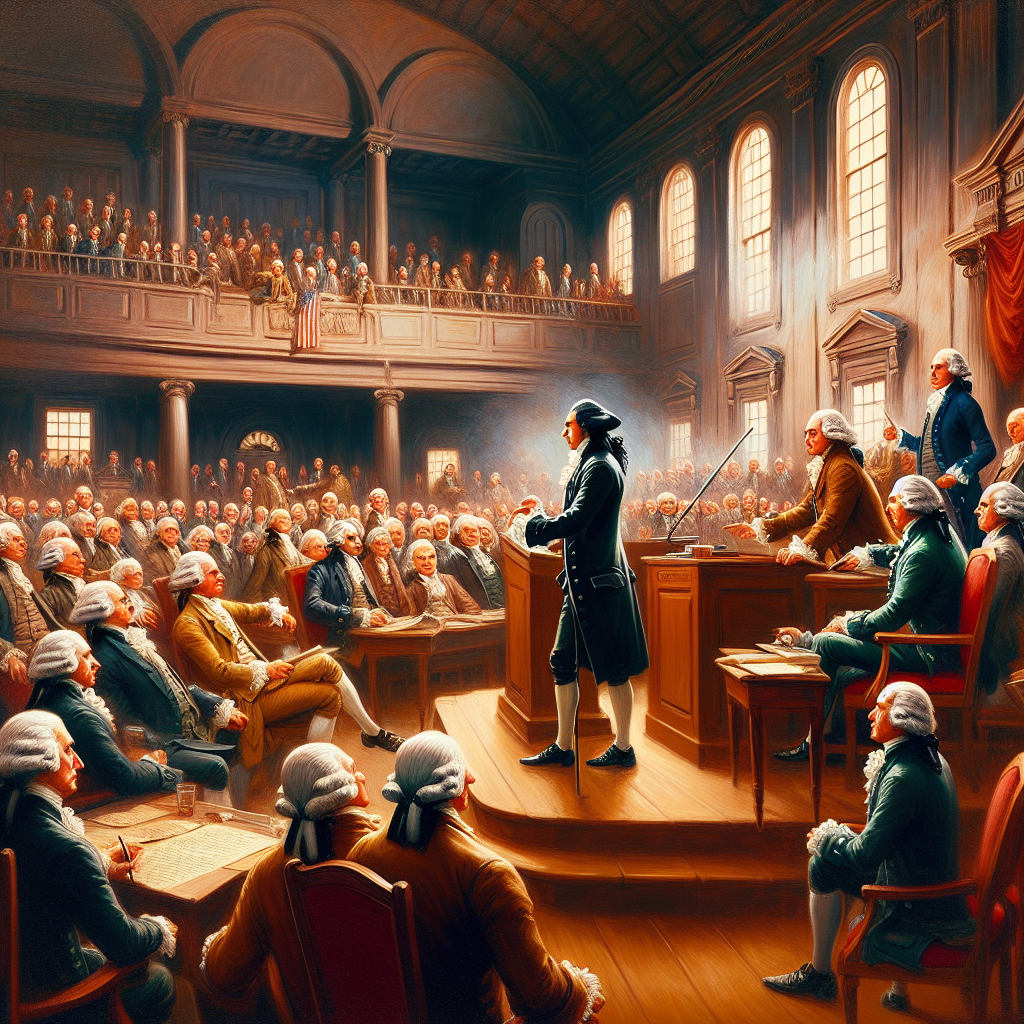
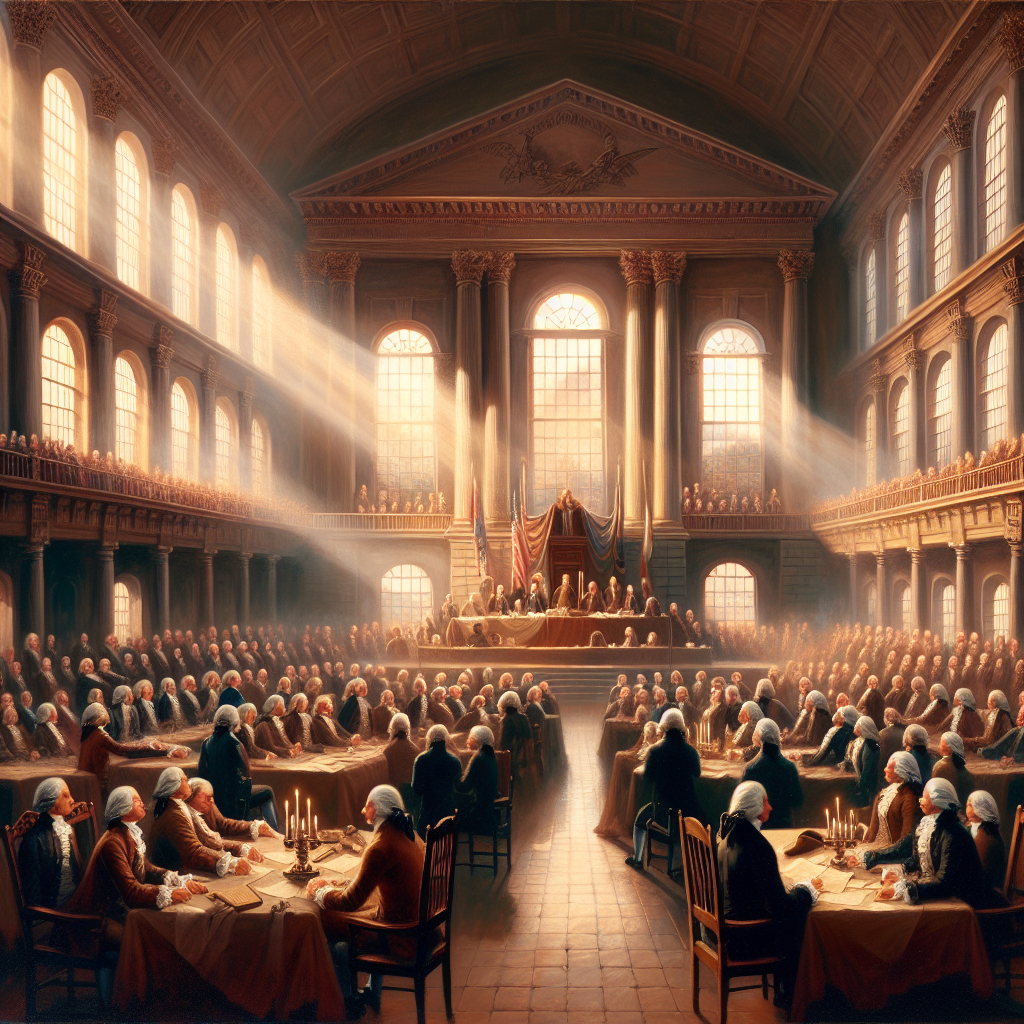
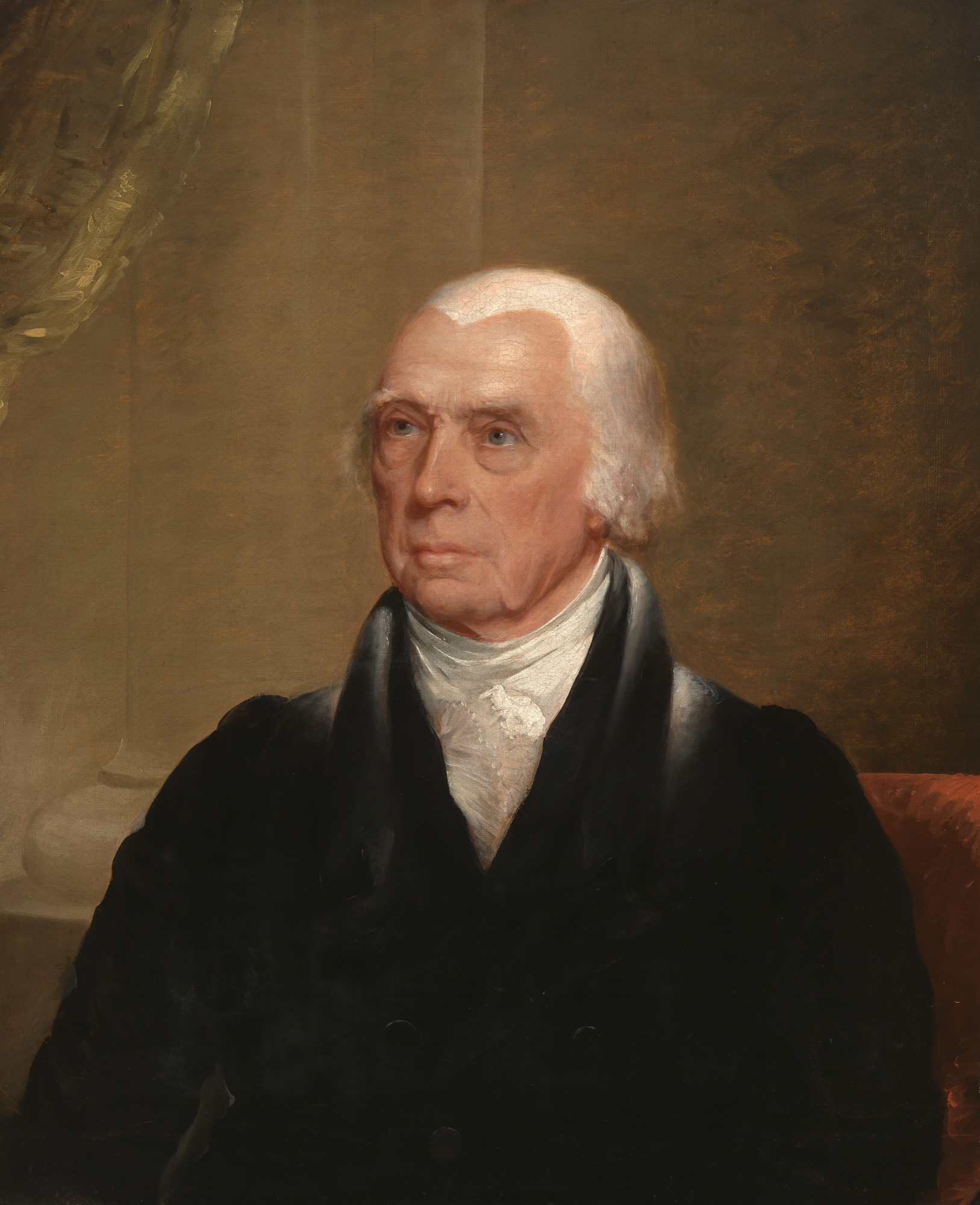
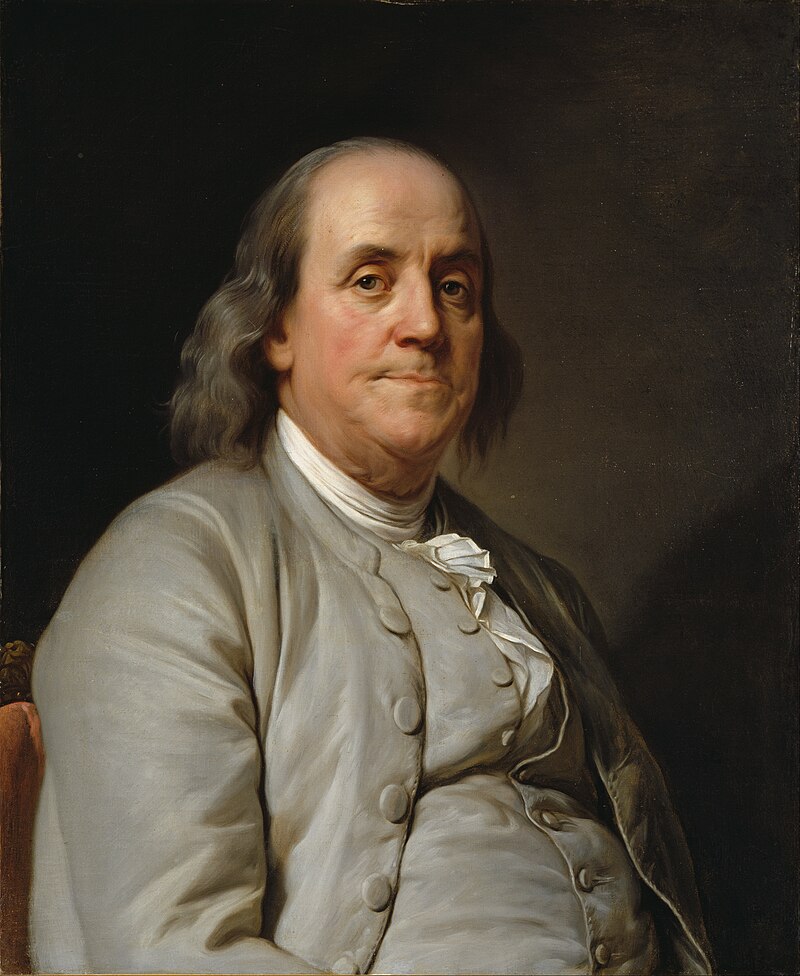
By late June 1787, the Constitutional Convention was on the verge of collapse. The delegates had been meeting in Philadelphia for nearly two months and had reached a deadlock that threatened to dissolve the entire enterprise. The dispute was fundamental: large states wanted representation in the new legislature to be proportional to population, giving them more votes. Small states wanted each state to have an equal vote regardless of size. Neither side would budge. Benjamin Franklin proposed daily prayers. James Madison, whose Virginia Plan had set the agenda, feared the convention was finished. Roger Sherman of Connecticut proposed the solution that saved it.
Sherman's Connecticut Compromise — also called the Great Compromise — proposed a bicameral legislature in which the two chambers operated on opposite principles. The House of Representatives would allocate seats by population, satisfying the large states. The Senate would give each state two seats regardless of size, satisfying the small states. Both chambers would have to agree for legislation to pass, giving each house a veto over the other. The compromise was adopted on July 16, 1787, by the narrowest possible margin — five states to four, with one delegation divided — and the convention continued.
The Great Compromise produced one of the most distinctive features of American government: a Senate designed not to represent population but to represent states as equal sovereign units. That design has had consequences the founders did not fully anticipate. A senator from Wyoming represents roughly 290,000 people; a senator from California represents roughly 20 million. The same structural imbalance shapes the Electoral College, which allocates votes partly on Senate representation. The small-state advantage embedded in the Great Compromise in 1787 remains one of the most consequential and contested features of the American constitutional order.

| Proposed by | Roger Sherman of Connecticut |
| Adopted | July 16, 1787 — passed 5–4 with one state divided |
| House | Seats allocated by population — favored large states |
| Senate | Two seats per state regardless of size — favored small states |
| Deadlock broken | Convention had been gridlocked since late June 1787 |
| Legacy | Senate malapportionment: Wyoming (290K) = California (20M) in votes |
| Also called | Connecticut Compromise |
| Date | July 16, 1787 |
| Location | Philadelphia, Pennsylvania |