Plymouth Colony
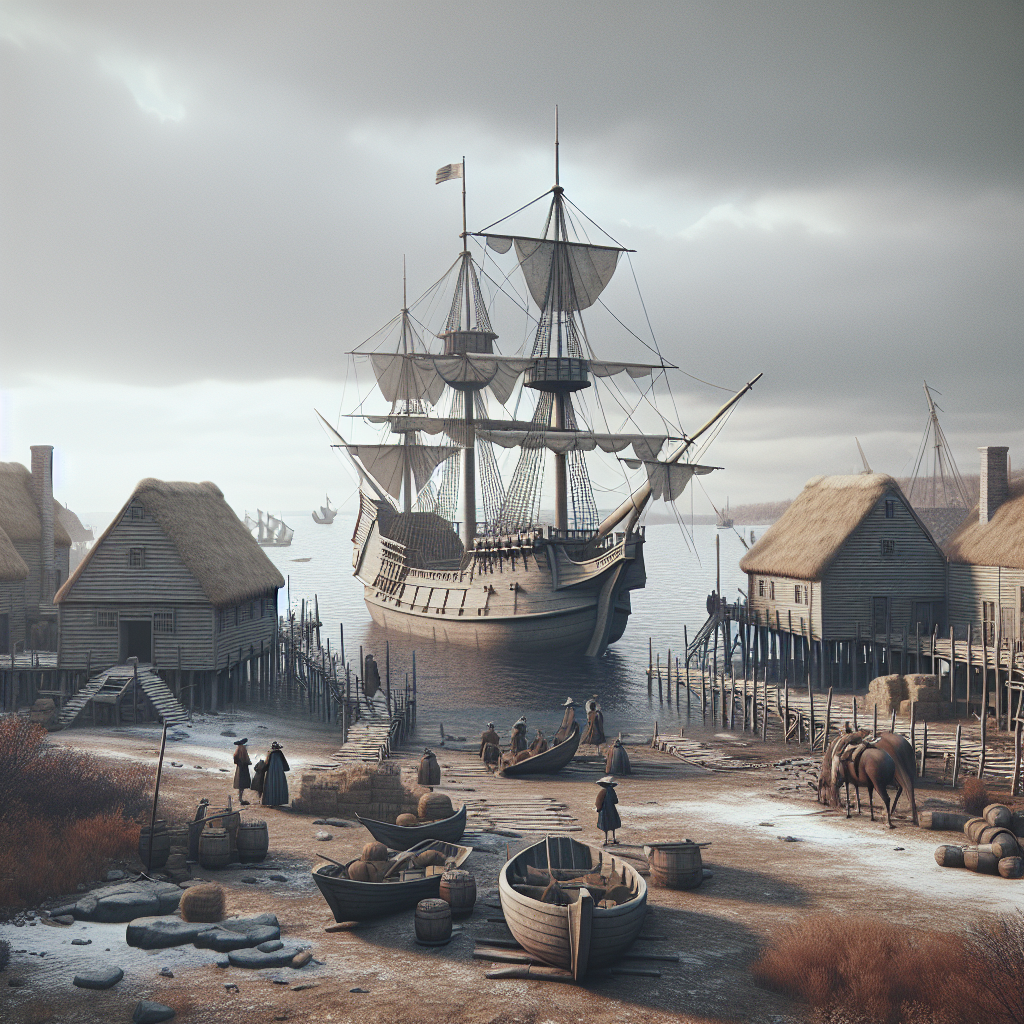
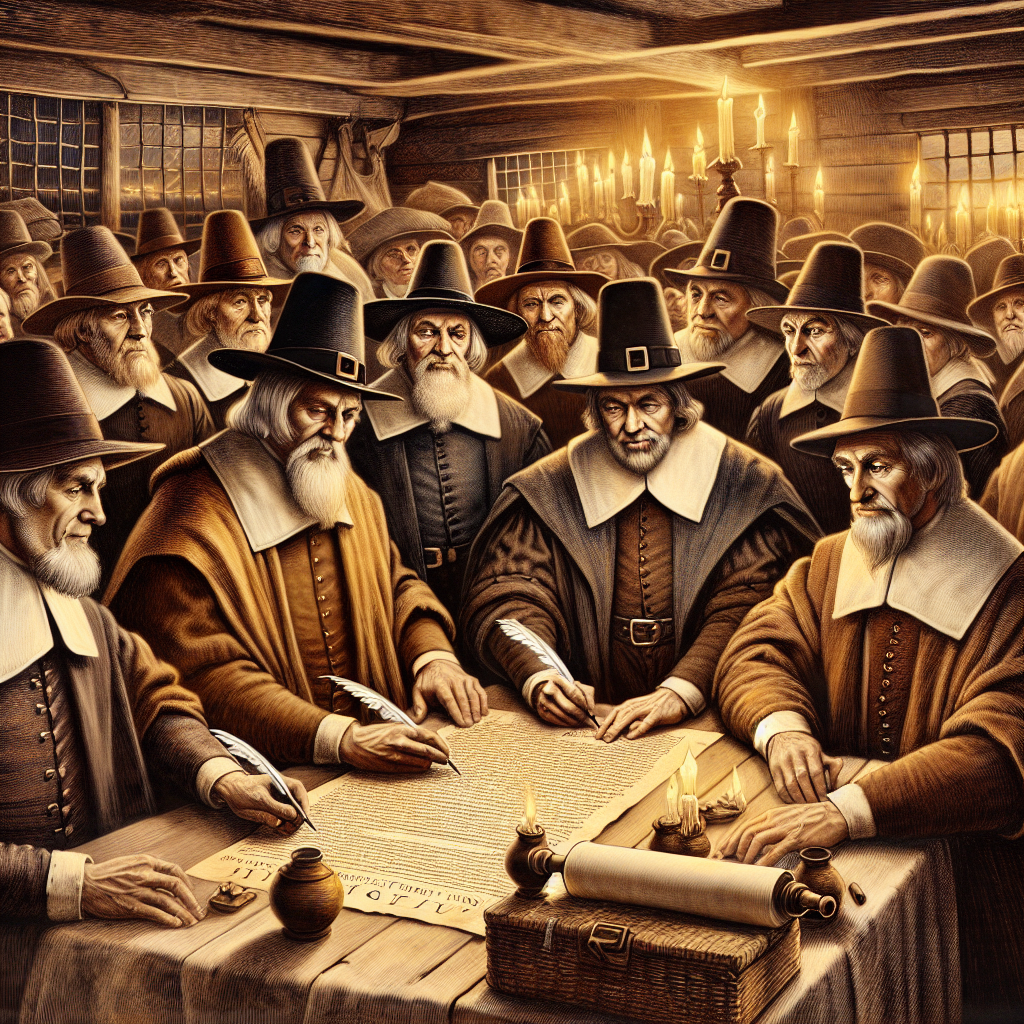
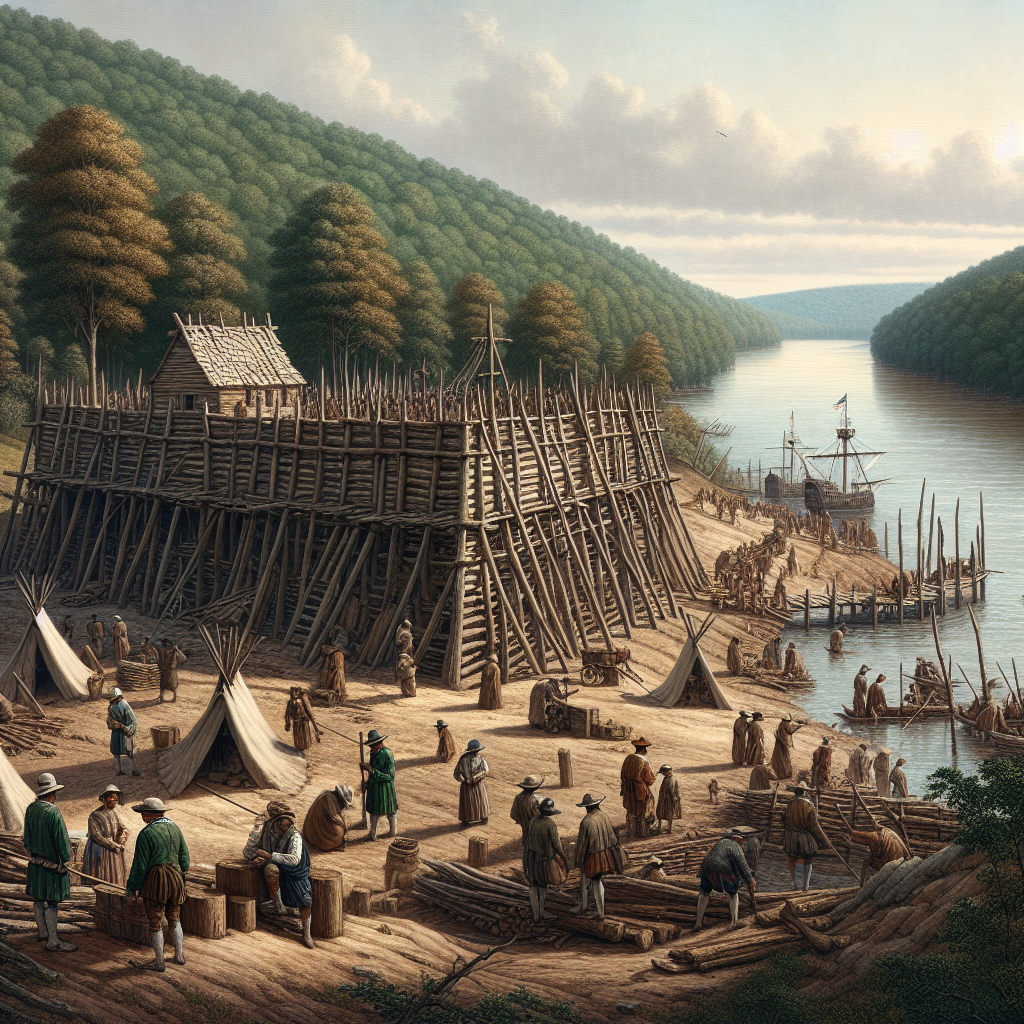
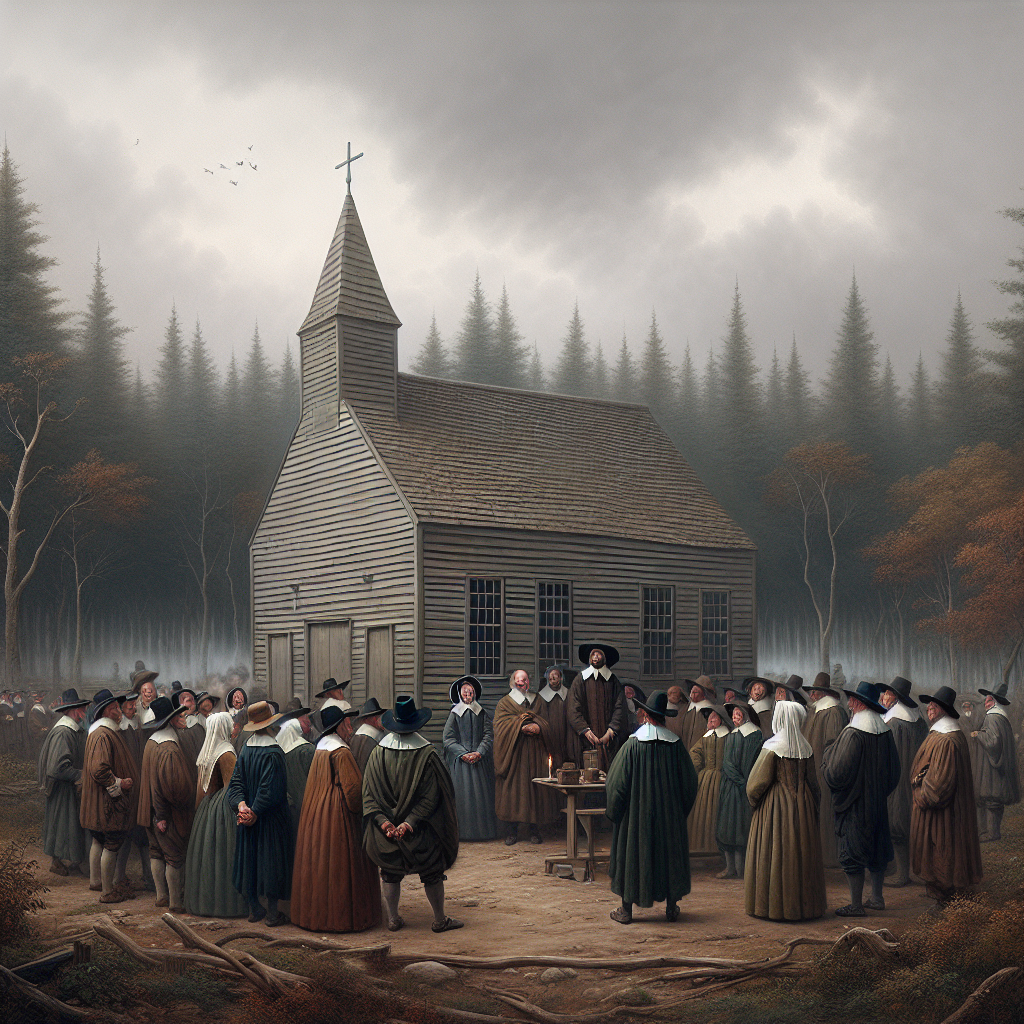
The Mayflower arrived off the coast of present-day Massachusetts in November 1620, carrying 102 passengers — Separatist Puritans seeking religious freedom alongside non-religious colonists the Separatists called Strangers. They had intended to land further south, near the mouth of the Hudson River, but storms and navigational errors pushed them north. Before going ashore, 41 of the adult male passengers signed the Mayflower Compact, a brief agreement to form a civil body politic and to enact just and equal laws — one of the earliest instruments of self-government in the English-speaking world. They came ashore at Plymouth in December 1620.
The first winter was devastating. Half the colonists died of cold, disease, and malnutrition before spring. The colony's survival owed a great deal to Squanto — a Patuxent man who had been kidnapped to England, learned English, and returned to find his entire village dead of epidemic disease — who taught the colonists to fertilize corn with fish and to navigate the local political landscape. In the autumn of 1621, the colonists held a three-day harvest celebration with members of the Wampanoag Confederacy, the diplomatic relationship that Squanto had helped broker. That feast was later mythologized as the first Thanksgiving, though the Wampanoag perspective on the event and its aftermath is considerably darker.
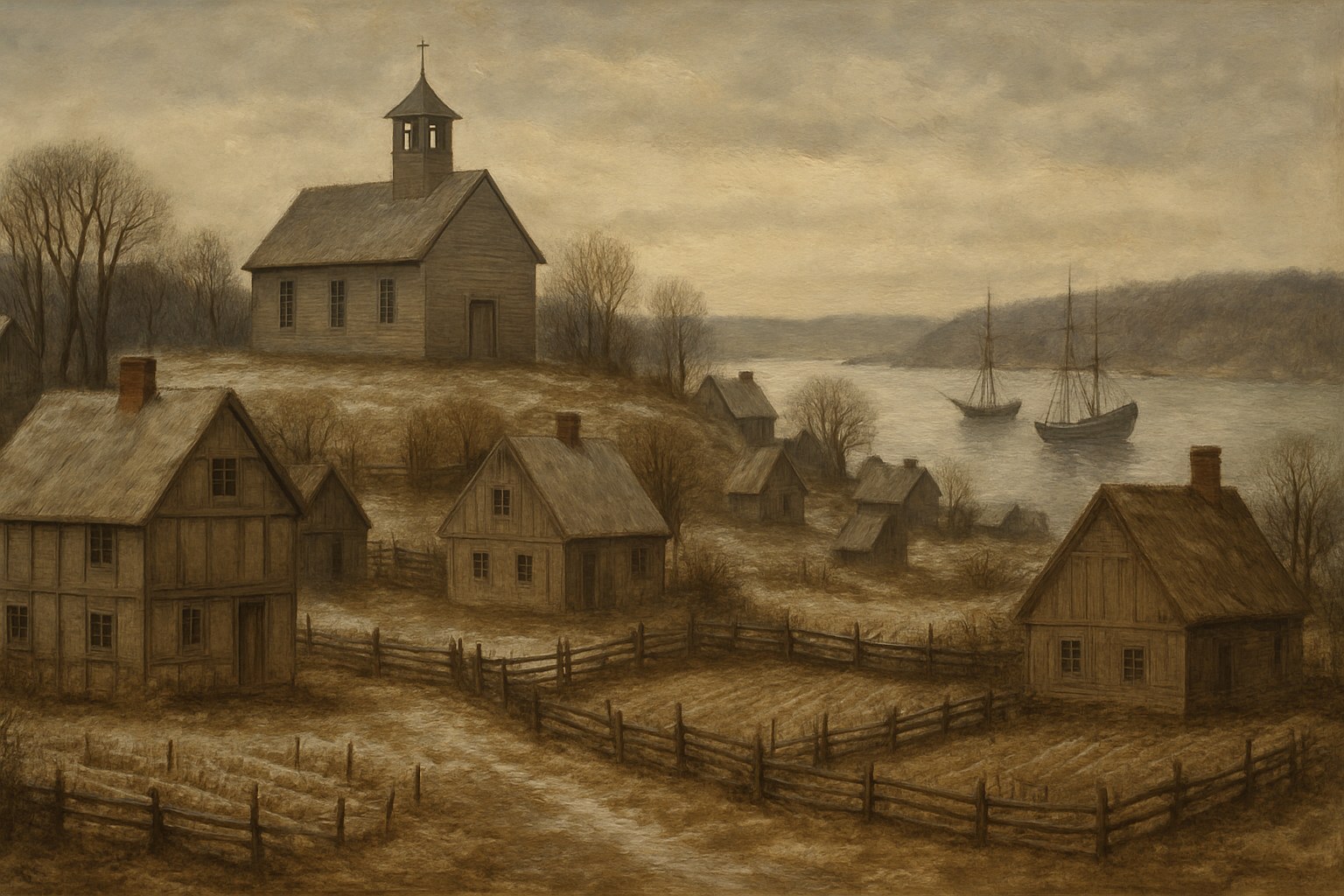
Plymouth Colony operated as a largely self-governing entity for 72 years before being absorbed into the Massachusetts Bay Colony in 1691. Its founding documents, particularly the Mayflower Compact, became touchstones of American political mythology — cited by generations of politicians as evidence that self-government and consent of the governed were American from the beginning. Plimoth Patuxent, the living history museum on the original site, presents both the Pilgrim and Wampanoag perspectives on the encounter, an interpretive approach that reflects how much the founding mythology has been reexamined in recent decades.
| Founded | December 1620 — Mayflower passengers |
| Passengers | 102 colonists — Separatist Puritans and non-religious settlers |
| Mayflower Compact | Signed November 11, 1620 — one of first self-government documents |
| Key figure | Squanto (Tisquantum) — Patuxent man who aided colony's survival |
| First harvest | Autumn 1621 — three-day celebration with Wampanoag |
| Absorbed | 1691 — merged into Massachusetts Bay Colony |
| Museum | Plimoth Patuxent — living history site on original location |
| Years | 1620–1691 |
| Location | Plymouth, Massachusetts |