Massachusetts
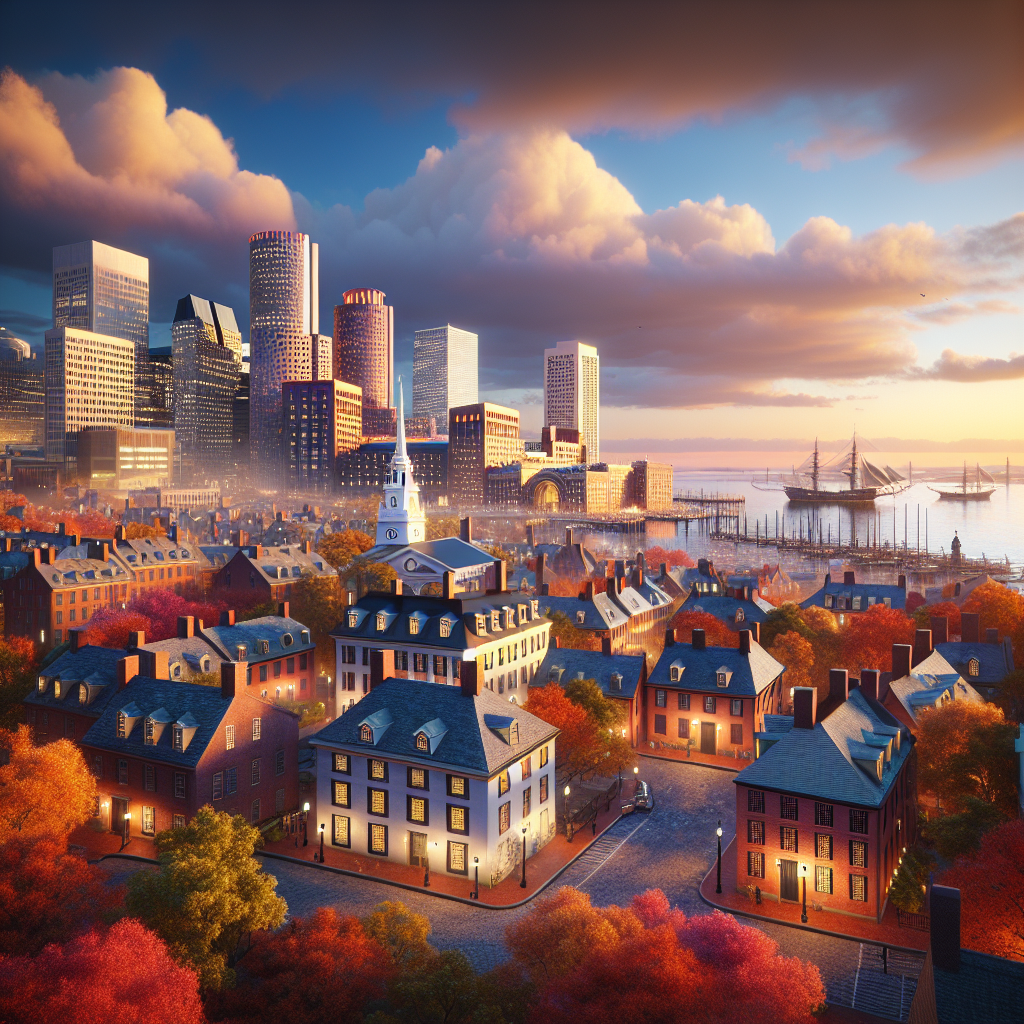
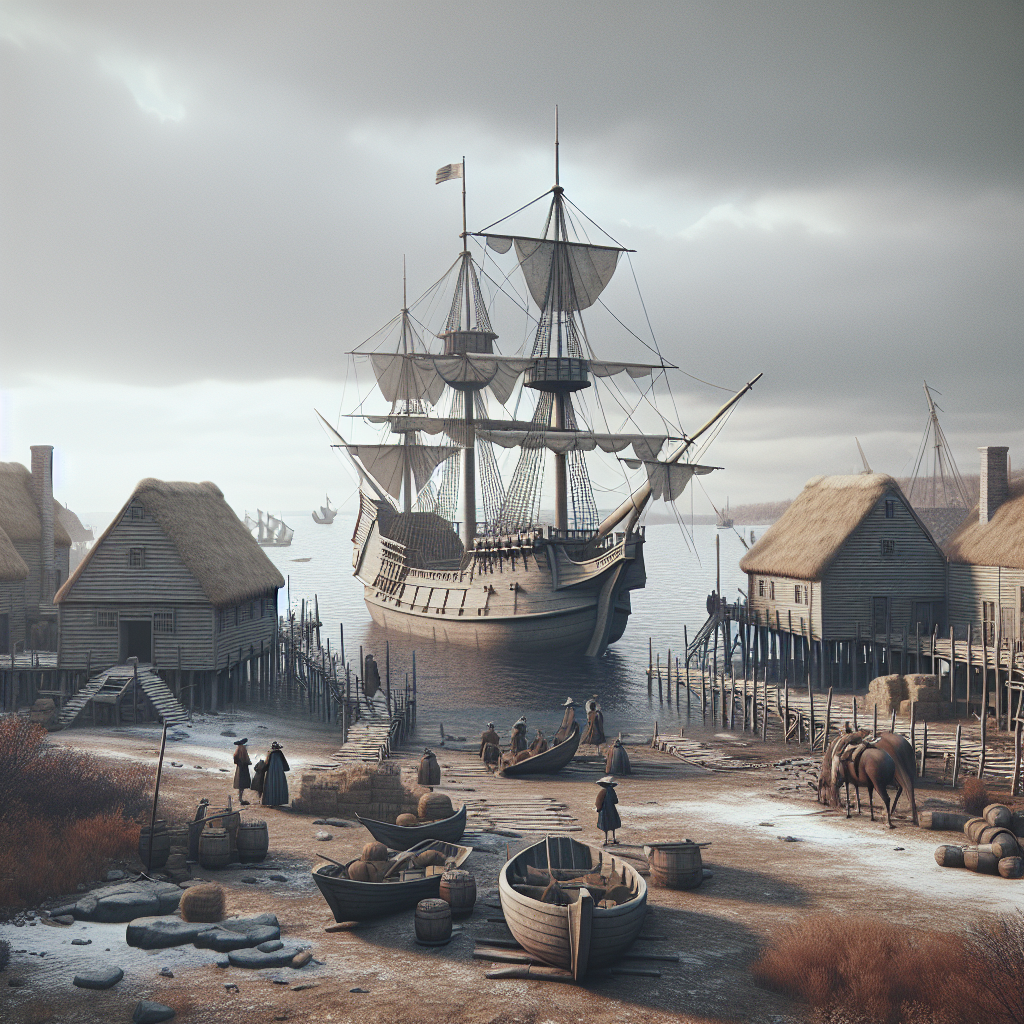
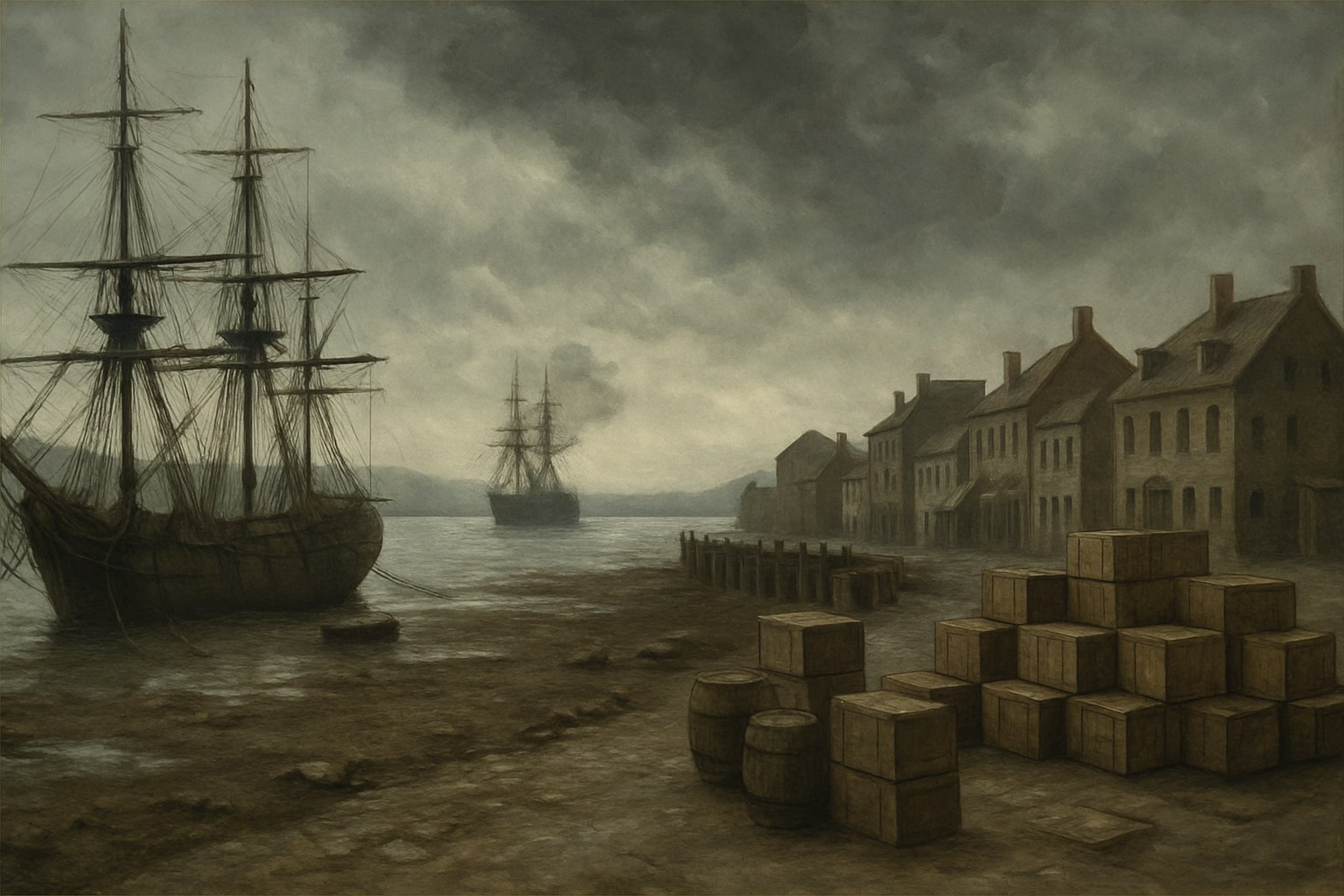
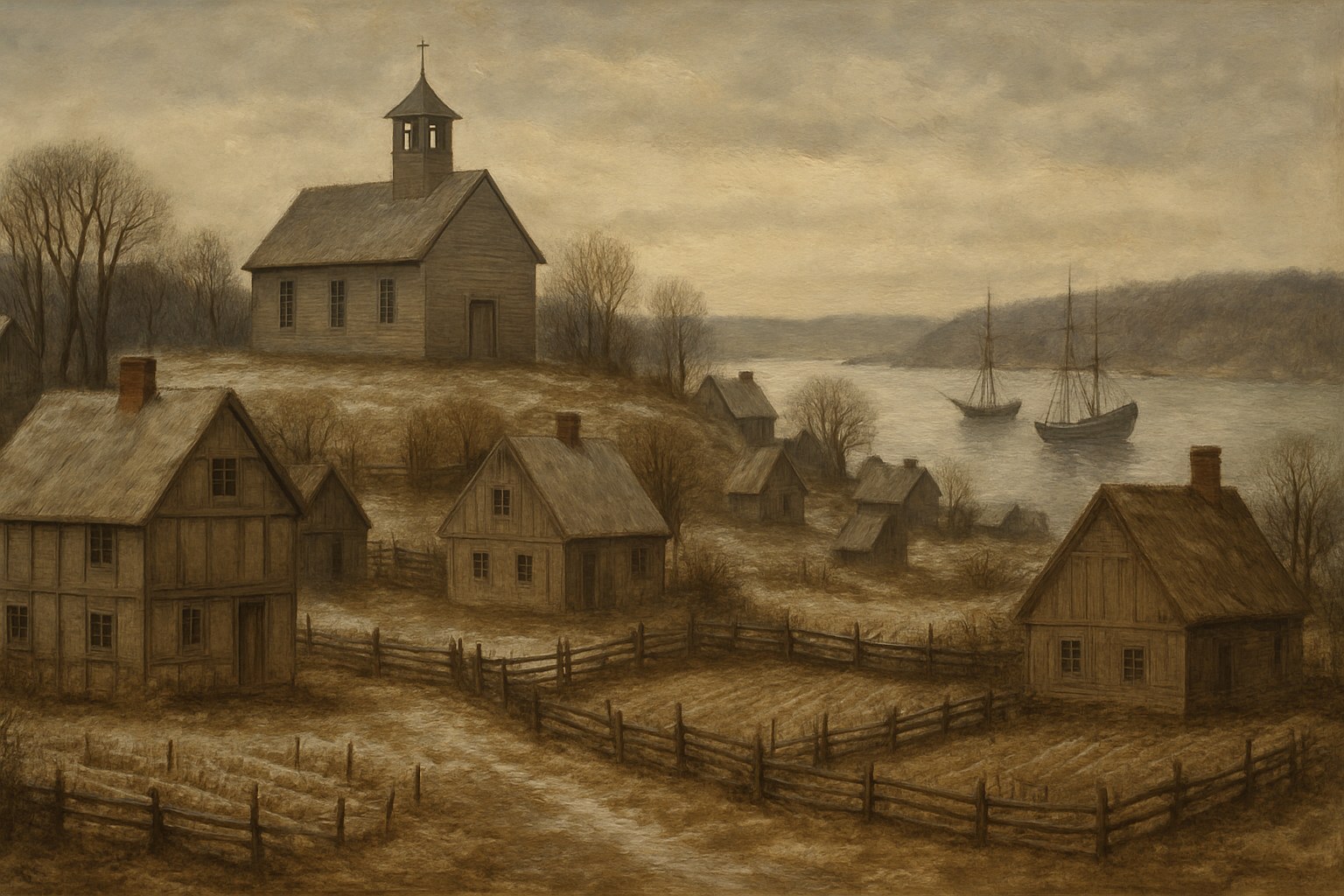
Massachusetts has been provoking the rest of America since before there was an America. The Pilgrims landed at Plymouth in 1620, the Puritans built Boston in 1630, and within a generation the colony was already arguing about the proper limits of religious and civil authority. By the 1760s it was the epicenter of colonial resistance to British rule. The Boston Massacre, the Boston Tea Party, the Battles of Lexington and Concord, and the Siege of Boston all took place on Massachusetts soil. When Paul Revere rode on the night of April 18, 1775, he was riding through the Massachusetts countryside to warn that the war had effectively begun.
The state's intellectual tradition runs as deep as its revolutionary one. Harvard, founded in 1636, is the oldest university in the country. The abolitionist movement found some of its most eloquent voices in Massachusetts — William Lloyd Garrison published The Liberator in Boston, and Frederick Douglass delivered some of his most important early speeches there. The progressive and labor movements of the late 19th and early 20th centuries drew heavily on the state's reform tradition, as did the civil rights movement a generation later.
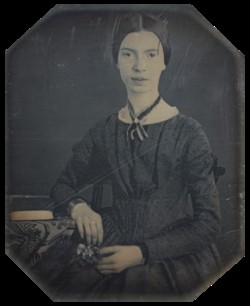
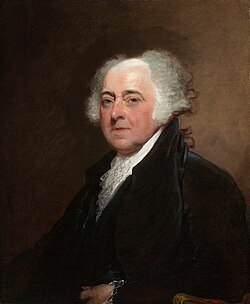
Massachusetts has sent John Adams, John Quincy Adams, and John F. Kennedy to the White House. It has produced Ralph Waldo Emerson, Henry David Thoreau, and Emily Dickinson. In 2004 it became the first state to legalize same-sex marriage. For a state of fewer than seven million people, its footprint on American political, intellectual, and cultural history is disproportionate by almost any measure.
| Capital | Boston |
| Admitted | February 6, 1788 (6th state) |
| Nickname | Bay State |
| Presidents born | John Adams, John Quincy Adams, John F. Kennedy, George H.W. Bush |
| Oldest university | Harvard University, founded 1636 |
| Area | 10,554 square miles |
| Population | Approximately 7 million (2020 census) |
| Years | 1620 |
| Location | Boston, Massachusetts |