Jay Treaty
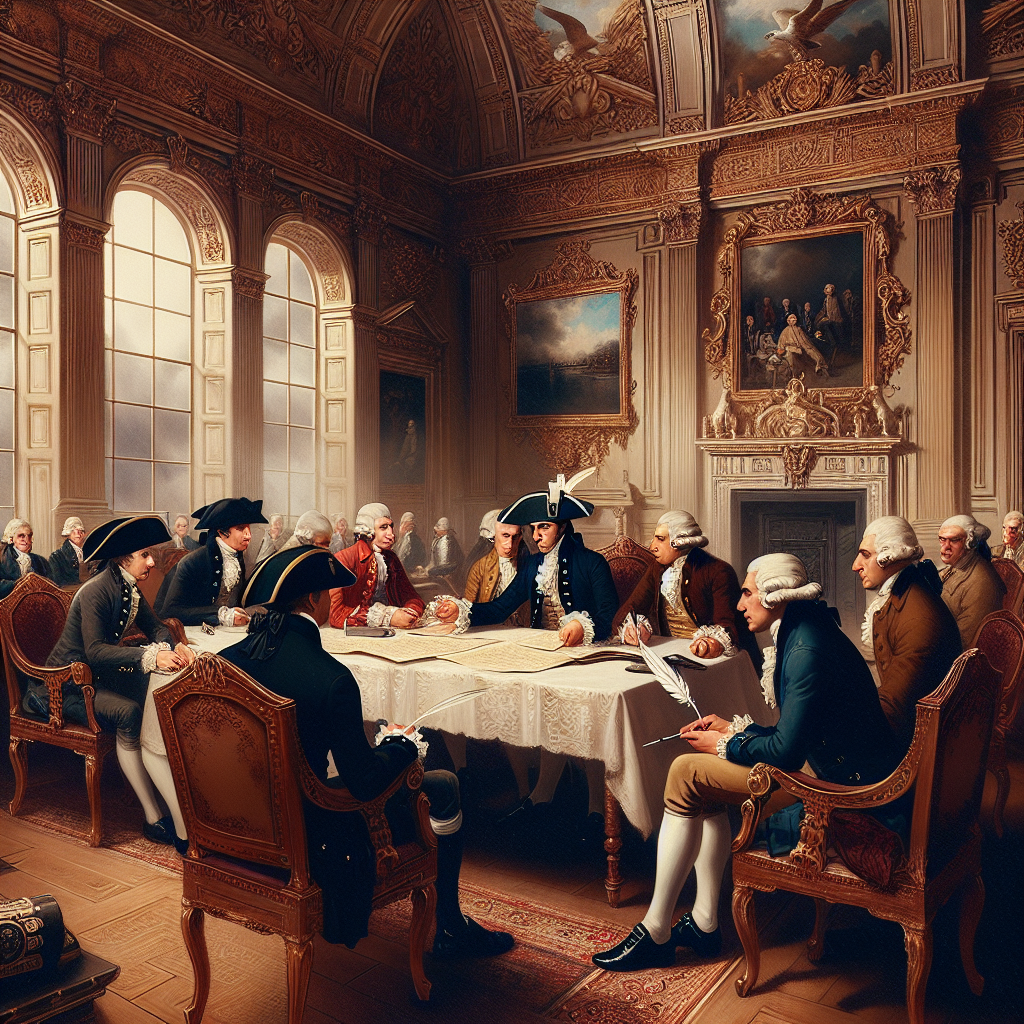
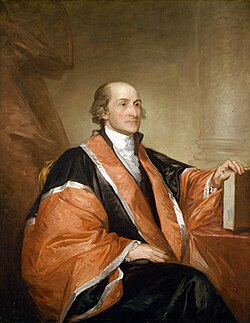
The Jay Treaty of 1794 was the most controversial piece of diplomacy in the early republic, and it may have been the most necessary. Chief Justice John Jay, sent to London by Washington to resolve a cascade of grievances — British seizure of American merchant ships, occupation of frontier forts on American soil, impressment of American sailors into the Royal Navy — returned with an agreement that settled almost none of them cleanly. Britain agreed to evacuate the northwestern forts by 1796 and opened limited trade with the British West Indies. Everything else was deferred to future commissions. Critics called it a humiliation.
The Senate ratified the treaty by the narrowest possible margin, 20–10, exactly the two-thirds required. Washington, who supported it as the least bad option for a country not yet strong enough to fight Britain, was burned in effigy in several cities. James Madison led the opposition in the House, which tried to kill the treaty by refusing appropriations to implement it — a constitutional confrontation that Washington defeated by refusing to hand over treaty negotiation documents, establishing an early precedent for executive privilege. The fight over the Jay Treaty crystallized the first-party system, hardening the division between Federalists and Democratic-Republicans.
The treaty's deeper significance was what it prevented. The United States in 1794 had no navy capable of protecting its commerce, no army capable of fighting a major war, and no treasury capable of financing one. Going to war with Britain over the legitimate grievances Jay failed to resolve would almost certainly have ended the republic's independence within a decade. Jay negotiated from weakness and got peace. The republic had time to grow. Whether the price paid — Federalist political collapse, the rage of Democratic-Republicans — was worth it is the argument historians have never fully resolved.
| Signed | November 19, 1794 — London |
| Ratified | June 24, 1795 — Senate, 20–10 (bare two-thirds) |
| Negotiated by | Chief Justice John Jay |
| British concessions | Evacuation of northwestern forts by 1796; limited trade |
| Unresolved | Impressment; compensation for seized ships — deferred |
| Political impact | Crystallized Federalist vs. Democratic-Republican split |
| Legacy | Early precedent for executive privilege in treaty negotiations |
| Date | Signed November 19, 1794; ratified June 24, 1795 |
| Location | London, England / Philadelphia, Pennsylvania |