Alien and Sedition Acts

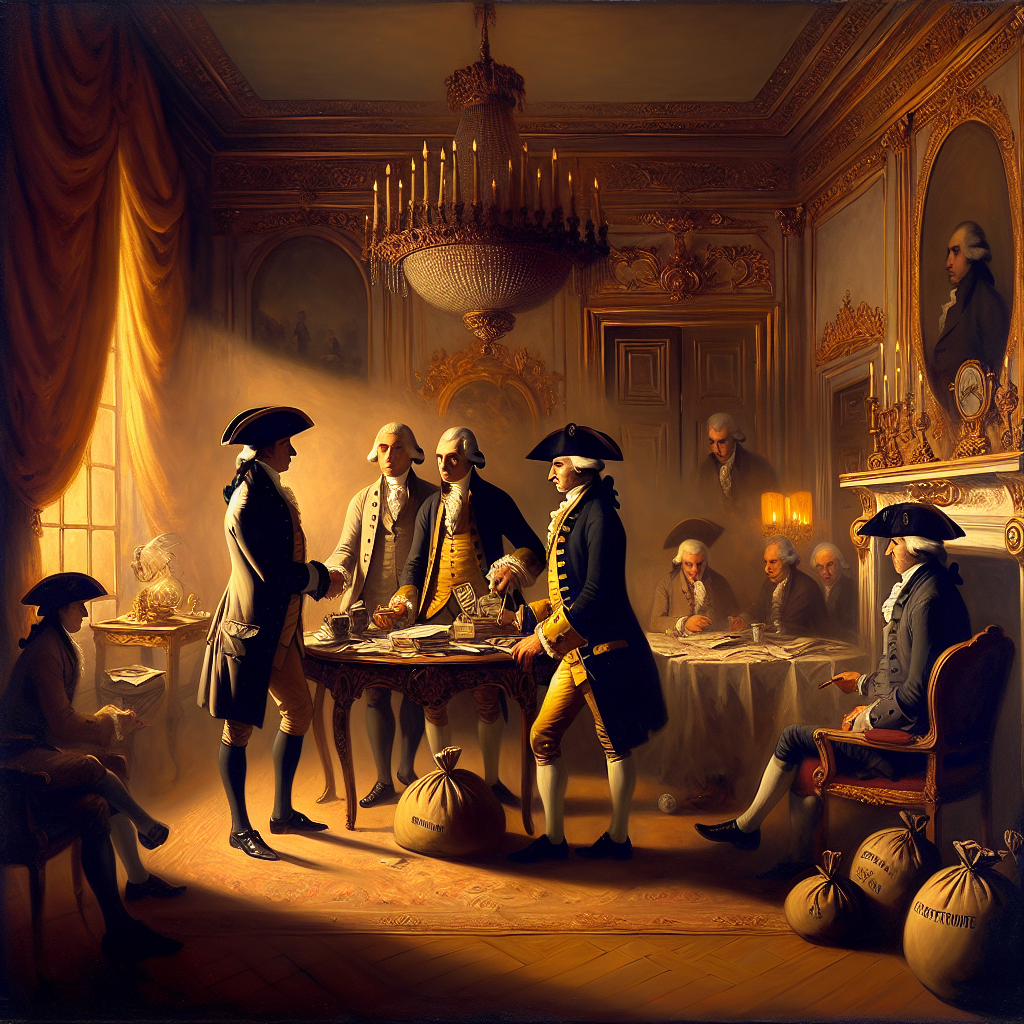
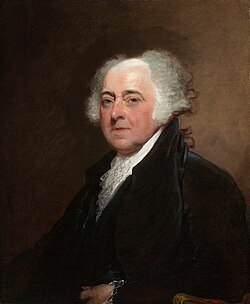
In the summer of 1798, with the young United States on the verge of an undeclared naval war with France and its politics fracturing into bitter partisan divisions, the Federalist-controlled Congress passed four laws that remain among the most controversial in American history. The Alien and Sedition Acts extended the residency requirement for citizenship from five to 14 years, authorized the president to deport dangerous foreigners, and — most explosively — made it a crime to publish "false, scandalous, and malicious writing" against the government or its officials. The targets were obvious to everyone: immigrants who voted Republican and newspapers that criticized President John Adams.
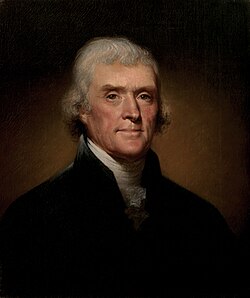
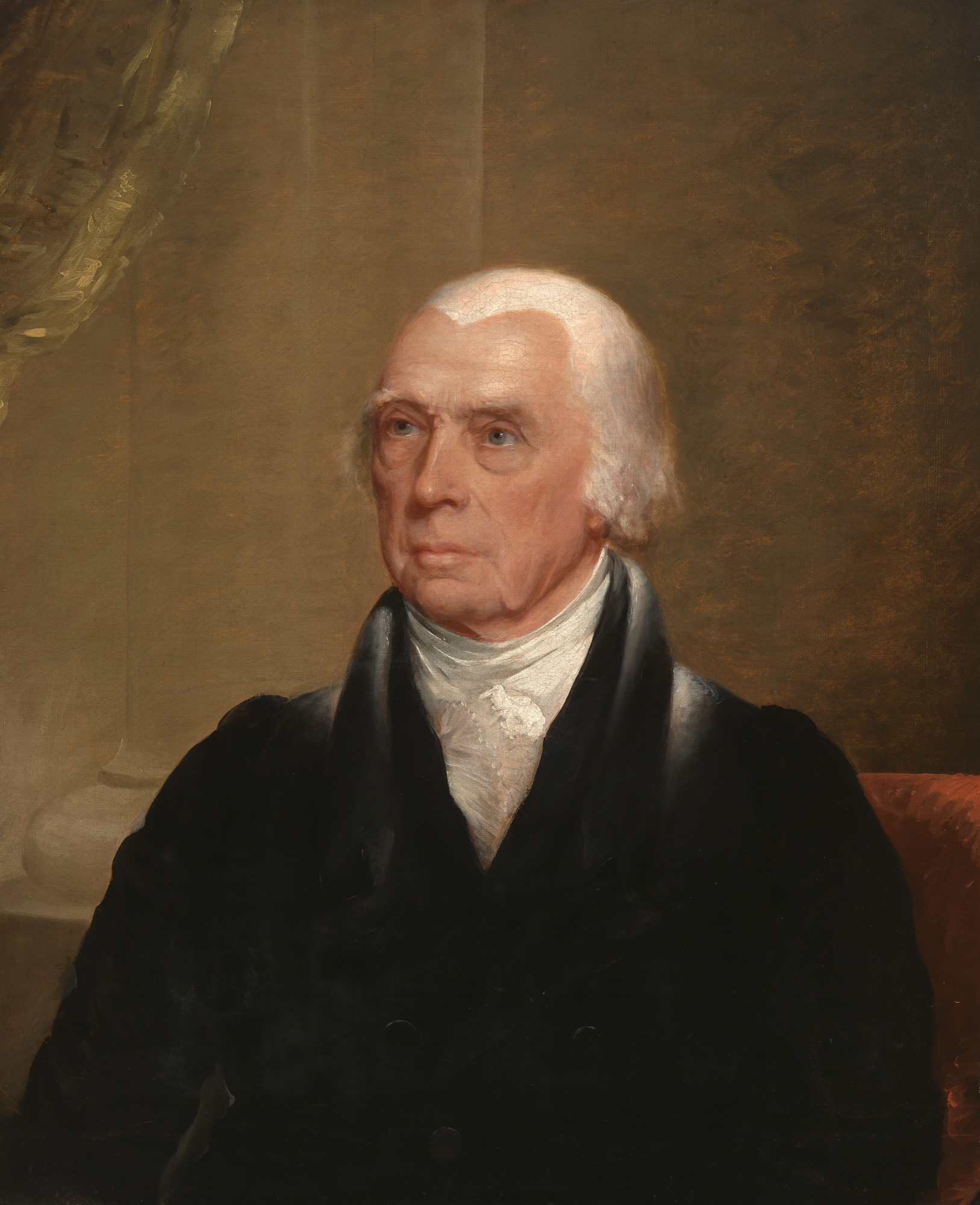
The laws provoked a constitutional crisis that produced one of the republic's most important political documents. James Madison and Thomas Jefferson drafted the Virginia and Kentucky Resolutions in secret, arguing that states had the right to nullify unconstitutional federal laws — a theory that would resurface in increasingly dangerous forms through the Civil War era. Twenty-five men, most of them newspaper editors, were prosecuted under the Sedition Act. Matthew Lyon, a Republican congressman from Vermont, was convicted for criticizing Adams in a letter and served four months in prison while simultaneously winning reelection from his jail cell.
The Alien and Sedition Acts expired or were repealed after Jefferson won the presidency in 1800 — the election whose peaceful transfer of power between opposing parties many historians consider the republic's first true test. Jefferson pardoned every man convicted under the Sedition Act and repaid their fines with interest. The Supreme Court never ruled on the acts' constitutionality, but the court of public opinion did: the Federalist Party never won another presidential election. The episode set a precedent for governments reaching for restrictions on speech during moments of perceived foreign threat, a pattern revisited in 1917, 1940, and 1950.

| Passed | June–July 1798 |
| Administration | John Adams (Federalist) |
| Naturalization | Extended citizenship residency requirement from 5 to 14 years |
| Sedition Act | Criminalized publication of criticism of the government |
| Notable Prosecution | Congressman Matthew Lyon — imprisoned while winning reelection |
| Opposition Documents | Virginia and Kentucky Resolutions (Madison and Jefferson, 1798) |
| Expiration | Sedition Act expired March 3, 1801; Alien Acts repealed under Jefferson |
| Date | June–July 1798 |
| Location | Washington, D.C. |