People
All People
Presidents
Military Leaders
Founding Fathers
Scientists & Inventors
Civil Rights Leaders
Explorers
Artists & Writers
Business Leaders
Outlaws & Lawmen
Statesmen & Politicians
Supreme Court Justices
Indigenous Leaders
First Ladies
Athletes
Places
All Places
States
Cities
Battlefields
Landmarks & Buildings
National Parks
Territories
Indigenous Lands
Natural Features & Geography
Infrastructure & Transportation
Colonial Settlements
Eras
Events
All Events
Wars & Conflicts
Treaties & Agreements
Disasters
Milestones & Firsts
Assassinations
Elections
Protests & Movements
Discoveries & Inventions
Crises & Standoffs
Scandals & Constitutional Crises
Financial Crises & Panics
Documents
All Documents
Founding Documents
Laws & Acts
Supreme Court Decisions
Speeches
Concepts
All Concepts
Political Movements
Economic Systems
Social Issues
Foreign Policy Doctrines
Religion & Society
Organizations
All Organizations
Government Agencies
International Organizations
Military
Business & Labor
Advocacy & Social Organizations
Culture & Knowledge
Symbols
Technology
Guides
On This Day
America250
— 250 years since 1776. Explore two and a half centuries of American history.
Start the tour
Home
/
Tags
/
#Constitution
#Constitution
74 entries
People
(9)
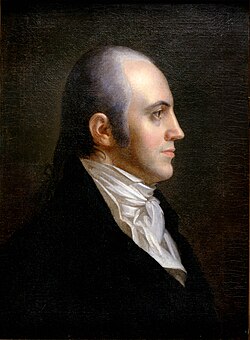
Aaron Burr
Third Vice President of the United States — and Alexander Hamilton's killer
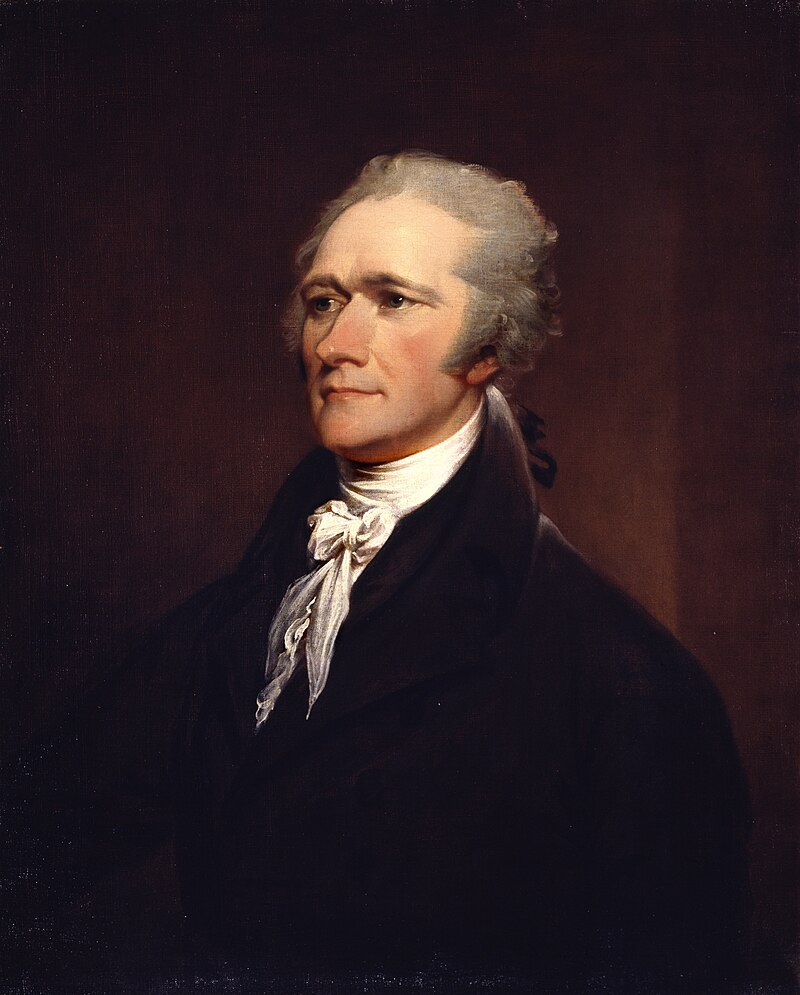
Alexander Hamilton
Founding Father, first Secretary of the Treasury, and architect of American capitalism
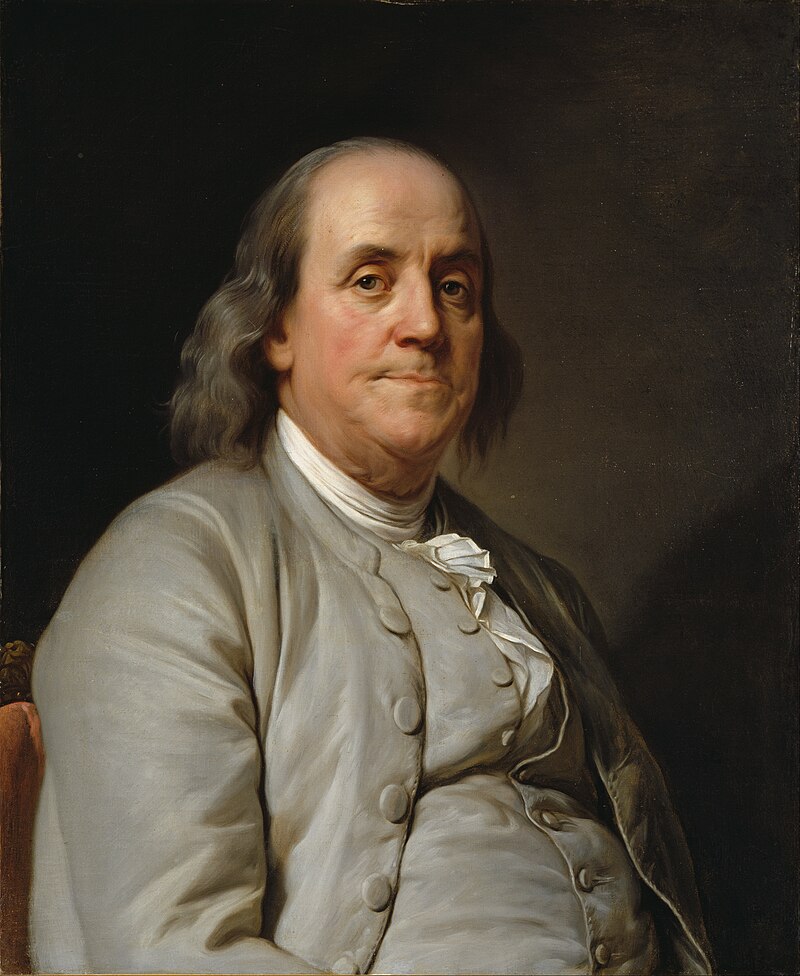
Benjamin Franklin
Printer, diplomat, and scientist who helped engineer American independence
George Mason
Author of the Virginia Declaration of Rights and the conscience of the Constitutional Convention
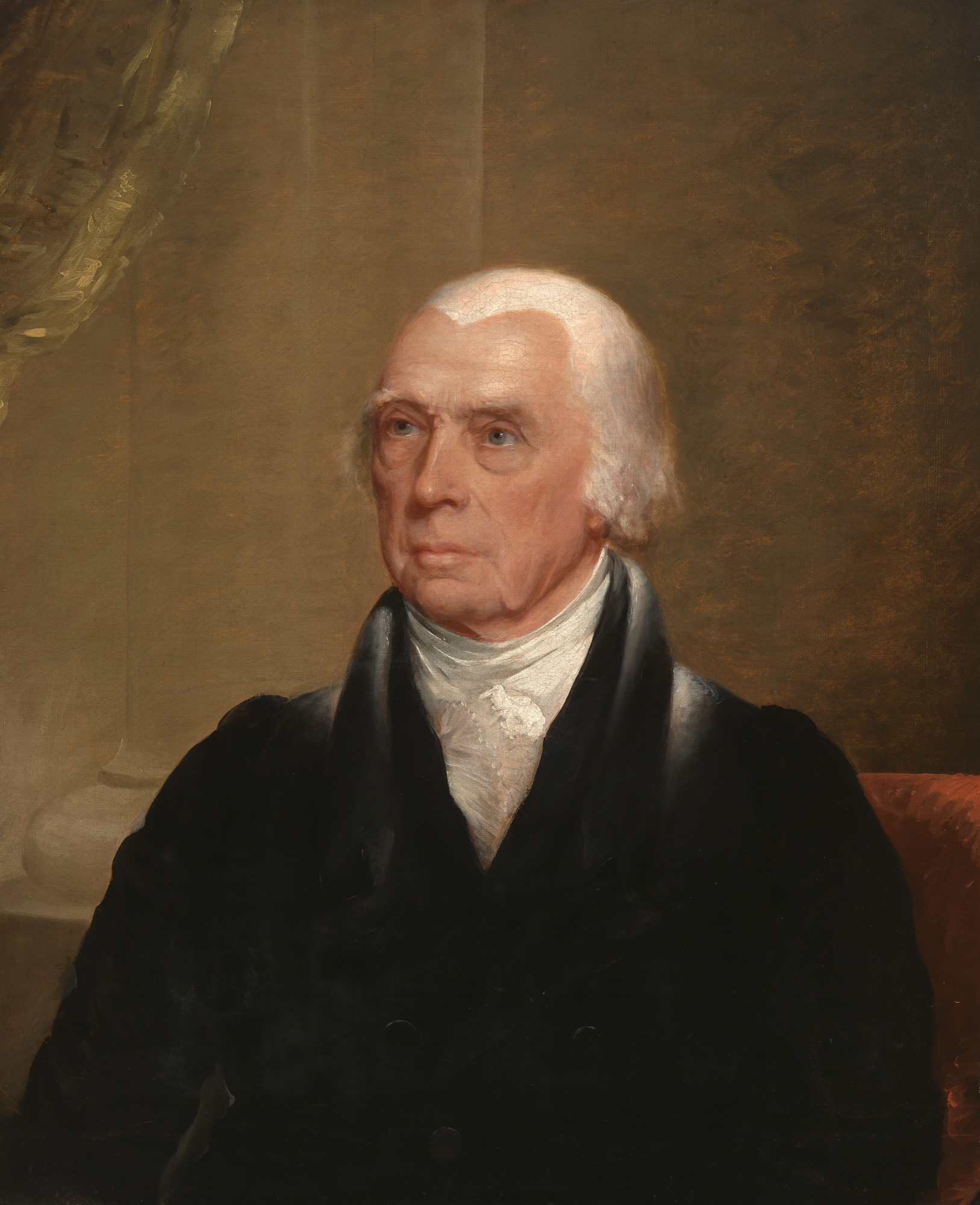
James Madison
Father of the Constitution and fourth President of the United States
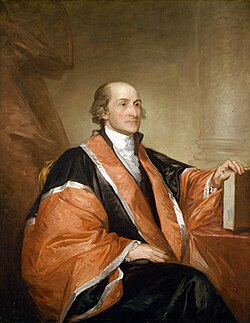
John Jay
First Chief Justice of the United States and co-author of The Federalist Papers
John Marshall
Chief Justice who forged the Supreme Court into a coequal branch of government
Roger Sherman
The only person to sign all four of the great founding documents
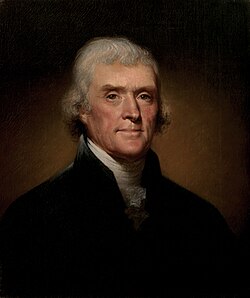
Thomas Jefferson
Author of the Declaration of Independence and Third President of the United States
Places
(3)
Gerald R. Ford Presidential Library and Museum
The only presidential library split across two cities
Independence Hall
The Philadelphia building where the Declaration of Independence and Constitution were signed
Philadelphia
The city where American independence and the Constitution were forged
Eras
(1)
Revolutionary Era
The 25 years that broke from Britain and built a republic, 1775–1800
Events
(4)
Constitutional Convention
The 1787 Philadelphia gathering that scrapped one government and invented another
Continental Congress
The revolutionary assembly that declared independence, fought a war, and built a nation
Great Compromise
The Connecticut Plan of 1787 that created the bicameral Congress and saved the Constitutional Convention
Nullification Crisis
The 1832 standoff between South Carolina and Andrew Jackson that previewed secession
Documents
(47)
Alien and Sedition Acts
The 1798 laws that tested the limits of free speech and nearly tore the young republic apart
Articles of Confederation
America's first constitution and the document that proved insufficient
Declaration of Independence
The 1776 founding document asserting American independence and natural rights
Eighteenth Amendment
The Constitutional Ban on Alcohol That Created Prohibition, 1919–1933
Eighth Amendment
The ban on cruel and unusual punishment
Eleventh Amendment
State sovereign immunity from federal lawsuits
Equal Rights Amendment
The Proposed Constitutional Amendment for Gender Equality, 1923–Present
Fifteenth Amendment
The 1870 amendment that prohibited denying the vote on the basis of race
Fifth Amendment
Due process, self-incrimination, and the rights of the accused
First Amendment
The constitutional guarantee of speech, press, religion, assembly, and petition
Fourteenth Amendment
The 1868 amendment that defined citizenship and guaranteed equal protection under the law
Fourth Amendment
The guarantee against unreasonable searches and seizures
Gibbons v. Ogden
The 1824 ruling that gave Congress the power to regulate the national economy
Gideon v. Wainwright
The unanimous 1963 ruling that guaranteed the right to counsel for every criminal defendant
Marbury v. Madison
The 1803 ruling that established the Supreme Court's power to strike down laws
Mayflower Compact
The 1620 shipboard agreement that planted the seed of American self-governance
McCulloch v. Maryland
The 1819 ruling that established the doctrine of implied federal powers
Miranda v. Arizona
The 1966 ruling that gave every suspect the right to silence
Nineteenth Amendment
The Constitutional Amendment That Gave Women the Right to Vote, 1920
Ninth Amendment
The rights retained by the people
Northwest Ordinance
The 1787 law that established the framework for American territorial expansion
Seventeenth Amendment
The Amendment That Created Direct Election of U.S. Senators, 1913
Seventh Amendment
The right to a jury trial in civil cases
Sixteenth Amendment
The Amendment That Created the Federal Income Tax, 1913
Sixth Amendment
The right to a speedy, public, and fair criminal trial
Tenth Amendment
The powers reserved to the states and the people
The Bill of Rights
The first ten amendments to the U.S. Constitution, ratified 1791
The Child Labor Amendment
The failed amendment to let Congress regulate child labor
The Congressional Apportionment Amendment
The original "First Amendment" that was never ratified
The Corwin Amendment
The failed amendment that would have protected slavery forever
The D.C. Voting Rights Amendment
The failed amendment to give Washington full representation in Congress
The Federalist Papers
The 85 essays that explained the Constitution to a skeptical public — and defined American political thought
The Second Amendment
Twenty-seven words at the center of America's gun debate
The Titles of Nobility Amendment
The "phantom" amendment that would strip citizenship for foreign titles
Third Amendment
The near-forgotten ban on quartering soldiers in private homes
Thirteenth Amendment
The 1865 constitutional amendment that abolished slavery in the United States
Twelfth Amendment
The overhaul of how the Electoral College elects a president
Twentieth Amendment
The "Lame Duck" Amendment moving up Inauguration Day
Twenty-fifth Amendment
Presidential succession and disability
Twenty-First Amendment
The Repeal of Prohibition — The Only Amendment to Undo Another, 1933
Twenty-fourth Amendment
The abolition of the poll tax in federal elections
Twenty-second Amendment
The two-term limit on the presidency
Twenty-seventh Amendment
The 203-year journey of the congressional pay amendment
Twenty-sixth Amendment
Lowering the voting age to eighteen
Twenty-third Amendment
Presidential electors for the District of Columbia
U.S. Constitution
The 1787 framework of government that has governed the United States ever since
War Powers Resolution
Congress's 1973 attempt to reclaim the power to declare war from the executive branch
Concepts
(10)
Checks and Balances
The constitutional design that prevents any branch of government from becoming supreme
Due Process
The constitutional guarantee that government cannot deprive citizens of life, liberty, or property without fair procedures
Electoral College
The constitutional mechanism for electing presidents — and the perpetual argument about it
Equal Protection
The Fourteenth Amendment guarantee that government must treat similarly situated people equally under the law
Executive Order
The presidential tool the Constitution never named — and no president has stopped using
Federalism
The division of power between national and state governments that defines American governance
Judicial Review
The power of courts to strike down laws that violate the Constitution
Separation of Church and State
The constitutional principle Jefferson named, the courts refined, and America has been arguing about ever since
Separation of Powers
The constitutional division of government authority among three independent branches
States' Rights
The constitutional doctrine that shaped — and shadowed — American history
All Tags
Politics
169
Economy
147
Military
115
Presidency
113
Civil Rights
112
Reform
111
Law & Justice
99
Founding Era
95
Foreign Policy
90
Race
82
Constitution
74
Industry
71
Science & Technology
71
Cold War
62
Civil War
61
Protest
58
Westward Expansion
57
Arts & Culture
56
Revolution
55
Slavery
54
Women
51
War
49
Modern America
46
Indigenous
42
Diplomacy
41
Media & Press
38
Labor
33
Immigration
31
Supreme Court
30
Religion
29
Environment
28
Congress
28
World War II
28
Exploration
24
Disaster
22
Reconstruction
22
Abolition
21
Progressive Era
21
Finance
20
Democracy
19
Assassination
15
Education
14
Colonial America
13
Gilded Age
12
Public Health
12
Suffrage
11
World War I
8
Sports
8
Corruption
8
Prohibition
1