Aaron Burr
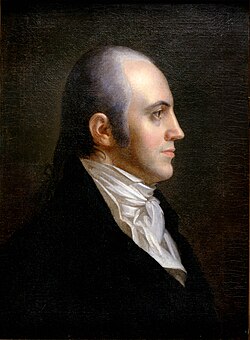
On the morning of July 11, 1804, Aaron Burr and Alexander Hamilton rowed across the Hudson River to the dueling ground at Weehawken, New Jersey, and settled a decade of political enmity with pistols. Hamilton was mortally wounded and died the next day. Burr survived — technically — but the duel ended his political career, made him a fugitive from murder charges in two states, and fixed his reputation in American memory as the Founding Father who most thoroughly squandered his promise.
The trajectory to Weehawken had been long in the making. Burr and Hamilton were New York's two most ambitious lawyers, rival political architects, and mutual admirers who could not stop working against each other. Burr had come within a whisker of the presidency in 1800, when the Electoral College deadlocked and Hamilton's backroom lobbying tipped the vote to Jefferson. Hamilton blocked Burr's run for governor of New York in 1804 for good measure. Burr demanded satisfaction. Hamilton, who had already lost his son Philip to a duel, agreed.
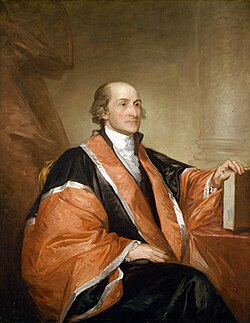
After the duel, Burr's story grew stranger. He traveled west, recruited a private army, and launched what historians still debate: a plot either to invade Spanish Mexico or to detach the western states from the Union — or both. Jefferson had him arrested for treason in 1807. Chief Justice John Marshall presided over the trial and acquitted Burr on a narrow interpretation of the treason clause, setting a precedent that limited the charge's reach ever after. Burr then spent years in European exile before returning quietly to New York.

| Born | February 6, 1756 — Newark, New Jersey |
| Died | September 14, 1836 — Staten Island, New York |
| Office | Vice President of the United States, 1801–1805 |
| President | Thomas Jefferson |
| Duel | July 11, 1804 — Weehawken, New Jersey (killed Alexander Hamilton) |
| Treason Trial | Acquitted, 1807 |
| Party | Democratic-Republican |
| Date | July 11, 1804 (Hamilton duel) |
| Location | New York, New York |