U.S. Constitution
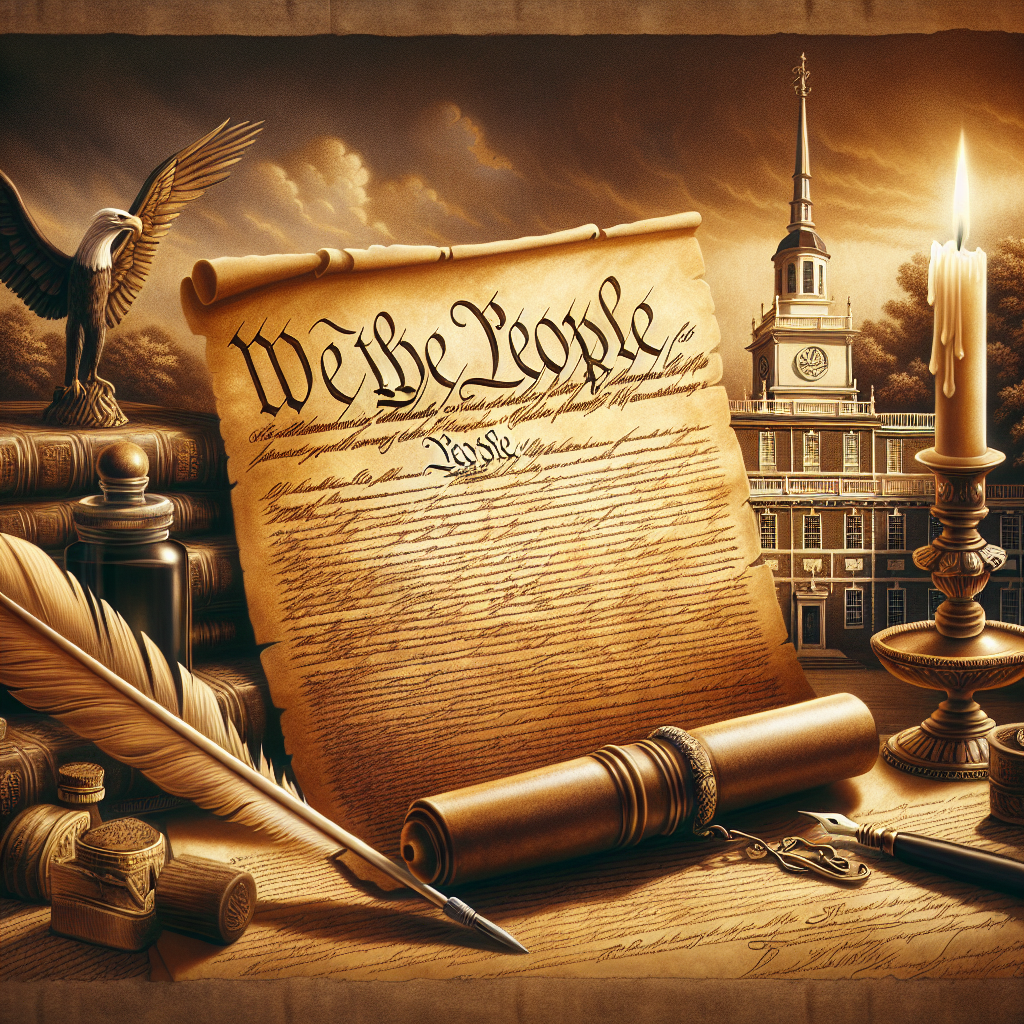
The Constitutional Convention met in Philadelphia in the summer of 1787 with a modest mandate — to revise the Articles of Confederation — and promptly scrapped them entirely. Over four sweltering months, 55 delegates from 12 states (Rhode Island refused to send anyone) negotiated a document that created the world's first durable written constitution for a modern republic. The result was a masterwork of deliberate ambiguity: a text specific enough to be binding, vague enough to survive centuries of circumstances its authors could not foresee, and shot through with compromises that left its deepest tensions unresolved.
The convention's central bargains defined American politics for generations. The Great Compromise gave small states equal Senate representation and large states proportional House representation. The Three-Fifths Compromise counted enslaved people as three-fifths of a person for purposes of congressional apportionment — giving slaveholding states outsized political power while refusing to acknowledge the humanity of the people generating it. The Electoral College, which no delegate fully loved, emerged from the inability to agree on direct popular election or congressional selection of the president. The document was signed on September 17, 1787, by 39 of the 55 delegates present.
Ratification required nine states and took nearly three years of fierce argument. The Anti-Federalists — Patrick Henry foremost among them — objected that it created a dangerously powerful central government with no explicit protection for individual rights. The promise of amendments produced the Bill of Rights, ratified in 1791. The Constitution has been amended 27 times in total; the first ten came as a package, and the most recent was ratified in 1992 after a 202-year journey through state legislatures — a congressional pay-raise provision James Madison had first proposed in 1789.
| Drafted | May 25 – September 17, 1787 |
| Location | Independence Hall, Philadelphia, Pennsylvania |
| Signatories | 39 of 55 delegates |
| Ratified | June 21, 1788 (9th state: New Hampshire) |
| Effective | March 4, 1789 |
| Amendments | 27 total; Bill of Rights ratified December 15, 1791 |
| Now held at | National Archives, Washington, D.C. |
| Date | September 17, 1787 |
| Location | Philadelphia, Pennsylvania |