The Sons of Liberty
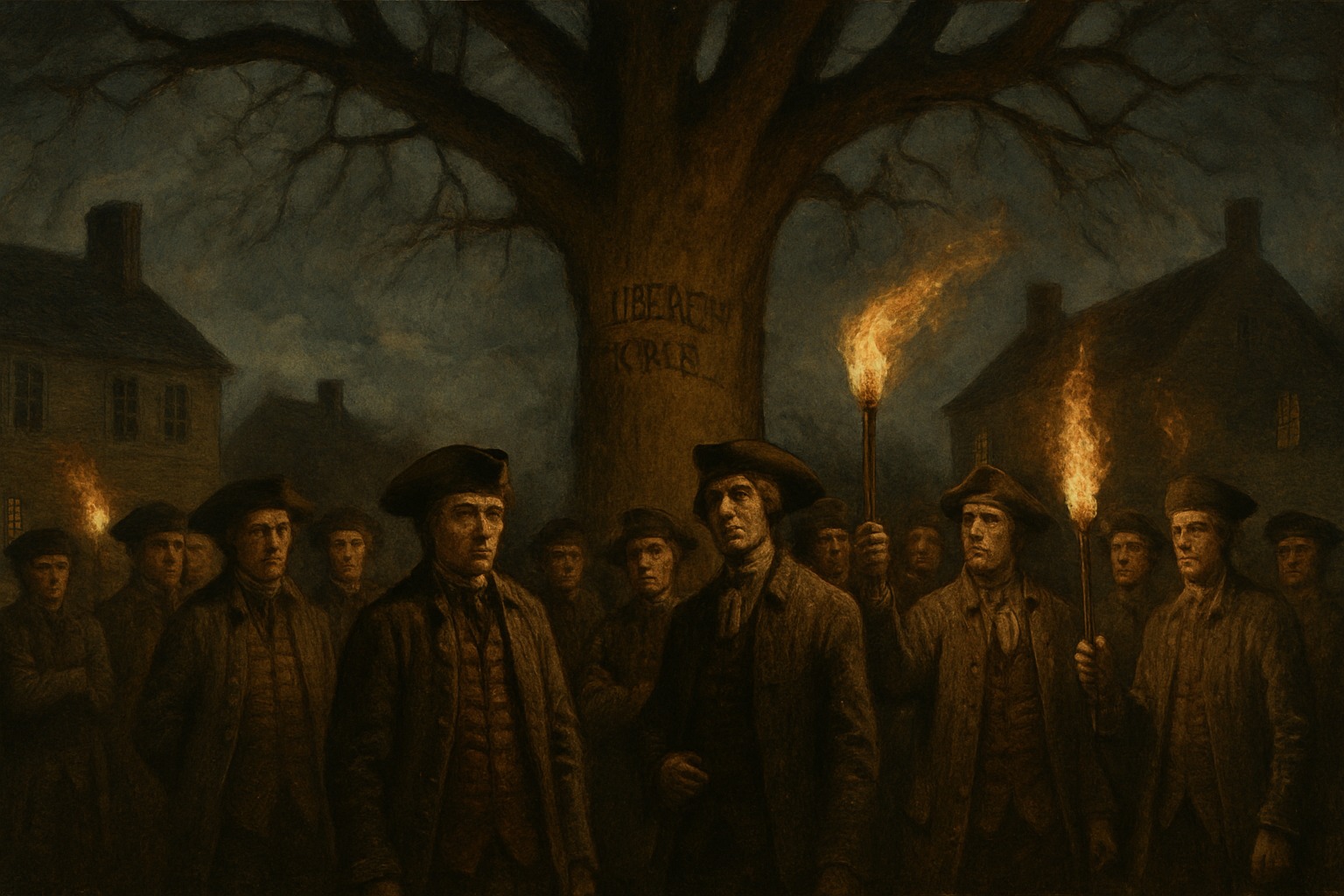
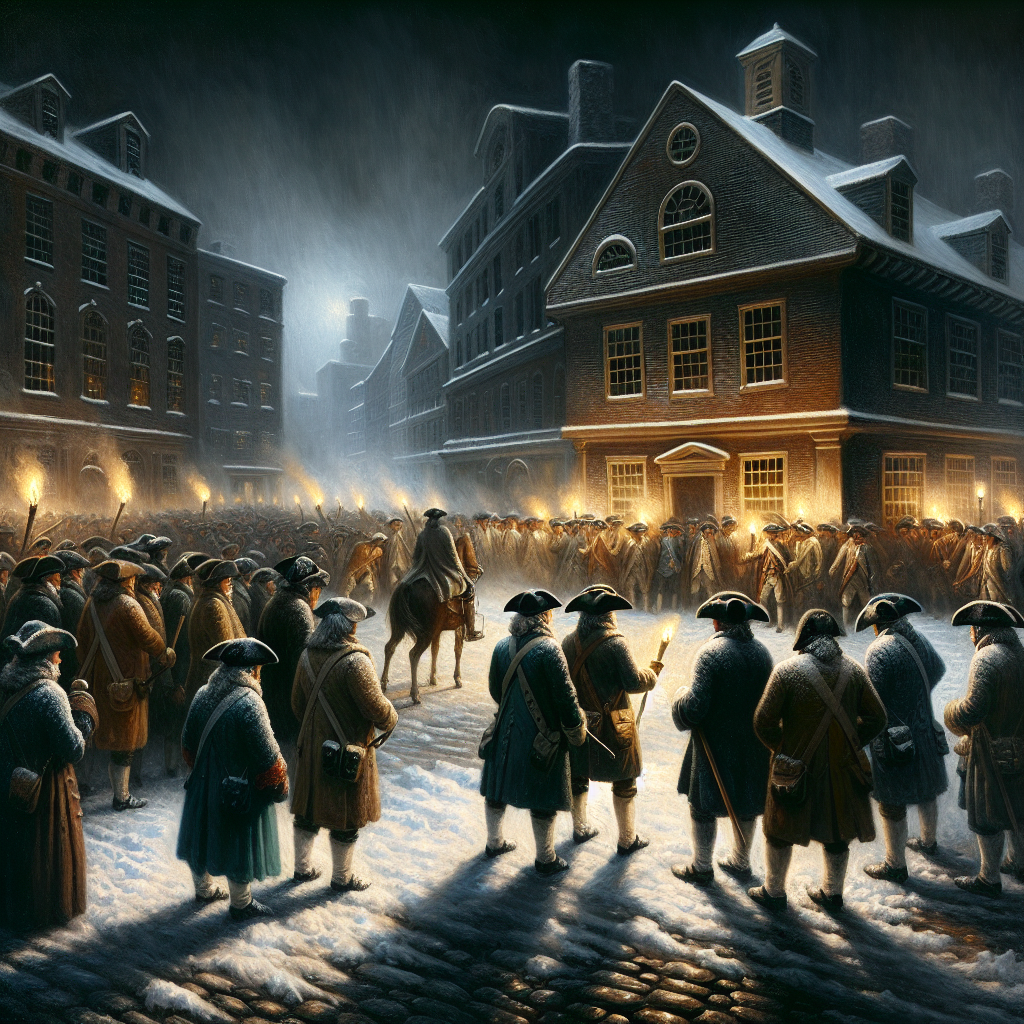
When Parliament imposed the Stamp Act on the American colonies in 1765, taxing everything from newspapers to playing cards, resistance organized itself in the shadows. Secret societies calling themselves the Sons of Liberty sprang up in Boston, New York, and other port towns, bound by the cry of no taxation without representation. Led in Boston by the tireless agitator Samuel Adams, they turned colonial anger into coordinated action and became the organized muscle of the resistance.
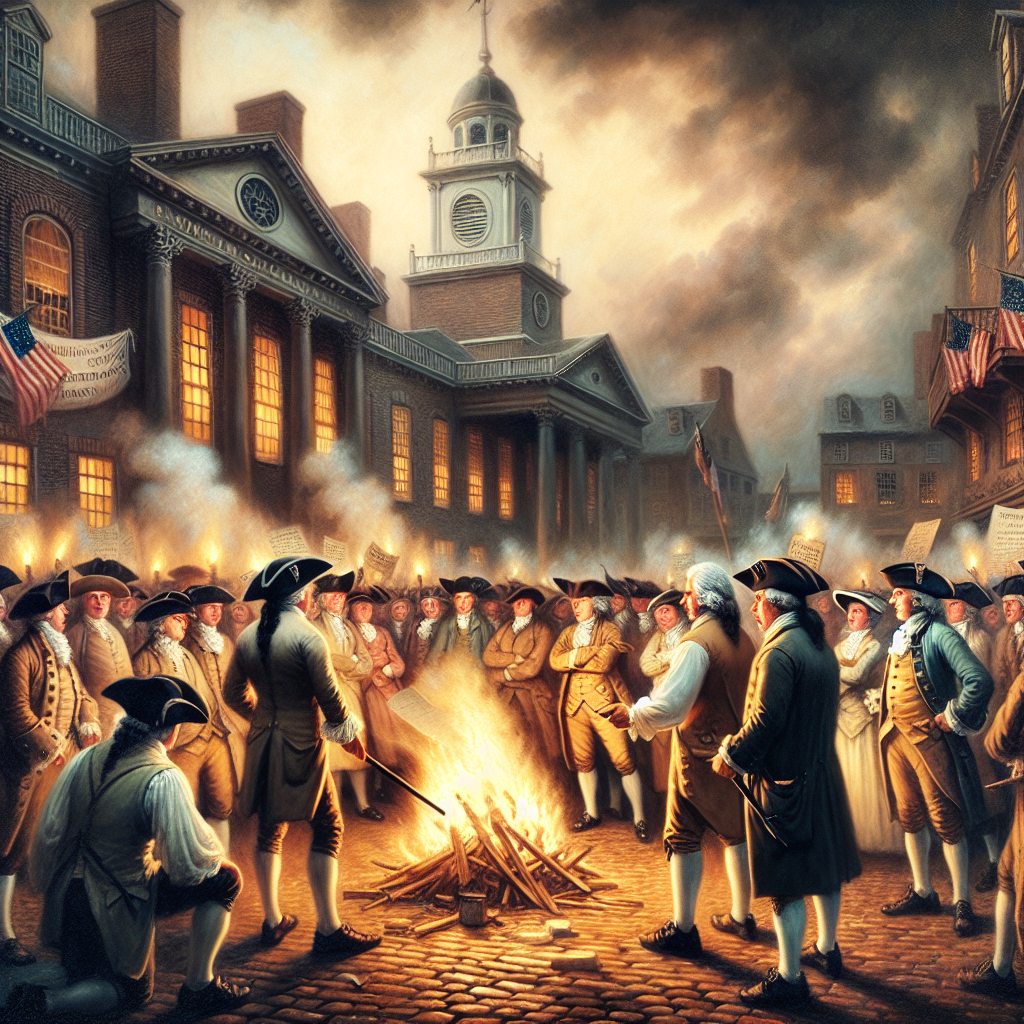
Their methods ran from propaganda to intimidation. They gathered beneath a great elm they named the Liberty Tree, published inflammatory broadsides, and enforced boycotts of British goods. When persuasion failed they turned to the crowd, hanging tax officials in effigy, ransacking their homes, and coating loyalists in tar and feathers. The pressure worked: stamp distributors resigned rather than face the mob, and the hated act went largely unenforced.
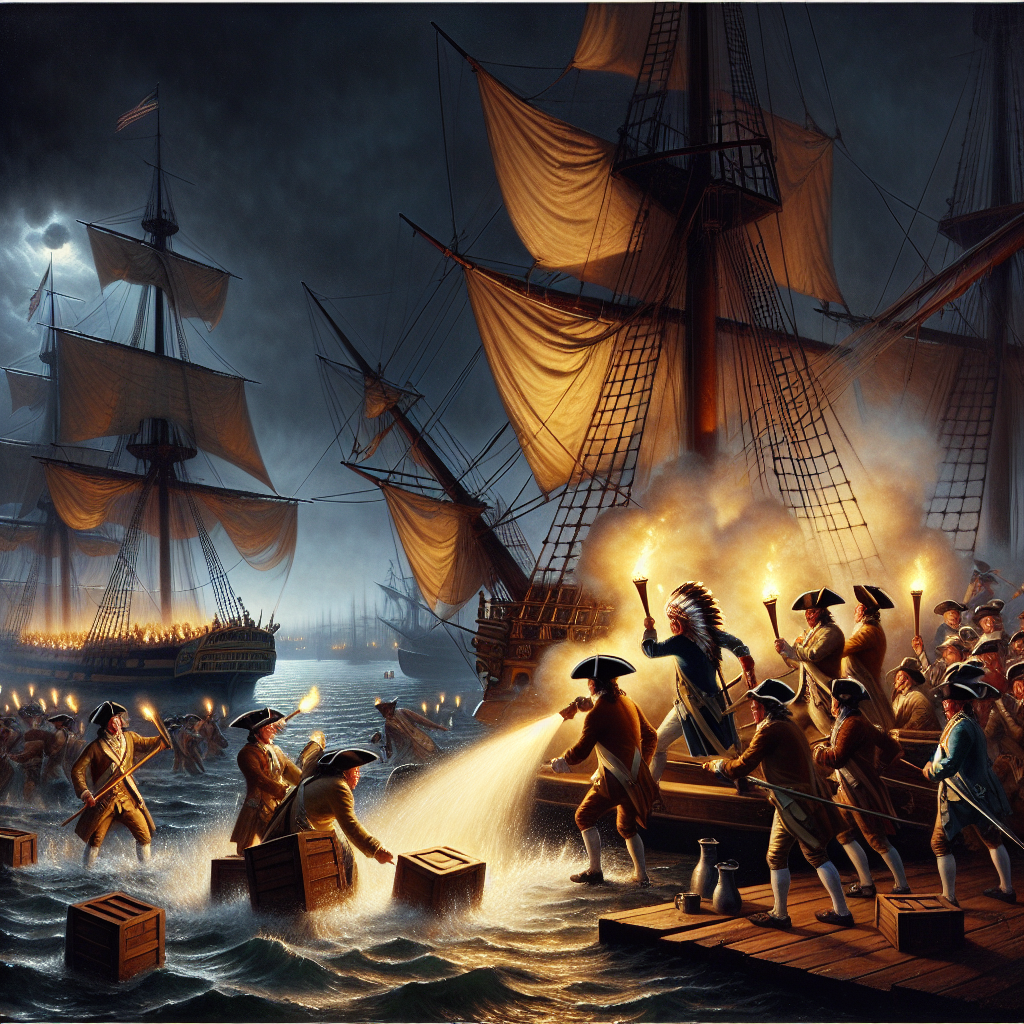
The Sons of Liberty staged the most famous act of colonial defiance. On a December night in 1773, men associated with the group, some thinly disguised as Mohawk warriors, boarded ships in Boston Harbor and dumped 342 chests of British tea into the water rather than pay the tax on it. The Boston Tea Party provoked harsh British retaliation, which in turn pushed the colonies toward united resistance and, finally, war.
More than a single organization, the Sons of Liberty were a loose network whose committees of correspondence knit the colonies together and whose tactics made rebellion thinkable. They dissolved into the Revolution they had helped ignite, but they left a lasting template for American protest — the secret society, the crowd, the boycott, the symbolic act of defiance — that later movements would borrow again and again.

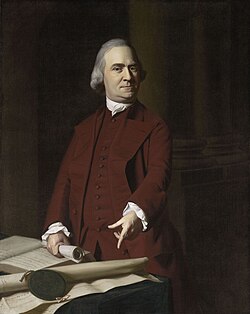
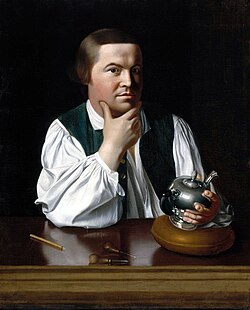
| Formed | 1765 (Stamp Act crisis) |
| Leaders | Samuel Adams and others |
| Base | Boston and other colonial ports |
| Symbol | The Liberty Tree |
| Famous act | The Boston Tea Party (1773) |
| Tactics | Protest, boycott, intimidation, propaganda |
| Date | 1765–1776 |
| Location | Boston, Massachusetts |