XYZ Affair
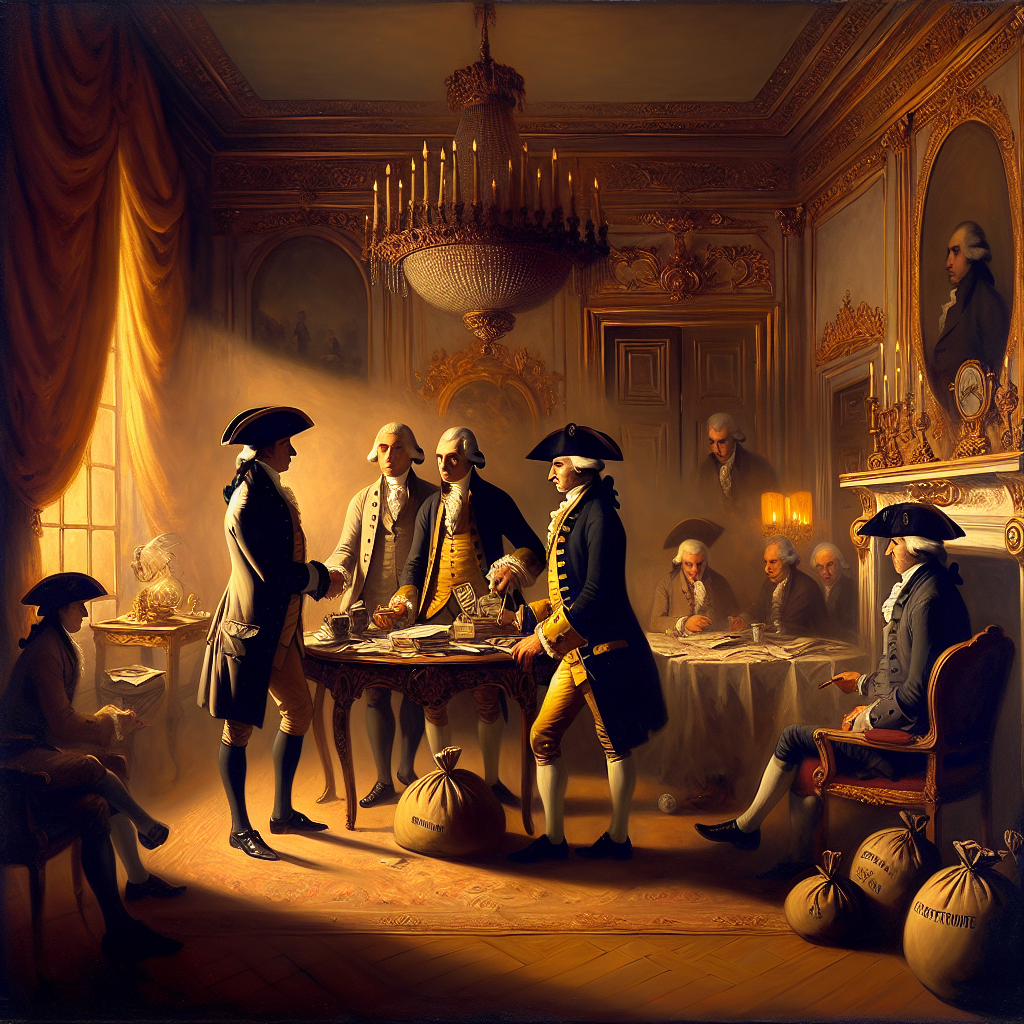
In 1797, President John Adams sent three diplomats to Paris to negotiate with the French government, which had been seizing American merchant ships to pressure the United States into supporting France's war against Britain. The envoys — Charles Cotesworth Pinckney, John Marshall, and Elbridge Gerry — were met not by French foreign minister Talleyrand himself but by three anonymous intermediaries, designated X, Y, and Z in the diplomatic dispatches that eventually reached Congress. France's terms were delivered plainly: a bribe of $250,000 and a loan of $10 million before any negotiations could begin.
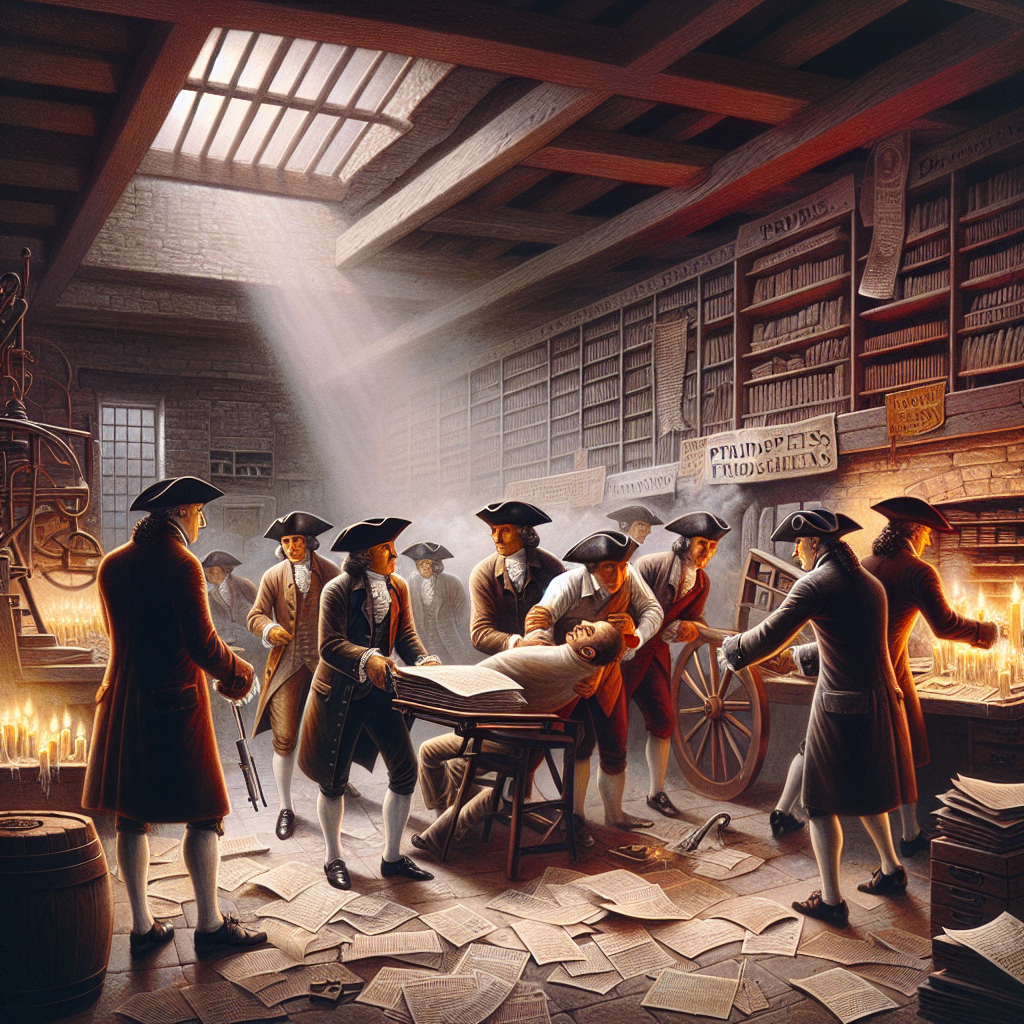
Pinckney's reported response — "Millions for defense, but not one cent for tribute" — may have been sharpened in the retelling, but it captured what Americans wanted to believe about themselves, and when Adams released the XYZ dispatches to Congress in April 1798, they were incendiary. Even Republicans sympathetic to France were silenced. Congress authorized an expansion of the Army and Navy, suspended the treaty with France, and allowed merchant ships to arm themselves. An undeclared naval conflict — the Quasi-War — played out in the Caribbean over the next two years, involving more than 80 naval engagements before a new agreement ended it in 1800.
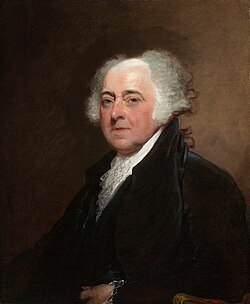
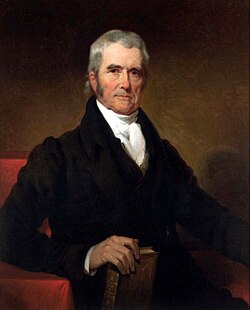
The affair's domestic consequences outlasted the conflict itself. The Federalists, riding the wave of public fury, pushed through the Alien and Sedition Acts in the summer of 1798. The crisis also elevated two of the three envoys: John Marshall's conduct in Paris impressed Adams enough to make him Chief Justice two years later. Elbridge Gerry, the only envoy who stayed in Paris after the others left, eventually became Vice President under James Madison — and gave his name, through a creatively drawn Massachusetts electoral district, to the practice of gerrymandering.

| Period | 1797–1798 |
| Administration | John Adams |
| American Envoys | Charles Cotesworth Pinckney, John Marshall, Elbridge Gerry |
| French Demands | $250,000 bribe + $10 million loan before negotiations |
| Famous Response | "Millions for defense, but not one cent for tribute" |
| Consequence | Quasi-War with France (1798–1800); Alien and Sedition Acts (1798) |
| Career Impact | John Marshall → Chief Justice; Elbridge Gerry → Vice President |
| Years | 1797–1798 |
| Location | Paris, France / Washington, D.C. |