The First Bank of the United States
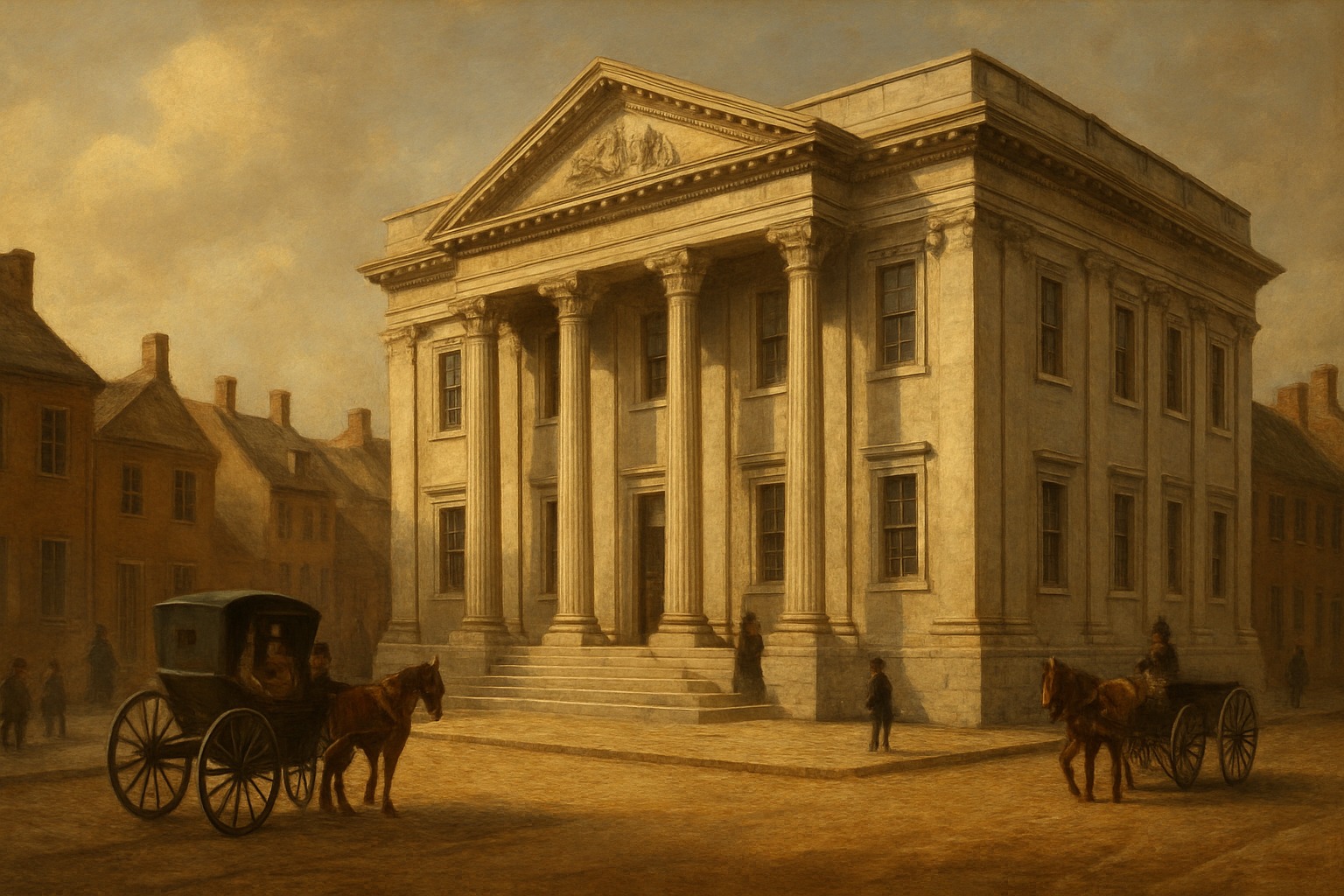
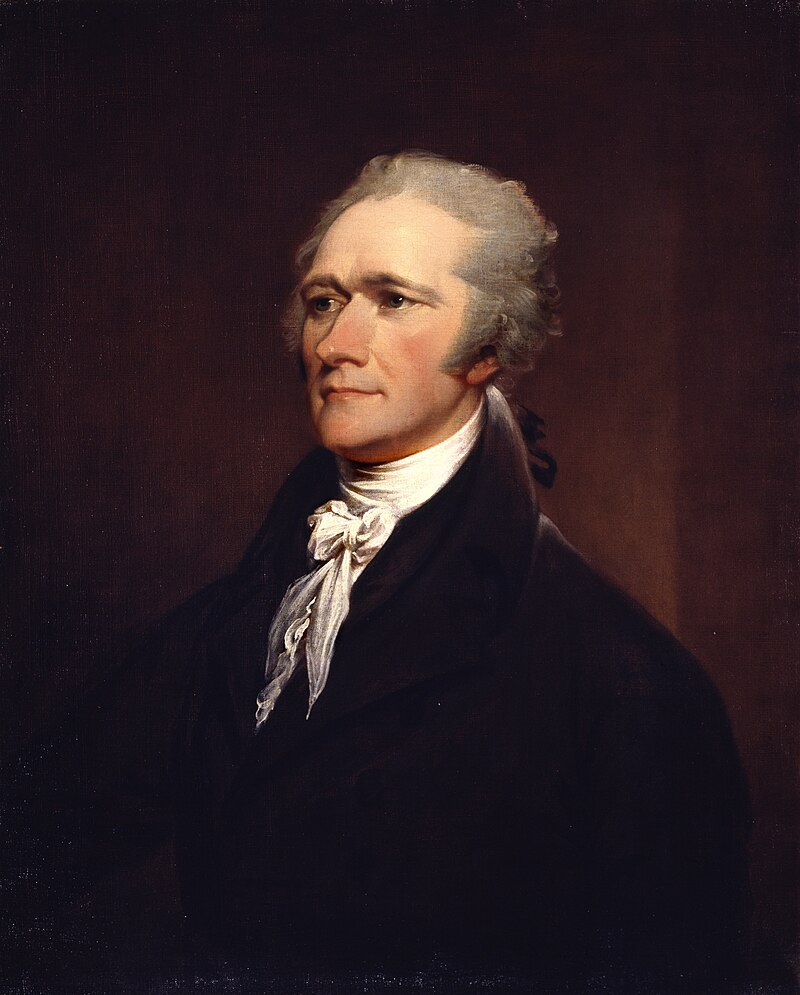
When Alexander Hamilton asked Congress in 1790 to charter a national bank, he set off the first great argument over what the Constitution actually permitted. The Treasury secretary wanted an institution to hold federal deposits, issue a stable paper currency, and knit the young nation's tangled war debts into a single credit-worthy whole. Chartered in 1791 for twenty years and seated in Philadelphia, the Bank of the United States was part public and part private — the government held a fifth of its stock and investors held the rest — and it became the financial engine Hamilton believed a modern state required.
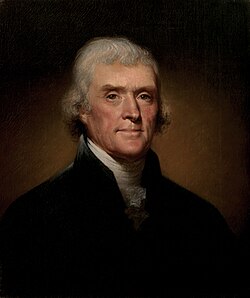
The bank nearly died before it opened. Thomas Jefferson and James Madison argued that the Constitution nowhere authorized Congress to charter a corporation, and that granting such a power would unleash a government of limitless reach. Hamilton answered with the doctrine of implied powers: if an end was legitimate, Congress could choose the means to reach it. President Washington weighed both written opinions and signed the charter, and Hamilton's reasoning entered American law as the seed of the "necessary and proper" interpretation that the Supreme Court would later affirm in McCulloch v. Maryland.
For twenty years the bank did much of what Hamilton promised. It steadied the currency, disciplined state banks by returning their notes for gold, collected federal revenue, and gave the United States a credit standing that helped it borrow. It also made enemies. State bankers chafed at its restraint, agrarians distrusted its concentration of financial power, and many Americans saw a moneyed institution serving merchants and speculators rather than farmers. The bank's very effectiveness sharpened the suspicion that it favored the few over the many.
When the charter came up for renewal in 1811, its opponents in Congress let it expire by a single vote in each chamber. The timing proved costly. Without a national bank to manage federal finances, the government struggled to fund the War of 1812, and the resulting monetary chaos convinced even former skeptics that the experiment had been worth keeping. Five years later Congress chartered a successor, the Second Bank of the United States, reviving both the institution and the quarrel over it that would run through American politics for decades.

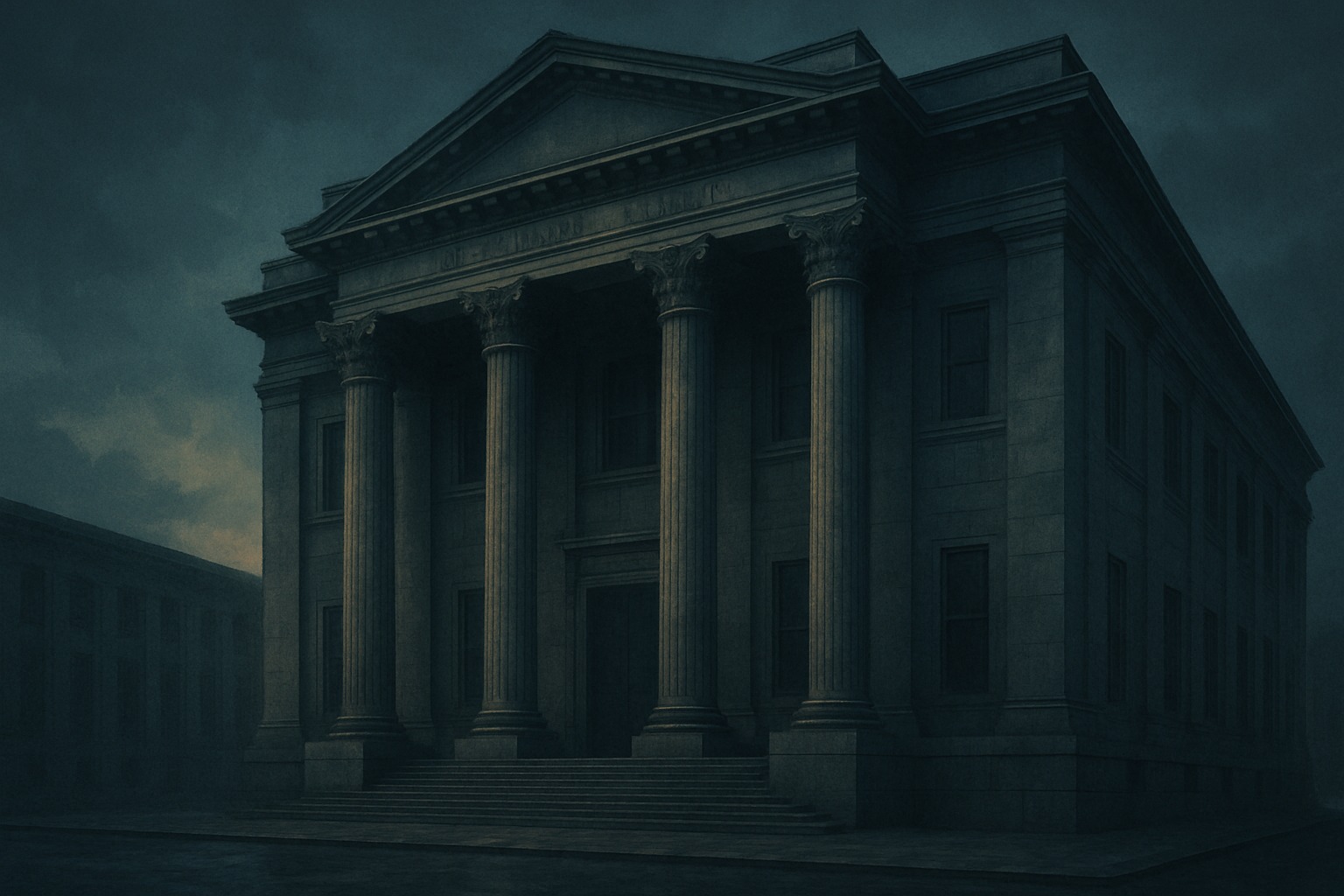
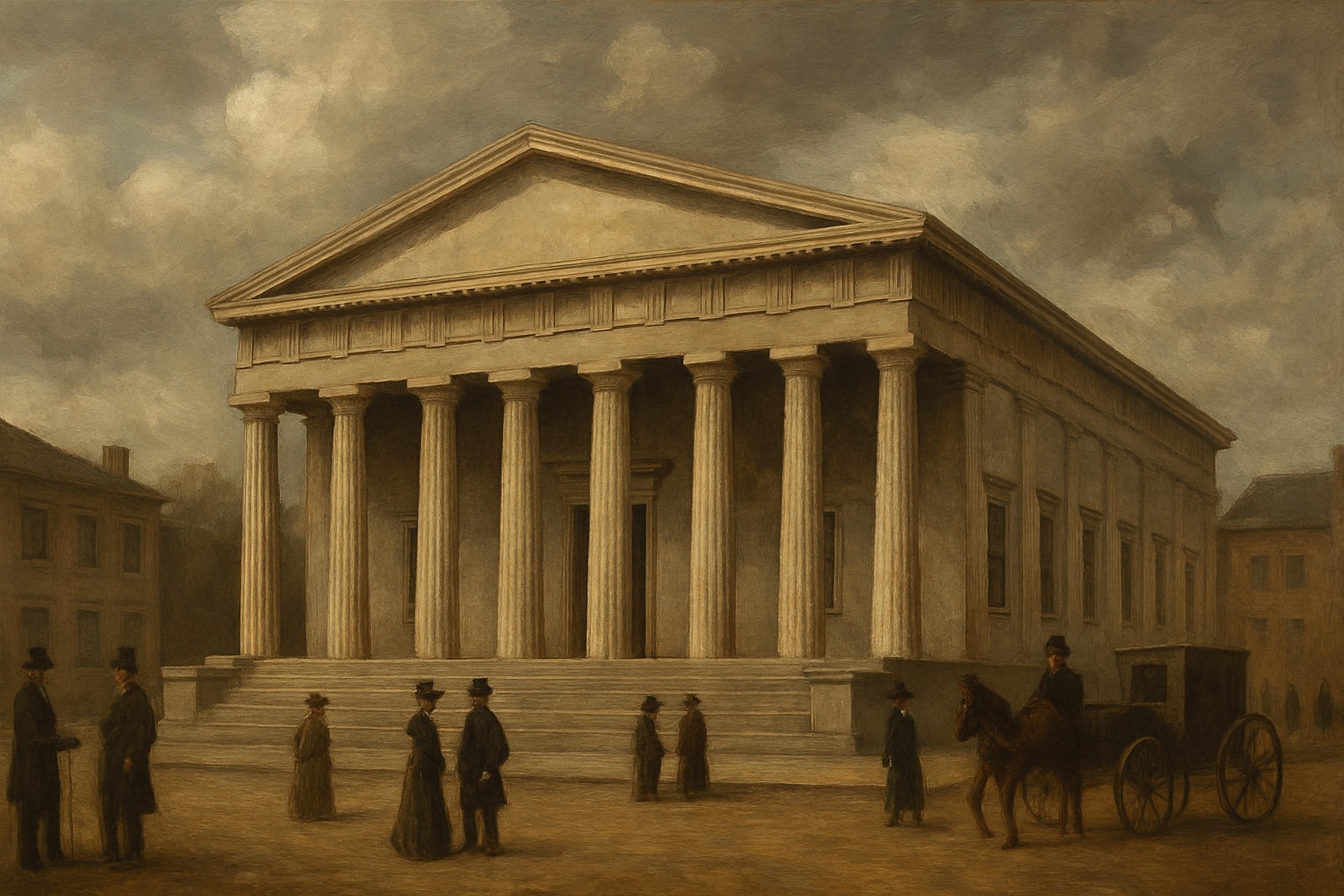
| Chartered | 1791, for a 20-year term |
| Location | Philadelphia, Pennsylvania |
| Champion | Alexander Hamilton, Secretary of the Treasury |
| Opposed by | Thomas Jefferson and James Madison |
| Ownership | 20% federal government, 80% private investors |
| Signed by | President George Washington |
| Expired | 1811, by one vote in each house of Congress |
| Date | 1791–1811 |
| Location | Philadelphia, Pennsylvania |