Washington, D.C.
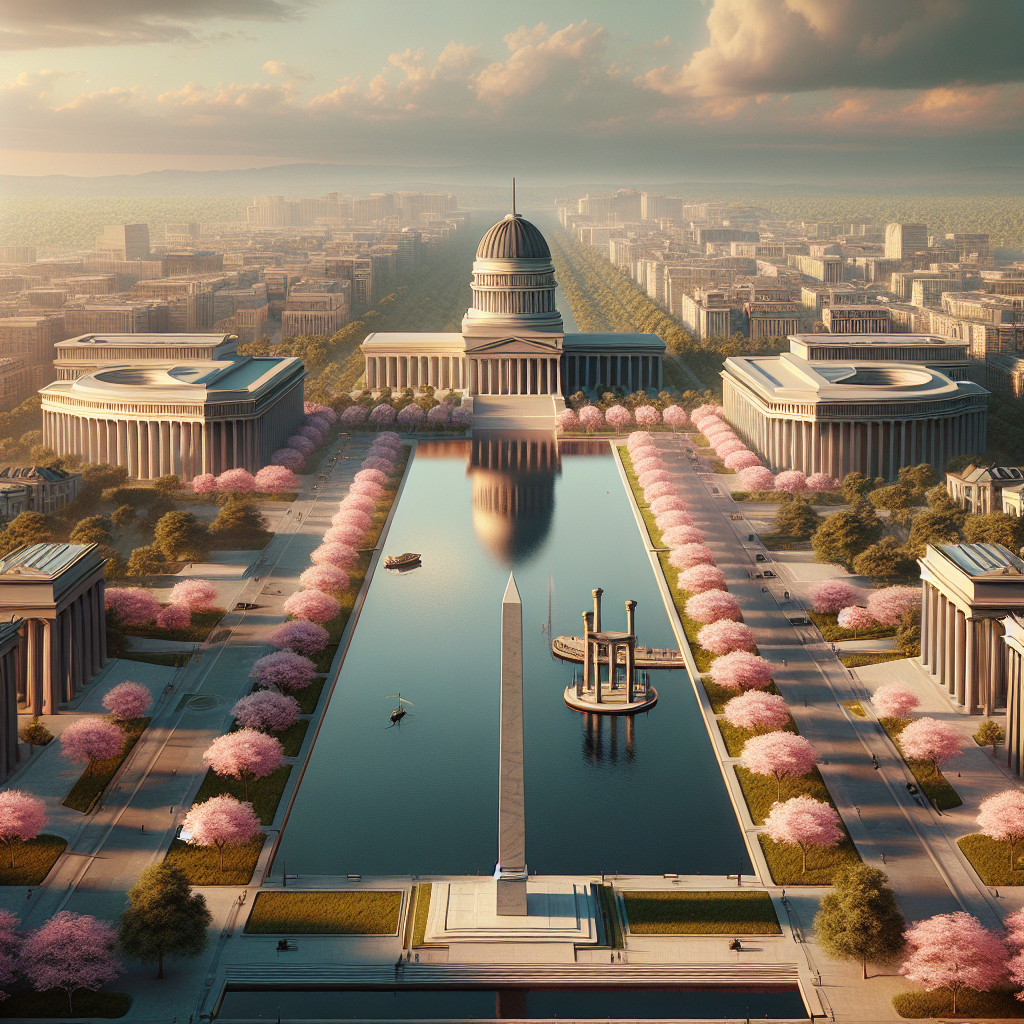
Washington, D.C. was the only major capital city in the world built from scratch on a political compromise. The Residence Act of 1790 placed it on the Potomac River as part of a deal Alexander Hamilton brokered: the federal government would assume the states' Revolutionary War debts, and in exchange the capital would move south, away from Philadelphia and New York, closer to the slaveholding states whose support was essential. George Washington selected the exact site; Pierre Charles L'Enfant drew the grand diagonal boulevards over a swampy Maryland riverbank; enslaved laborers cleared the land and laid the cornerstone of the Capitol. The city that resulted was ambitious in design and, for its first half century, remarkably unimpressive in reality.
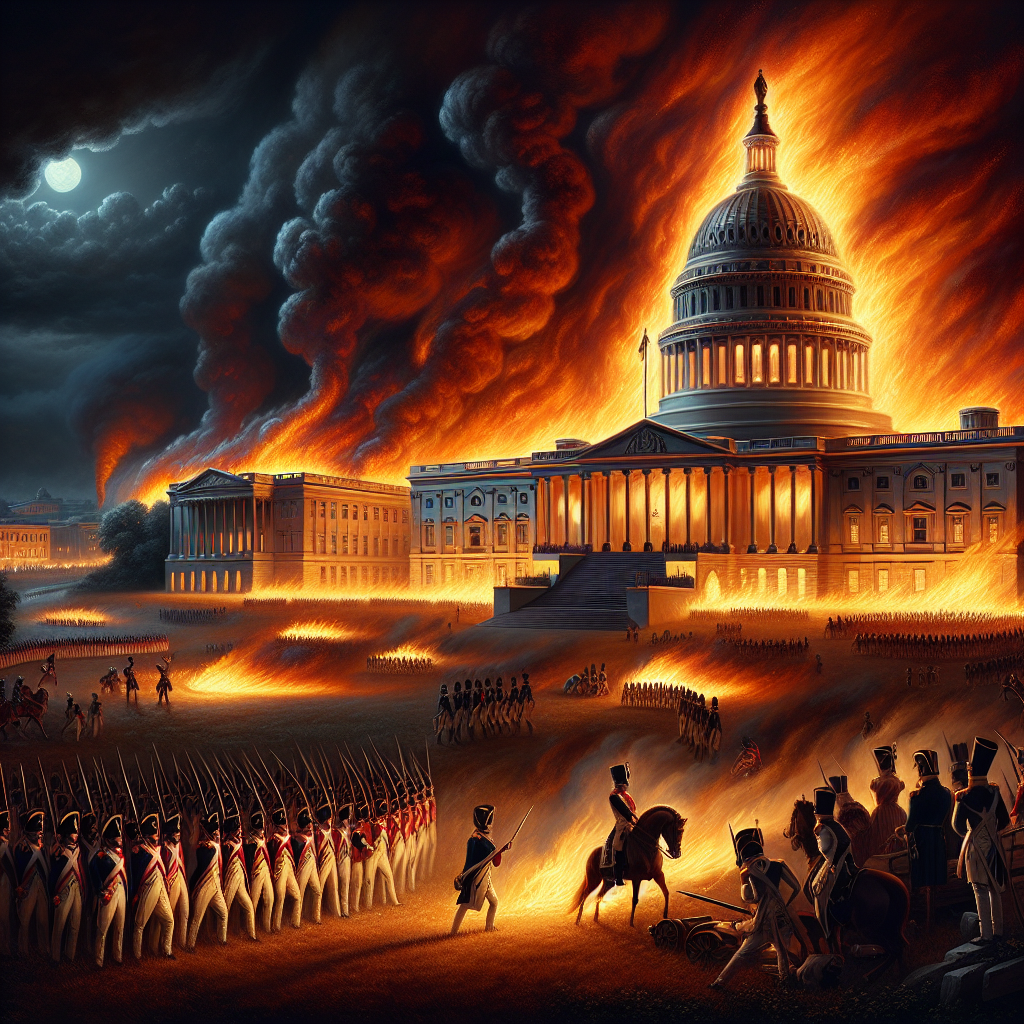
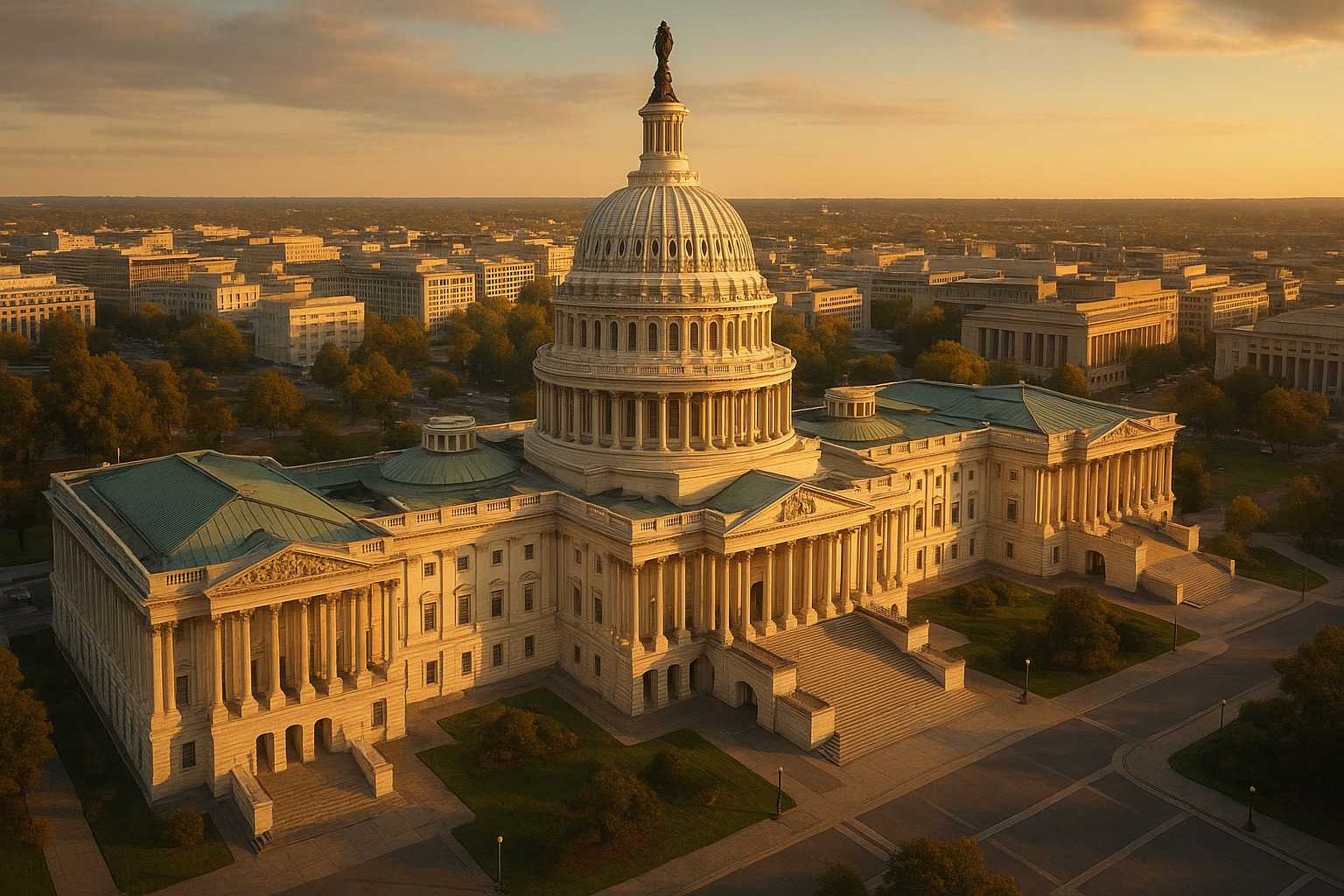
The capital grew into its ambitions slowly, shaped by every crisis the republic passed through. The British burned its public buildings in 1814. The Capitol dome was still under construction during Lincoln's inauguration in 1861, a deliberate symbol of a union that intended to complete itself. The March on Washington in August 1963 drew 250,000 people to the National Mall, where Martin Luther King Jr. delivered the most celebrated speech in American political history in the shadow of the Lincoln Memorial. The city has been simultaneously the seat of the world's most powerful government and, for most of its history, a majority-Black city denied voting representation in Congress — its residents received the right to vote for president only in 1961, via the 23rd Amendment.
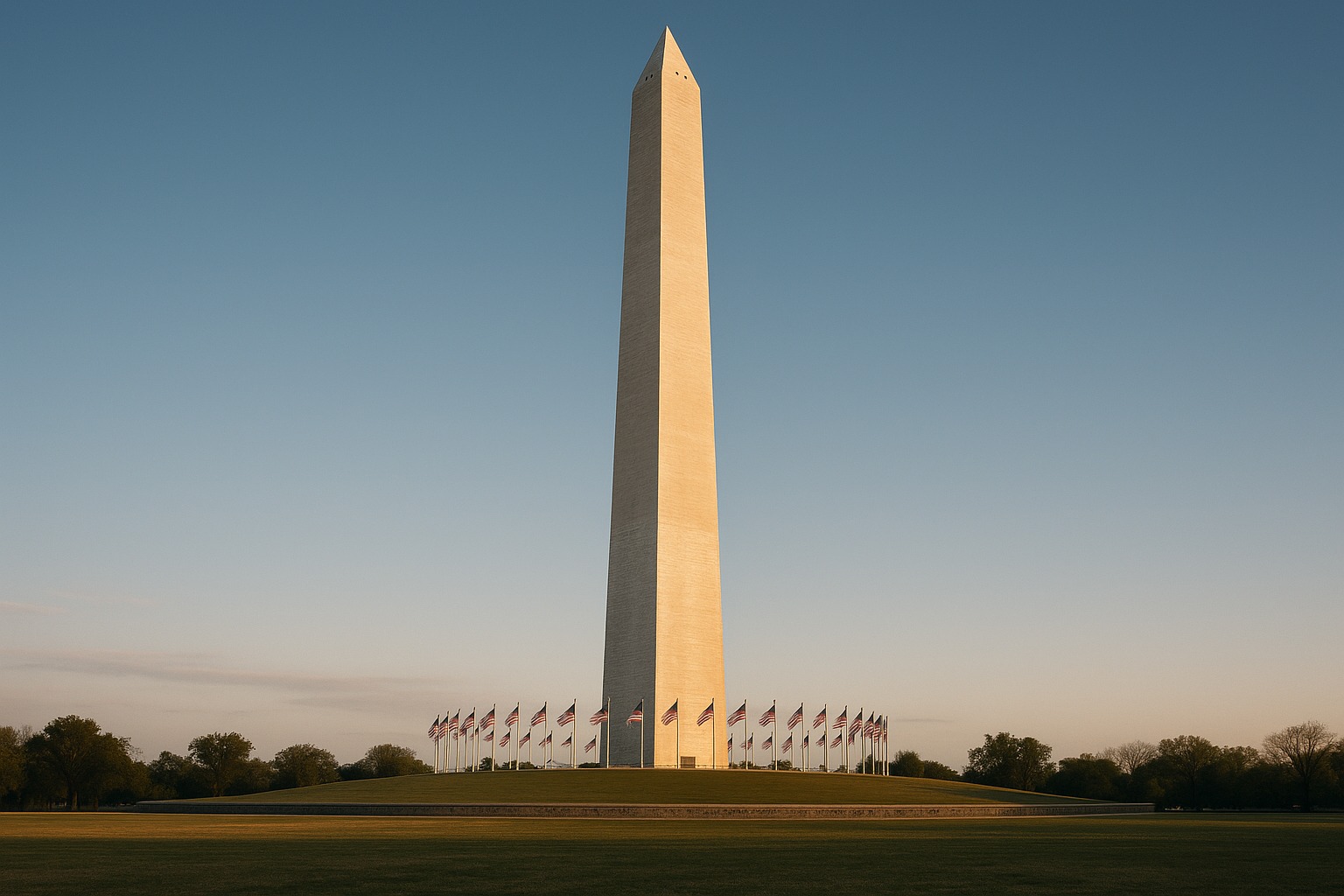
Washington's geography is inseparable from its meaning. The Mall — two miles of green from the Capitol to the Lincoln Memorial — functions as the nation's civic commons, the place Americans have chosen for the largest protests, celebrations, and acts of public mourning in the country's history. The memorials that line it are an argument about American identity conducted in marble and granite: Jefferson and Lincoln face each other across the Tidal Basin; the Vietnam Veterans Memorial lists 58,279 names in polished black stone; the Martin Luther King Jr. Memorial and the African American History and Culture Museum stand within sight of the Washington Monument, which was built with slave labor by a slaveholder's name. The city contains the whole American argument.
| Founded | July 16, 1790 (Residence Act); occupied 1800 |
| Location | Potomac River, between Maryland and Virginia |
| Designer | Pierre Charles L'Enfant (original plan) |
| Area | 68 square miles |
| Population | ~689,000 (city); ~6.4 million (metro area) |
| Presidential voting | 1961 (23rd Amendment) |
| British burning | August 24–25, 1814 |
| Years | 1790 |
| Location | Washington, D.C. |