Shays' Rebellion
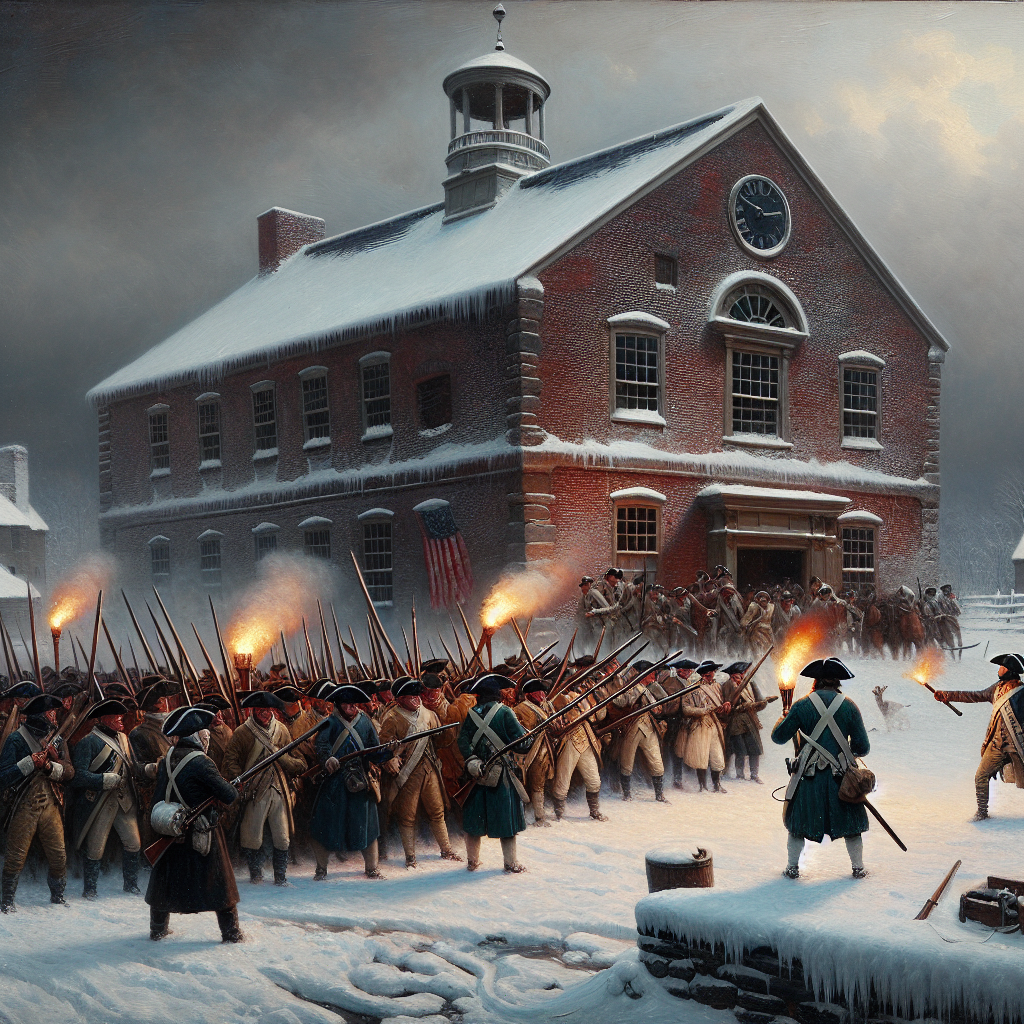
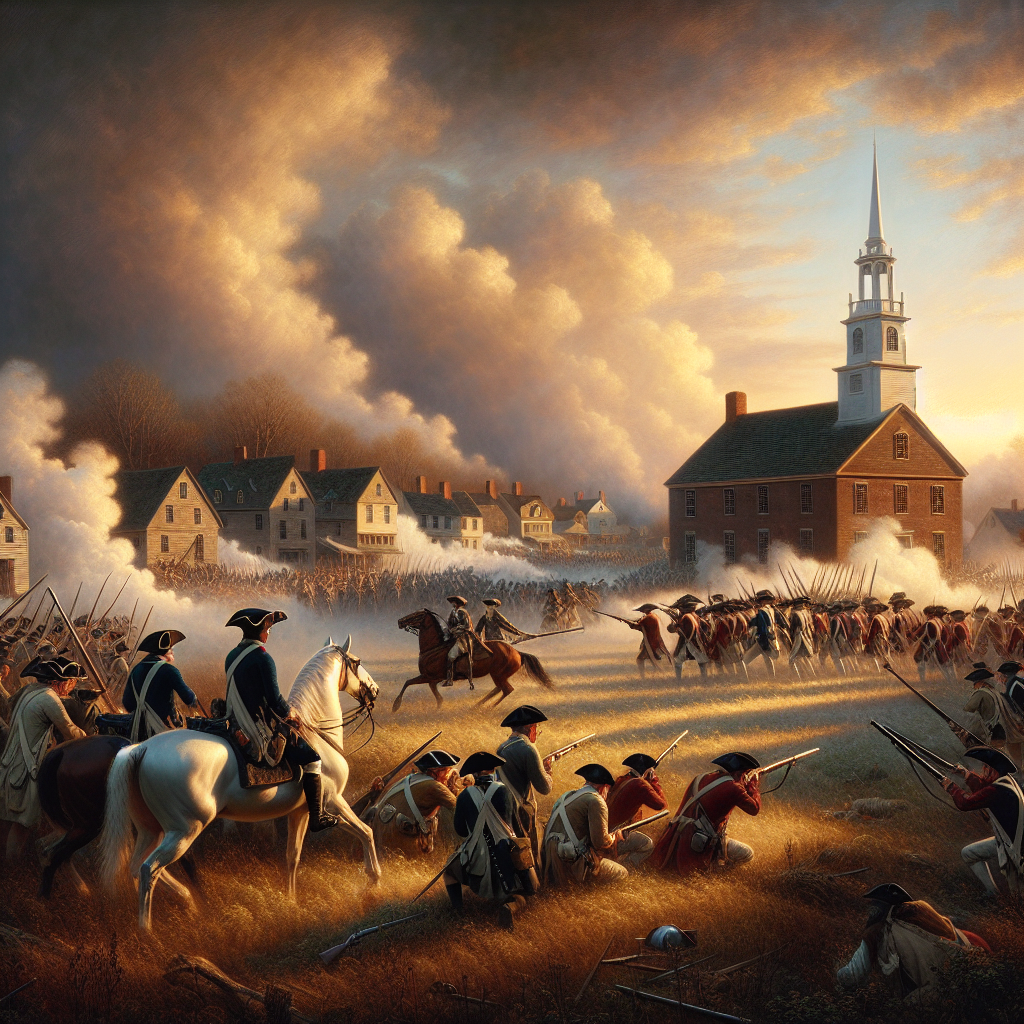
In the summer of 1786, western Massachusetts farmers — many of them veterans of the Revolutionary War who had never been paid — began closing down courthouses at gunpoint to stop foreclosure proceedings against their land. Led loosely by Daniel Shays, a former captain in the Continental Army, the rebellion grew to several thousand men before a privately funded militia raised by Boston merchants finally dispersed them at the Springfield Arsenal in February 1787. No single event did more to convince American leaders that the Articles of Confederation were fatally inadequate.
The crisis exposed everything wrong with the new nation's governing structure. Congress had no power to tax, no standing army, and no ability to compel states to act in concert. Massachusetts had nearly been unable to suppress an armed uprising within its own borders without private financing. George Washington, watching from Mount Vernon, was appalled: "Good God! Who besides a Tory could have foreseen, or a Briton predicted" such an outcome for the Revolution? He began supporting calls for a constitutional convention.
Shays' Rebellion was the direct accelerant for the Constitutional Convention of 1787, which convened in Philadelphia just months after the uprising was suppressed. The framers designed a federal government with the specific lessons of Shays in mind — taxing authority, a standing military, the ability to suppress domestic insurrection. The rebellion's leader, Daniel Shays, was eventually pardoned and died in poverty in New York in 1825, largely forgotten by the republic his revolt had inadvertently helped create.


| Dates | August 1786 – February 1787 |
| Location | Western Massachusetts |
| Leader | Daniel Shays, former Continental Army captain |
| Cause | Debt foreclosures, heavy taxation on veterans, no paper money |
| Suppressed by | Privately funded state militia |
| Legacy | Major catalyst for the Constitutional Convention of 1787 |
| Date | August 1786 – February 1787 |
| Location | Western Massachusetts |